
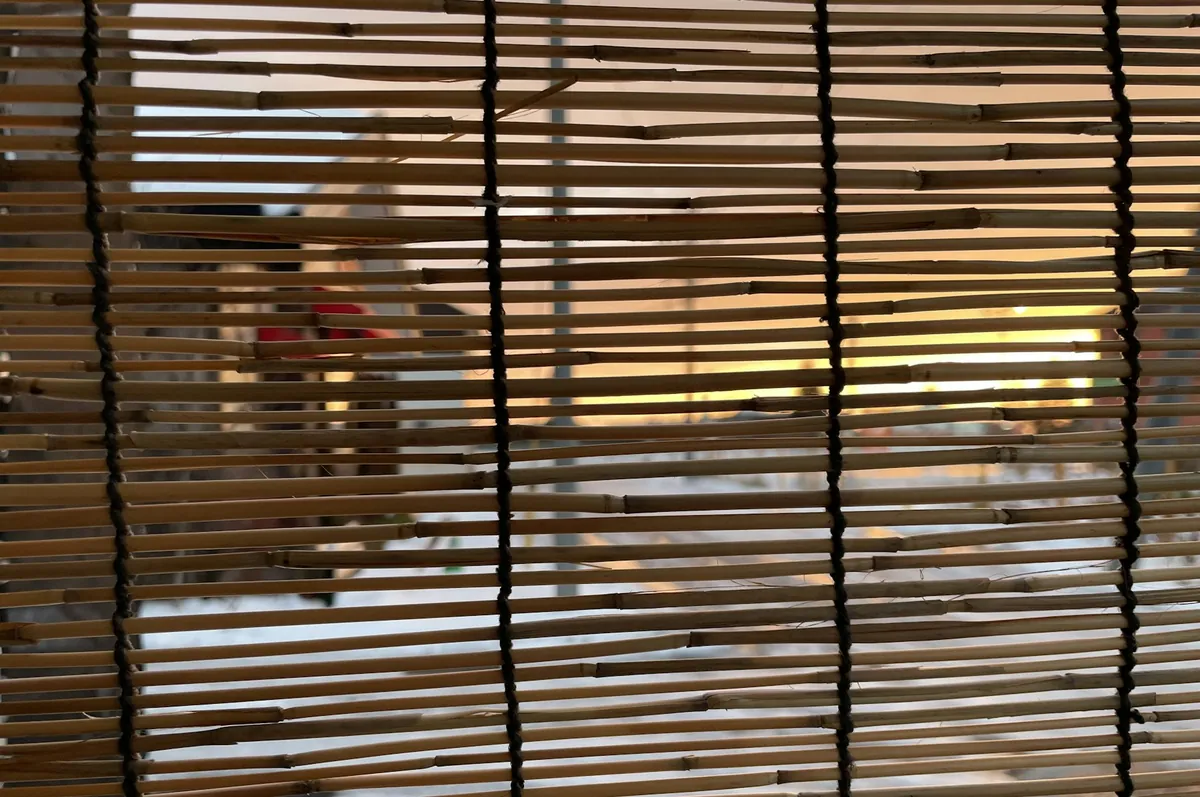
Three Eras in One City
Cranston holds three distinct generations of housing, and a shade that is right for one of them is rarely right for the next. Near the bay, Edgewood’s Victorians have tall sash, high ceilings and detailed woodwork. In Garden City, the post-war capes and ranches have lower ceilings, regular windows and simple trim. Out in Western Cranston, the newer colonials have standard sizes, open-plan rooms and plenty of glass. Choosing woven wood shades in Cranston, RI starts with knowing which of the three you live in.
The weave and the liner are the same two decisions in every house: how tight the strands are, and what sits on the back. But the answers change with the era. An Edgewood parlour can carry a rich, deep weave on a long drop. A Garden City ranch needs something lighter that will not crowd a lower room. A Western Cranston great room needs consistency across a lot of windows.
- Woven wood and bamboo, with or without a liner
- Measured at your house and installed by our own team
- Weaves and liners to compare at the Swansea showroom
Which Cranston House Is Yours?
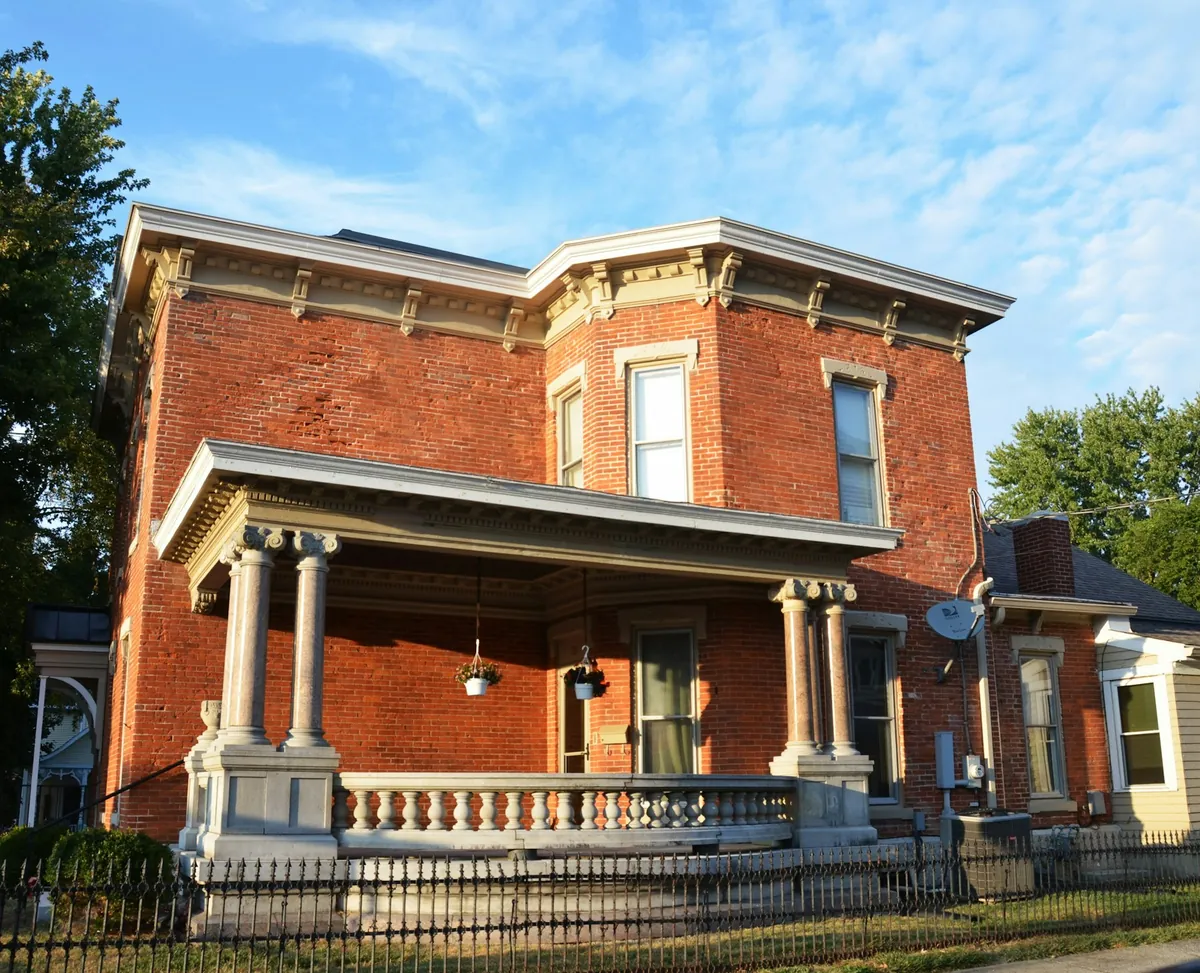
The Edgewood Victorian
Tall sash and high ceilings near the bay. Long woven shades, often with drapery, and a weave that stands up to dark, detailed woodwork.
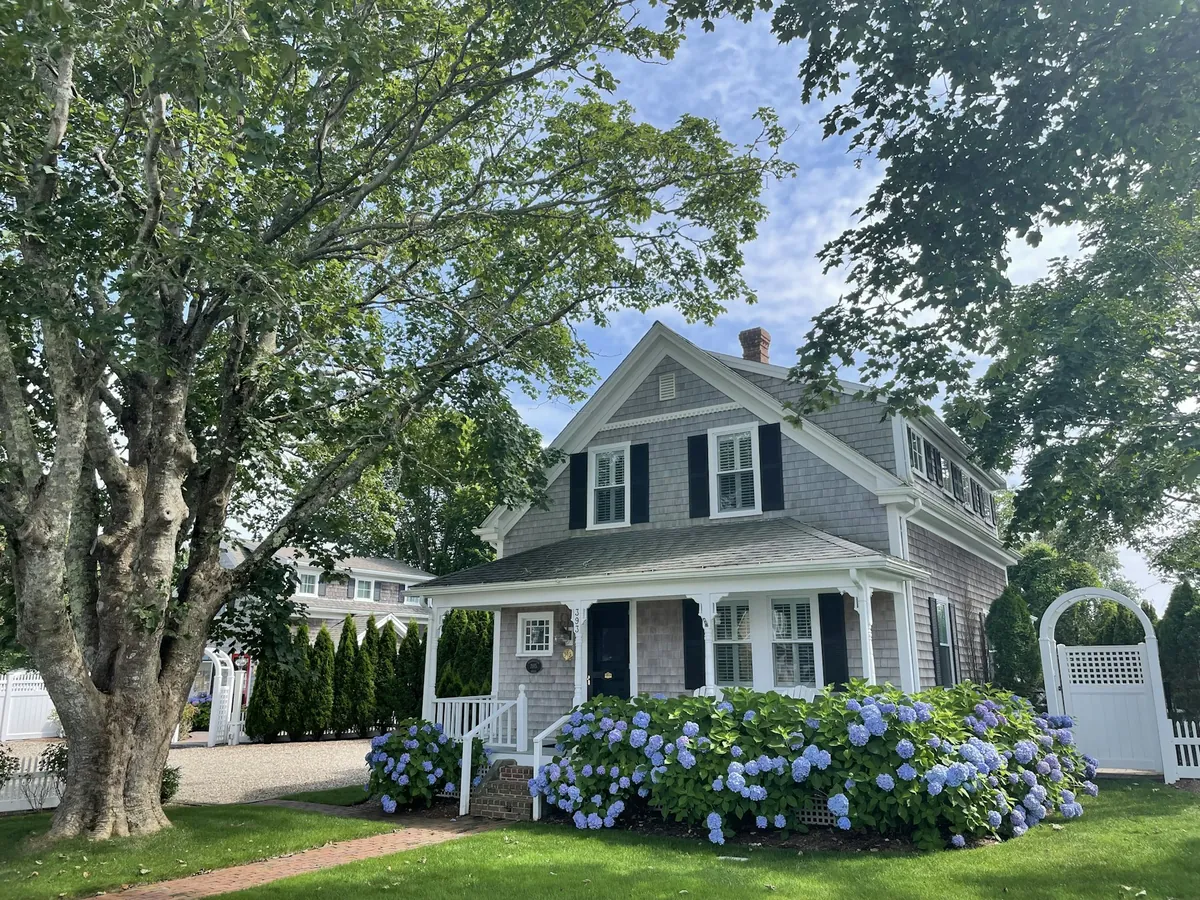
The Garden City cape or ranch
Regular windows, lower ceilings and plain trim. A lighter weave and a slim stack so the rooms keep their height and their light.
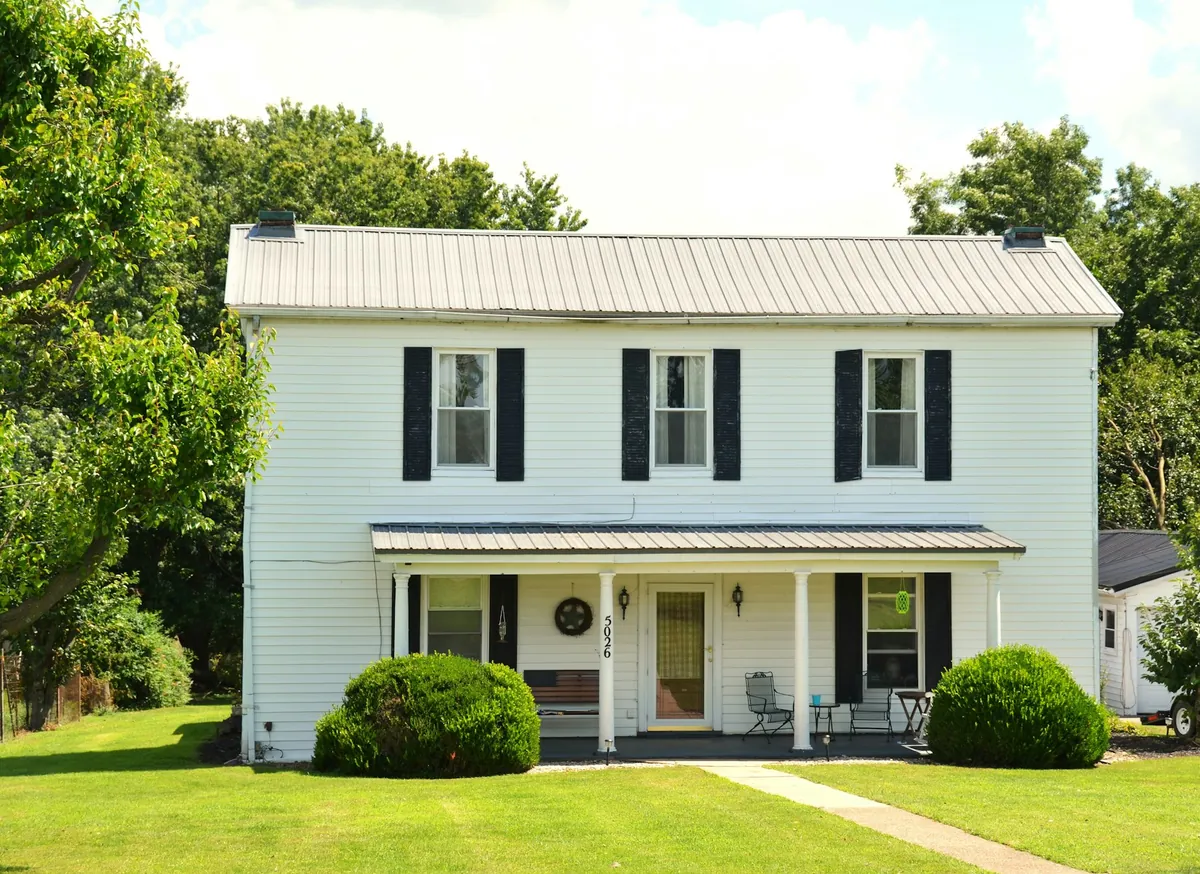
The Western Cranston colonial
Standard sizes and plenty of them. One weave across the house for a calm look, with liners chosen room by room.
Woven Wood Shades in Cranston, RI, Era by Era
Fitting woven wood shades in Cranston, RI well means treating each generation of house on its own terms. Here is how we approach each one.
Edgewood Victorians near the bay
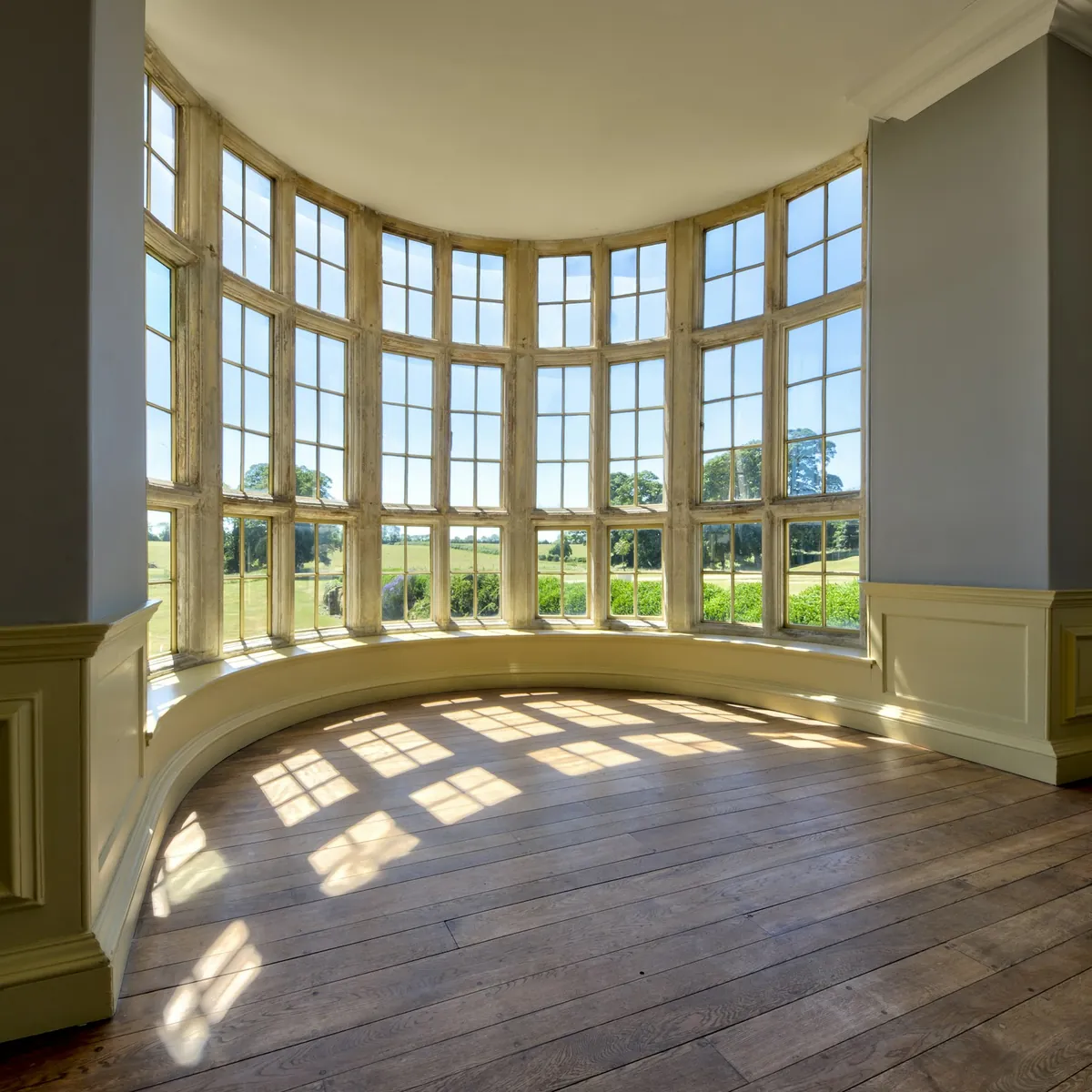
The Victorians of Edgewood were built with tall double-hung sash, ceilings well above head height and woodwork that was meant to be looked at: deep casings, moulded trim and often a bay on the front. Being close to the bay, many of them get bright light off the water, especially in the afternoon.
A woven shade suits these rooms because it brings natural warmth without the weight of heavy fabric, and it softens the light off the bay in a way that blinds and roller shades do not quite manage. The irregular weave breaks glare up into a gentle, warm glow.
Height is the first practical question. A tall window means a long shade, and when a woven shade is raised, all that material gathers at the top. Inside the frame, a folding style can cover a good part of the upper sash. Mounting the shade above the casing, in the space below the high ceiling, lets the raised shade sit on the wall and leaves the whole window clear. In a Victorian, that space is usually there.
The second question is the woodwork. Dark, varnished trim can make a pale bamboo look washed out, while a mid or deep woven wood ties in with it. Where the casing is wide and handsome, an inside mount keeps it on show, as long as the frame is deep enough; we check that at every window, since depth varies in an older house.
Bays take a shade per window, each measured separately because the angled windows are seldom identical, with the hems lined up across the bay. In the parlour and dining room, drapery panels outside the casing often complete the window, with the woven shade doing the daily work behind.
Privacy on Edgewood’s streets
Many of Edgewood’s Victorians sit fairly close to the street and to each other. By day, a tight weave screens the room well, because the outside is brighter than the inside. At night, with lamps lit, an unlined weave lets shapes show through. Front rooms, and any side window that looks at a neighbour, are where we would put a privacy liner: screened once the lamps are on, still softly lit through the day.
Upper floors and the stair hall
Climb the stairs of an Edgewood Victorian and the windows change again. The bedrooms often have tall sash like the parlour below, but the ceilings may be a little lower and the rooms quieter, with less need for drapery. A lined woven shade on its own usually carries these rooms, with room-darkening liners on the side that catches the morning light.
The stair hall is its own case. Its window is often taller or narrower than any other in the house, sometimes with a curved head, and it is seen from the front door, the stairs and the landing. A weave that matches the rooms on either floor keeps the house joined up, and where the head is curved, the shade covers the square part and the curve is left open to the light.
Sun porches near the bay
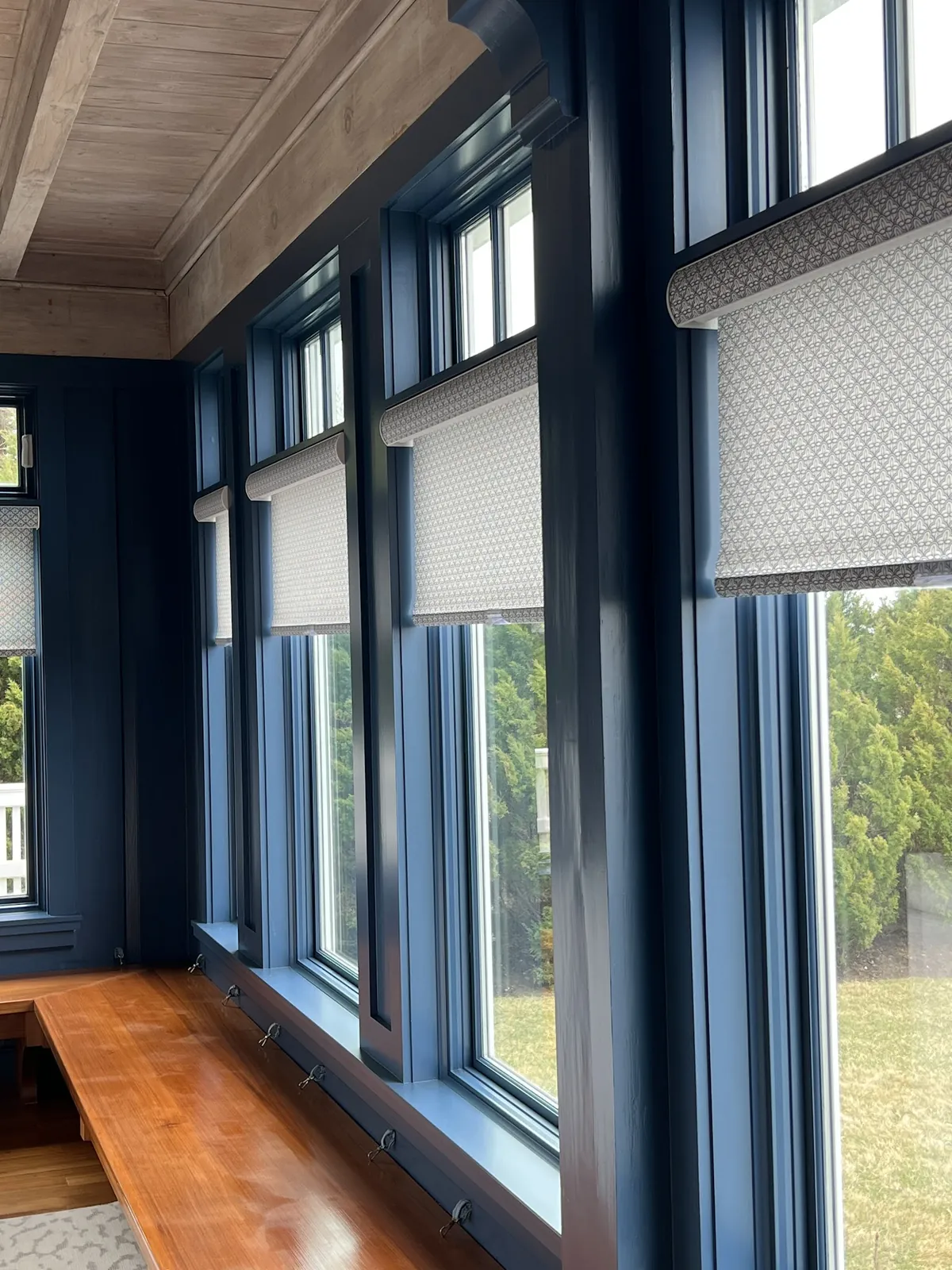
Some Edgewood houses have a sun porch or a glazed sitting room facing the water, with small windows on three sides. These rooms are made for woven shades. An open, unlined weave cools the afternoon light and keeps the bay in view, and each small window is measured on its own so the whole run lowers to one even line. If you would rather have a smooth, plain finish on a porch like this, roller shades do a similar job with a slimmer profile, and we can show you both side by side.
Garden City capes and ranches
Garden City’s capes and ranches are a different world. The ceilings are lower, the windows regular and the trim simple. Rooms are smaller, and a heavy, dark weave that looks rich in a Victorian can make a ranch living room feel cramped.
Here a lighter approach works better. Light bamboo or a pale grass weave keeps the walls feeling further apart and the room bright. A medium weave gives enough privacy by day without dimming the room. Most Garden City ranches have a broad picture window at the front, sometimes with narrow flankers. Cover the centre with one wide shade and give each flanker its own, or split the lot into separate shades if you like to open the side sash for a breeze.
The stack matters more on a lower ceiling. With less wall above the window, a folding woven shade can cover the top of the glass when raised. A rolling style keeps the raised shade slim, or the shade can be mounted right up against the ceiling to clear the window.
The capes have upstairs bedrooms under a sloping roof, often lit by dormer windows. A compact headrail inside the frame and a room-darkening liner suit those rooms, which can be bright early and warm in summer.
Garden City kitchens and back rooms
Many Garden City houses have had a kitchen opened up or a family room added at the back over the years, often with a bigger window or a slider onto the yard. These rooms are usually brighter than the original front rooms, and they face the garden rather than the street. Woven wood shades in Cranston back rooms like these can be unlined and fairly open, for the texture and the view, as long as they are kept away from the sink and the stove.
Where the addition and the original house sit side by side, it helps to use the same weave in both, so the join between old and new is less obvious from inside.
Western Cranston’s newer colonials
The newer colonials in Western Cranston have standard window sizes, open-plan living spaces, a two-storey entry in many cases, and a lot of windows. Fit is straightforward. The challenge is making the whole house look considered.
For the windows facing the street, one weave and one colour across the front keeps the house even from the road, with every shade made to the same height and lowering to the same line. Inside, the kitchen, eating area and family room usually run together, so the same weave through all three keeps the space calm. Liners can then follow the use of each room, from privacy-lined in the family room to none at the breakfast table and darkening upstairs.
Where there is a two-storey entry or a lofty great-room window, the top panes are out of reach. Nobody outside can see in that high, so many owners leave them bare; if sun or summer heat makes a shade worthwhile, operating it is the first thing we sort out with you.
Off the family room there is usually a slider to the deck. A woven shade there means hoisting it whenever someone goes out, so for a door in constant use a sideways-drawing treatment such as verticals is kinder, and the woven shades take the windows beside it.
Bonus rooms and upstairs
Upstairs in a Western Cranston colonial, the bedrooms are regular, usually two windows each, and a room-darkening liner behind the same weave as downstairs keeps the house consistent from the street. Many of these houses also have a bonus room over the garage, often with windows set into a sloping ceiling or a gable. Woven wood shades in Cranston bonus rooms suit a pale weave and a liner, because those rooms tend to heat up under the roof, and where the window sits in a dormer, a rolling style inside the frame keeps the raised shade clear of the glass.
How a Cranston Order Comes Together
You hear from us at every stage, from first contact until the last shade is up.
- Book your free quote by pressing the call button or filling in the form, and let us know what kind of house it is and which rooms are on the list.
- We send a specialist to measure. In an Edgewood Victorian that means checking casing depth and ceiling height; in a ranch, the space above the frame; in a newer colonial, every window, including the high ones.
- Weaves, colours and liners are chosen room by room, with a visit to the showroom if you want to see the range in person.
- Your written quote names each window alongside the weave, liner and mount picked for it.
- Every shade is made from the measurements we took in your home.
- Installation day: every shade goes up, the heights are set, and each is tested top to bottom before we hand over.
The weave and what the light does
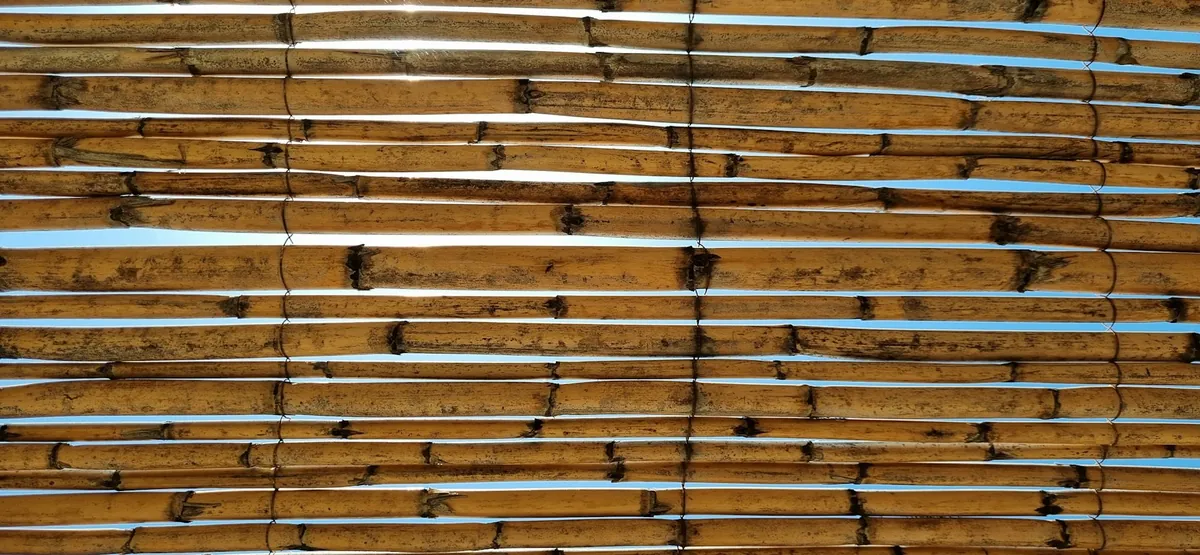
What sets a woven shade apart is what happens to the light. The strands leave small gaps, and light coming through them lands on the floor and walls in a fine, shifting pattern, while the room fills with a warm, filtered glow. Close strands mean a gentler, more even glow and better daytime screening; wider spacing brightens the room and lets more of the outdoors through.
In an Edgewood room facing the bay, an open weave keeps the water in sight and takes the glare away. For a Garden City front room on the street side, a medium weave splits the difference between brightness and screening. In a Western Cranston great room, the choice often depends on which way it faces and how much sun it gets.
The liner and what happens at night
Unlined, a woven shade shows its texture from both sides and lets shapes through at night. A privacy liner on the back stops that and still lets soft light pass. A room-darkening liner holds back much more, for bedrooms. The liner is hidden behind the weave, so a house can mix liners freely and still show one face in every room.
Colour for each era
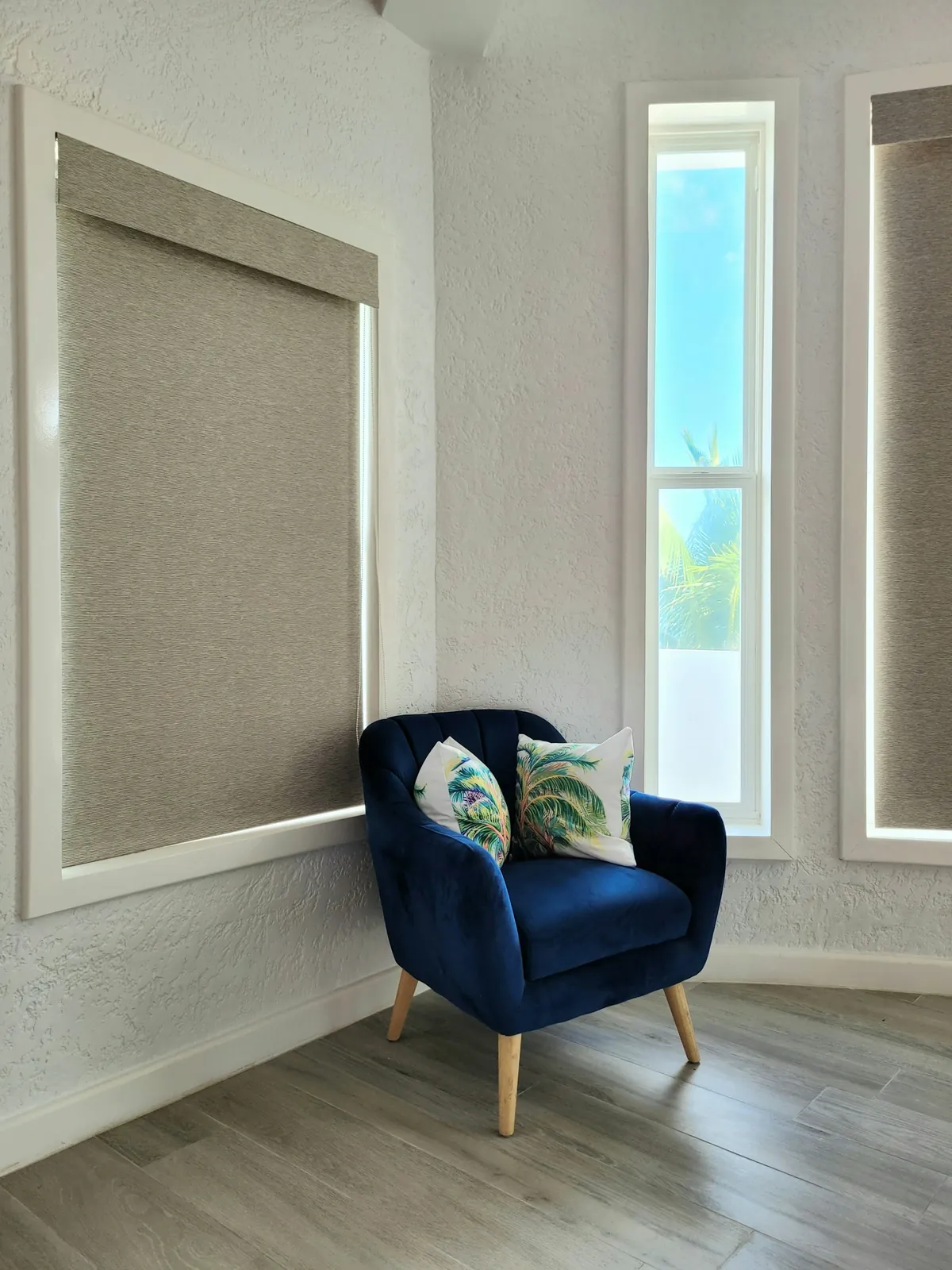
Colour follows the house. Dark Victorian woodwork in Edgewood suits mid to deep woven woods. The simpler, lighter interiors of a Garden City ranch suit pale bamboo and light grasses. A Western Cranston colonial with white trim and light floors can go either way, though a pale or mid tone is the most common choice across a large house.
In every era of house, the same thing holds: against daylight, natural weaves turn warmer and deeper than they appear in the hand. Test a sample at the window it is meant for.
Woven shades with drapery
In an Edgewood parlour or a Western Cranston dining room, drapery panels beside a woven shade give a softer, more layered look. Through the day the shade looks after the sun; after dark the panels close and bring their colour into the room. Drapery is a big part of what we make, so the two can be planned as one job.
When something else is the better choice
Woven shades are not for bathrooms with a shower or a window over the kitchen sink, where steam and water would harm the natural fibres. For a pitch-dark bedroom, a cellular shade is often the better tool. A small Garden City window over a desk might be better with a blind. We will always say if another treatment suits a window better. The cellular shades in Cranston and custom blinds in Cranston pages cover those options, and the Cranston window treatments page lists everything we offer in the city.
Care
Every so often, flick a duster over the weave or use the soft nozzle of a vacuum at low suction. Water and natural fibre are not friends, so dab marks dry. A shade you already own that has a tired cord or a balky lift can usually be repaired.
What Sets Window Works Apart
Founded in Swansea in 1988, Window Works is still a family store, now under its second generation. In over 37 years our specialists have dressed Victorian, post-war and brand-new houses alike, all over the East Bay and the Massachusetts SouthCoast.
- People who know window treatments inside out
- A visit to measure at your house, old or new
- Shades hung by Window Works installers
- Contact kept up from the first call to the finish
- Warranties offered on our products
The full woven range is on our woven wood shades page.
Compare the Weaves in Person
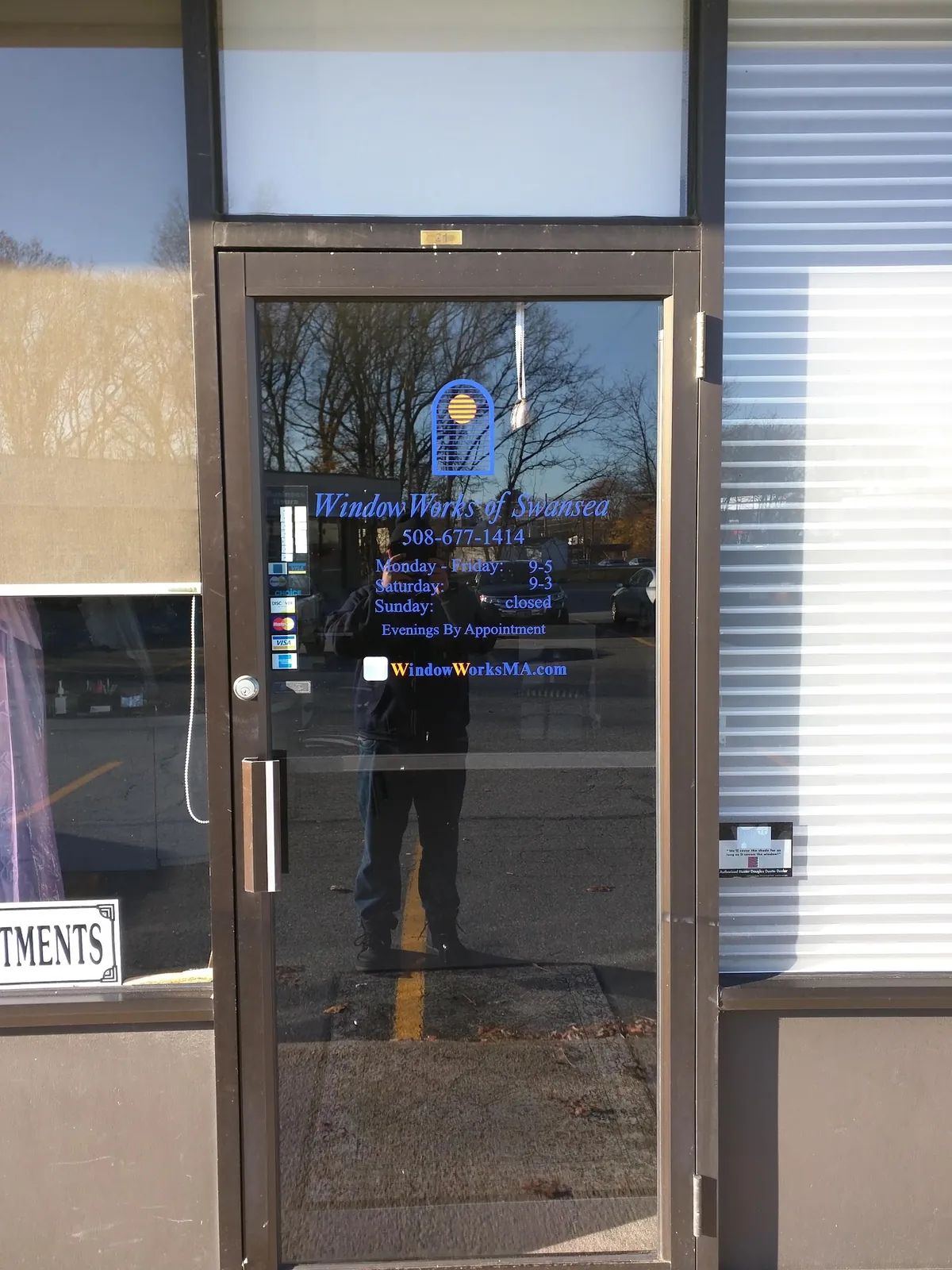
Our Swansea showroom puts deep woods next to pale bamboo, so you can hold liners up to a window and compare colours in real daylight. If you are matching dark Victorian woodwork, bring a photo; it makes the choice much easier. The Norman range is on display as well.
Questions from Cranston
Will the same woven shade suit an Edgewood Victorian and a Garden City ranch?
Rarely. A Victorian can carry a deep weave on a long drop, while a ranch usually needs a lighter weave and a slimmer stack to keep the room bright.
How do I stop a raised shade covering the top of a ranch window?
Choose a rolling style, which stacks slim, or mount the shade right up near the ceiling so the stack clears the glass.
Do woven shades help with glare off the bay in Edgewood?
Yes. The weave breaks reflected light into a softer glow, and an open weave keeps the water in view.
How do I keep a large newer colonial looking consistent?
Use one weave and colour on every street-facing window, with liners chosen room by room behind them.
Is there a cost for a quote?
No. A quote is free, by the call button or the form; just tell us the era of your house and the rooms.
Book Your Free Quote
The first step is a free quote. A tap on the call button reaches our Swansea store, where we can book measuring at your house and talk about installation; writing through the form works too. For a look at the weaves before the visit, find the showroom through our contact page. Our Google rating stands at 5.0.