
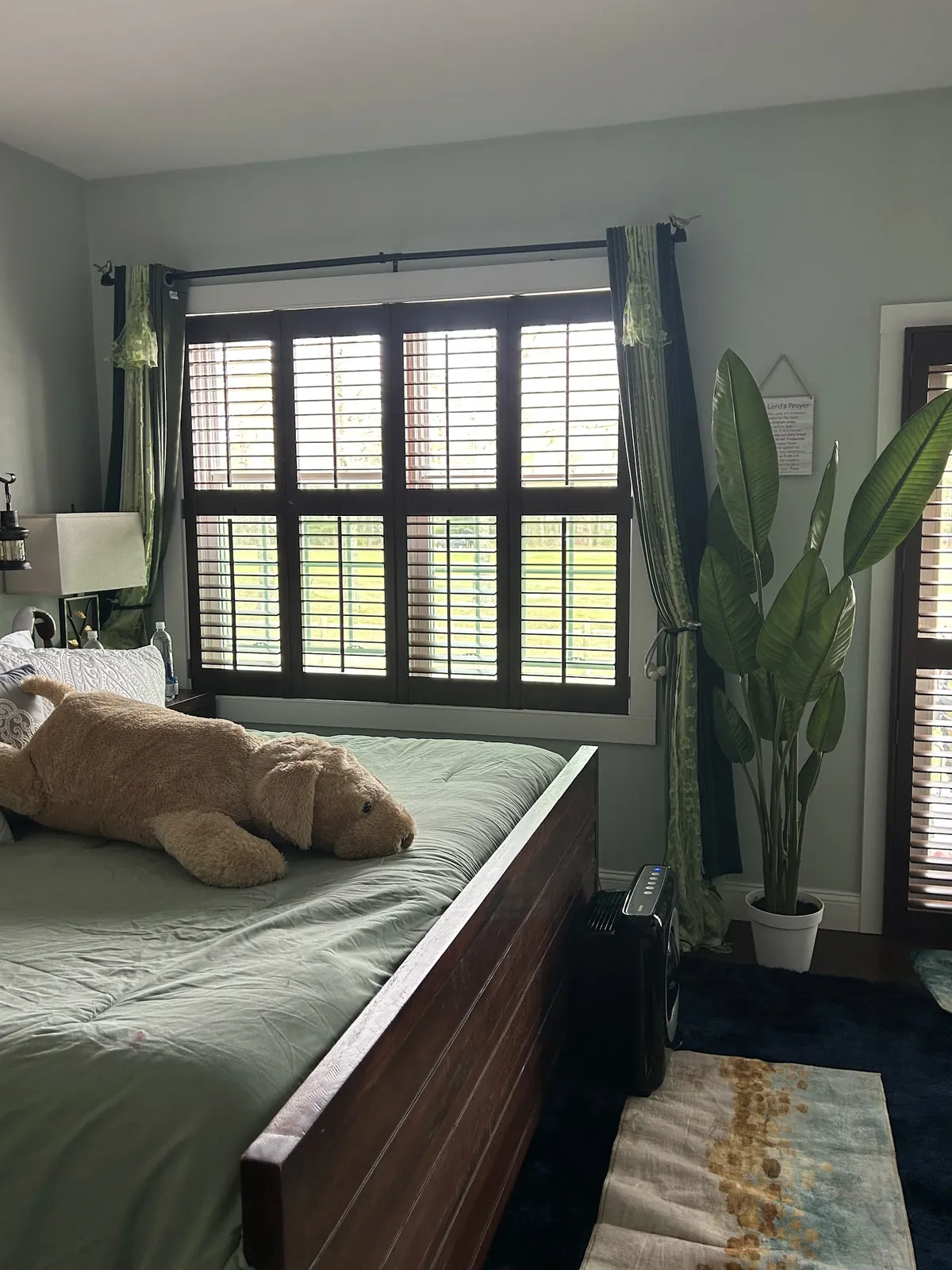
Length Matters More Than Width
The houses of Oak Hill and Quality Hill, and the mill-era three-deckers off Broadway, share one window above all others: a tall, narrow double-hung sash, often several to a room, in a house standing close to its neighbours. That shape changes the usual questions about Norman blinds in Pawtucket, RI. Width is rarely the problem. Length is, along with how a treatment stacks when raised and how it keeps a room private when the next house is only a few steps away.
A narrow window with a long drop needs a treatment that looks slim, stacks small and hangs straight from top to sill. It also needs to work easily, because the top of a tall Victorian sash is often well above reach. The Norman range of blinds, shades and shutters has pieces that suit these proportions, and choosing the right one for each window is what we help with.
- Norman blinds, shades and shutters, a range we carry
- All of it on show in our Swansea showroom
- Measured at every window and fitted by our installers
Three Norman Answers for a Tall, Narrow Sash
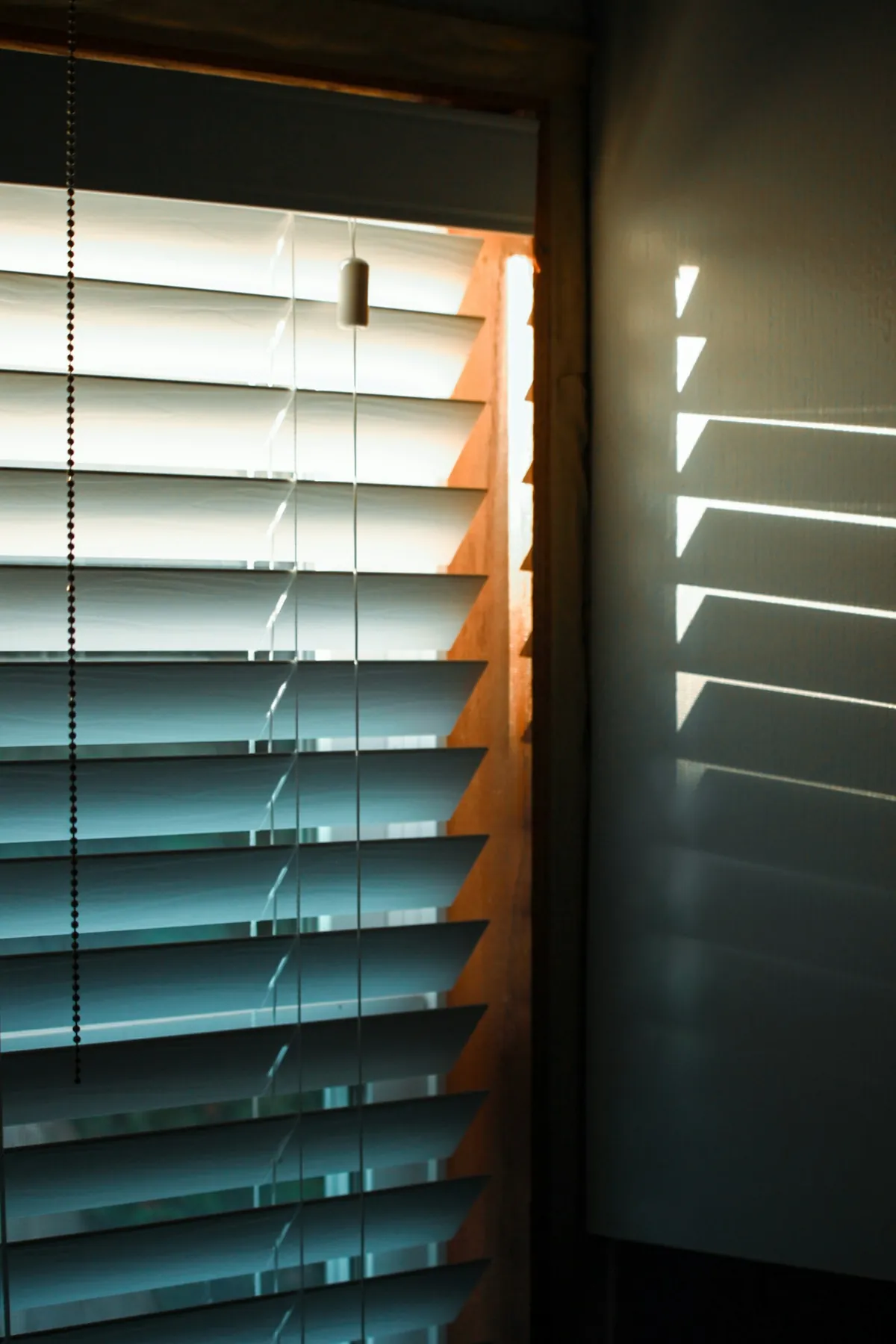
Slim-slatted blinds
A blind with a modest slat looks in proportion on a narrow window, tilts for privacy, and gathers into a short stack when raised.
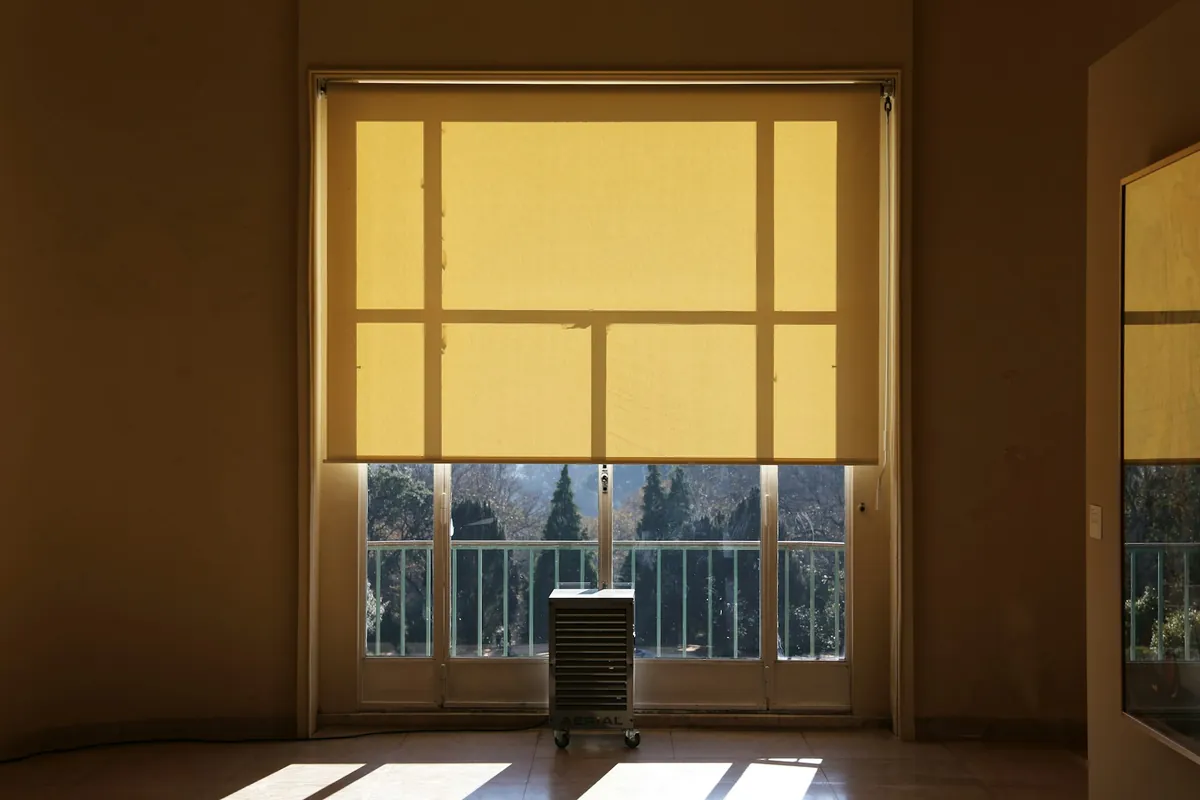
Long-drop shades
A fabric shade that runs the full height of the sash and stops at any point on the way, so you can cover just the lower part.
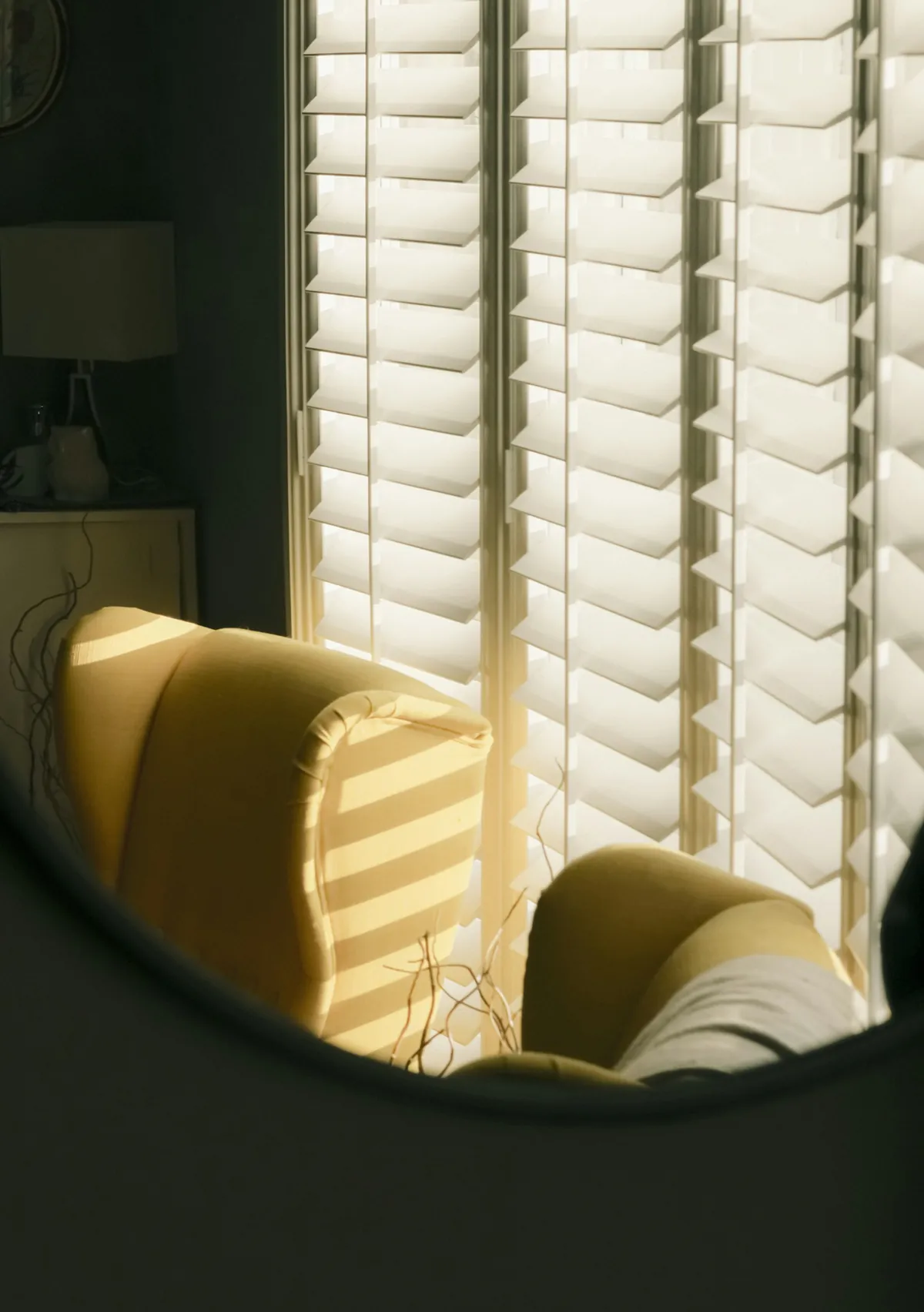
Sectioned shutters
Shutters split into upper and lower panels, so the bottom closes for privacy while the top lets the sky in.
Getting the Proportions Right
A tall, narrow window is elegant, and the wrong treatment spoils it quickly. Too bulky a headrail sits heavily on top. Too large a stack eats a big share of the glass when raised. A treatment that stops short of the sill, or runs past it, draws the eye straight to the mistake. So for Norman blinds in Pawtucket, RI we start with proportion: how long the drop is, how narrow the width, how deep the reveal and how much space there is above the frame.
The drop
On a tall sash, the drop from the head of the frame to the sill can be long, and the treatment has to hang straight and even all the way down. A blind or a shade fitted inside the frame stops exactly at the sill, which looks crisp and keeps the trim visible. We measure the height at both sides of each window, because older frames are rarely perfectly level, and a treatment made to the shorter side may leave a sliver of light at the other.
The stack
When a blind is raised, its slats gather at the top of the window in a stack. On a short window, a deep stack can cover a lot of the glass. On a tall window it matters less as a share of the height, but on a narrow one it can look heavy. A slimmer slat and a compact headrail keep the stack neat. A fabric shade usually stacks smaller still, rolling or folding into a tidy band.
The width
A narrow window means a narrow treatment, and that changes how it behaves. A narrow blind is light and easy to lift, but its controls have less room. We look at where the lift and tilt sit on each window, so they do not crowd the frame or hang awkwardly against the trim.
Weighing up the three on a long window
Each part of the range handles a tall, narrow sash in its own way:
- A blind gives the finest control. Small changes of tilt shift the light and the privacy through the day, and a slim slat keeps the stack modest on a long drop.
- A shade gives the cleanest line. Fabric runs from head to sill in one smooth strip and can stop anywhere on the way, which is ideal for covering only the lower part of a window.
- A shutter gives the most presence. Split into upper and lower panels, it lets you treat each half of the window separately, and it reads as part of the joinery in a Victorian room.
Most houses end up with a mix. A blind in the study, shades in the bedrooms and shutters in the parlour is a common pattern, held together by one colour.
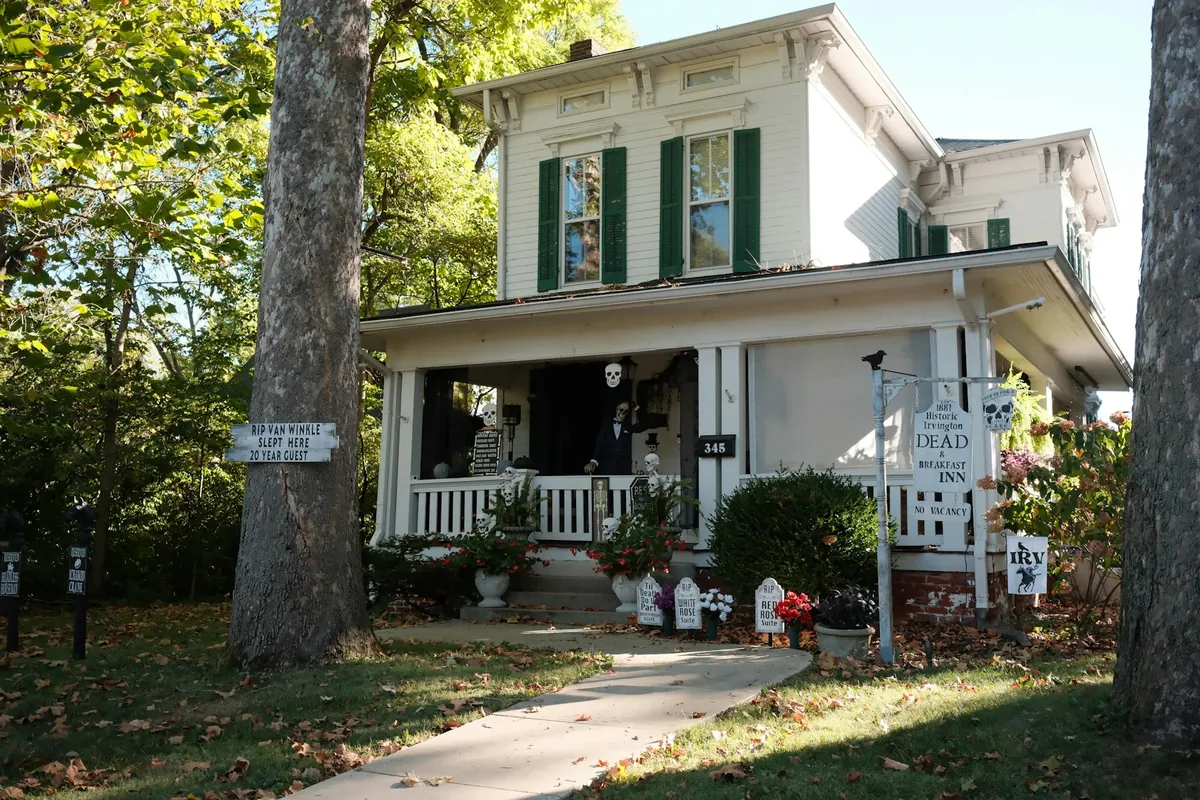
Victorians on Oak Hill and Quality Hill
The Victorians of Oak Hill and Quality Hill carry the tallest windows in the city. Their main rooms have high ceilings, decorative trim and often a bay at the front or side. Many have a parlour, a dining room and a sitting room on the main floor, each with two or three tall sash.
Fitting inside the trim
The trim on these houses is usually original and worth showing. Fitting a Norman blind, shade or shutter inside each frame keeps the casing fully visible from the room, and from outside shows only a slim shape behind the glass. That depends on the reveal depth, which we measure on every window, because sash frames in the same room can differ by more than you would think. Where a frame is too shallow, we mount on the casing and size the treatment to the trim, so it still looks tidy.
Bays with narrow sides
Victorian bays often have a wider centre window with two narrower windows set at an angle on each side. Each part is treated separately, sized to its own opening, so the angles of the bay stay crisp. Using the same product and colour across all three keeps the bay looking like one feature, and lining up the headrails at the same height ties it together.
Reaching the top
A tall sash puts the top of the treatment far above your head. How it raises and lowers matters more here than anywhere else. We choose a lift that works smoothly from a standing position and place the controls where you can reach them easily, clear of radiators and furniture. On the tallest windows, it can be worth considering motorised operation by remote or wall switch; our motorised blinds in Pawtucket page explains how it works.
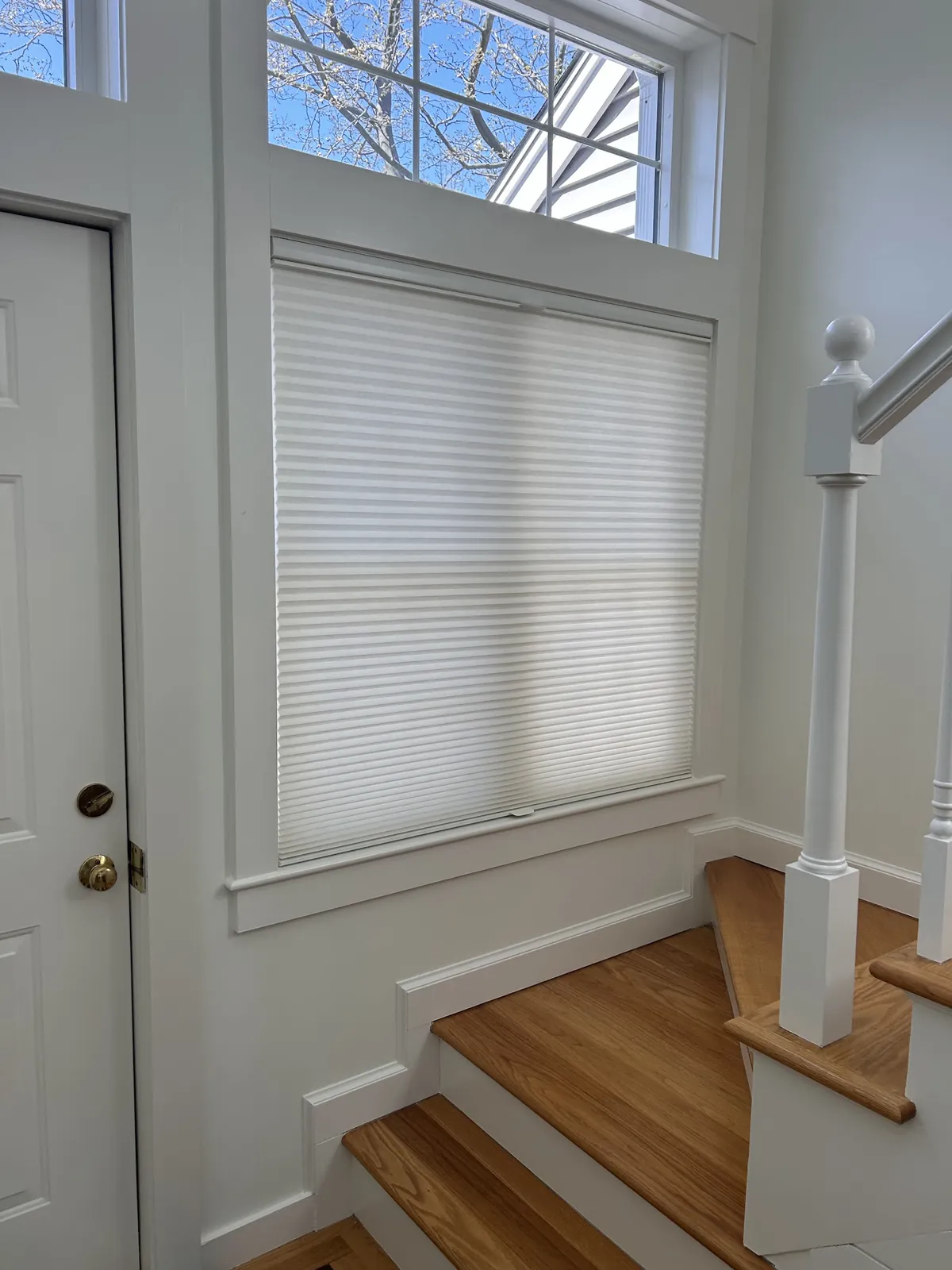
Entry halls and stair windows
Many of these houses have a tall, narrow window beside the front door or lighting the stair. These windows bring light into a hall that would otherwise be dark, and they are close to the street, often at eye level with the front steps. A light-filtering shade fitted tight inside the frame keeps the light and blurs the view in. Since it is rarely adjusted, a simple, durable lift is all it needs.
High ceilings and cold glass
The high ceilings and tall single-glazed sash of a Victorian make for rooms that lose heat quickly on a winter night. Warm air rises toward the ceiling, and the long panes chill the air beside them. A treatment that closes snugly inside the frame, running the full length of the sash, keeps a layer of still air against the glass and takes the edge off the draught. Fabric shades and shutters are particularly good at this, and drapes in front add another layer.
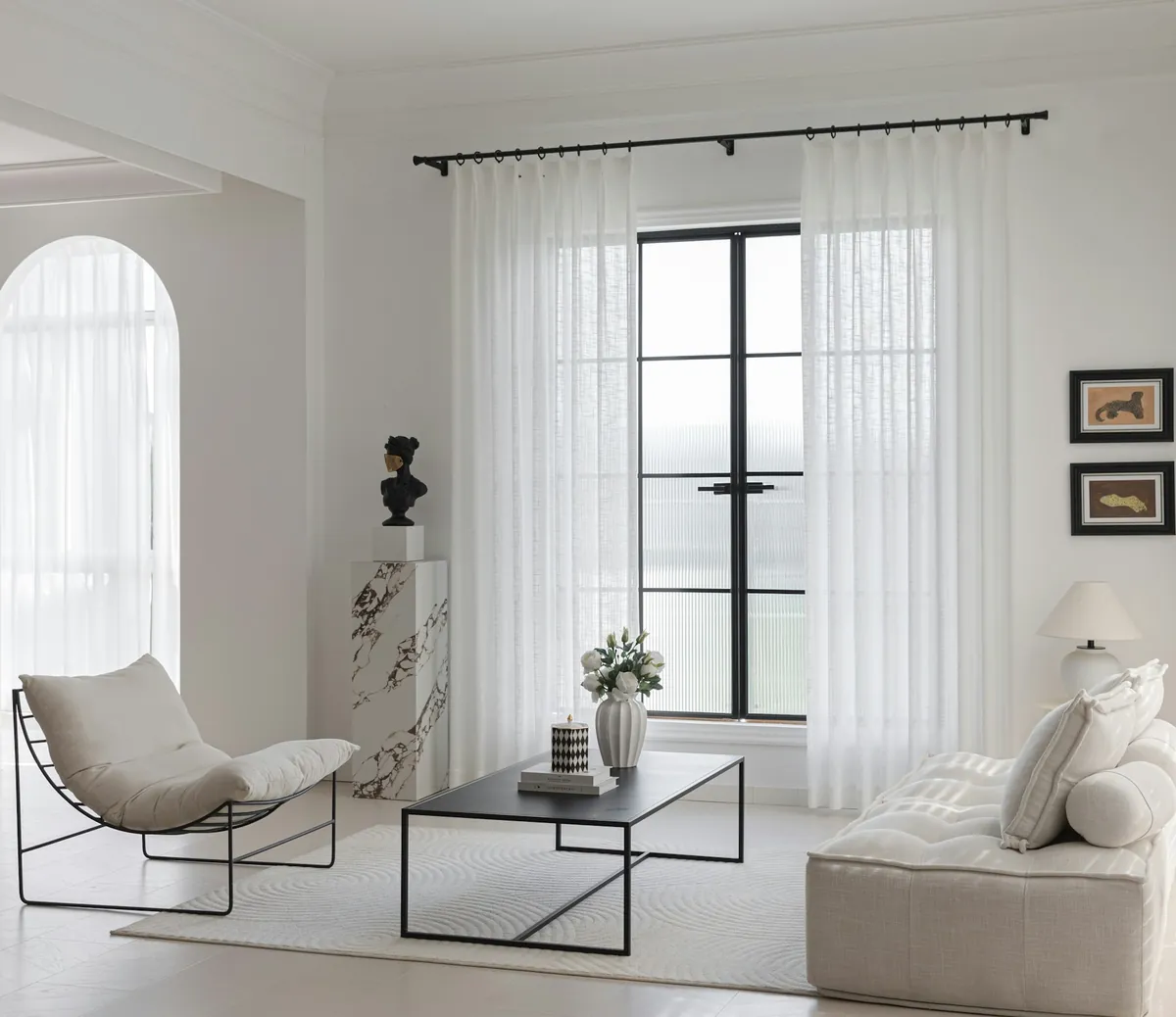
Formal rooms and drapery
The parlours and dining rooms of the Victorians often suit drapery, with a Norman shade or blind behind it to handle the daily work of light and privacy. The drapes frame the tall window and add warmth to a room with a high ceiling. We make drapery as well, so both can be planned on the same measuring visit. Our drapes in Pawtucket page covers the fabric side.
Three-Deckers Off Broadway
The mill-era three-deckers off Broadway take the same tall, narrow sash as the Victorians, usually with plainer casings, and repeat it on three floors. Lots are slim, so a neighbour’s clapboards can be close enough to touch from a side window. What changes from floor to floor is where the eyes looking in come from.
Ground floor: the view from the sidewalk
A first-floor flat has its front windows only a little above the pavement, and the people walking past look up into the room. Here slats earn their keep. Tilt a blind so its slats angle down toward the street on the outside, and the passer-by looking up sees your ceiling rather than the room, while daylight still bounces in. Because the window is narrow, a single slim blind per sash does the job without looking busy.
Upper floors: level with the house across the road
On the second and third floors the view in arrives straight across, from windows at the same height. Tilting helps less. What works is covering the lower stretch of that long drop and leaving the top bare. A fabric shade lowered partway does it, and so do shutters with their bottom panels shut and the top panels open. Because the windows are so tall, you can keep a generous band of sky above the covered section, and the room stays bright.
Along the narrow side yards
The side walls hold the windows that face the house next door, often bedrooms, a bath or the back stair. These want cover nearly all day, and nobody is losing a view. A translucent fabric, set at full length and left there, lets light through and keeps the room private. Where the room is a bathroom or a kitchen, swap to a faux wood blind, which takes steam without warping.
Back kitchens and porch doors
Each flat usually ends in a kitchen at the rear, with a porch outside it. The sink window works well with a cafe-height shutter, closing off the lower half and leaving the upper half open to the yard. The porch door, used all day, suits a blind or shade fixed to the door itself, so it swings with the door and never fouls the knob.
Choosing Norman blinds in Pawtucket, RI for a whole building
If you own all three floors, it often makes sense to decide the street face first. One colour on every front window, top to bottom, makes the building look cared for from Broadway’s side streets. The rear and side windows can then be chosen flat by flat. We can measure the whole building in one visit and break the quote down by floor, so each flat’s share is clear.
From Booking to Installation
The specialist who measures works alongside the installers who fit, and we keep you up to date throughout. A Pawtucket order usually runs like this.
- Call or use the form to tell us about the house and the windows you want to cover, and book a free quote.
- A specialist visits to measure each window, taking the height at both sides and the width at top, middle and bottom.
- You visit the Swansea showroom, if you like, to see Norman blinds, shades and shutters side by side.
- We agree what goes on each window: product, colour and how it works.
- You get a quote, itemised window by window or flat by flat.
- The order is made to the measurements taken on site.
- Our installers fit everything, line it up and show you how it all works.
Quality Hill parlours by day and night
A Victorian parlour is often the brightest room in the house by day and the most exposed at night, with tall windows close to the street. A treatment that gives you both settings without fuss is the goal: open shutters or raised shades for daylight, then closed louvres or a full-length darkening fabric when the lamps come on. We plan for both before choosing anything.
Measuring the tall sash carefully
Old double-hung frames move over time. One side can be a little longer than the other, the width can narrow toward the top, and the reveal can change depth. On a tall window those small differences add up. We take several measurements on each one and make the treatment to fit the tightest point, so it sits neatly with no light gap.
Bedrooms that need to be dark
Close-set streets bring two kinds of light into a bedroom after dark: a neighbour’s lamps and the streetlights. A darkening fabric that runs the full length of a tall sash, set inside the frame so its edges sit tight to the casing, shuts out most of both. Shutters closed tight are the alternative, and from the street they look the same whether the room behind is lit or not. For a bedroom on a front corner, with windows on two walls, matching the treatment on both keeps the room even.
Colour on a long, narrow window
On a tall, slim window, colour shows more than on a wide one, because the treatment fills a long vertical strip. A white or soft neutral reads as part of the window and keeps the proportions elegant. A darker or richer colour makes the window a feature, which can look striking in a parlour with deep painted walls but heavy in a small bedroom. Seeing samples against your own trim in the showroom is the surest way to judge. When you are comparing Norman blinds in Pawtucket, RI against shades and shutters, bring a photo of the room as well, so the specialist can see the trim colour and the wall.
A Family Store Since 1988
Window Works opened in Swansea in 1988, and the family business is now in its second generation. Over more than 37 years our specialists have measured and fitted window treatments in houses across the SouthCoast of Massachusetts and the Rhode Island East Bay, Pawtucket included.
- Window treatment specialists, experienced with older houses
- A visit to measure, and installation by our own team
- Contact with you at every step until the job is done
- Warranties offered on our products
- Drapes and fabric decor made in the same plan
The Norman range is on show in our Swansea showroom. Read more about it on our Norman blinds and shades page, or see every treatment we make for the city on the Pawtucket window treatments page.
Questions from Pawtucket
My windows are very tall and narrow. Which Norman products suit them?
Slim-slatted blinds, fabric shades that run the full drop, and shutters split into upper and lower panels all suit tall, narrow sash. Which is best depends on the room and how private it needs to be.
How do I reach the top of a tall Victorian window?
We choose a lift that works from a standing position and place the controls within reach. On the tallest windows, motorised operation by remote or wall switch is an option.
Will the treatment hide my original trim?
Not if it fits inside the frame. We measure each reveal and fit within it wherever the depth allows.
I am on the second floor of a three-decker. How do I stop the flat opposite seeing in?
Cover the lower part of the tall window and leave the top open. A shade lowered partway or shutters with only the bottom panels closed both do it, and the room keeps plenty of daylight.
What does a quote cost?
Nothing. Quotes are free, and we list every window.
Book Your Free Quote
The call button puts you through to the Swansea store, where you can ask about Norman blinds in Pawtucket, RI, arrange measuring at the house or ask about installation. Or send us the form and we will reply. If you would like to see the range first, the showroom is open to visit, with directions on the contact page. Window Works holds a 5.0 rating on Google.