
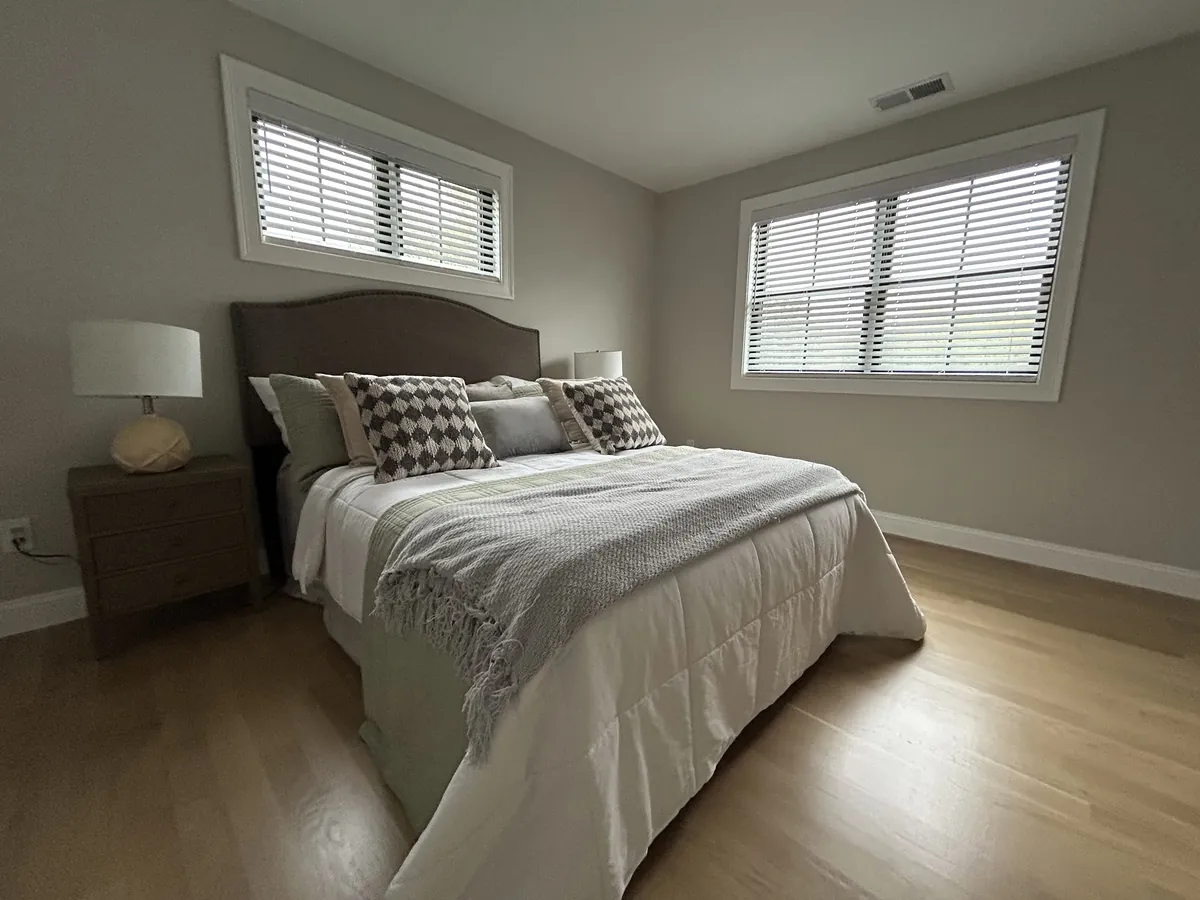
Narrow Old Openings and Rows of New Ones
Lincoln asks two quite different things of a window treatment. In Lonsdale and Manville, the mill housing keeps its original openings: narrow, often a touch irregular, and rarely identical from one window to the next. Around Lincoln Woods and Breakneck Hill, the newer colonials have standard sizes, but plenty of them, spread over two full floors. Planning Norman blinds in Lincoln, RI means handling both the one-off and the many.
Off Great Road there is a third kind of house again, on a large lot with bigger windows looking over its own ground. The Norman range of blinds, shades and shutters covers all three. What takes care is choosing the right piece for each type of opening and keeping the whole house reading as one.
- Norman blinds, shades and shutters, a range the store carries
- Compare them side by side in our Swansea showroom
- Measured window by window and installed by our own crew
The Norman Range, Matched to Lincoln Windows
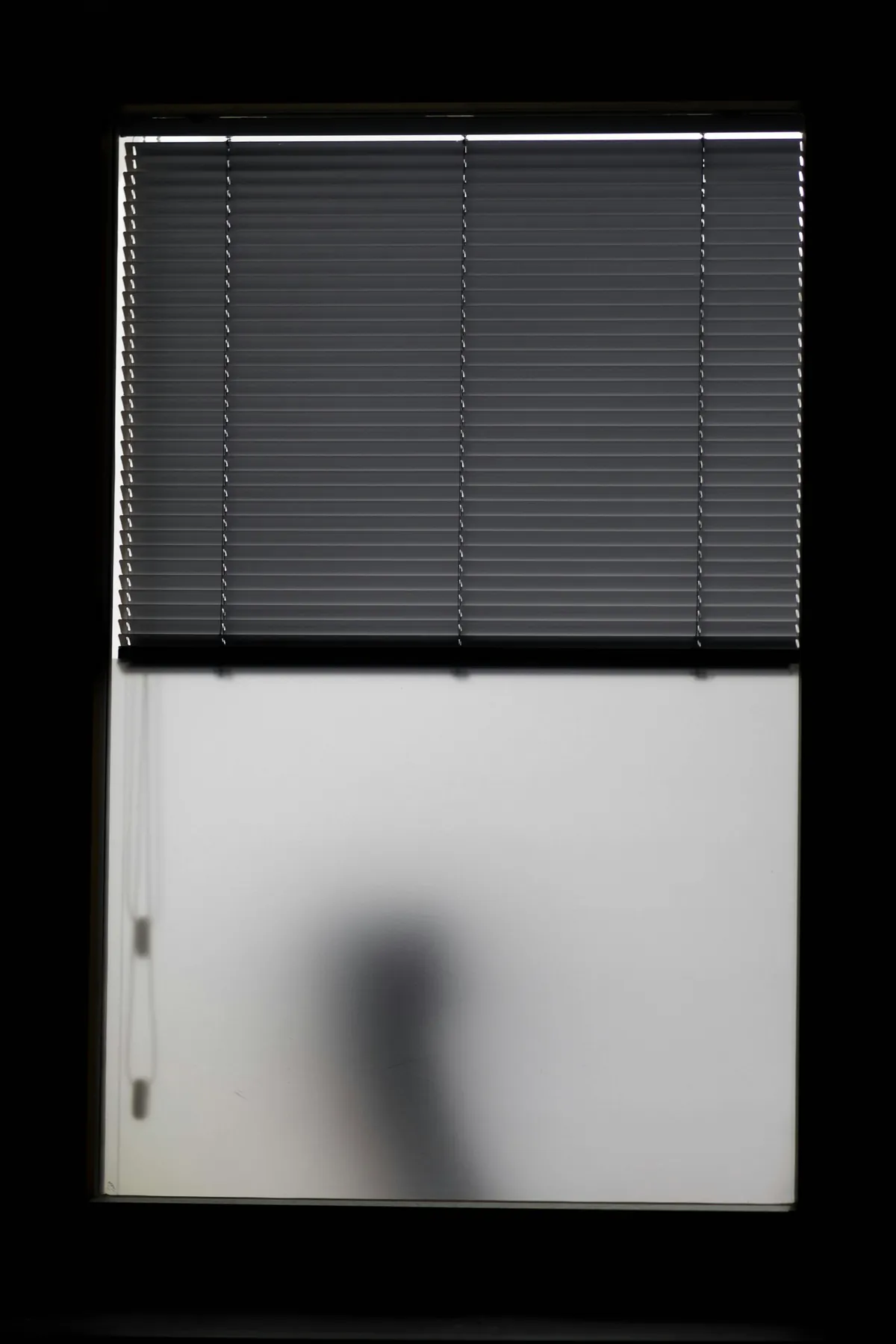
For narrow mill-house sash
Slim slats on a low-profile rail stay in proportion on a small opening and clear the pane when drawn up. Each is cut to its own window, odd sizes and all.
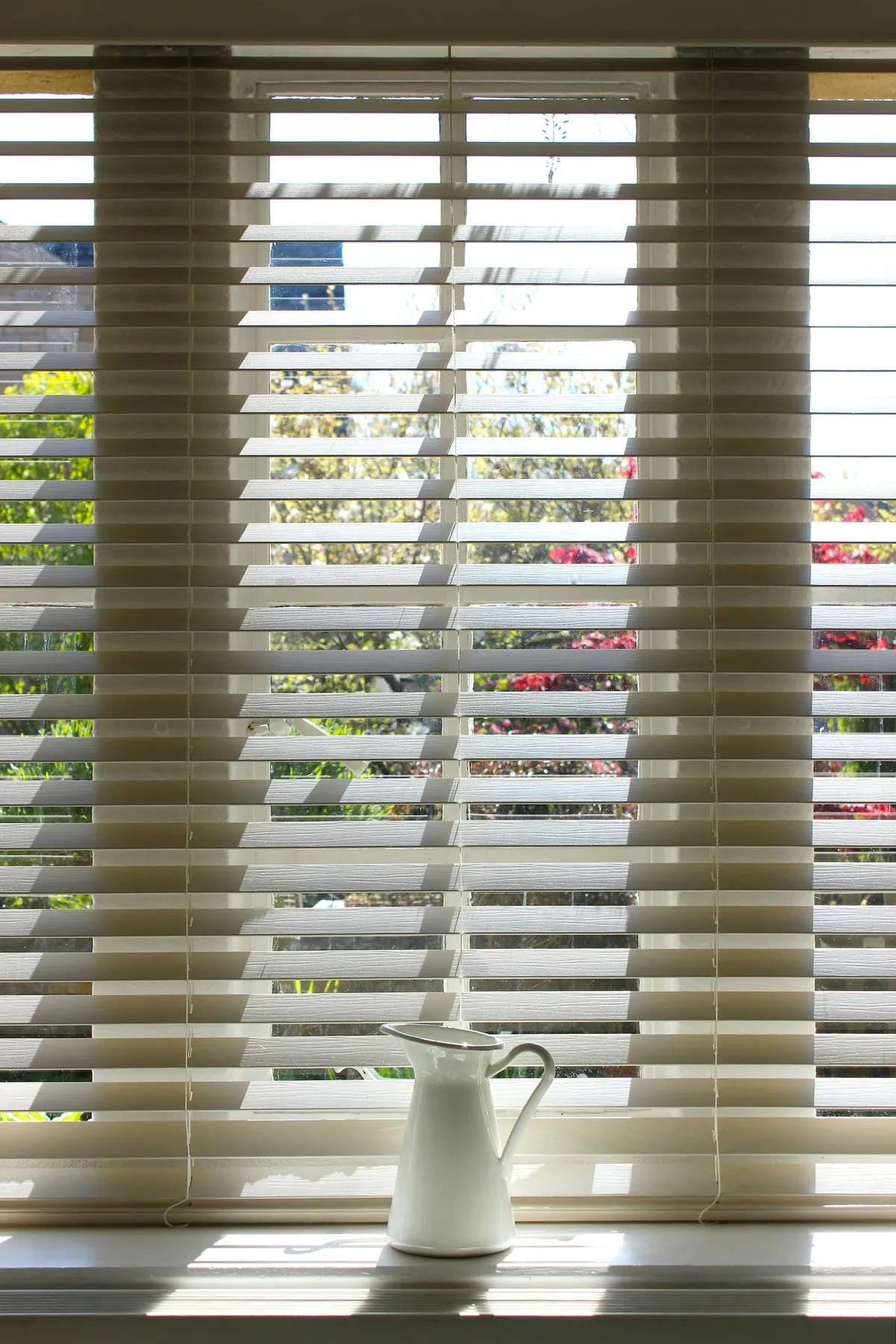
For a colonial’s long list of windows
The same finish repeated at every opening, so a big house looks settled from the road and each room still suits its use.
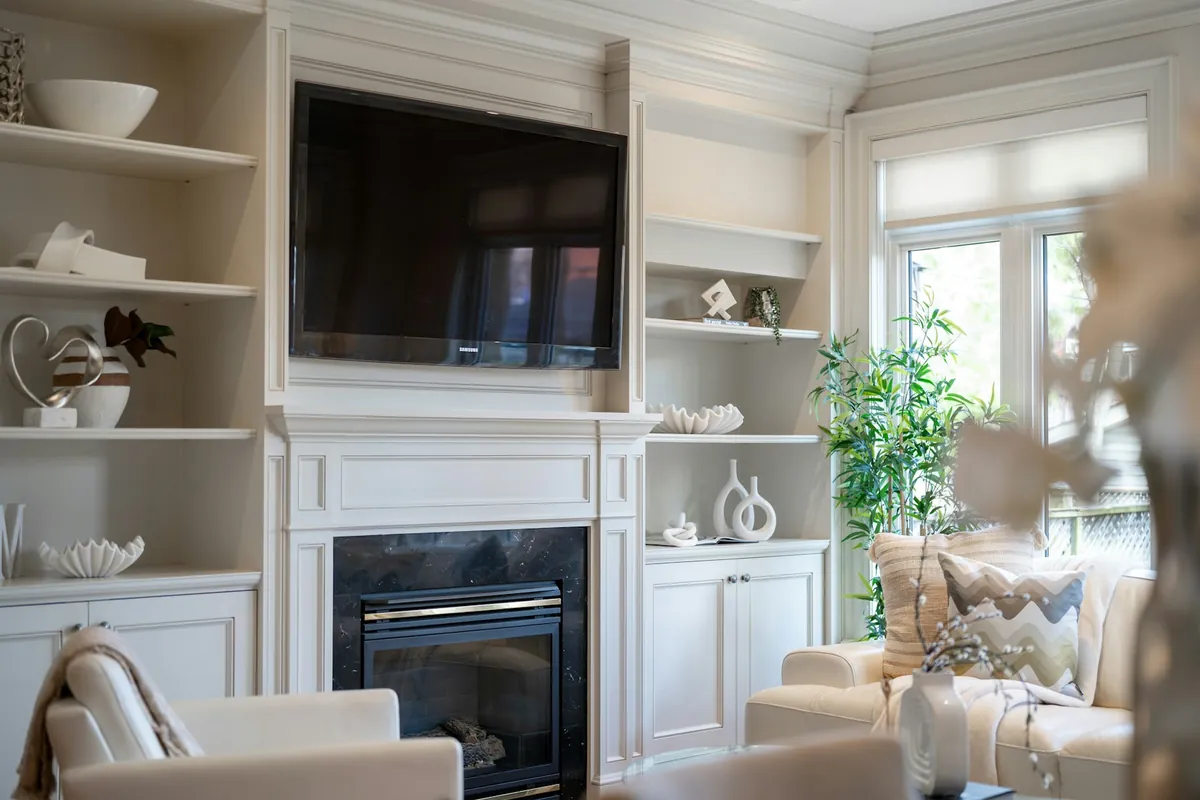
For wide glass on a big lot
Cloth shades that take the glare off a sunny family room while the yard and the trees stay in sight.
Mill Housing in Lonsdale and Manville
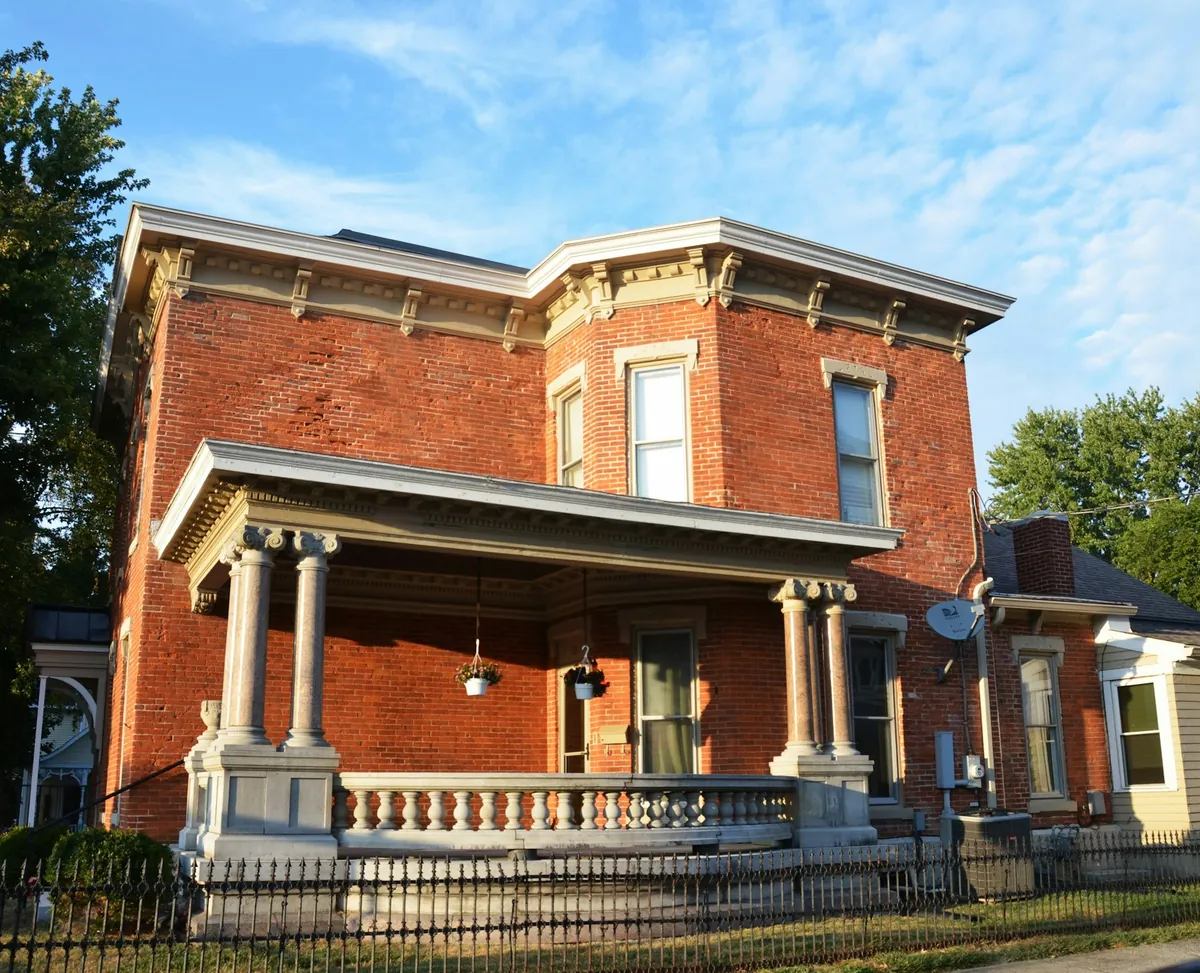
The mill houses of Lonsdale and Manville have modest rooms and narrow windows, and their original openings are the thing to plan around. Some have been updated over the years and others kept much as they were, but in nearly all of them the frames were made by hand and have moved since.
No two openings alike
In this housing, a pair of windows that look matched from the doorway can turn out different once a tape is on them. Settling, old repairs and hand-built frames all leave their mark. So nothing is assumed. We take the width near the head, the middle and the sill, and the height on the left and right, then make the blind or shade to the smallest figure. That is how a treatment ends up snug in a frame that is not quite square, without a bright sliver at one edge.
Keeping hardware light
The narrower the window, the more the hardware shows. A deep headrail looks top-heavy on a small sash, and a thick stack of slats can hide a real share of the glass once raised. A slim slat and a low headrail keep the proportions right. On the very smallest openings, such as a pantry or a bathroom window, a fabric shade that rolls into a neat band can be tidier still.
Fitting within the casing
The trim in a mill house is usually plain and sturdy, and it looks best left on show. Setting the treatment inside the frame does that, and it also keeps it out of the way of a radiator or a chair set close to the wall, which happens often in smaller rooms. Before planning an inside fit we check that the reveal is deep enough and that no sash lock or lift sits in the way.
Living close to the next house
Mill housing was built close together, so a good number of windows look straight at a neighbour’s siding or windows a short way off. These openings want cover for most of the day, and a translucent fabric is the easy answer: it can stay lowered, still lets daylight through, and hides the room from outside. A bathroom on that wall is better served by a faux wood blind, which takes the steam.
Upstairs in a small house
The upper rooms of a mill house can have low ceilings and windows set just under the eaves. There may be barely a hand’s width between the top of the frame and the ceiling, which rules out anything bulky. A compact rail and a slim slat or roll fit where a larger product would not. In a bedroom, a darkening cloth makes the most of a small room that catches the early light.
Newer Colonials Around Lincoln Woods and Breakneck Hill
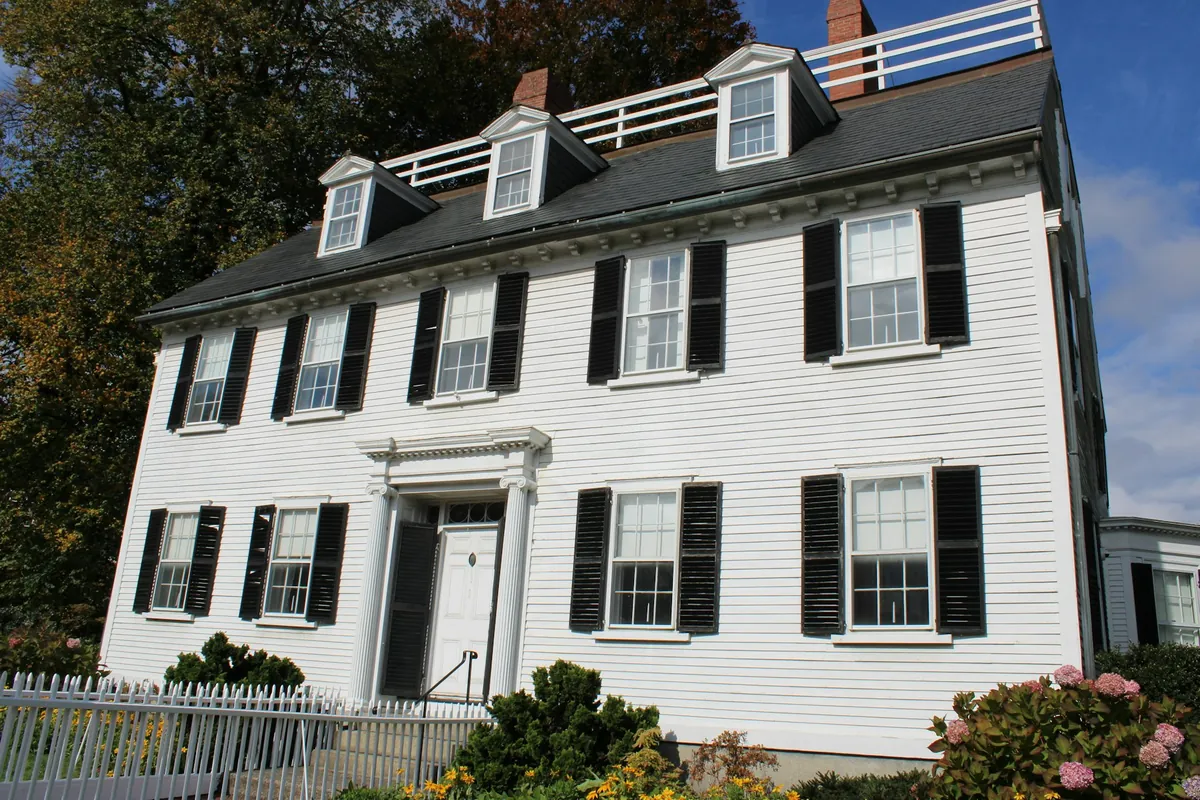
The newer colonials near Lincoln Woods and Breakneck Hill flip the problem round. Here the frames are true and the sizes standard, so getting a good fit is simple. What takes thought is the sheer number of openings. Between the formal rooms, the family room, the kitchen, a study, the bedrooms, the baths and the stair, nearly every room has two or more windows, and every one of them will be seen.
A small family of treatments
The surest way to avoid a patchwork house is to pick a few treatments and use them throughout. A common plan is shutters or one style of blind in the living and dining rooms, a matching faux wood in the kitchen and baths where moisture is a factor, and darkening shades in the bedrooms, all sharing one colour. Each room gets what suits it, and from outside the house looks like a single decision.
The street face
A colonial’s front is symmetrical, with matching windows either side of the door on both floors. Every one of those front windows should share colour and style, and every rail should line up across the façade. We measure the front as a group and plan it as a set, so the house looks composed from the road even before you step inside.
Spreading the cost over time
Covering every window in a big colonial at once is a large order, and it is common to begin with the most used rooms and come back for the rest. That works well as long as the whole house is planned up front. When we plan Norman blinds in Lincoln, RI for a colonial of this size, we can measure every window on the first visit, settle the family of treatments, and quote it in stages. When you come back for the next rooms, the finish and colour are already on file, so they match.
The family room and its door to the deck
At the back of most of these houses is a family room joined to the kitchen, with a slider or French doors to a deck. The windows here are seen together, so one fabric or one slat across all of them keeps the space calm. The door wants its own solution, because the handle and the track have to stay free: a shade mounted high and raised out of the way during the day, or a panel track or verticals that slide aside. You can read about those on our vertical blinds in Lincoln page.
A study and a home office
Many colonials have a study off the front hall, and plenty of owners now work from one. Daylight is welcome in a study, but glare on a screen is not. Wood slats tilted so the light goes up onto the ceiling fix that without darkening the room. If the desk faces the window, a light-filtering shade does the same job more softly.
Bedrooms over two floors
The bedrooms in a newer colonial are usually generous, with windows on two walls in the bigger ones. Darkening shades suit them, or shutters if you prefer the look. The rooms at the front share the street face, so their treatment should agree with the rooms downstairs. The extra room over the garage, often with a sloped ceiling and a small gable window, takes a slim blind or shade that fits under the slope.
Large-Lot Houses Off Great Road
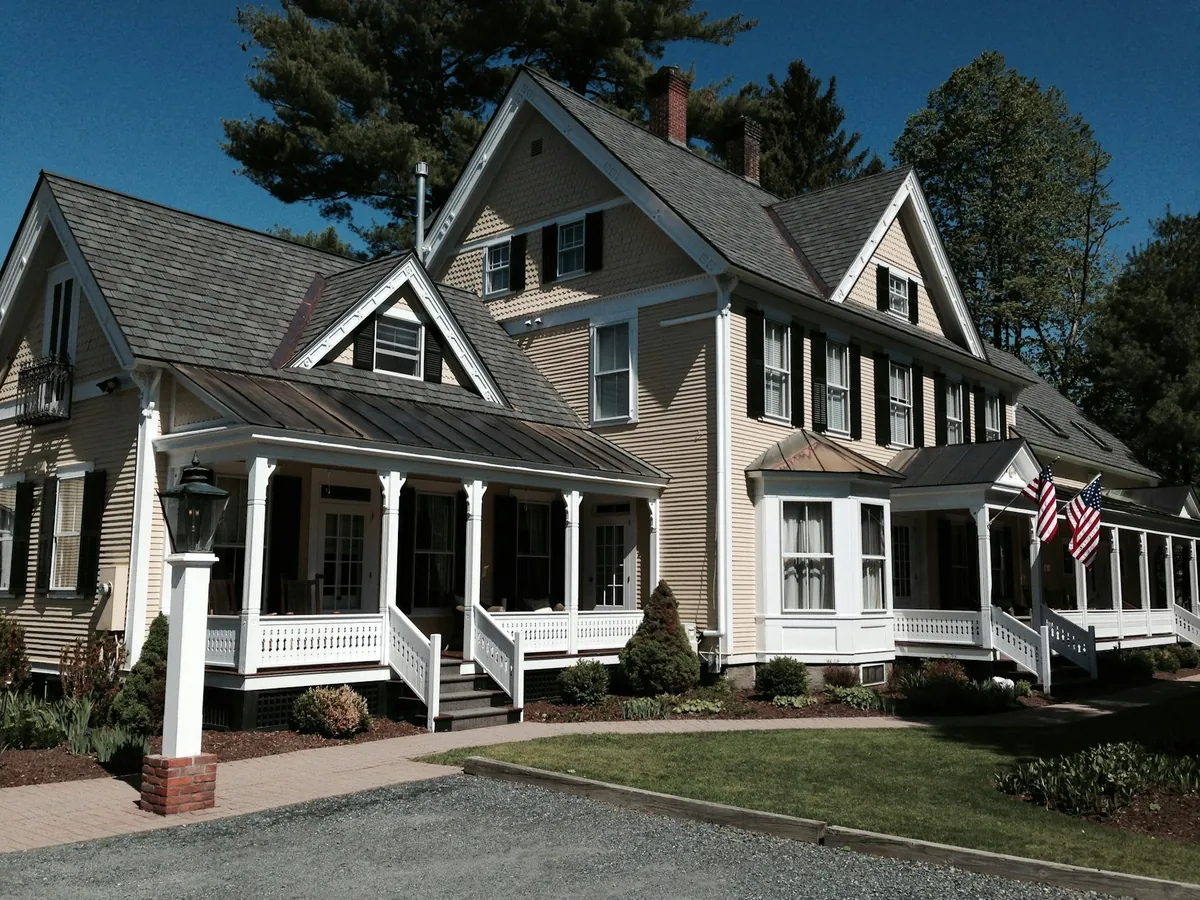
Off Great Road the houses stand on larger lots, and the windows are often bigger, with long runs of glass at the back looking out over lawns, fields or trees. The street is further away, so privacy from the road is less of a concern. Light becomes the main subject.
Sun across a big room
With few neighbours and trees close by, a room can take full sun for much of the day. Tilting slats so the light goes up to the ceiling keeps the room bright and stops the glare. A translucent shade softens the brightest hours and keeps the view of the lawn and the trees. In a room facing west, a heavier cloth for the late afternoon makes evenings far more pleasant.
Size and how it is worked
Big windows mean big treatments, and a wide blind or shade has to rise without a struggle. We choose a lift that stays smooth across the full width and set the controls where you can reach them without moving furniture. For a high window over a stair or a tall pane in a double-height room, motorised operation by remote or wall switch is the tidy answer. Our motorised blinds in Lincoln page explains more.
Leaving the view alone
On a big lot the outlook is usually the reason for the window. A treatment that draws right up off the glass, or tilts open almost flat, gives you the view whenever you want it. Shutters with wide louvres show more of the outside when open than narrow ones, which suits a room that faces a garden or a field.
Porches and sunrooms
Houses on larger lots often have a screened or glazed porch, or a sunroom, with windows on three sides. These rooms can heat up fast on a summer afternoon. A row of matching shades, each cut to its own window and lined up at the same height, keeps the room usable and makes it look finished from the garden. A translucent cloth keeps the room feeling bright; a denser one makes it cosier in the evening.
Choosing Norman Blinds in Lincoln, RI: Three Houses Compared
It helps to see the three house types side by side, because the same product can be the right answer in one and the wrong one in another.
- Mill house in Lonsdale or Manville. The priority is fit. Each narrow opening is its own size, so careful measuring matters most, followed by slim hardware and an inside fit to keep the trim on show. Privacy from close neighbours shapes the fabric choice.
- Newer colonial near Lincoln Woods or Breakneck Hill. The priority is consistency. Fit is easy, but the number of windows means a clear plan across the house, one colour, and a sensible order of rooms.
- Large-lot house off Great Road. The priority is light. Big windows and open outlooks call for treatments that tame the sun, keep the view, and are easy to work on a wide or high pane.
Thinking about Norman blinds in Lincoln, RI this way keeps the decisions simple. Once you know which of the three problems your house mostly has, the right part of the range usually picks itself, and the showroom is where you confirm it with the samples in your hand.
Light and warmth through the year
Lincoln’s houses face the same seasons whatever their age. In summer, the aim is to keep the hottest rooms comfortable without shutting out the day; in winter, it is to hold on to warmth in the evening. A treatment that closes snugly inside the frame helps on both counts, trapping still air against the glass. Fabric shades and shutters do this especially well, and in a mill house with older windows the difference on a cold night is easy to feel. If warmth is a priority, our cellular shades in Lincoln page covers the honeycomb shades made for it.
The Way an Order Runs
You will hear from us at each stage, and one team handles the measuring and the fitting.
- Phone the store or use the form. Tell us roughly how many rooms you have in mind, and we set up a free quote.
- A specialist comes to the house to record every window, noting depth, any obstacles and, in older houses, every irregularity.
- If you like, you look at the Norman range in our Swansea showroom and handle the options.
- We agree on the treatment family for the house, then the detail for each window.
- You receive a quote with each opening on its own line, split into stages if that suits.
- The order is made to the figures from your house, and our installers fit it, test each piece and show you how it all works.
Measuring a mill house and a colonial differently
The measuring visit itself differs between the two. In a mill house we spend longer on each window, taking several readings and noting every quirk. In a newer colonial the windows are quicker to measure, but there are more of them, so we work room by room and keep a clear record of each opening for the quote and for any later stages.
Adding drapes to the plan
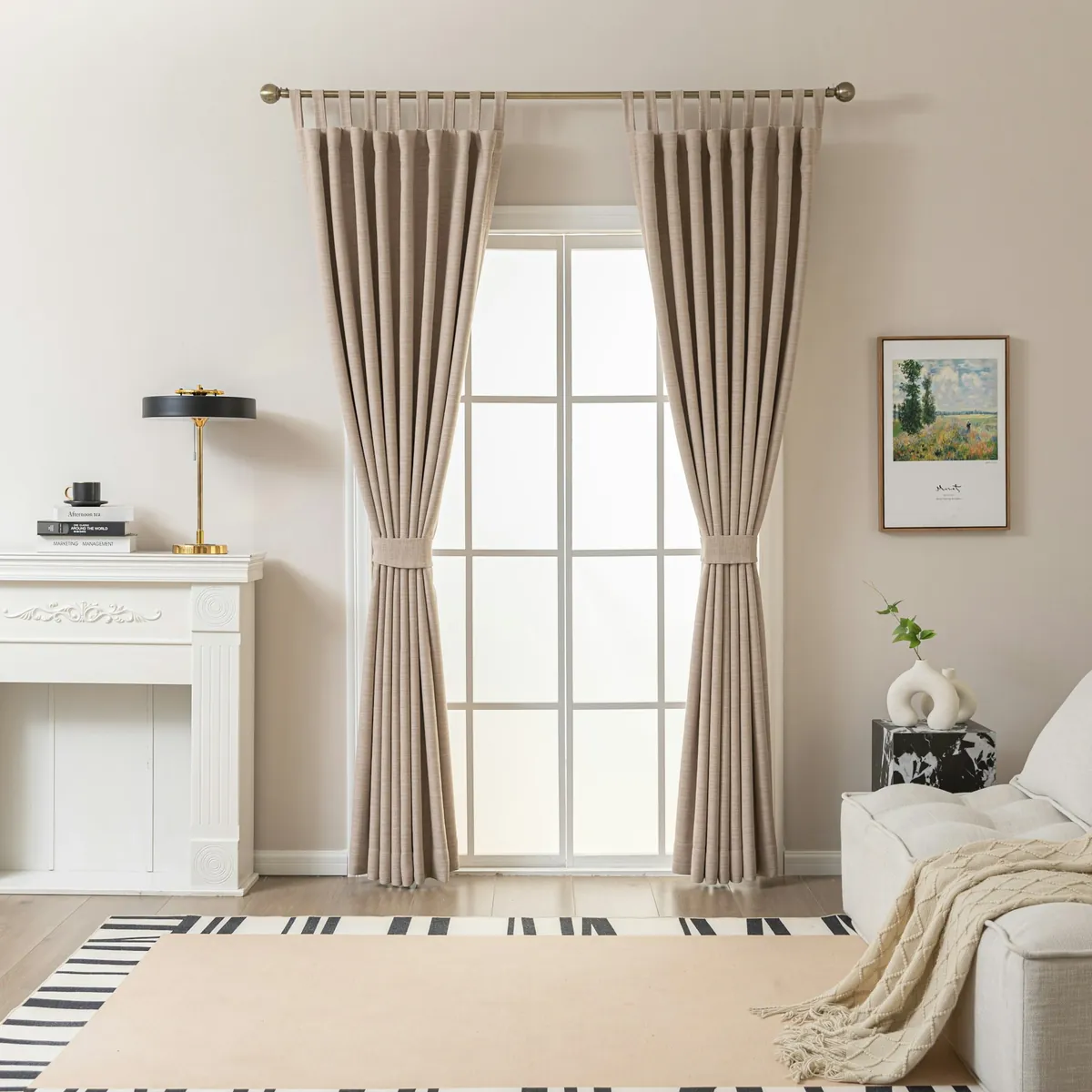
A colonial’s living and dining rooms often look best with drapery hanging beside the window, and a mill house parlour can be warmed up the same way. With a Norman blind or shade behind, the drapes are there for colour and softness, and the blind does the daily work. The store sews drapery too, so one visit covers both, and the fabrics and finishes are chosen side by side. See our drapes in Lincoln page for that side of the work.
A Swansea Family Business
Window Works opened in Swansea in 1988 and is still run by the family, now the second generation. In over 37 years we have measured and fitted blinds, shades and shutters for houses from the Massachusetts SouthCoast up through Rhode Island’s East Bay towns.
- Specialists in window treatments, with years of practice on old and new houses alike
- Our own measuring visit and our own installers
- We keep you posted until the work is done
- Warranties are offered on what we sell
- Drapes and fabric decor made in the same store
You can try the Norman range at the Swansea showroom. The Norman blinds and shades page tells you more.
Questions from Lincoln
My mill house windows are all slightly different sizes. Is that a problem?
Not at all. Each window is measured on its own and each blind or shade is made to that opening, so odd sizes fit neatly.
How do I stop a large colonial looking pieced together?
Pick a few treatments in one colour and repeat them, so the main rooms, the wet rooms and the bedrooms each have their own type but the house still matches.
Can I do a big house a few rooms at a time?
Yes. We measure the whole house first, agree the plan, and quote in stages. Later rooms are made to match the first.
What suits a big window facing open ground?
Slats that tilt the light up to the ceiling, or a translucent shade, deal with strong sun and keep the outlook. For windows out of reach, motorised operation is an option.
Is the quote free?
Yes, and it lists every window.
Get Your Free Quote
Press the call button and you reach the Swansea store, where you can ask about Norman blinds in Lincoln, RI, set a time for measuring or talk through installation. If writing suits you better, send the form. To try the range first, come by the showroom; the route is on our contact page. Window Works is rated 5.0 on Google.