
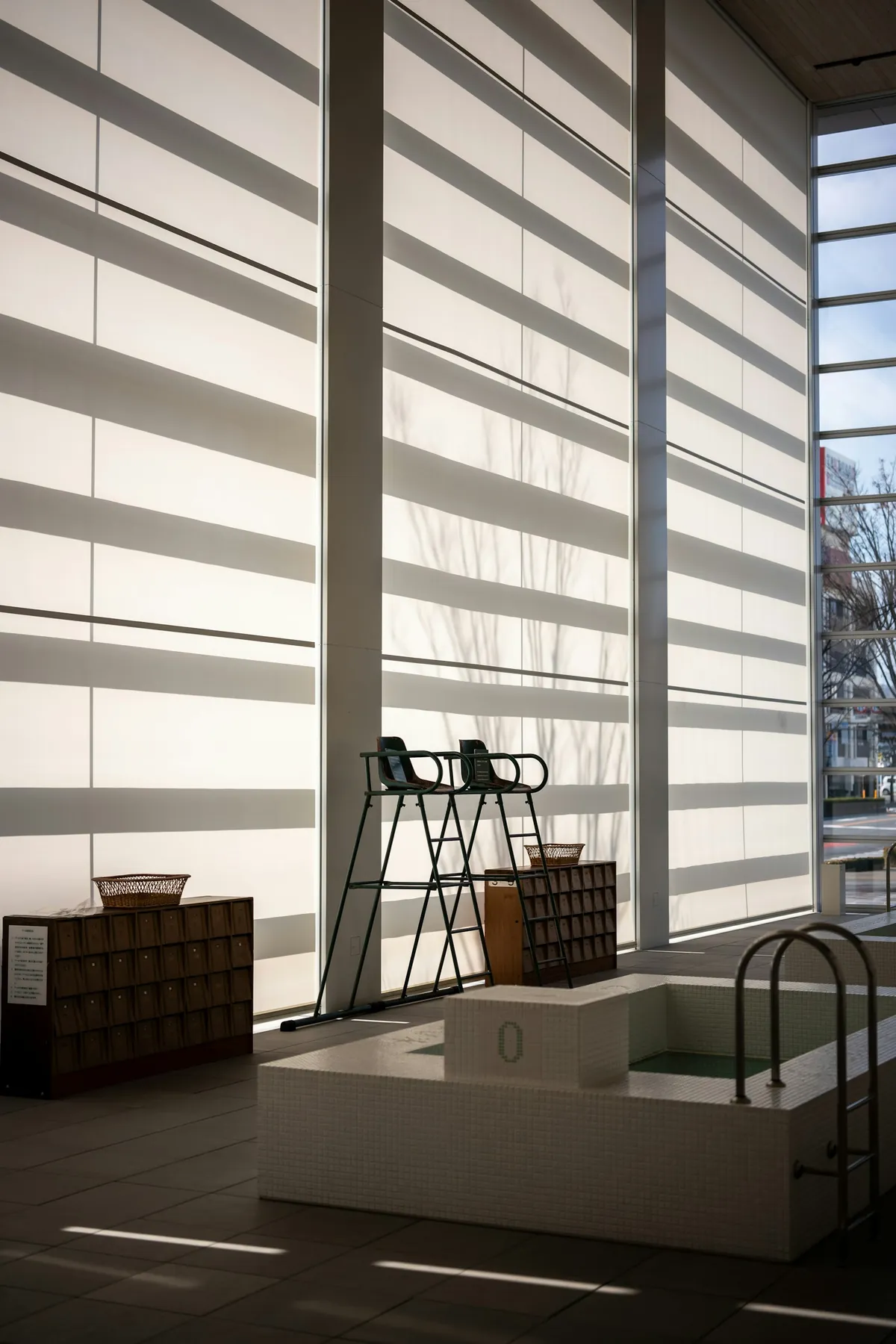
Length and Privacy Before Width in Pawtucket
Pawtucket’s windows are tall and narrow. In the Victorians of Oak Hill and Quality Hill and in the mill-era three-deckers off Broadway, the double-hung sash run high up the wall, and the houses stand close together, so the window beside your sofa may face the window beside your neighbour’s. Length and privacy matter more here than width, and that is the exact problem motorized blinds in Pawtucket, RI are good at solving. A long shade on a tall window is hard to lift to the top by hand and easy to leave stuck at one height. With a motor, it travels the full drop smoothly, and you can stop it wherever privacy needs it.
Each house is still its own job. A Quality Hill parlour, a three-decker bedroom and an Oak Hill stair hall all have different reasons to want a powered shade.
- Remote or wall-switch operation, or both
- Made to every tall, narrow opening in the house
- Measured at your house; fitted and set up by our installers
Three Reasons Pawtucket Windows Suit a Motor
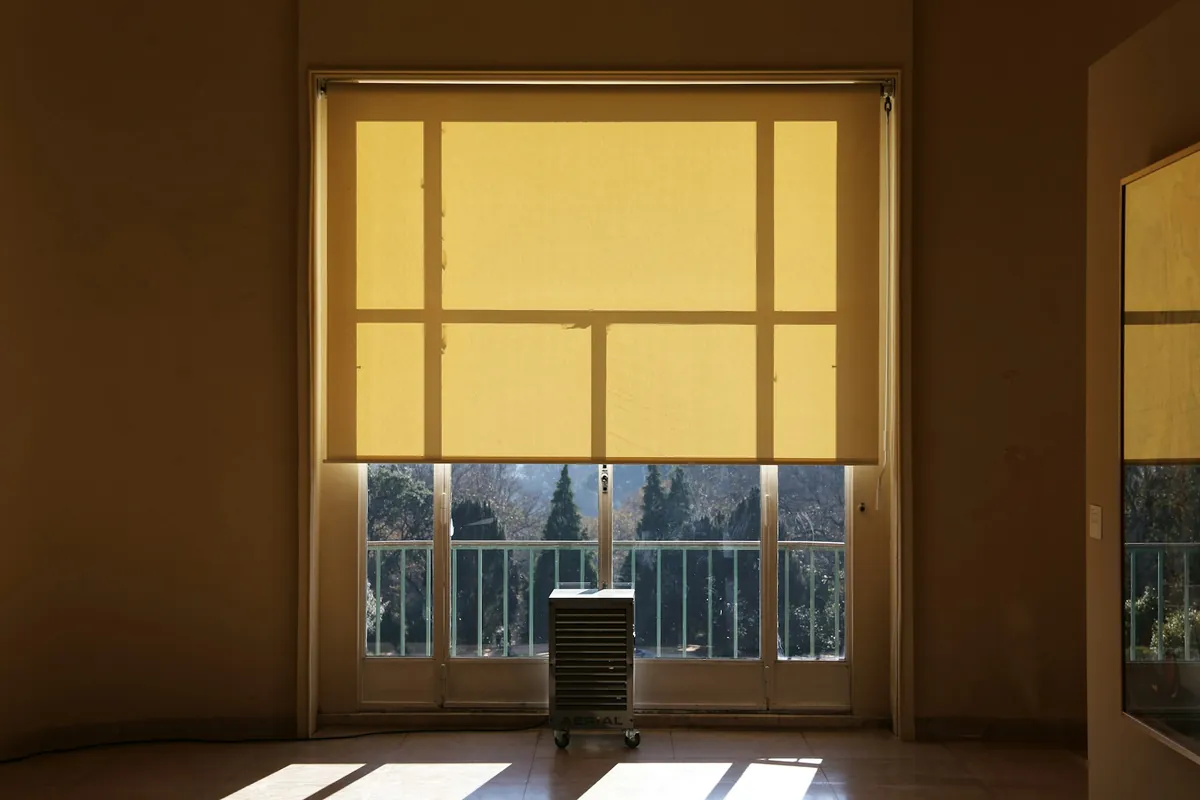
The full length of a tall sash
A long shade lifted by hand rarely reaches the top. A motor carries it the whole way up and brings it down again level.
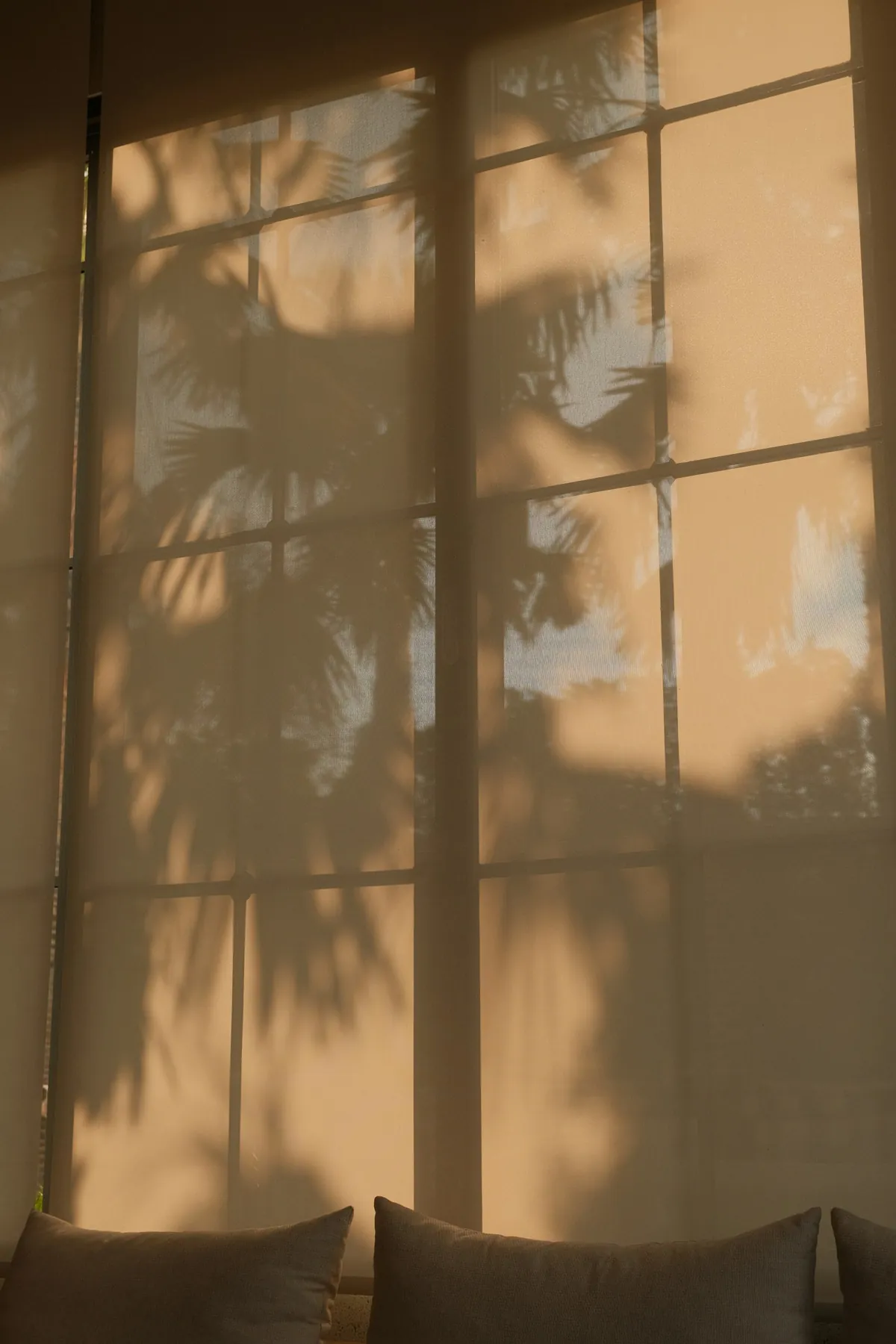
Stopped where you need it
Lower a shade just far enough to cover the view in from next door, and leave the top of the window open to the sky.
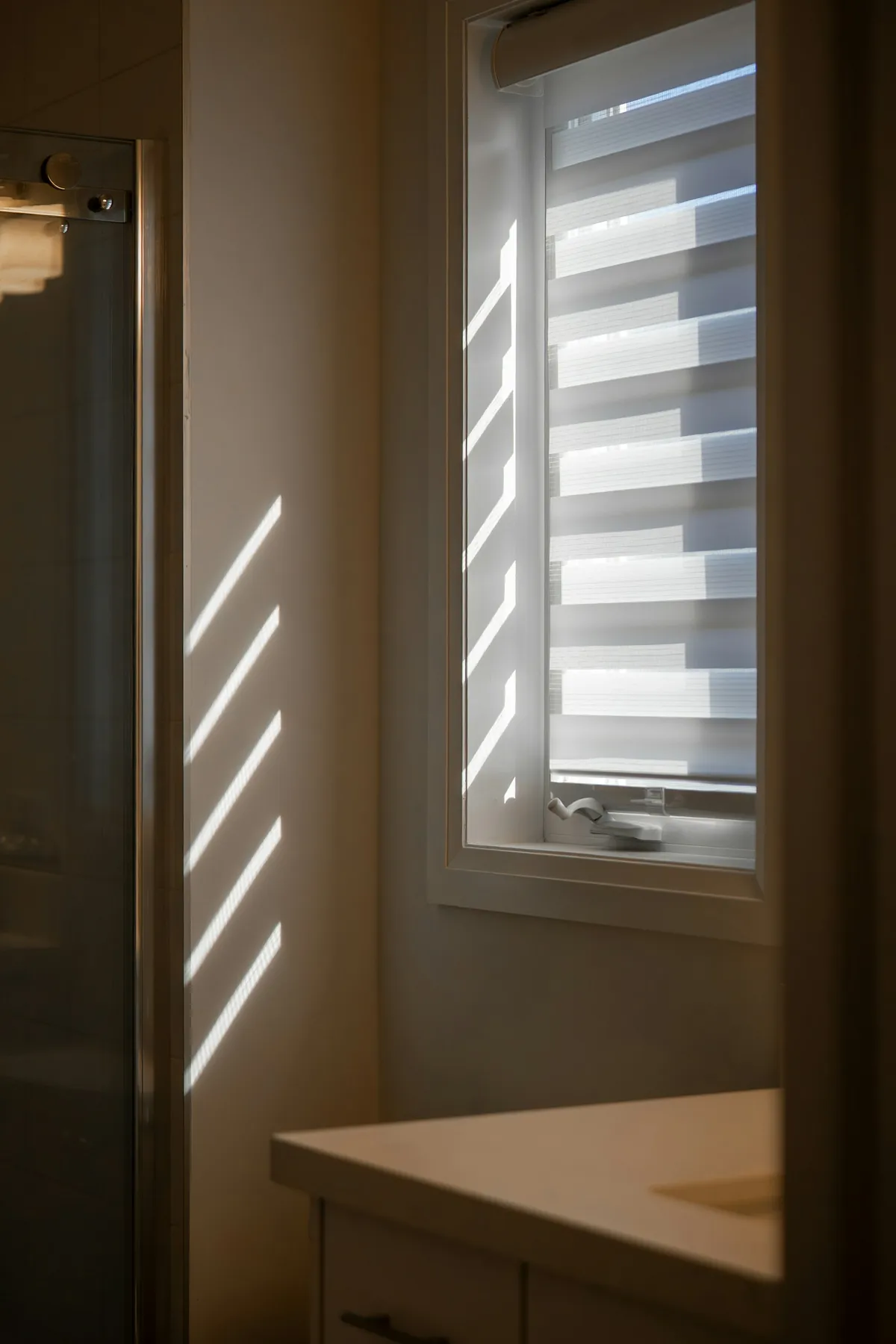
Narrow windows in a row
Two or three slim windows side by side, each with its own shade, all brought down together at dusk.
Planning Motorized Blinds in Pawtucket, RI for Tall, Narrow Windows
The first thing we look at when planning motorized blinds in Pawtucket, RI is the shape of the windows. A tall, narrow double-hung window behaves differently from a wide picture window, and the treatment has to suit it.
Why length is the hard part
Width is easy on a narrow window: the shade is slim, light and simple to make to the frame. Length is the challenge. A sash that runs from near the floor to well above head height needs a shade with a long drop, and a long shade raised by hand means a long cord and a long pull. In practice, people raise it as far as is comfortable, which is rarely all the way, and the top of the window stays covered even on a dull day when the room needs every bit of light.
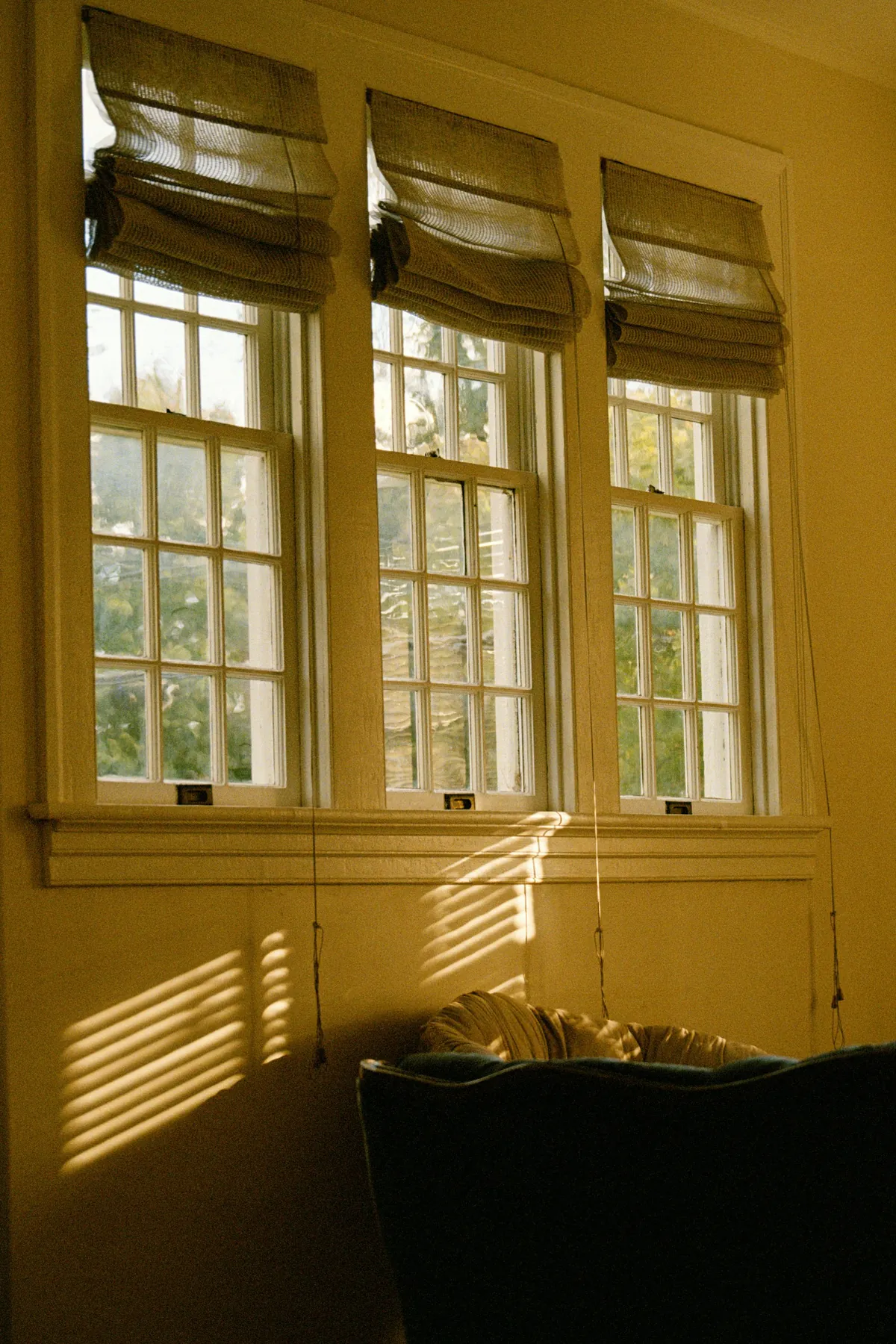
A motor removes that compromise. The shade rises to the very top of the frame every time, so a tall window gives the room all the daylight it was built to let in. When it comes down, it comes down level and stops at the same point as the windows beside it, which matters in a parlour with two or three tall windows in a row.
Privacy in a close-set street
In the close-set streets of Oak Hill, Quality Hill and the blocks off Broadway, a side window may face another house only a short distance away, and a front window may sit just above the sidewalk. Privacy is part of almost every conversation. The useful thing about a powered shade on a tall window is that you are not limited to fully up or fully down. You can lower it just past the point where the view in from next door or from the street is cut off, and stop it there, leaving the upper part of the window clear for light.
That middle position is the one most often lost with hand-operated shades, because finding it again each day means fiddling with a cord. With a remote, it takes a moment. Many households end up using that partway position for most of the day and lowering fully only at night.
Fabric that keeps the room bright
Because privacy and light compete so closely in these houses, the fabric matters as much as the motor. A light filtering fabric lets the room stay bright while softening shapes, so even a fully lowered shade keeps the room glowing in the daytime. A room darkening fabric is the choice for bedrooms that face a street light or a neighbour’s porch. We go through the options for each room, and you can see and handle them at the Swansea showroom before choosing.
Victorians on Oak Hill and Quality Hill
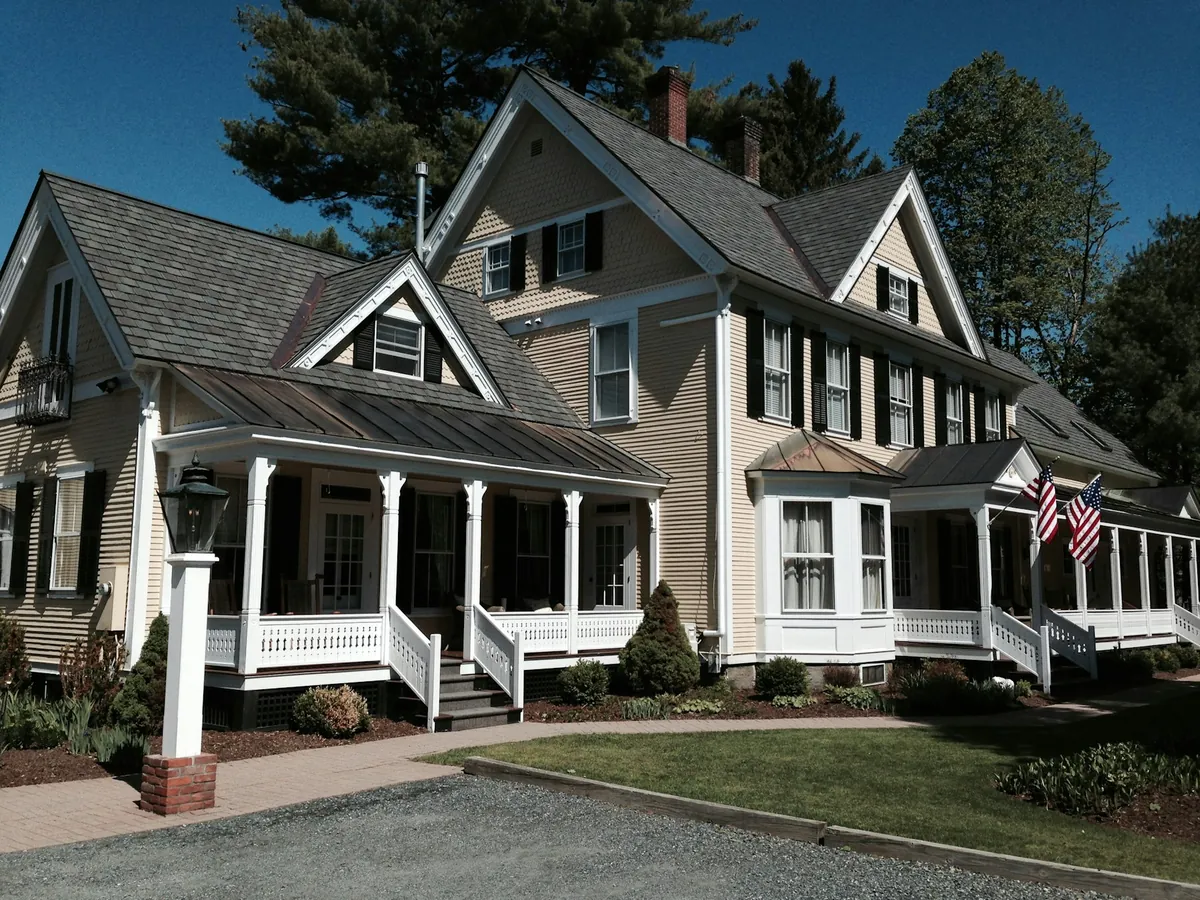
The Victorian houses on Oak Hill and Quality Hill were built to impress, with tall ceilings, tall windows, bays, porches and grand staircases. They are lovely to live in and a real test for window treatments.
Parlours and dining rooms
On Oak Hill and Quality Hill, the formal rooms at the front carry the grandest sash in the house. Picture a parlour with a pair of slim windows flanking the mantel: lower one shade a little further than the other and the whole room looks off balance. A motor keeps a matched pair matched, because each shade travels to the point you choose and lines up with its partner. If you like drapery in these rooms, it can stay fixed at the sides as a frame for the window while a powered shade tucked behind it handles light and privacy. That avoids the familiar business of reaching through heavy folds for a cord. Since we also make drapes, the panels and the shade can be planned as one scheme.
Bays and turrets
A Victorian bay is several tall, narrow windows meeting at angles, and each one gets its own slim shade, with the headrails joined cleanly at the corners. Powered, the bay can be closed as a set in the evening instead of window by window. Turret rooms, where the wall itself curves, are a special case that we assess in person before recommending a treatment.
The stair window
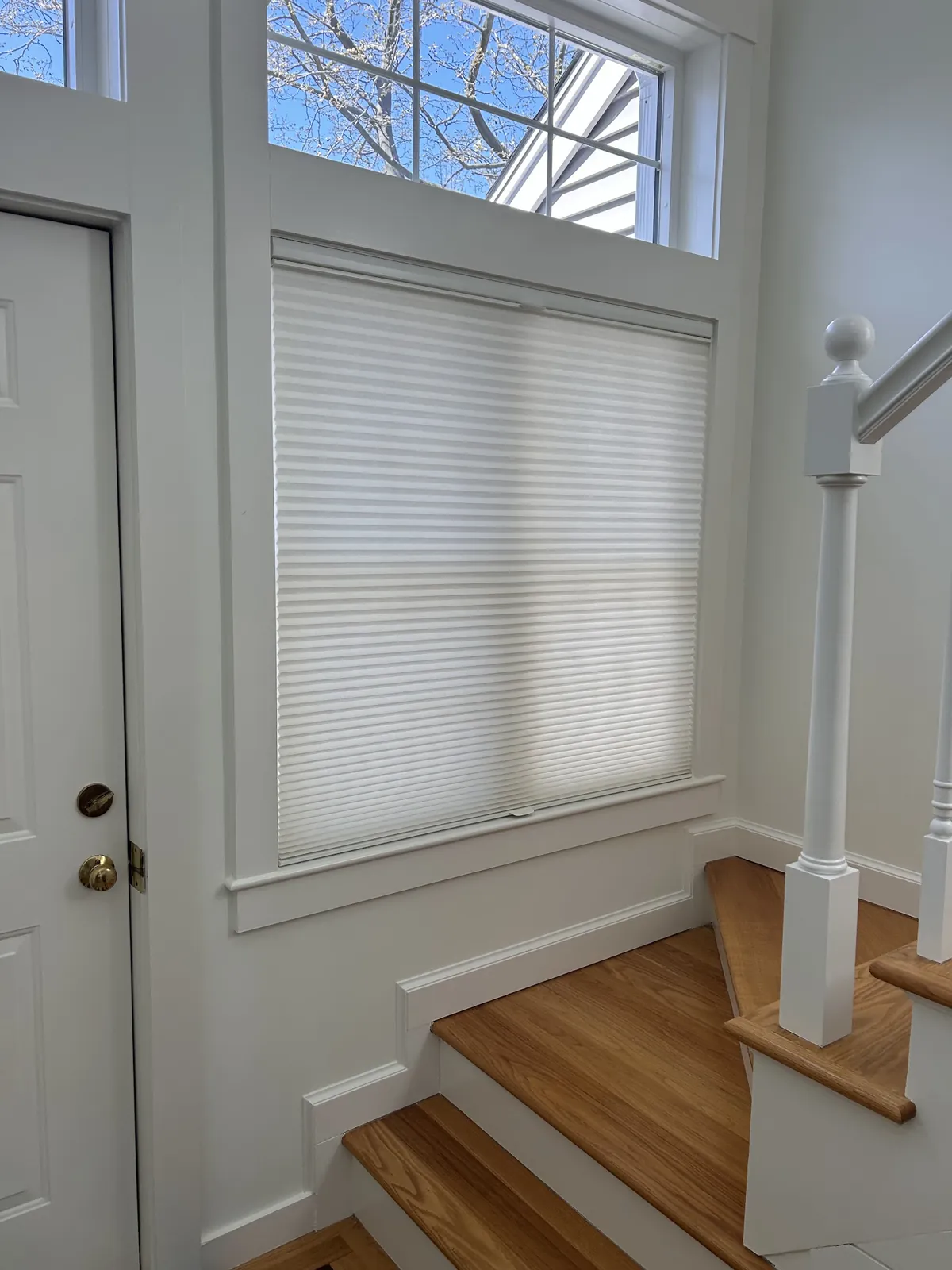
A Victorian staircase often climbs past a tall window on the landing, sometimes with coloured glass at the top. That window is almost impossible to reach from the stairs and is often left bare, which leaves the hall exposed after dark. A powered shade with a switch at the bottom of the stairs dresses it at last. Where the top of the window is decorative glass you want to keep on show, the shade can be planned to cover the plain glass below it.
Upper floors and attic rooms
The upper floors of a Victorian carry bedrooms with windows nearly as tall as the parlour’s, and many houses have a finished attic room with windows set into gables or dormers. Those attic windows are small and hard to reach past sloping ceilings, so they are a good candidate for a motor run from the bedside.
Three-Deckers off Broadway
The mill-era three-deckers off Broadway stack three floors of living space, each with the same layout. Their windows are tall and narrow, like the Victorians’, but the rooms are smaller and the houses closer together, so privacy becomes the main concern.
Front rooms above the sidewalk
On the first floor of a three-decker, the front room sits just above street level, and passers-by can see straight in after dark. On the upper floors, the front windows look across at the floors of the house opposite. In both cases, the shades in the front room come down every evening and go up every morning. A switch by the front room door makes that routine second nature: lamps on, shades down.
Side windows facing next door
Three-deckers sit close to their neighbours, and the side windows of the middle rooms often face a wall of windows across the way. Those rooms need privacy through much of the day, which is where stopping a shade partway really helps. Lowered to cover the lower sash, a shade on a tall side window blocks the view across while the upper glass still lets daylight into the room.
Replacement windows in older frames
Over the years, many of the original sash in the three-deckers and Victorians have been swapped for replacement windows set into the old openings. That often changes the depth available inside the frame, and it can leave a window a little different in size from its neighbour on the same wall. Neither is a problem as long as it is caught before anything is made. On the measuring visit we check the depth of every replaced window as well as its size, so we know whether the shade can sit within the frame or needs to mount on the trim, and we make sure a pair of windows that look alike from the street still end up with shades that line up.
Back rooms and porches
At the back, each floor usually has a kitchen and a porch, with a door that is used all day. A shade on the window over the sink, reached across the counter, is easier with a switch. A treatment for the porch door is planned so it stays clear of the handle and the swing of the door.
Street lights and bedroom windows
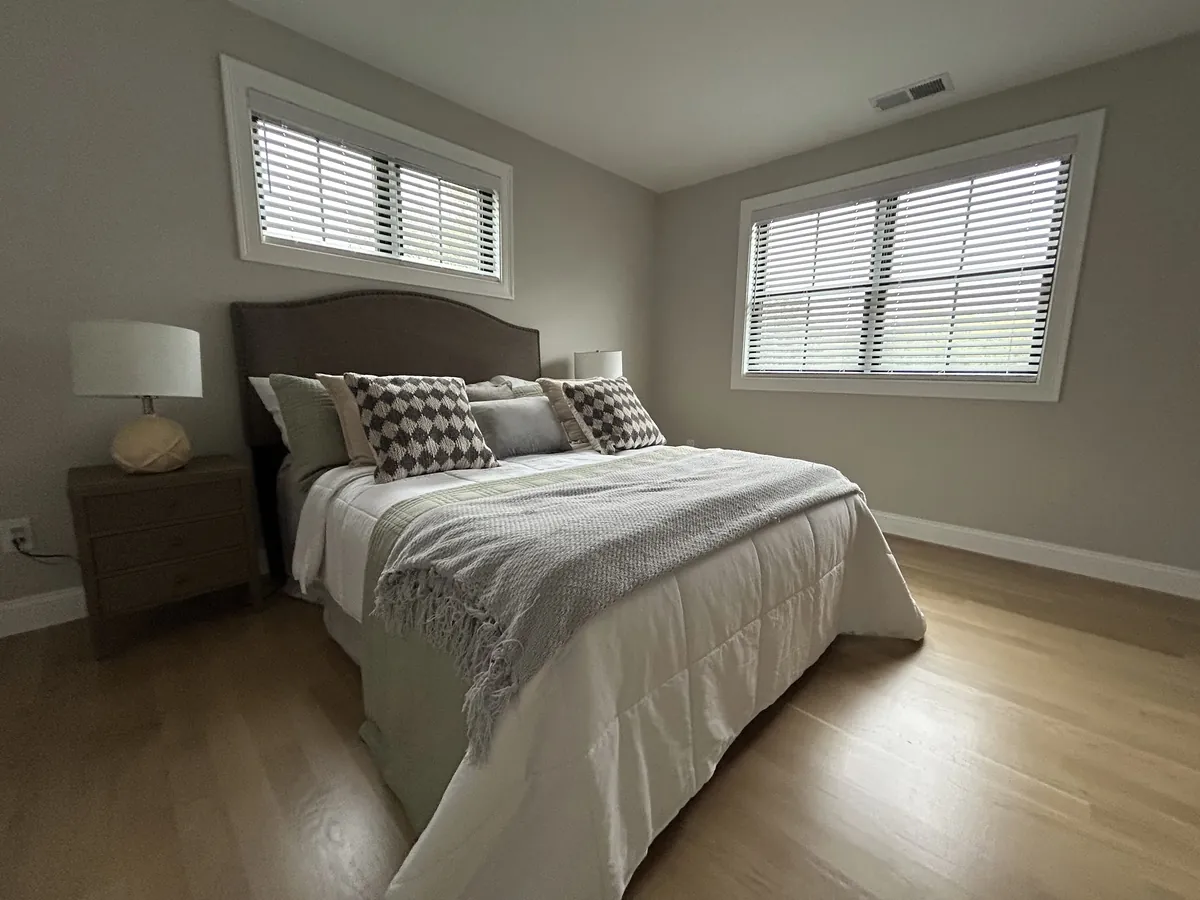
On close-set city streets, street lights and porch lights shine straight into bedrooms at night, and on a tall window that light reaches a long way into the room. A room darkening fabric deals with it, but only if the shade is lowered fully every night and raised every morning. With a remote on the night table, that becomes part of switching off the lamp. Fitted inside the frame where the depth allows, the shade sits close to the glass and keeps stray light at the edges to a minimum. For motorized blinds in Pawtucket, RI, a bedroom facing the street is often the best place to start.
Porches stacked on the front
Many three-deckers have a porch on every floor at the front, one above the other. The porch above shades the front room below, so the lower floors can be dim by day and need their shades fully raised to make the most of the light, while the top floor, with open sky above, gets far more sun. The same house can need quite different fabrics floor by floor. We look at each floor’s light separately, while keeping the look from the street consistent.
From Booking to Installation
We stay in contact from the first call until every shade is in and working. Here is the order things happen in for a Pawtucket house.
- Book a free quote by the call button or the form and tell us which rooms you have in mind, whether it is one tall parlour window or every floor of a three-decker.
- A specialist comes to measure. On tall sash, we take the full height of each window and the depth of the frame, and note anything at the top, such as decorative glass, or at the bottom, such as a radiator.
- We talk through privacy, light and the controls, room by room, and agree which windows get a remote, which get a switch and which stay with ordinary controls.
- You pick the style, the fabric and the colour, with samples to see and handle at the Swansea showroom if you would like.
- A quote arrives with every window listed, how each is mounted and how each is operated.
- Your blinds and shades are made to the measurements taken at your house.
- Our installers fit them, set up each control, run every shade to the top and back and show you how it all works.
Remote or switch on a tall window
Tall windows suit both. A switch by the door is quick when you walk into a parlour in the evening. A remote is better where you sit, such as a bedroom or a front room where you want to adjust the shade to a partway position through the day. Rooms that see a lot of use often have both.
Matching the house from the street
In close-set streets, the front of the house is on show to everyone who passes. Whatever is motorized, the shades on the street side are made in the same fabric and colour and lowered to the same line, so the front of the house looks orderly. Powered and hand-operated shades can sit side by side without anyone outside noticing the difference.
Cords off the tall windows
A tall window with a hand-operated shade has a long cord, and a long cord loops and tangles near the floor. A motorized shade has none. That keeps the window tidy and keeps loose cords away from young children and pets. The guide to cordless blinds and child safety has more on that.
Care and the odd question
Powered shades need little looking after. Dust the fabric lightly, keep the area at the foot of each window clear, and run a shade you rarely use from top to bottom now and then. If something seems off, call the store and say which window it is.
A floor at a time
In a three-decker, one floor at a time is a natural way to work, and in a Victorian, starting with the parlour and the stair window and coming back for the bedrooms is just as sensible. Later shades can match the first ones in fabric and colour, so motorized blinds in Pawtucket houses can grow room by room without the front ever looking mixed.
What Sets Window Works Apart
Window Works has been a family store in Swansea since 1988, and the second generation runs it today. With over 37 years behind it, the store serves homes across the SouthCoast of Massachusetts and the Rhode Island East Bay, Pawtucket included.
- Specialists in window treatments, experienced with tall, narrow windows
- Measuring at your house, window by window
- Installation and setup by our own team
- We keep in touch with you until the job is done
- Warranties offered on what we sell
The main motorized blinds page explains the service in full, and our Pawtucket window treatments page lists everything else we make for houses in the city.
Questions from Pawtucket
Can a motorized shade stop partway down a tall window?
Yes. You can stop it wherever you need, for example just low enough to cover the view in from next door while leaving the top of the window open to the light.
Will a powered shade reach the top of a very tall sash?
Yes. We measure the full height of every window, and the shade is made to that length, so it rises to the top of the frame each time.
What about the landing window with coloured glass at the top?
We can plan the shade to cover the plain glass below and leave the decorative glass on show. We look at it on the measuring visit.
Is it worth motorizing every floor of a three-decker?
Many owners start with one floor or one room and add more later, matched to the first. We can plan the whole building with you even if you start small.
How do I book?
Use the call button or the form on this page to book a free quote, and let us know which rooms you are thinking about.
Next Steps
Book a free quote with the Swansea store using the call button, and ask about measuring in your home or installation on the same call. The form on this page works too. Want to see fabrics against daylight first? Visit the showroom in Swansea; you will find directions on the contact page. Window Works is rated 5.0 on Google.