
The Hardest Window to Reach in Cumberland
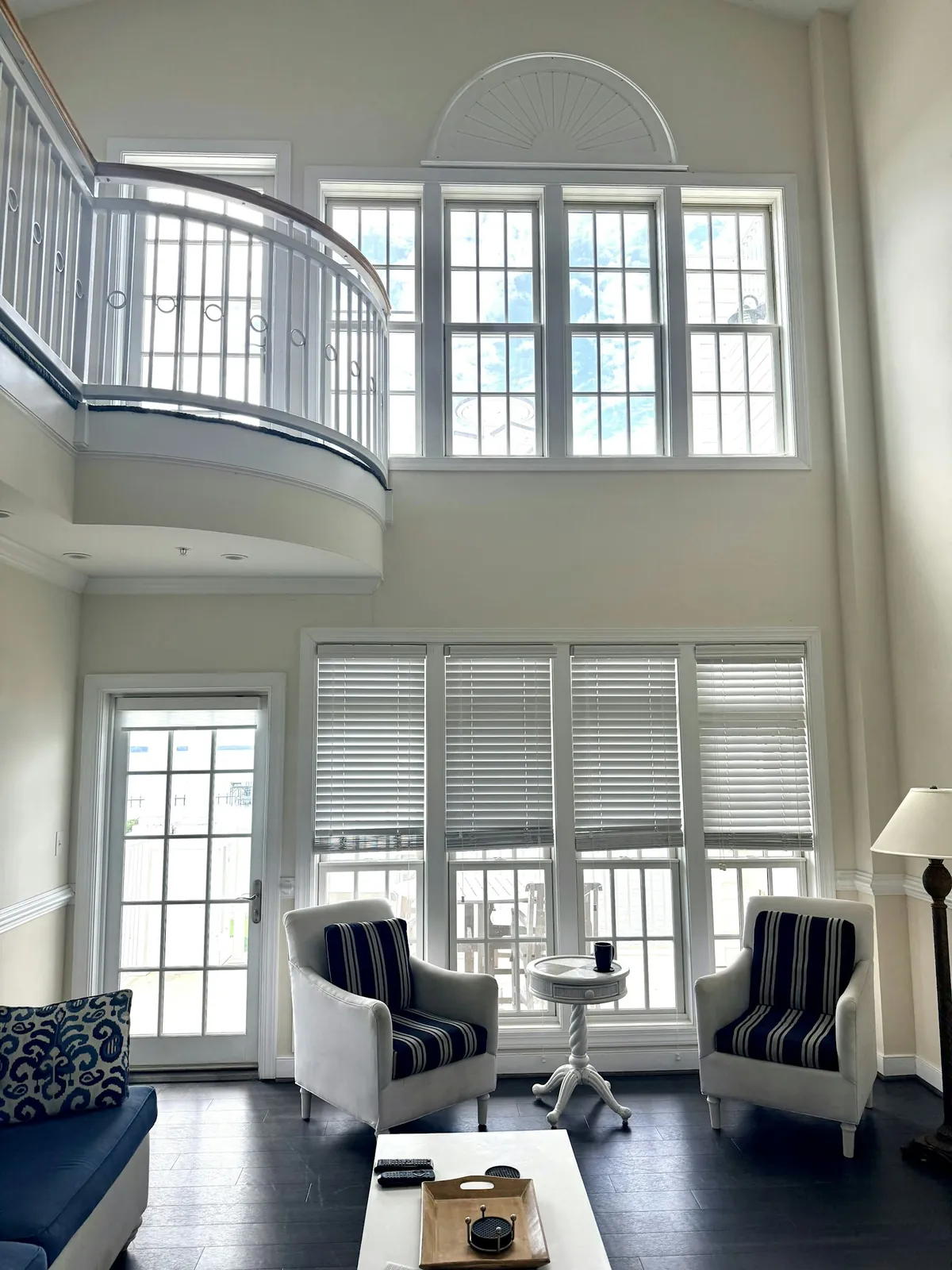
In the newer subdivisions off Mendon Road, many houses open into a two-storey entry hall, with a tall window or a stack of windows rising above the front door toward the ceiling. Those entry windows are the hardest reach in town. From the floor, the top is far overhead. From the upstairs landing, it is across an open drop. Most are left bare, which floods the hall with morning sun and leaves it on show at night. That is the window that most often starts a conversation about motorized blinds in Cumberland, RI, because a powered shade is the only easy way to cover glass that high.
The colonials around Diamond Hill and Arnold Mills, and the older housing in Valley Falls, bring their own reasons to want a motor, from bedrooms on two floors to narrow sash in mill-era rooms.
- Shades raised and lowered from a remote, a wall switch or both
- Made to each window, including the tallest in the house
- Measured at your house; installed and set up by our team
Six Places a Motor Makes Sense in Cumberland
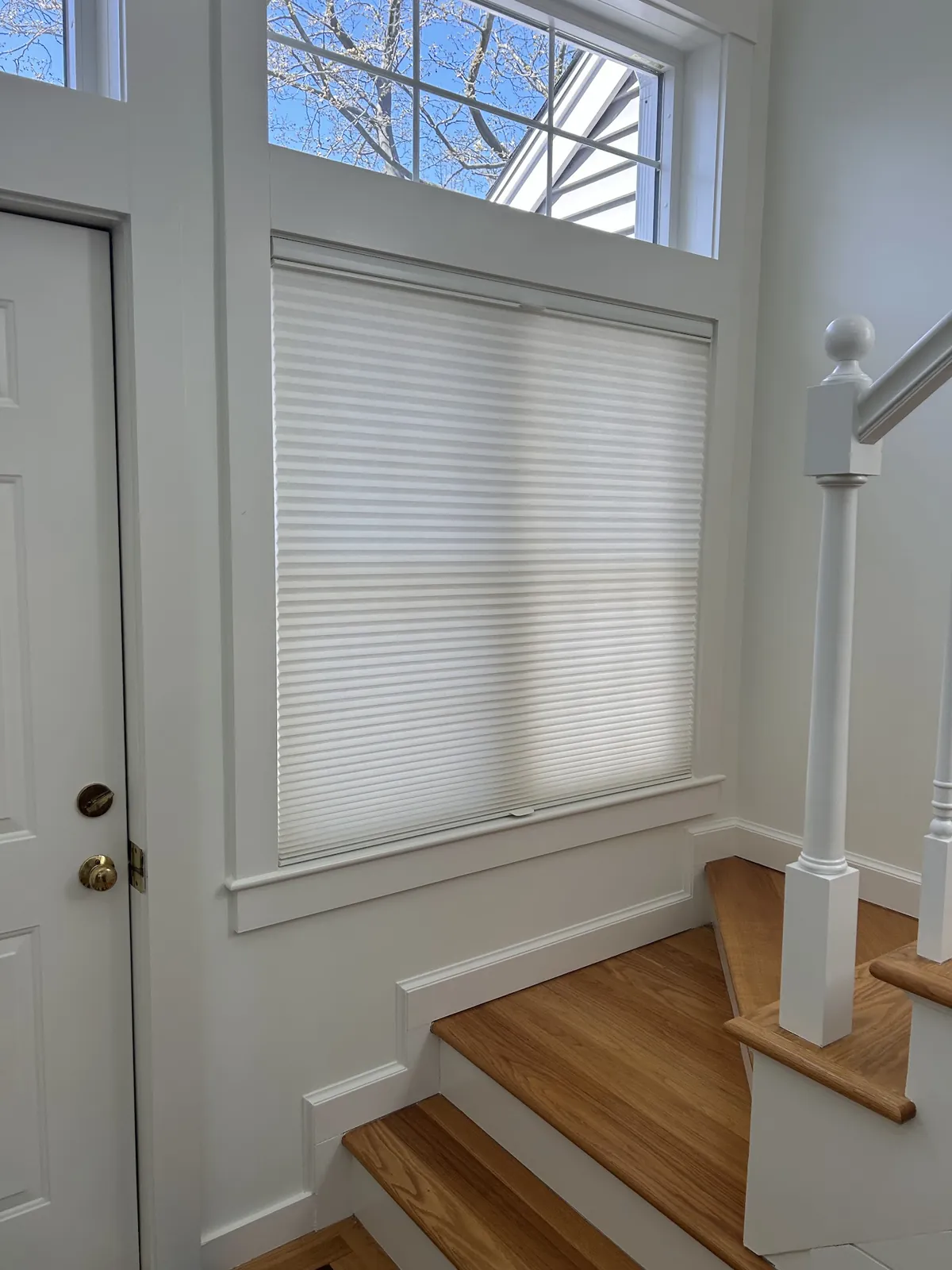
The entry hall
Glass above and beside the front door that nobody can reach. A switch by the door lowers it at dusk.
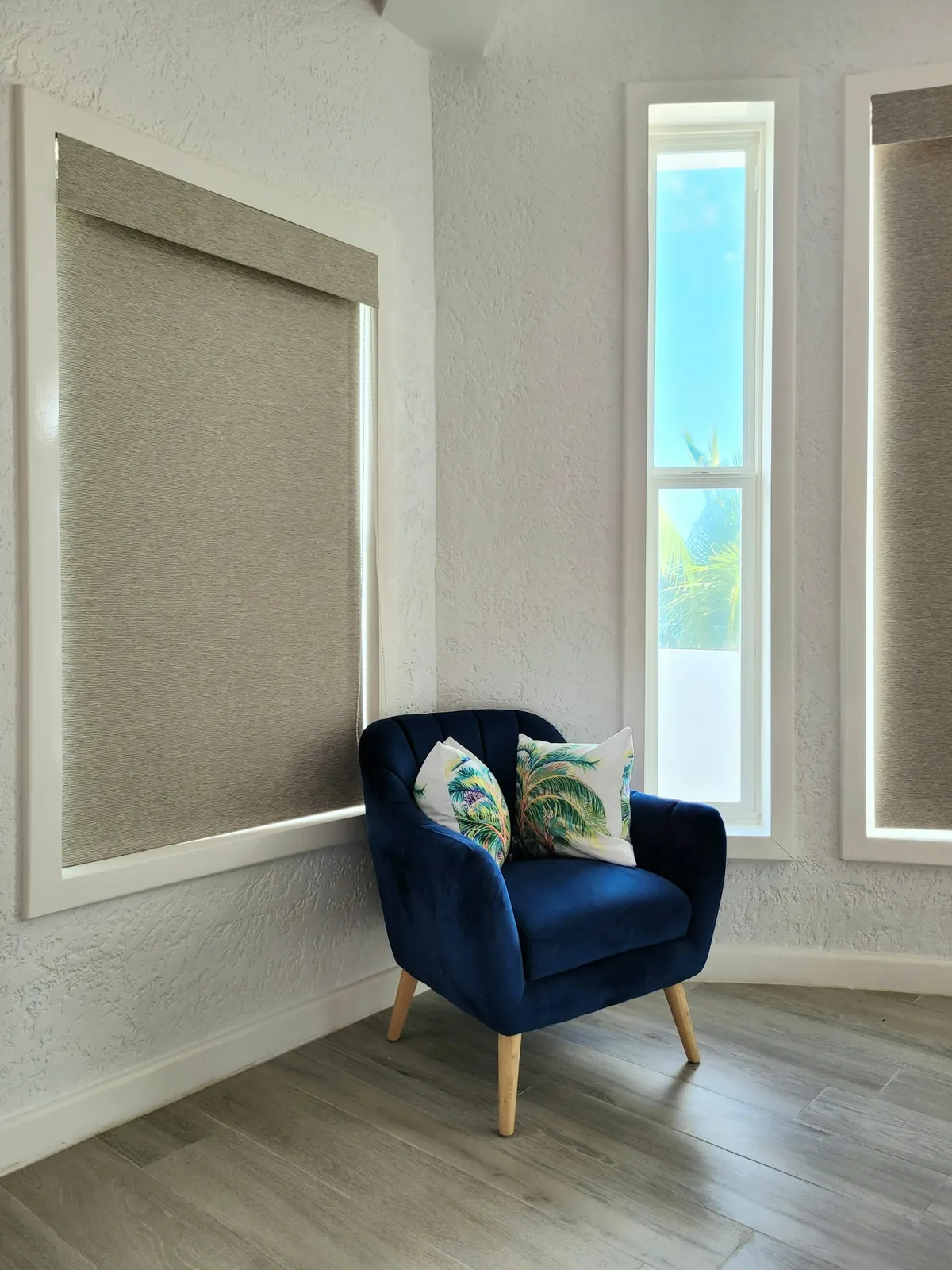
The great room
Newer houses often have a high-ceilinged family room with tall windows. A remote shades them from the sofa.
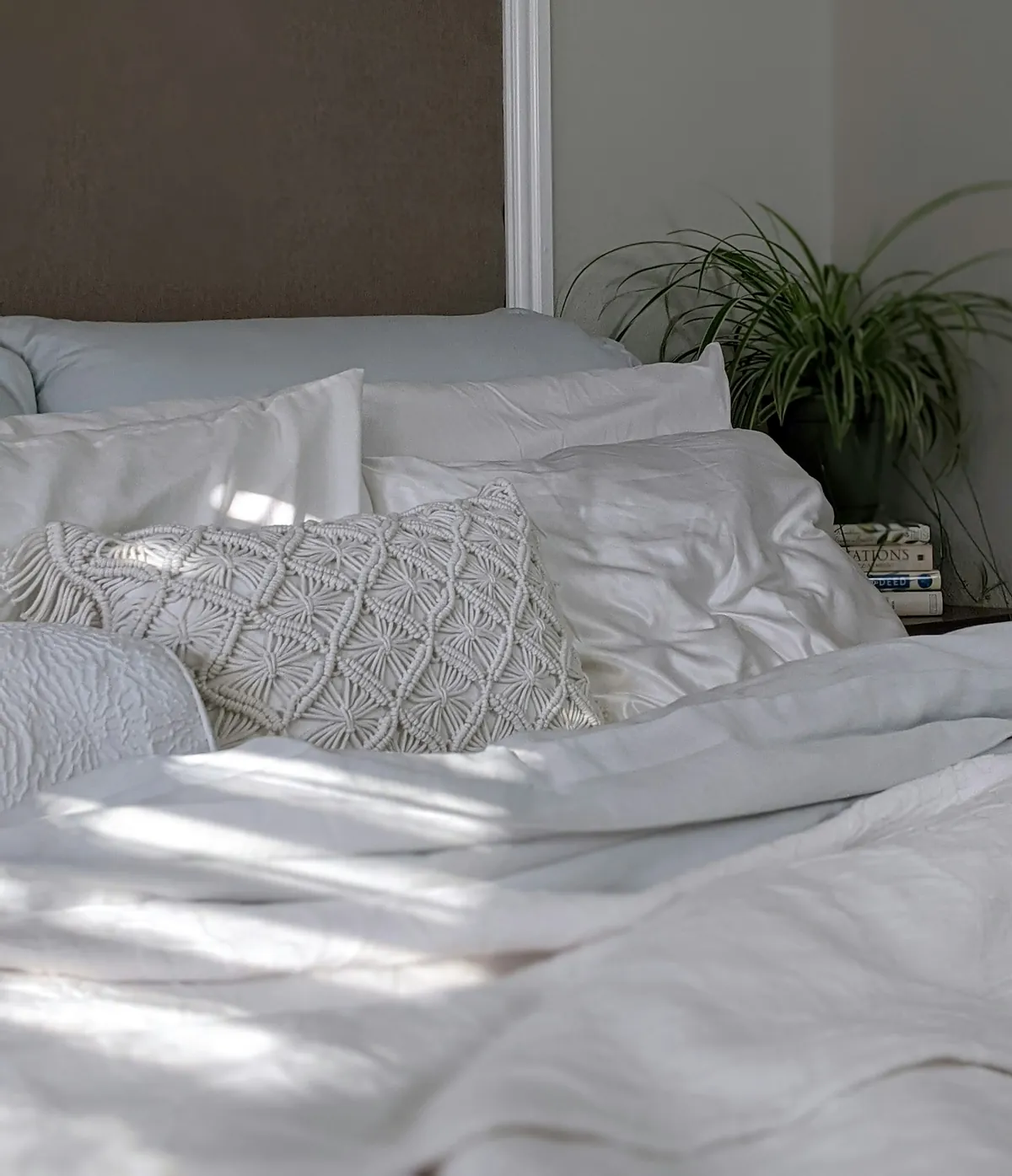
The main bedroom
Close the shades from bed at night, then let the morning in without getting up.
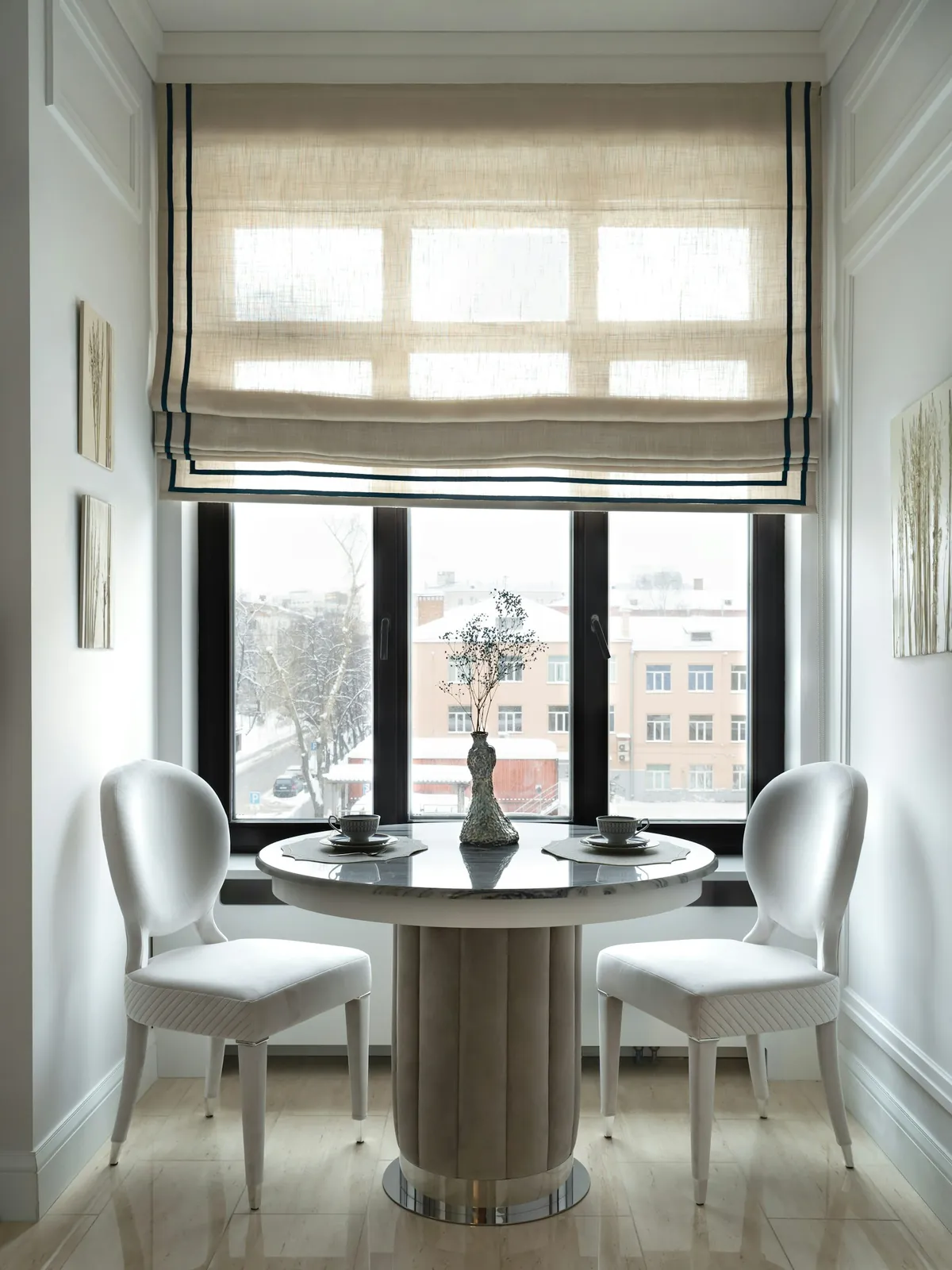
The breakfast area
Windows behind a table or a built-in bench are awkward to reach. Powered, they are easy.
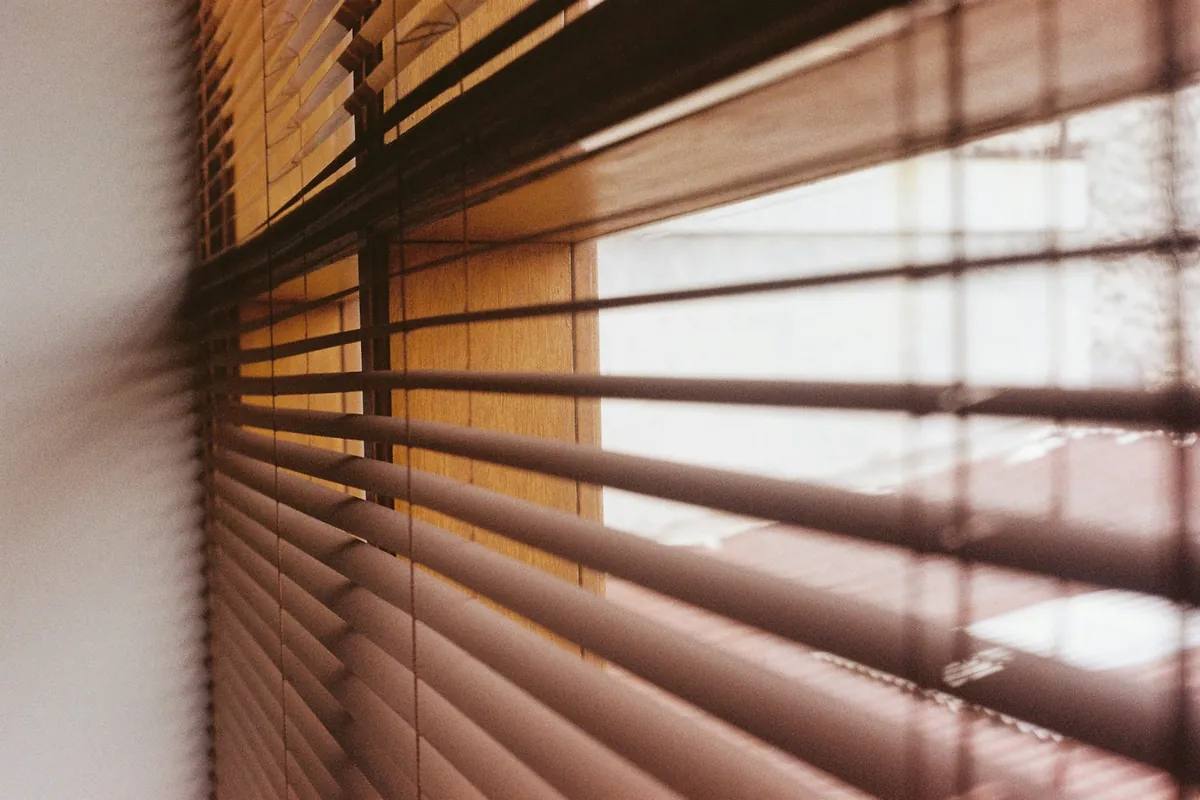
Colonial front rooms
The street-facing rooms of a Diamond Hill or Arnold Mills colonial, brought down together in the evening.
Valley Falls sash
Narrow, older windows where a powered shade takes the stretch out of reaching the top.
Motorized Blinds in Cumberland, RI Entry Halls
The entry hall deserves its own section, because it is the reason so many people look into motorized blinds in Cumberland, RI in the first place.
What makes the entry window so hard
In a two-storey entry, the windows are usually arranged in one of a few ways: a tall single window rising above the door, a stack of two windows one above the other, or a door with sidelights and a wide window above. Some have an arched or half-round window at the very top. Whatever the arrangement, the upper glass sits somewhere between the first-floor ceiling height and the roof, out of reach from the hall floor and across open air from the landing.
That makes it the one window in the house that cannot be managed by hand without a ladder. So it stays uncovered. In the morning, if the front of the house faces the sun, light pours down the stairs and across the floor, fading the runner and the furniture. In the evening, with the hall lights on, the entry becomes a lit display window to the street.
How a powered shade handles it
A motorized shade on the upper glass solves that cleanly. It is fitted at the top of the window, made to the exact size of the opening, and run from a switch by the front door, at the foot of the stairs, or both. You lower it when the morning sun comes through and at dusk when the lights go on, and raise it again whenever you want the light back.
Where there is an arched or half-round window at the very top, that shape is a separate question. Usually the rectangular glass below is where a powered shade goes, and the arch is either left open as a feature or treated on its own. We look at your entry on the measuring visit and talk through what suits it.
Measuring an entry safely and accurately
Because the glass is so high, an entry window needs careful measuring. We take the width and height of each pane, the depth of the frame and the space at the top, and we note where a wall switch would sit most naturally as you come in through the front door. We also look at how the window is framed, since a stack of windows may take one shade each, lined up so they read as a single column.
Great Rooms and Kitchens in the Newer Houses
The newer subdivisions off Mendon Road often have a family room or great room at the back with a high ceiling and tall windows, sometimes with another row of glass above. Those upper windows have the same problem as the entry: out of reach, and so left bare. In the afternoon, if the back of the house faces the sun, the room can be too bright to watch television or sit comfortably near the glass.
Powered shades on the tall windows, and on any upper row where the shape allows, let you shade the room from the sofa and open it up again in the evening. In an open plan, where the great room runs into the kitchen and a breakfast area, the same fabric and colour across every window keeps the space calm.
The breakfast area is worth its own mention. A bay or a row of windows behind a table, or a slider out to the deck beside it, is used every morning, and reaching across the table to a cord is a nuisance. A switch by the kitchen doorway means the shades come up with the coffee.
The room over the garage
Many of the newer houses off Mendon Road have a bonus room above the garage, used as a playroom, an office or a guest room. Those rooms usually have sloped ceilings, knee walls and windows set into dormers or a gable end, often with one window placed high where the roof meets the wall. That high window is a smaller version of the entry problem: easy to forget, awkward to reach and bright in the afternoon. A powered shade there, run from a switch by the door, keeps the room usable as a television room or office without anyone balancing on furniture. Inside a dormer the room over the frame is often tight, so we measure closely and choose a compact headrail.
Sliders to the deck
Most of the newer houses also have a sliding door from the kitchen or great room out to a deck. It is the busiest door in the house in summer and often catches strong afternoon light. A powered treatment on the slider is planned so that it never comes down across the open door, with the handle and the track left clear, and a switch beside the door brings it down when you lock up at night.
Colonials Around Diamond Hill and Arnold Mills
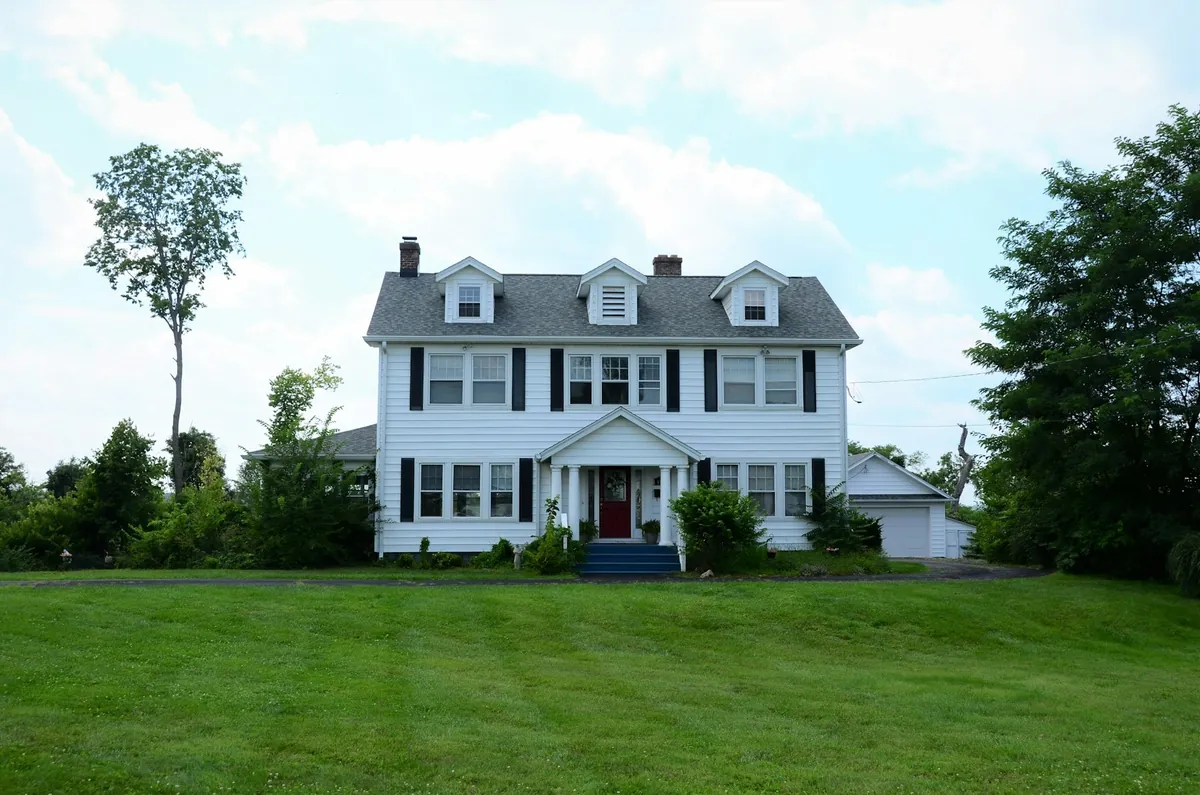
The colonials around Diamond Hill and Arnold Mills are more traditional in plan: a centre or side hall, living and dining rooms at the front, a family room and kitchen at the back, bedrooms upstairs. Windows are mostly standard sizes and evenly spaced, and there are plenty of them.
Which rooms to start with
With so many windows, it rarely makes sense to motorize them all. Most households start with the rooms where a motor makes the biggest daily difference. The main bedroom is usually first, because its shades come down every night and up every morning. The front living room comes next, since it faces the street. A family room with a bank of windows to the back yard is a strong third. The rest of the house keeps ordinary controls, made in the same fabric and colour, so the front reads as one from outside.
Keeping the front consistent
From the road, a colonial’s front windows are a grid: two or three across on the ground floor, the same pattern above. If some are powered and some are not, the lowered shades should still look the same: same fabric, same colour, same lowered height. We plan the front as a whole before deciding which windows get a motor.
Bedrooms on two sides of the house
Colonial bedrooms often have windows on two walls, front and side or back and side. Those rooms catch morning light from one side and evening light from the other. A room darkening fabric on a powered shade, with a remote on the night table, takes care of both without anyone getting up.
Valley Falls
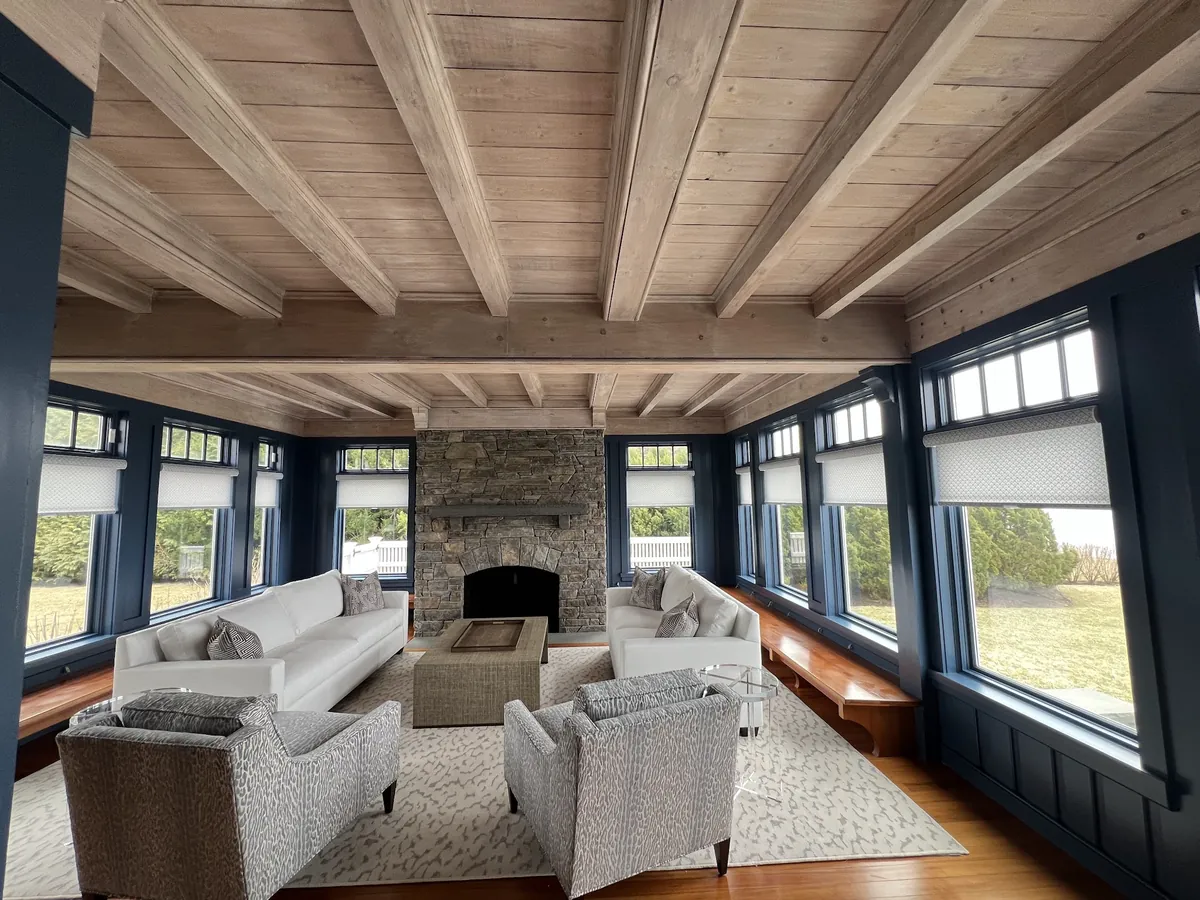
Valley Falls has the oldest housing in town, close to the river and built around the mills. The windows tend to be tall and narrow in older frames, and two windows on the same wall may not quite match. Measuring is the most important part of the job here. We check every frame for size, square and depth, so each shade is made to its window and runs straight.
Tall, narrow sash suit a motor because the top of the window is a stretch to reach and a long cord hangs untidily. In houses set close to their neighbours, a powered shade also makes it easy to stop partway, covering the lower sash for privacy while the upper glass stays open to the light.
The houses in Valley Falls also sit closer together than those in the subdivisions, many with front rooms close to the street. Privacy in those rooms comes first, and the shade that matters most is the one in the front room, lowered every evening. A switch beside the room’s light switch turns that into a single press. Planning motorized blinds in Cumberland, RI houses of this age is less about the high windows of the newer homes and more about tall, slim sash, close neighbours and frames that need a careful eye.
Your Order, Step by Step
We keep you informed at every stage until the job is done. In Cumberland, an order runs like this.
- Call the Swansea store or send the form, mention the windows you have in mind, especially any high entry or great-room glass, and book a free quote.
- A specialist visits and measures every window, including the high ones, along with frame depths and where switches would sit.
- Together we decide which windows get a remote, which get a switch and which keep ordinary controls.
- You choose the style, fabric and colour, and you can come into the Swansea showroom to see and handle samples.
- You receive a quote listing every window and how each one works.
- Everything is made to the measurements taken at your house.
- Our installers fit every shade, high windows included, set up the controls and show you how they work.
Remote, switch, or both
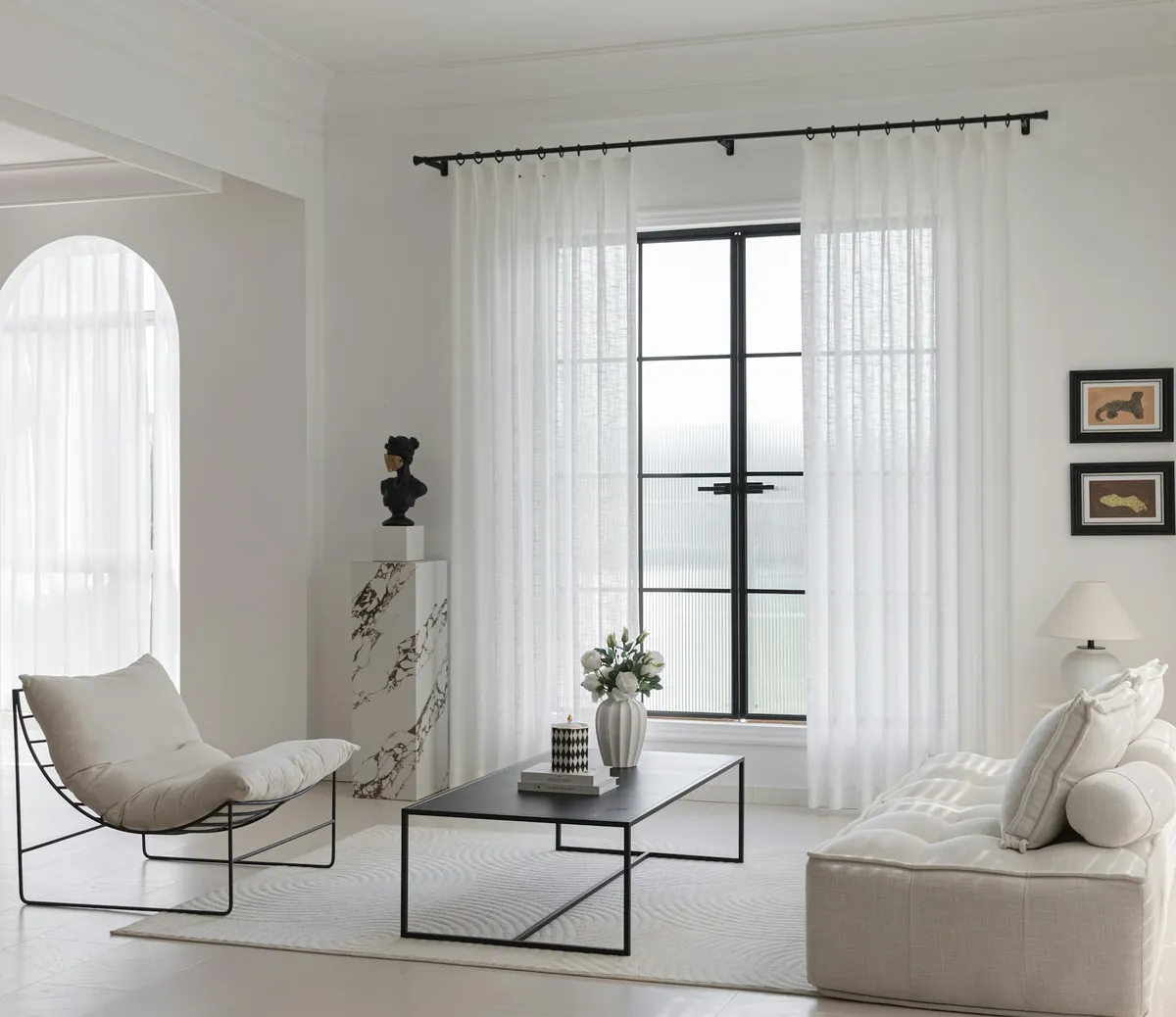
High windows are usually best on a switch, because you change them as you come and go: a switch by the front door for the entry, one at the great-room doorway for the tall back windows. Rooms where you settle, such as a bedroom or a family room, suit a remote. The main bedroom often has both. We plan it room by room and write it into the quote.
Choosing the fabric
In an entry hall, a light filtering fabric keeps the hall bright while cutting the glare and the view in. In a great room, the same type of fabric lets you watch television without darkening the room completely. In bedrooms, room darkening fabric keeps the early light out. Colour matters most on the entry window, since it is seen from the street, the hall and the landing; a soft neutral usually suits all three.
Judging a fabric for a high window
Choosing a fabric for a window you will mostly see from far below is different from choosing one for a bedroom. On a two-storey entry, the shade is seen from the hall floor, from the landing and from the street, often with daylight behind it. A colour that looks warm in your hand can read darker high on a wall with the sun coming through, and a texture that is lovely up close can disappear at that distance. It helps to hold a sample up to daylight and step back from it. At the Swansea showroom you can do just that, comparing how different fabrics look with light behind them, and our specialists can help you judge how a sample will read across the height of your entry.
No cords in reach
A powered shade has no lift cord. On a tall entry or great-room window, a hand-operated shade would need a very long one, which is untidy and a hazard where children and pets are about. The guide to cordless blinds and child safety covers this further.
Living with them
The entry hall stops being a display window at night. The great room is comfortable through the afternoon. The bedroom goes dark from bed. Care is simple: dust the fabric, keep the space beneath each shade clear, and run any shade you rarely use up and down occasionally. If anything seems wrong, call and tell us which window.
Starting with one window
Plenty of Cumberland orders begin with the entry hall alone. Once that window is covered, the great room or the main bedroom often follows, matched to the first. Motorized blinds in Cumberland homes can be built up a room at a time.
What Sets Window Works Apart
Window Works is a family store founded in Swansea in 1988 and now run by the second generation. In over 37 years, it has covered windows across the SouthCoast of Massachusetts and the Rhode Island East Bay, with Cumberland at the northern end of that area.
- A team of experienced window treatment specialists
- Measuring at your house, high windows included
- Installation by our own team
- In constant contact with you until the work is finished
- Warranties offered on the products we sell
The main motorized blinds page describes the service in full. For everything else we make for houses in town, see the Cumberland window treatments page.
Questions from Cumberland
Can you cover the window above my two-storey entry?
Yes. A powered shade is made to the upper glass and run from a switch by the door or at the foot of the stairs. We measure it carefully on the visit.
What about the arched window at the very top?
That shape is usually treated separately or left open as a feature, with the powered shade on the rectangular glass below. We look at your entry and talk through what suits it.
Should I motorize every window in my colonial?
Most households start with the main bedroom, the front living room and the family room, and keep ordinary controls elsewhere in a matching fabric.
Do older Valley Falls windows need anything special?
Careful measuring. Older frames vary, so we check each one for size, square and depth before anything is made.
How do I book a quote?
Quotes are free. Press the call button or send the form and tell us about the windows you want covered.
Book Your Free Quote
The next step is a free quote. Call the Swansea store with the call button to book it, arrange measuring in your home or ask about installation, or use the form and we will be in touch. If you would like to see fabrics first, the showroom in Swansea has them, and the contact page explains how to get there. Window Works carries a 5.0 rating on Google.