
One City, Three Kinds of House
Cranston holds three distinct eras of housing within one city line. Near the bay, Edgewood has Victorians with tall windows, porches and bays. In the middle of the city, Garden City is capes and ranches with compact rooms and familiar window sizes. Out west, Western Cranston has newer colonials with large rooms and plenty of glass. A treatment that suits Garden City rarely suits Edgewood, and the same is true of where a motor helps. That is why we plan motorized blinds in Cranston, RI house by house rather than offering one answer for the whole city.
What stays the same is the method: measure every window where it is, choose the blind or shade for the room, and add a motor where it makes daily life easier.
- Run from a remote, a wall switch or both
- Made to each window in each kind of house
- Measured at your house; fitted and set up by our installers
The Three Cranstons, Three Different Answers
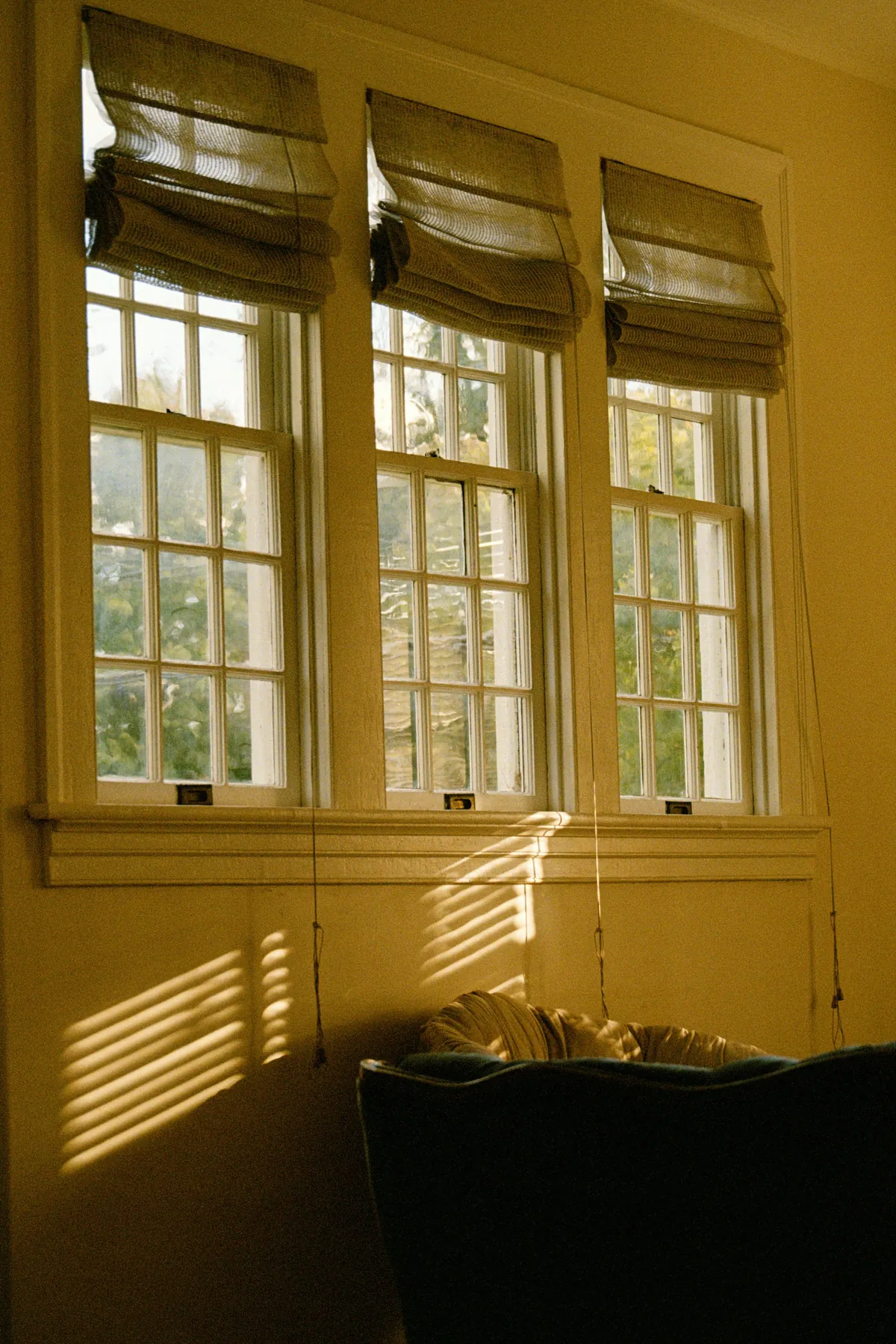
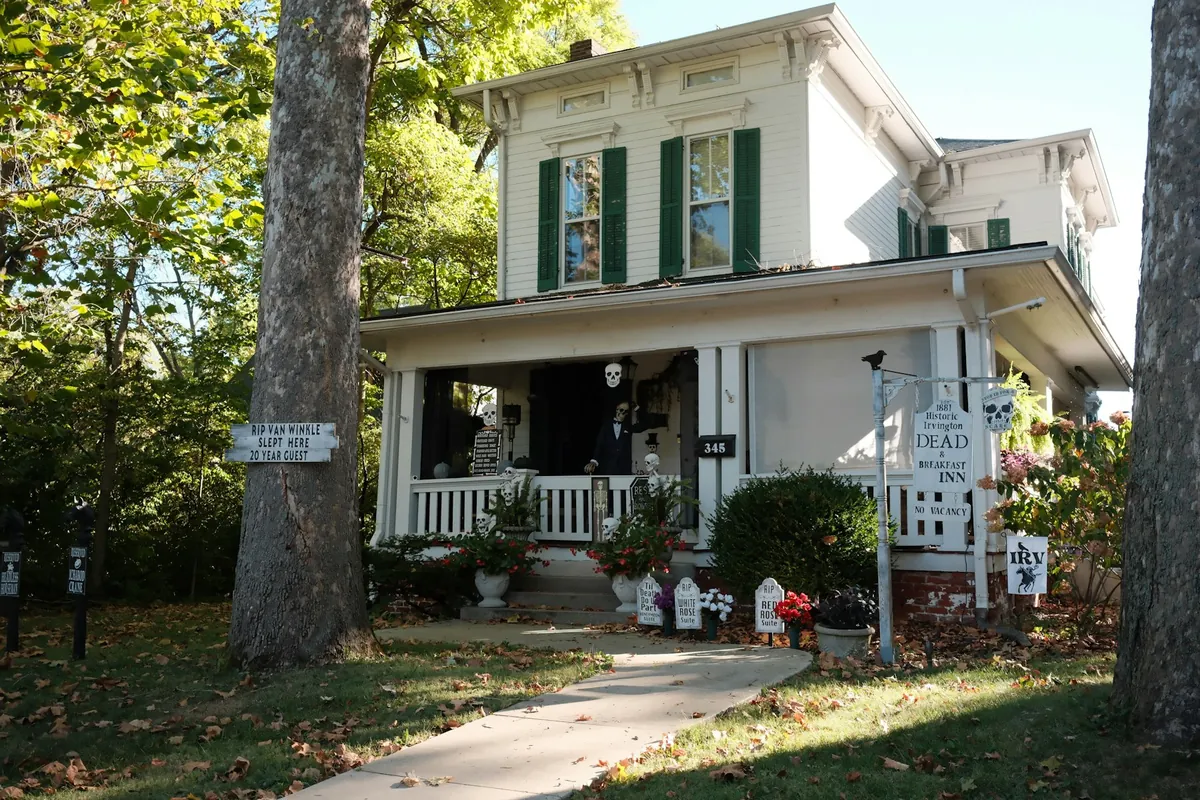
Edgewood
Tall sash, bays and porches near the bay. Here a motor is about reach and about the bright water light on the bay side.
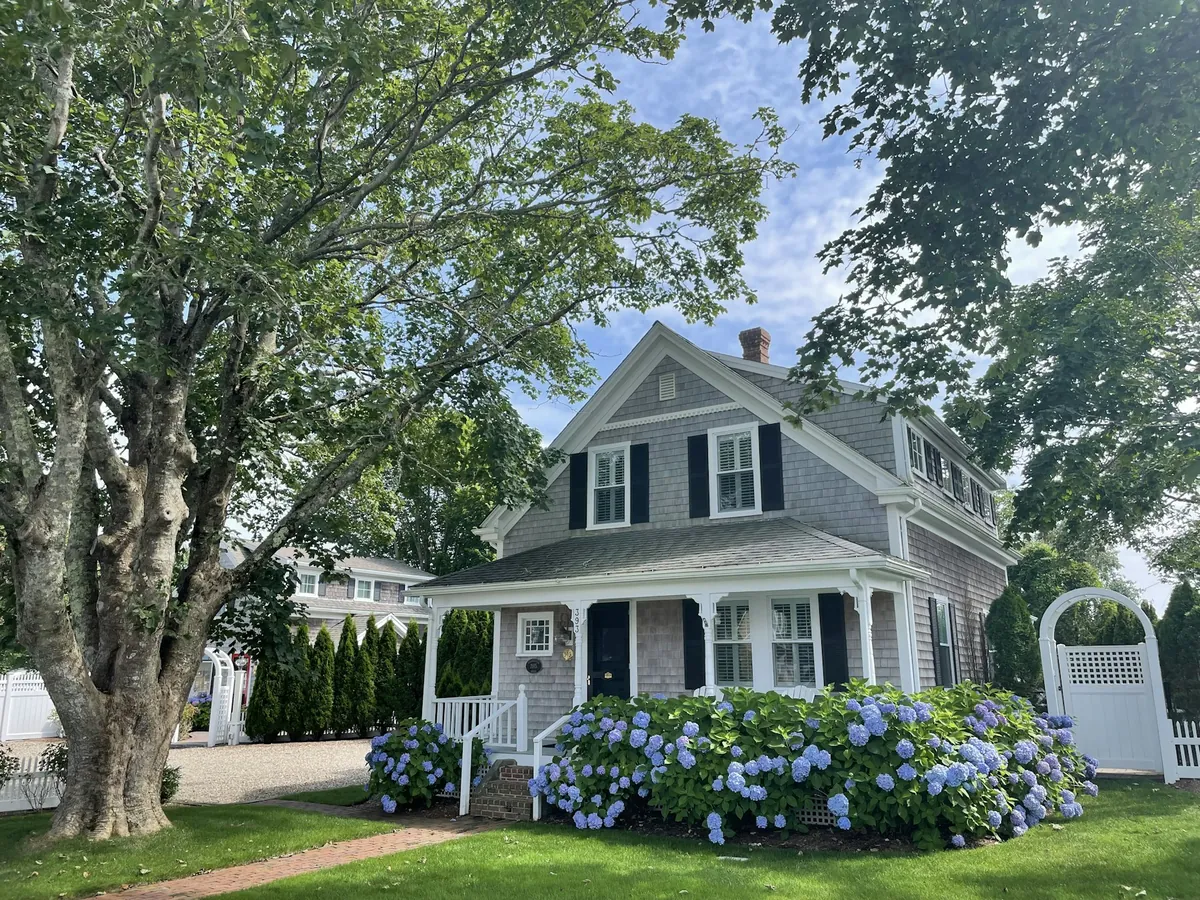
Garden City
Capes and ranches with picture windows and upstairs dormers. A motor goes where a shade is heavy or hard to reach.
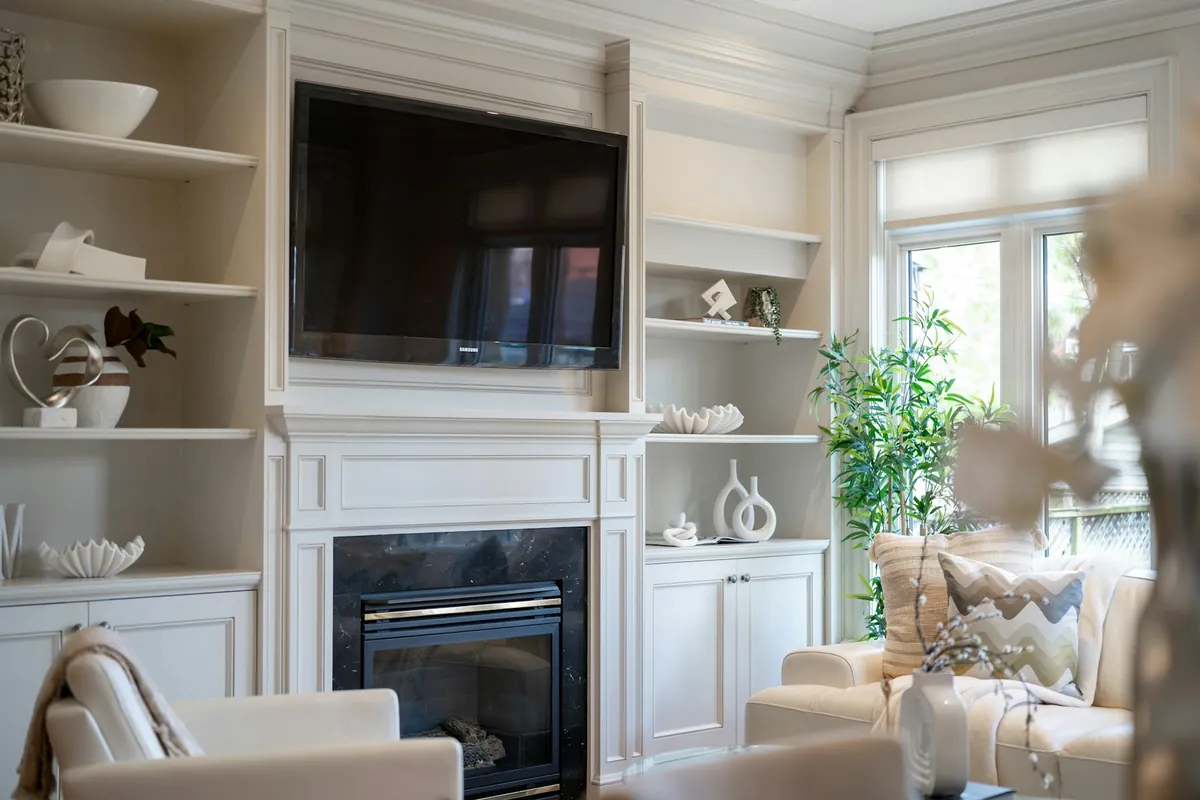
Western Cranston
Newer colonials with big family rooms, sliders and many windows. The question is which ones are worth powering.
Motorized Blinds in Cranston, RI: Edgewood Victorians
Edgewood sits along the bay, and its Victorian houses were built for light and air. For motorized blinds in Cranston, RI, this is the part of the city where reach is the main argument.
Tall windows, high ceilings
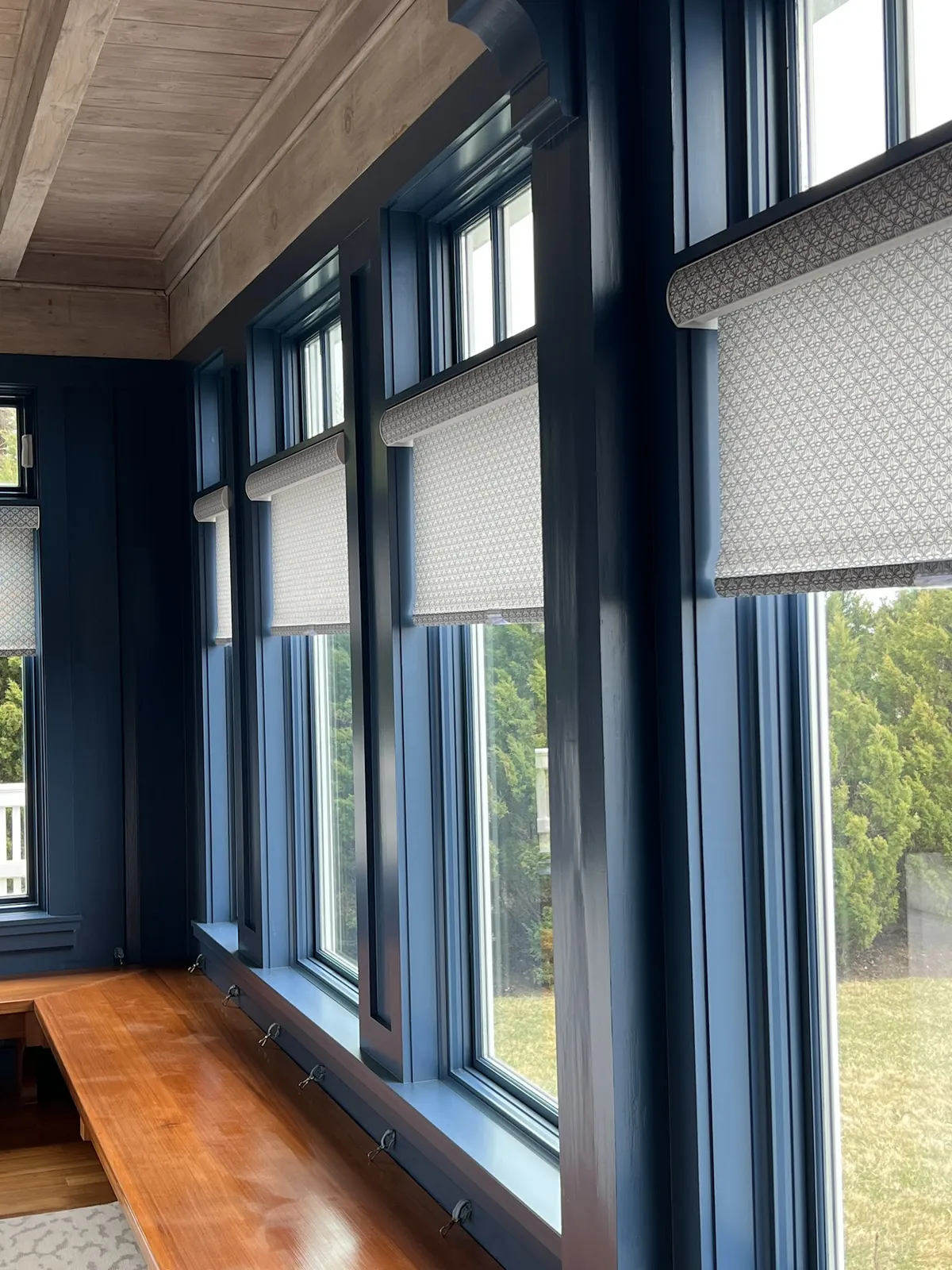
Edgewood Victorians usually have high ceilings and windows to match, tall sash that start low on the wall and run well above head height. A shade on a window like that has a long way to travel. Raised by hand, it is rarely lifted all the way, so the top of the window stays covered on dull days when the room needs light. Lowered, it has to be brought down carefully to match its neighbours. A motor sends it to the top of the frame every time and brings it down to a set point, so a front room with three tall windows looks even whether the shades are up or down.
Bays and porches
Many Edgewood houses have a bay window on the front or side, and most have a porch. A bay holds several windows set at angles, each with its own shade, and powering all of them lets you close the bay at once instead of leaning into each corner. A porch shades the room behind it during the day, so those shades are best kept fully raised in daylight and lowered after dark, a routine that a switch by the door makes easy.
Bay-side light
On the streets nearest the water, rooms facing the bay catch reflected light as well as direct sun, and the glare moves through the afternoon. A remote lets you lower the shades on that side while the glare lasts and raise them once it passes. A fabric that filters light softens the glare and keeps the view’s outline, and our guide to coastal window treatments covers choosing materials for rooms near salt water.
Stair windows and drapery
Victorian staircases often turn past a tall landing window, and formal rooms often wear drapery. The landing window takes a powered shade on a switch at the foot of the stairs. In a dining room or parlour, drapes can stay as fixed side panels while the shade behind them does the work, so the fabric keeps its folds and nobody reaches through it.
Upstairs in an Edgewood house
The bedrooms on the upper floor of an Edgewood Victorian often keep the same generous ceiling height as the rooms below, with windows nearly as tall as the parlour’s. That height gives a choice the smaller houses in the city do not: the shade can sit inside the frame, keeping the trim on show, or be mounted higher on the wall so that, when raised, it clears the glass entirely and the window looks taller still. In a bedroom, mounting slightly wider than the frame also helps keep morning light from creeping round the edges. We look at the trim, the ceiling and the furniture before suggesting either, and a room darkening fabric with a remote by the bed finishes the job.
Garden City Capes and Ranches
Garden City has an orderly feel: curving streets lined with capes and ranches, each on its own lawn, with rooms that are comfortable rather than grand. Window sizes repeat from house to house, so getting the measurements right is routine. What shapes the plan instead is how snugly the rooms are furnished.
Furniture in front of the glass
In a compact living room, the sofa very often sits right under the front window, and in a cape bedroom the bed or a dresser is pushed against the wall below the sill. Every time a shade needs moving, someone kneels on the cushions or leans across the furniture to reach the cord. It sounds minor until you count how often it happens. Put a motor on that one window and the problem disappears; the shade comes down from the remote on the side table, and the sofa can stay exactly where it is. That single change is often the whole reason a Garden City household asks us about powered shades.
The front window of a ranch
The ranch living room’s main window spans much of the front wall. Lifting a shade that broad by hand takes a firm pull, and a long cord or chain hangs at one end. Powered, the full width rises level in one smooth movement. Because this window is the one the street sees in the evening, a fabric that hides the room once the lamps are on, while still glowing pleasantly from outside, is worth choosing carefully.
Under the roof of a cape
Upstairs in a Garden City cape, the bedrooms tuck under the slope of the roof and take their light from dormers. The window sits at the back of a short alcove, which makes it a reach across whatever stands in front, and leaves only a narrow strip of wall above the frame. We measure that strip on the visit so the headrail fits it neatly, then a control by the bed does the reaching.
A couple of windows, well chosen
Garden City houses rarely need many powered windows. One in the living room and one in the main bedroom covers most needs. The remaining windows can be dressed to match with ordinary lift controls, and the street face of the house still looks all of a piece. Planning motorized blinds in Cranston, RI capes and ranches this way keeps the job modest and the benefit obvious.
Western Cranston’s Newer Colonials
Western Cranston’s newer colonials are larger, with more rooms and more windows than either Edgewood or Garden City. Frames are square and sizes repeat, so the job is about choosing the right windows to power and keeping a big house consistent.
Big rooms at the back
Western Cranston colonials tend to have generous rear rooms: a kitchen open to a family room, with a breakfast table between and a door out to a deck. The run of glass across the back can be long, and the shades along it are often left at whatever height they last ended up because walking the length of the room to adjust each one is a chore. With the rear windows powered, the whole back of the house can be eased down for the strong part of the day and raised again for the evening from wherever you happen to be standing. The door to the deck gets a treatment planned around its handle and track so it never blocks the way out.
Two-storey spaces
Some of the newer houses have a two-storey foyer or a family room open to the floor above, with windows high up the wall. Those are the windows nobody can reach, and they are the strongest case for a motor in this part of the city. A switch at the bottom of the stairs or by the door runs them.
One palette for a big house
A large colonial can have windows in a dozen rooms, and if each room’s shades are chosen in isolation the house ends up looking like a patchwork from the lawn. The simplest fix is to settle a short palette first: one colour, or two closely related ones, for every window that faces the street, with more freedom in rooms at the back that only the family sees. Powered and hand-run shades then sit side by side within that palette, and nobody outside can pick out which is which.
Bedrooms and the morning light
Main bedrooms in these houses are usually large, with windows on two walls. A room darkening fabric on a powered shade, run from a remote by the bed, keeps the early light out without anyone getting up.
Why One Plan Does Not Fit All Three
It is tempting to think of a powered shade as the same thing wherever it goes. In practice, an Edgewood front room, a Garden City living room and a Western Cranston family room ask for quite different things.
In Edgewood, the shade is long, the mount needs care on older frames and the fabric has to suit tall, formal rooms and sometimes the light off the bay. In Garden City, the shade is wider than it is tall on the picture window, smaller and tucked into a dormer upstairs, and the aim is a couple of well-chosen powered windows. In Western Cranston, the windows are many and often high, and the plan is about which to power and how to keep the house consistent. We approach each on its own terms.
Mounting on older frames
Edgewood’s older frames are the most demanding. Windows settle over the years, and two that look alike may differ in width, square or depth. A powered shade needs a level, true mount to run straight, so we check each frame closely and plan each mount accordingly. Where the depth allows, an inside mount keeps the original trim visible.
Fabric by era
A Victorian parlour suits a fabric with some weight and a colour that sits well with dark wood and tall walls. A Garden City living room often suits a lighter, simpler fabric that keeps a compact room bright. A Western Cranston family room usually wants something durable that softens strong afternoon light. Bedrooms in all three want darkness. We help you choose, and we will tell you which of the styles you like can take a motor.
Ordering, Step by Step
We stay in touch with you from the first call to the last check after the installers leave. A Cranston order runs like this.
- Tell us about the house: use the call button or the form, say which part of the city you are in and which rooms you have in mind, and we book a free quote.
- We measure: a specialist visits and measures every window in place, with extra care on older frames and high windows.
- We plan the controls with you, deciding which windows get a remote, which get a switch and which stay on ordinary controls.
- You choose: style, fabric and colour, with samples to see and handle at the Swansea showroom.
- You get a quote that lists each window, its mount and its controls.
- We make each blind and shade to the measurements taken at your house.
- We install, set up every control and show you how it all works.
Remote or wall switch
Where you settle, choose a remote: a family room, a bedroom, a bay-side sitting room in Edgewood. Where you walk in at a set time, choose a switch: a front room at dusk, a foyer, a stair hall. Rooms used both ways can have both. We plan it with you and put it in the quote.
No cords hanging
Powered shades have no lift cords. On Edgewood’s tall windows, that removes a long loop of cord from beside the glass. In a family room where children play, it means nothing loose within reach. Our guide to cordless blinds and child safety has more.
Day to day
Once they are in, powered shades simply get used. Edgewood’s tall windows open fully every morning. Garden City’s picture window goes down at dusk with a press. Western Cranston’s high windows are finally covered. Keep the fabric dusted and the area below each shade clear, run any rarely used shade up and down now and then, and call the store if one starts behaving differently.
Growing the plan
Most households start with a few windows and add more later. Later shades can match the first, so motorized blinds in Cranston houses can be built up over time without the front ever looking mixed.
What Sets Window Works Apart
Window Works is a family store, founded in Swansea in 1988 and run today by the second generation. Across more than 37 years, it has worked in homes from the SouthCoast of Massachusetts through the Rhode Island East Bay and on to Cranston.
- Experienced window treatment specialists
- A measuring visit at your house for every order
- Installation by our own team
- In constant contact with you until the job is done
- Warranties offered on the products we sell
The main motorized blinds page covers the service in full, and the Cranston window treatments page lists everything else we make for houses in the city.
Questions from Cranston
Why would my Edgewood Victorian need something different from a Garden City ranch?
The windows are different. Edgewood has tall sash, bays and older frames that need careful mounting. Garden City has picture windows and dormers. We plan each house on its own terms.
The sofa in my Garden City living room sits right under the window. Does that matter?
It is one of the best reasons to power that shade. A remote on the side table means nobody has to kneel on the cushions to reach a cord, and the furniture can stay where it is.
Can you reach the high windows in a two-storey foyer?
Yes. Powered shades are made for the high glass and run from a switch by the door or the stairs.
What fabric suits a room facing the bay in Edgewood?
A light filtering fabric softens the glare off the water and keeps the view’s outline. We go through options suited to rooms near salt water.
How do I book a free quote?
Press the call button or send the form on this page, and tell us which part of the city you are in and which rooms you have in mind.
Getting Started
Book a free quote by pressing the call button to reach the Swansea store, and arrange measuring in your home or ask about installation on the same call. Prefer to write? The form on this page reaches us too. If you would like to see fabrics before deciding, the showroom in Swansea has them, and directions are on the contact page. Window Works is rated 5.0 on Google.