
Tall, Narrow Windows on Close-Set Streets
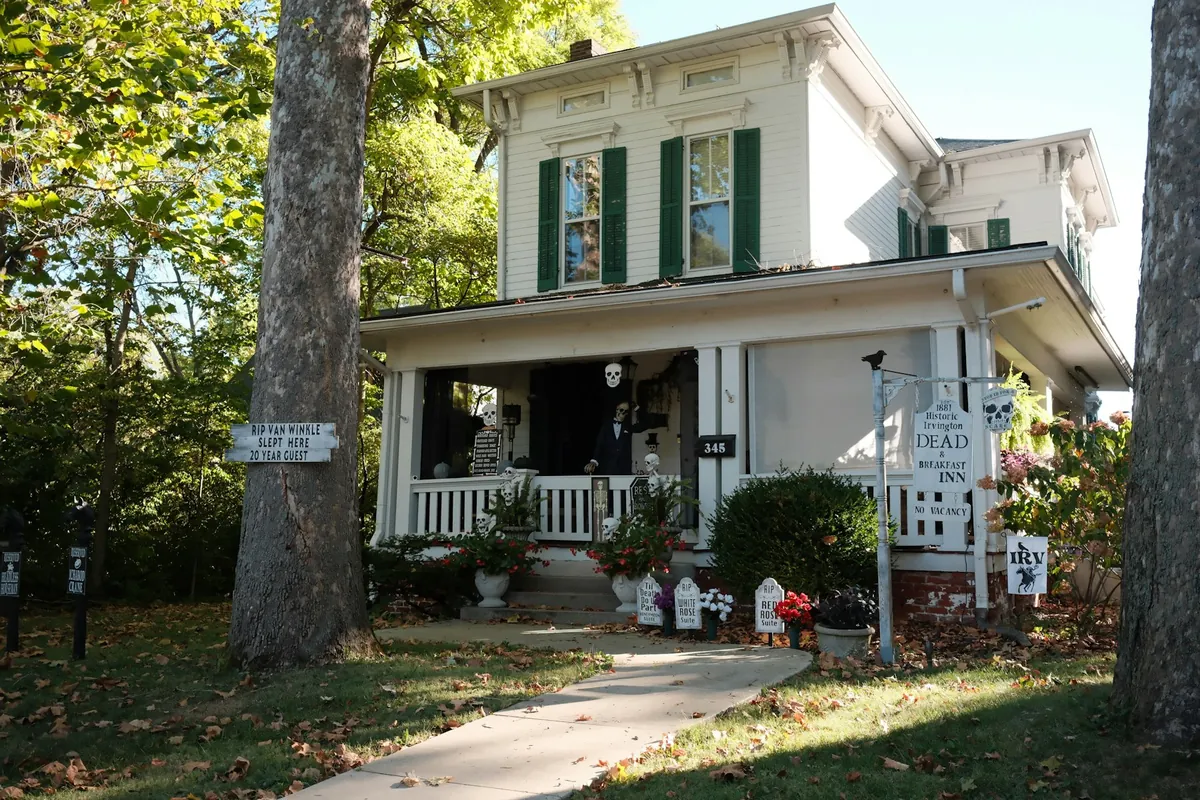
The Victorians of Oak Hill and Quality Hill and the mill-era three-deckers off Broadway were built close together, and nearly all of them have tall, narrow double-hung windows. That shapes window treatments in Pawtucket, RI more than anything else. Width is rarely the hard part. Length is, and so is privacy, because the house next door is often only a short gap away.
A tall, slim sash needs a treatment made to its exact drop, one that stacks out of the way when raised and closes fully when lowered. A window that faces a neighbour’s window, or sits a few steps above the pavement, needs a way to let daylight in without letting the view in with it.
- Made to the full height of each sash
- Privacy options for close neighbours and street-level rooms
- Measured in your home, installed by our team
Window Treatments in Pawtucket, RI: Our Services
Every service below links to its own page for Pawtucket.
Cellular Shades
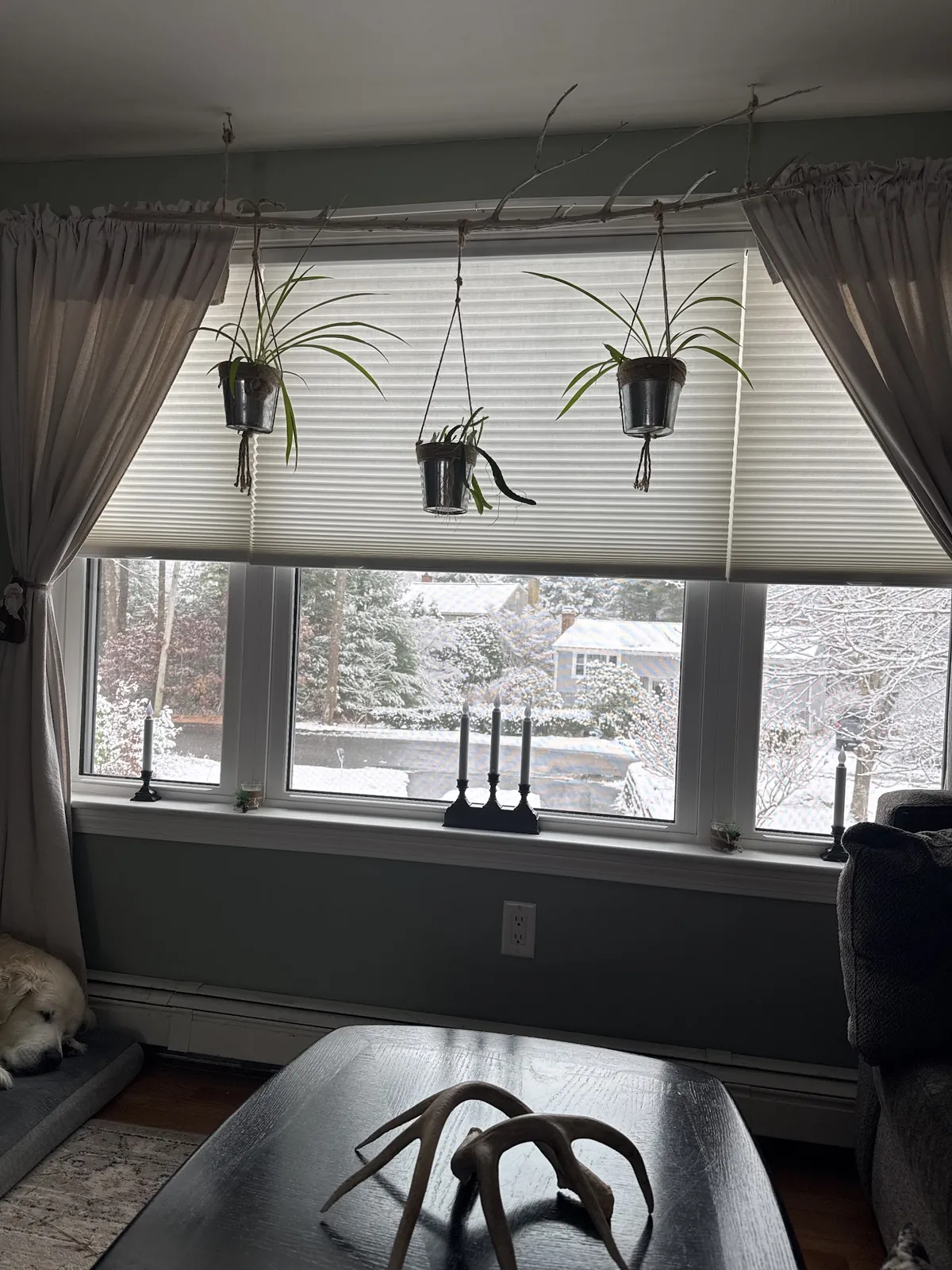
A top down, bottom up cellular shade covers the lower glass from the house next door and leaves the top open to the sky.
Drapes and Curtains
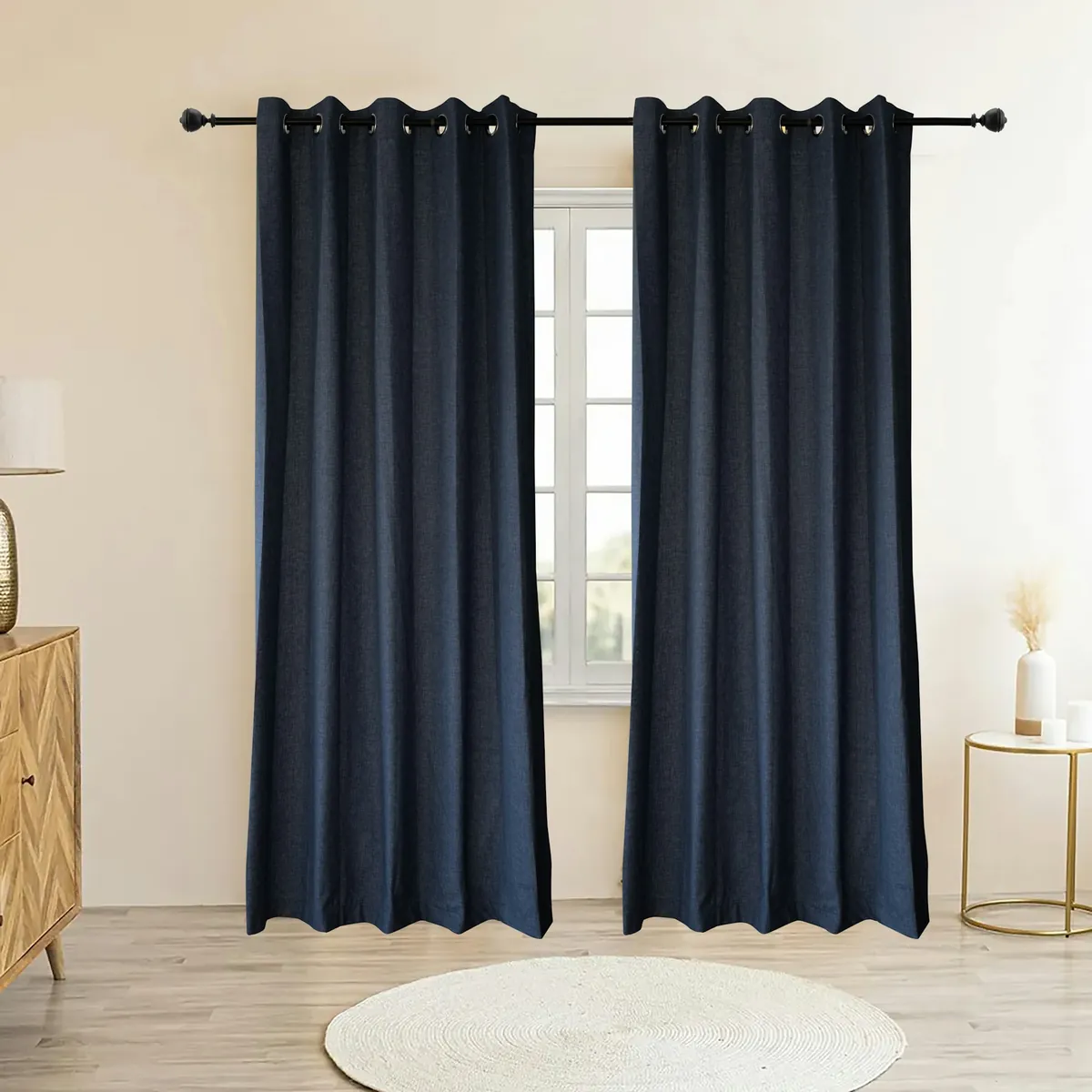
The store’s specialty. Floor-length panels cut to the true drop of a tall Victorian window, lined for privacy at night.
Custom Blinds
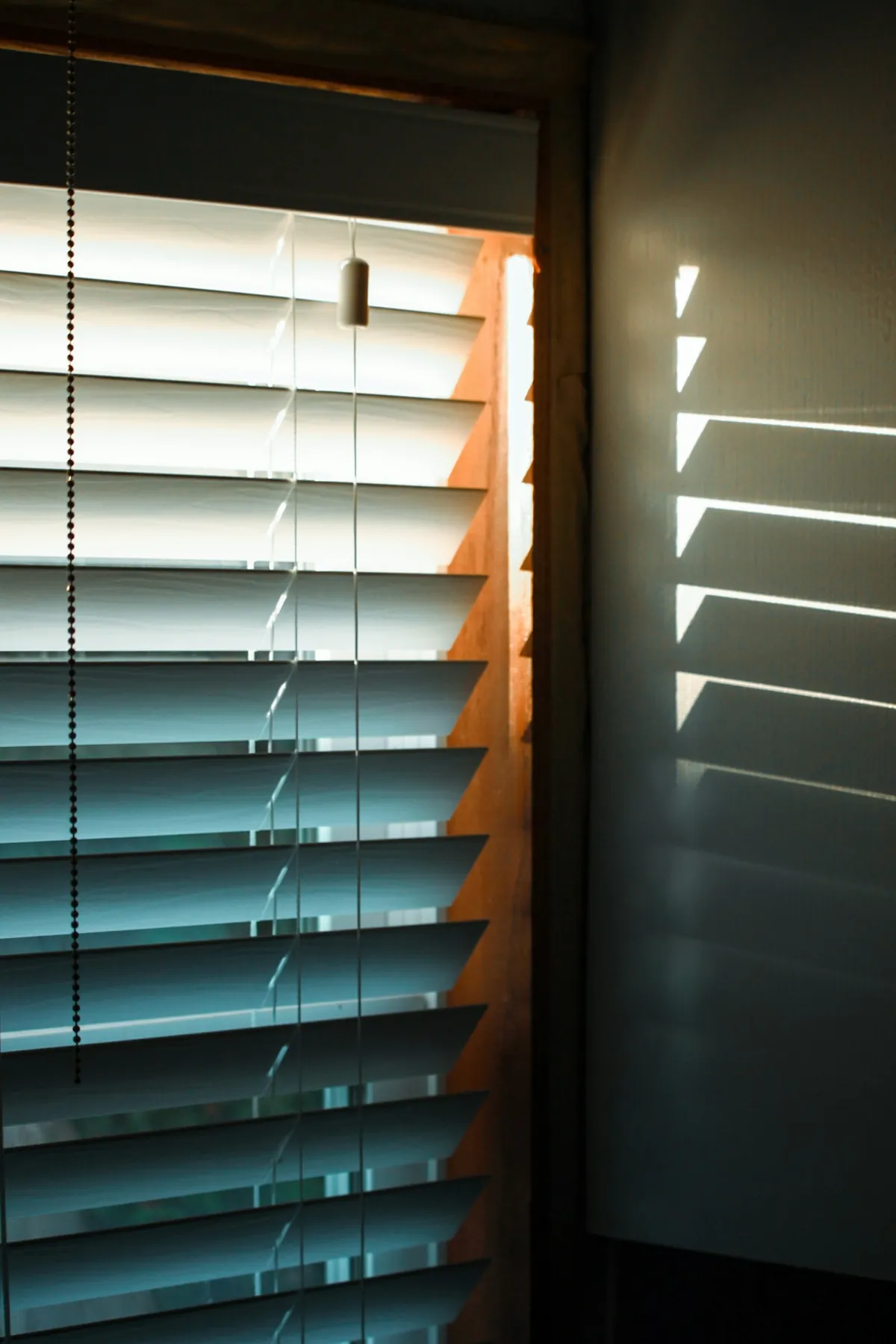
Tilt the slats upward and daylight comes in while the sightline from a neighbouring window is blocked.
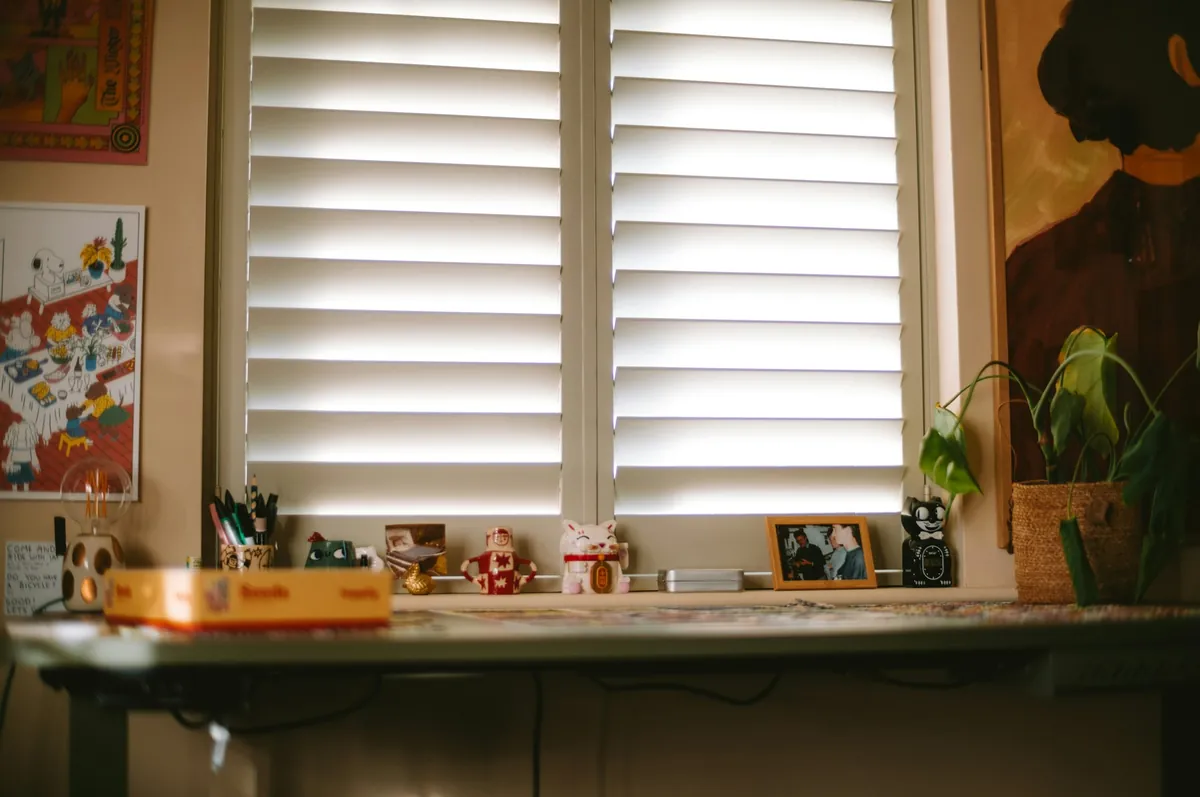
Plantation Shutters
A tall sash can take a divided shutter, so the lower panels stay closed for privacy and the top ones open for light.
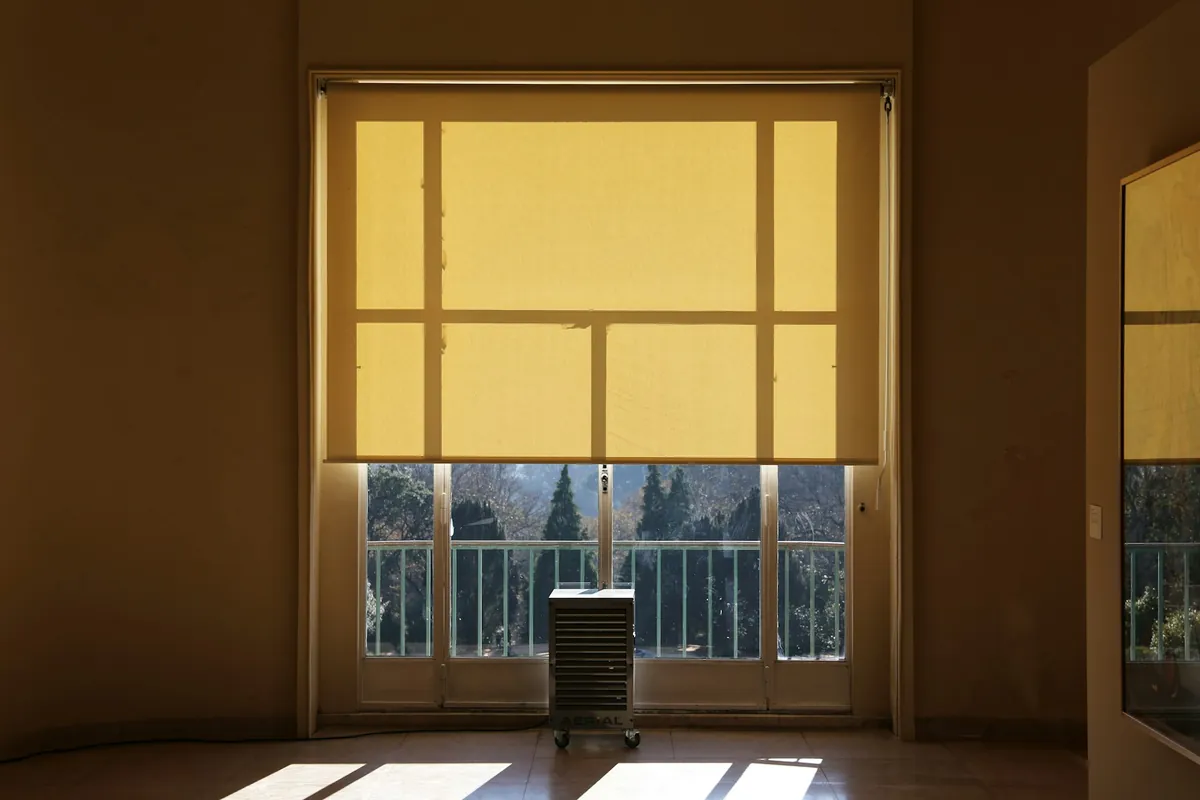
Roller Shades
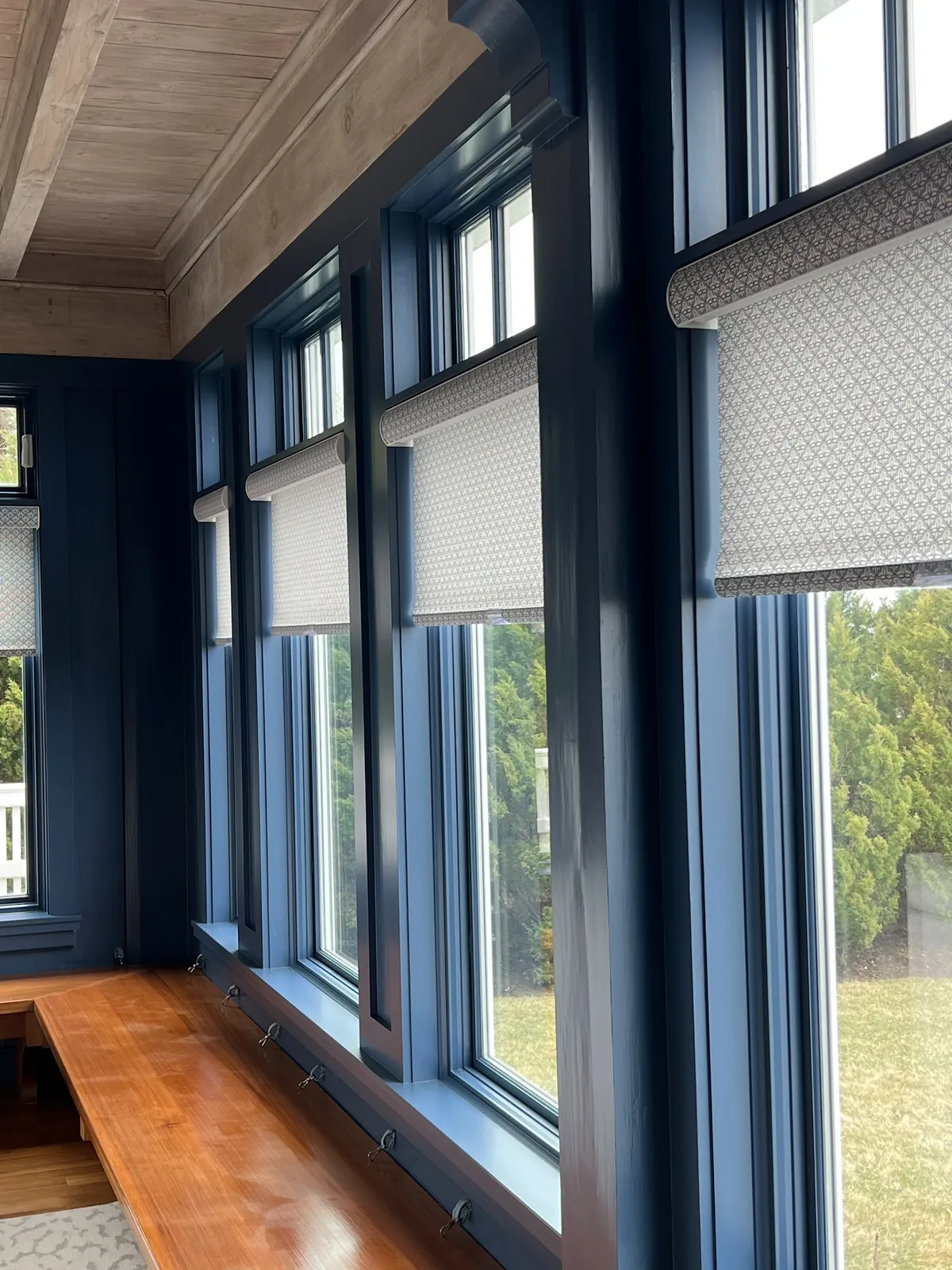
A slim roll that tucks almost out of sight at the head of a narrow window, in solid, light-filtering or screen fabric.
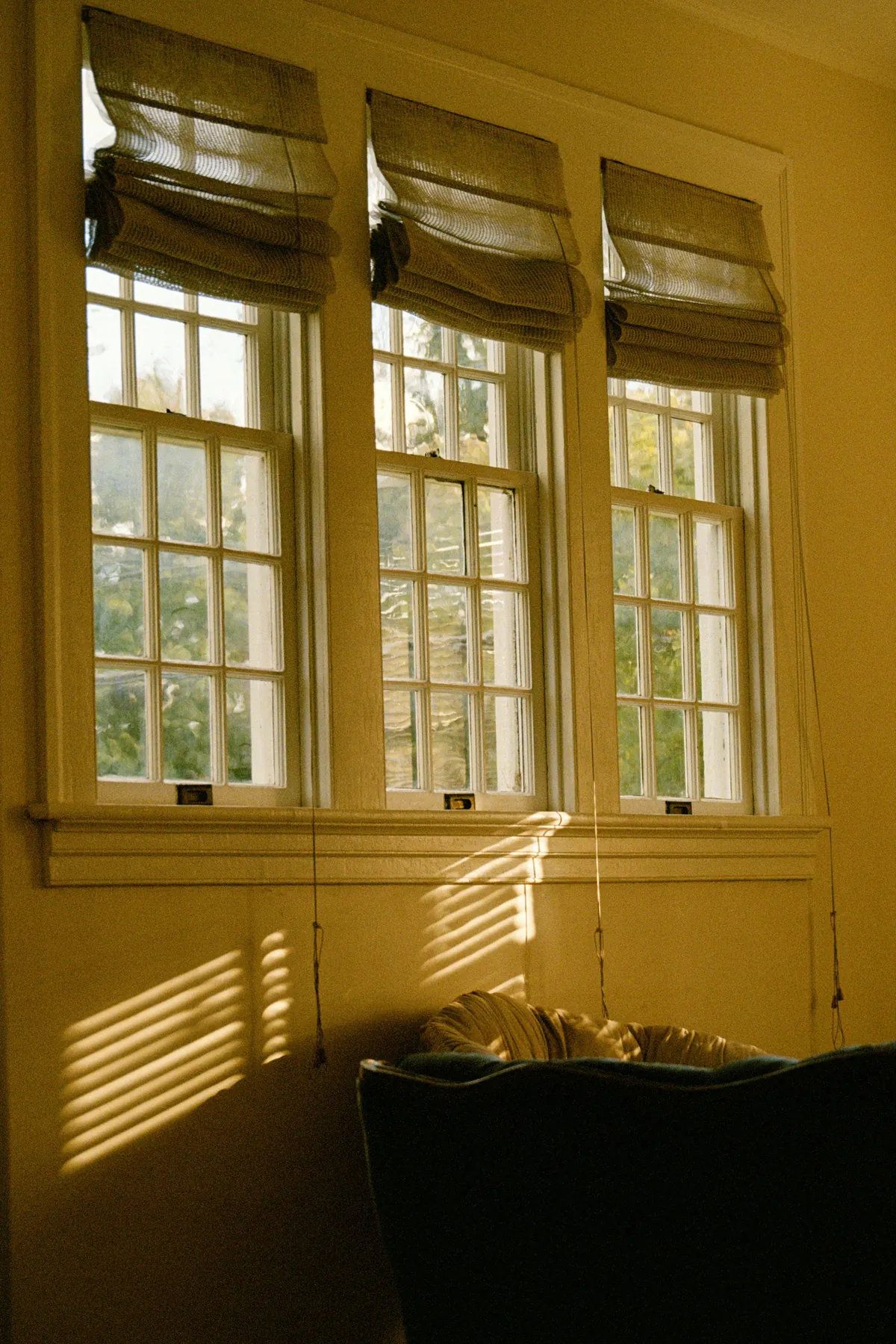
Roman Shades
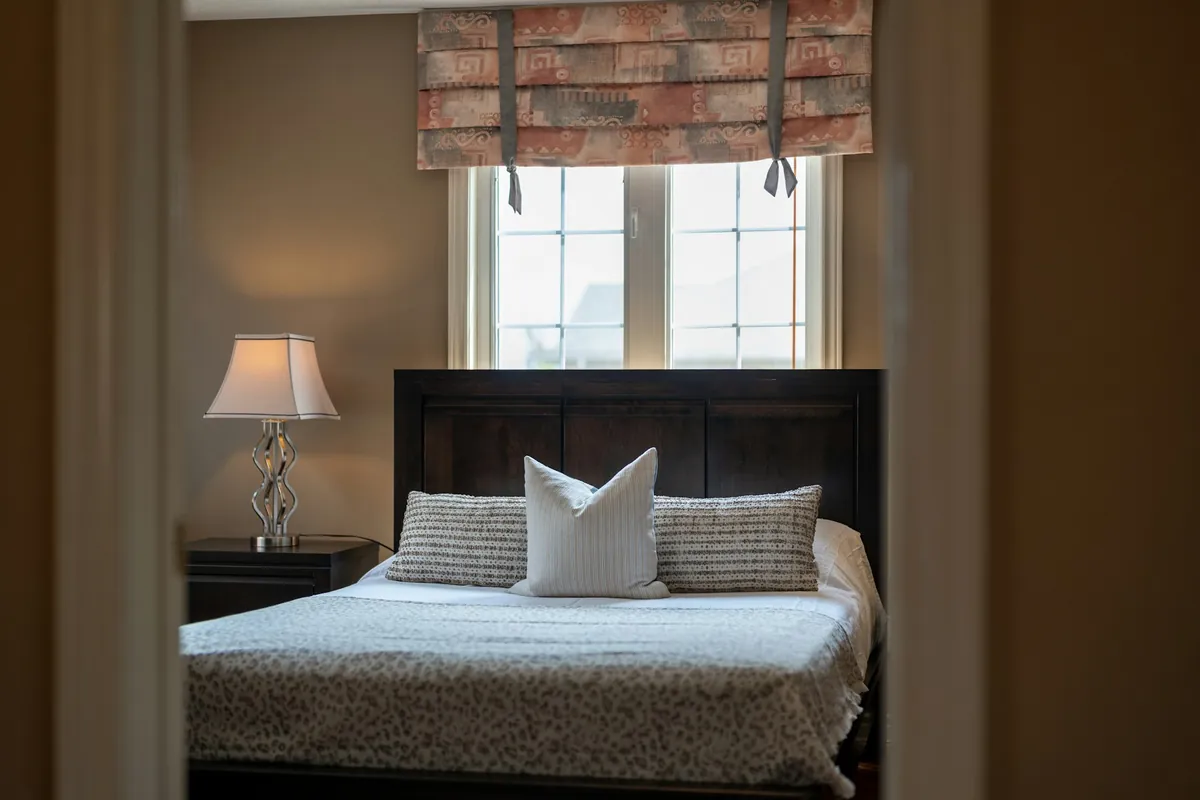
Fabric folds that suit a parlour’s tall windows, with the fold style chosen to look right on a long, narrow shade.
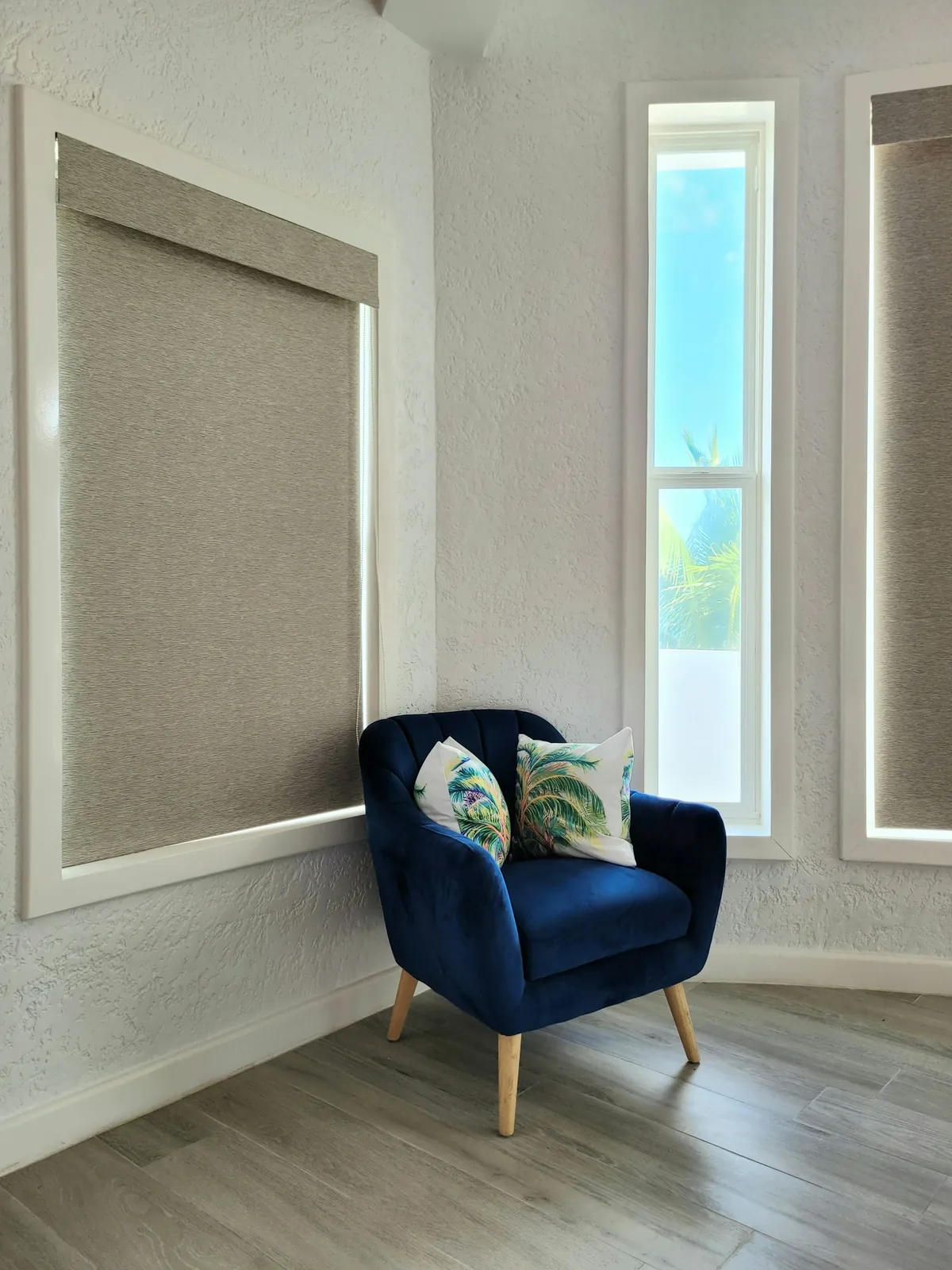
Woven Wood Shades
Woven natural materials filter the light, and a privacy liner behind the weave helps where a neighbour is close.
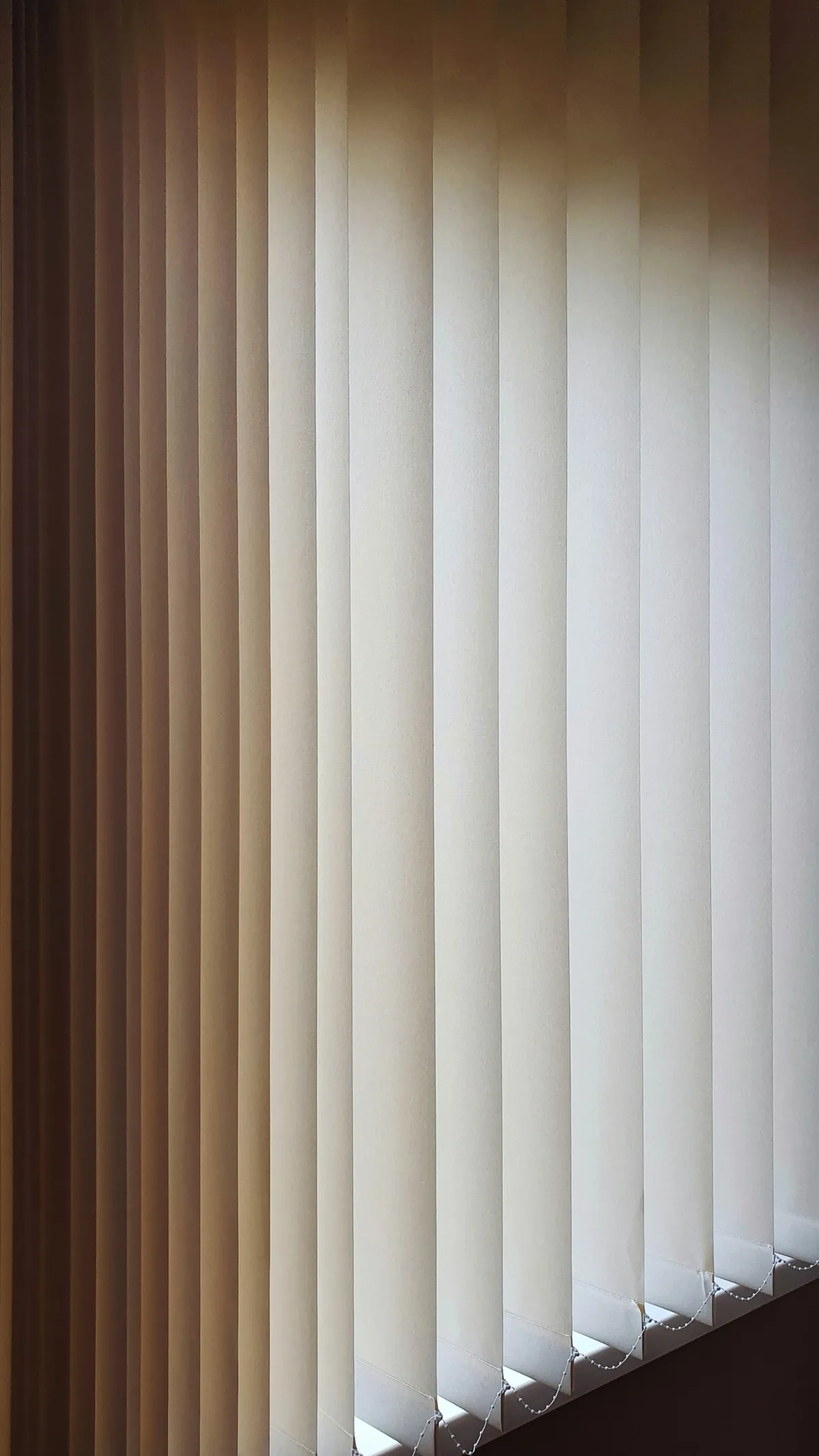
Vertical Blinds
For the back porch door of a three-decker flat, on a track that draws the vanes or panels clear.
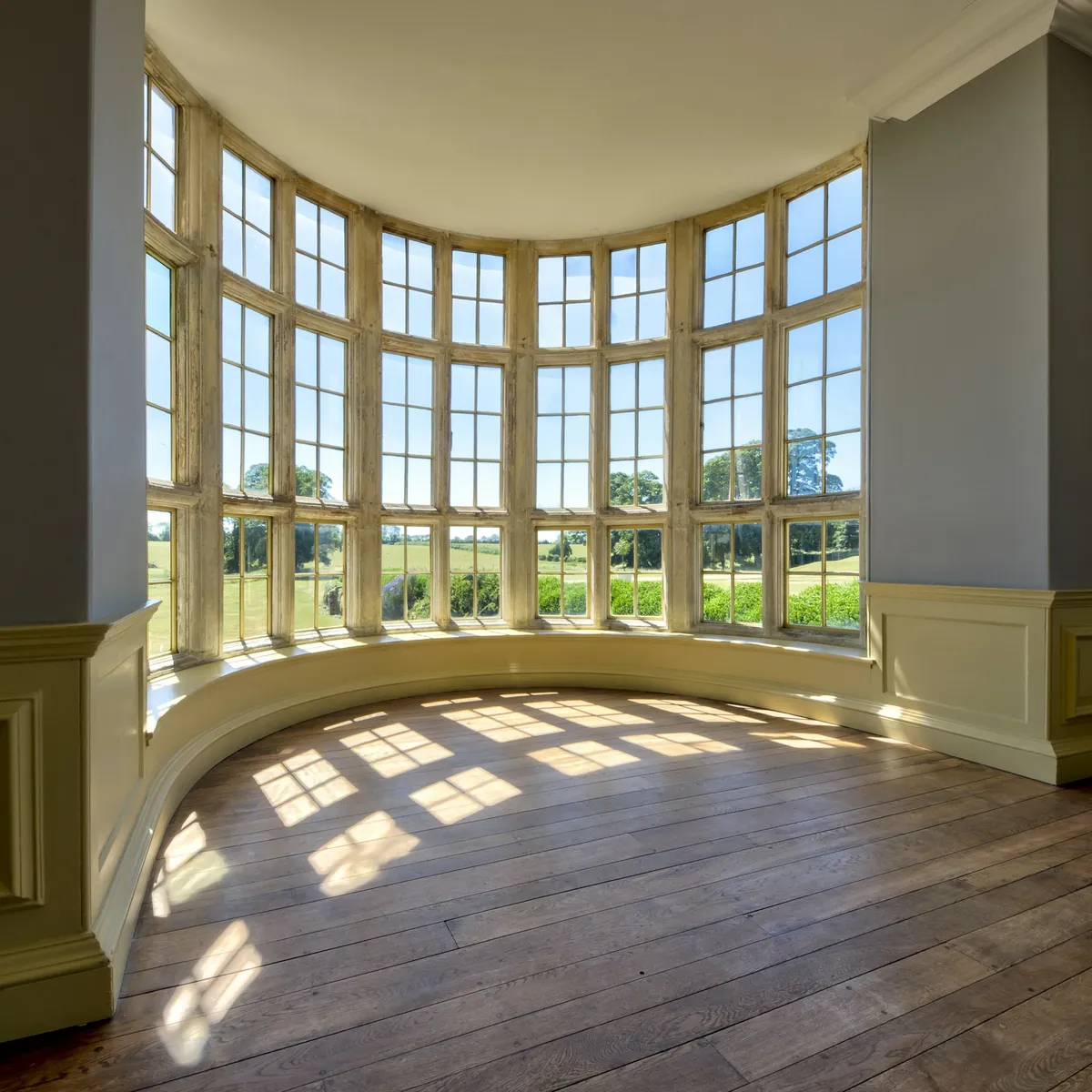
Motorized Blinds and Shades
A remote or a wall switch moves a shade at the top of a tall Victorian sash without reaching or climbing.
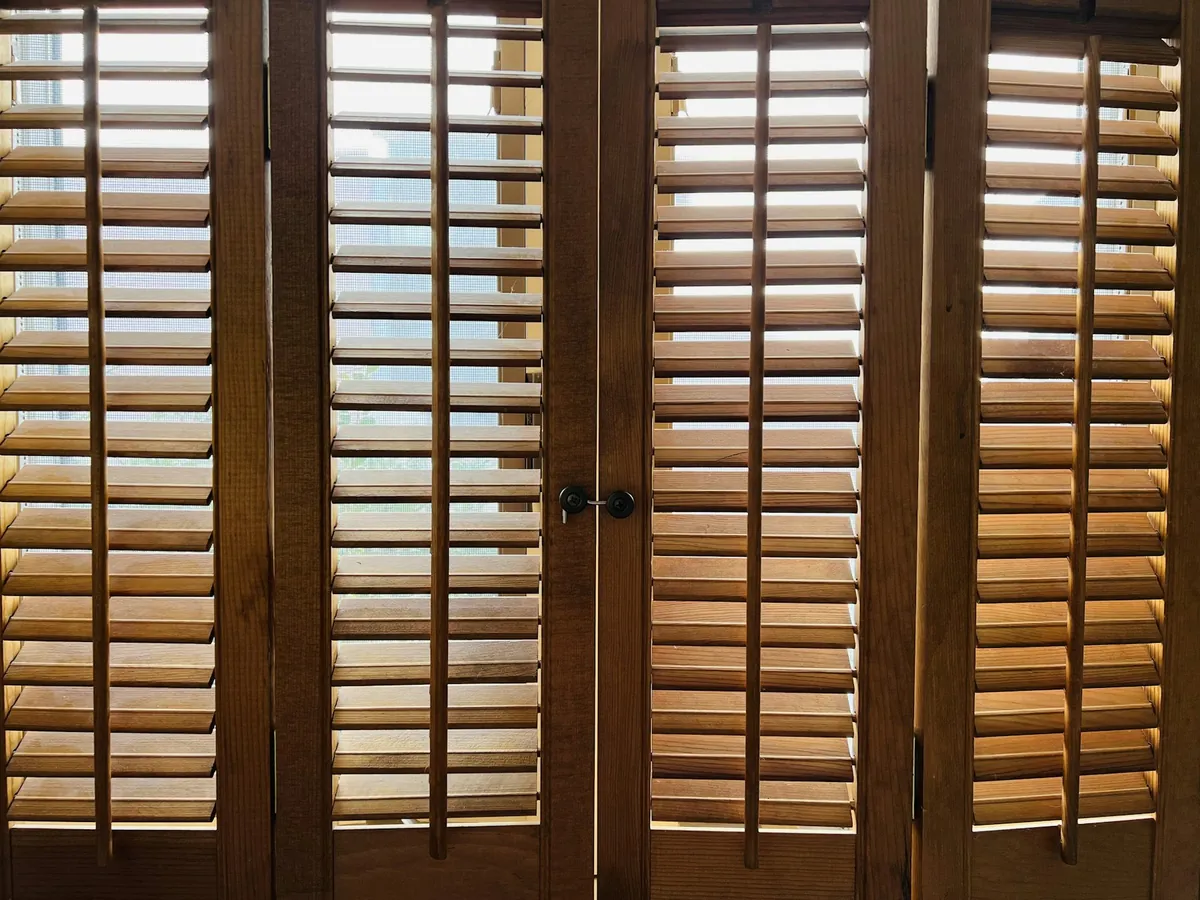
Norman Window Fashions
Norman is a range of blinds, shades and shutters we stock, and samples are in the Swansea showroom to compare.
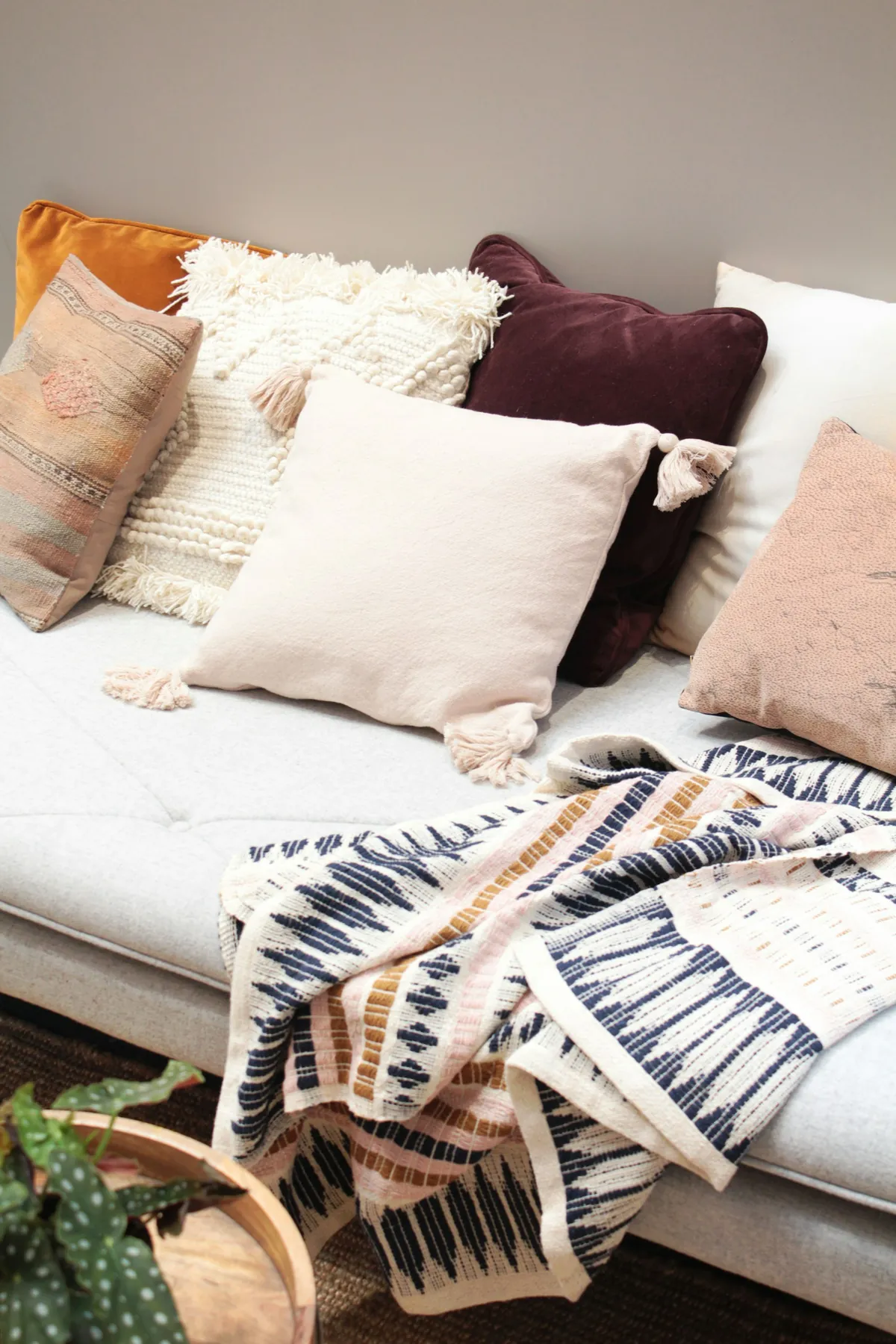
Custom Fabric Decor
Pillows, duvet covers and some upholstery in fabric chosen to go with your drapery.
Why Length Matters More Than Width Here
On a wide modern window, the width decides most of what a treatment costs, weighs and looks like. On Pawtucket’s tall double-hung sash, it is the other way round. The opening is narrow but long, and three things follow from that.
First, the drop has to be exact. A shade or blind made even slightly short leaves a bright strip at the sill. One made long bunches up. Drapery has its own version of this: a panel that floats just above the floor looks tailored, while one that misses the floor by a hand’s width looks like a mistake. That is why every window is measured in your home, top to bottom, rather than ordered by the nearest stock length.
Second, the stack matters. When a tall shade is raised, its fabric or slats gather at the top of the window. On a narrow sash that stack covers a good part of the upper glass, so choosing a material that folds or rolls up small keeps more of the window clear. Roller shades and cellular shades stack smallest. Roman shades and wood blinds stack deeper, which can still look right if the shade is mounted above the frame.
Third, reach. The top of a tall Victorian window is often beyond easy reach, so the controls need to work from a comfortable height. Cords, wands and cordless lifts all do, and motorised shades on a remote or wall switch remove the problem entirely.
Privacy When the Neighbours Are Close
In much of Pawtucket, the side windows of one house look straight at the side windows of the next. In a three-decker that can mean three floors of windows facing three floors of windows across a narrow driveway. Ground-floor rooms near the pavement add a second problem, with people passing a few feet from the glass.
The goal in both cases is the same: daylight in, the view out. There are several good ways to get there.
Tilt the slats. A horizontal blind with the slats tilted upward lets light bounce in off the ceiling while blocking the line of sight from a window at the same height. It is one of the simplest privacy answers there is.
Cover the bottom, open the top. A top down, bottom up shade can be lowered from the head of the window, leaving the upper glass open to the sky and the lower glass covered. On a tall sash this works especially well, because there is plenty of upper glass to bring light in.
Split the shutter. A plantation shutter on a tall window can be made with a divider rail, so the lower louvres stay shut and the upper ones open. It is the shutter version of top down, bottom up.
Choose the fabric for the job. Light-filtering fabrics give daytime privacy without darkening a room, while a sheer softens the light but shows silhouettes at night. Where privacy after dark matters, a lined fabric or a drape over the shade closes the window fully.
Most rooms end up combining two of these, such as a light-filtering shade for the day and lined drapery for the evening. Working out that pairing, window by window, is the heart of planning window treatments in Pawtucket. A bedroom facing the next house may want a divided shutter alone, while a front parlour might take a cellular shade with drapes over it, and a stair window a single light-filtering roller. We suggest a pairing for each room at the measuring visit, with the actual sightlines in front of us, and you decide what suits the way you use the space.
Oak Hill and Quality Hill Victorians
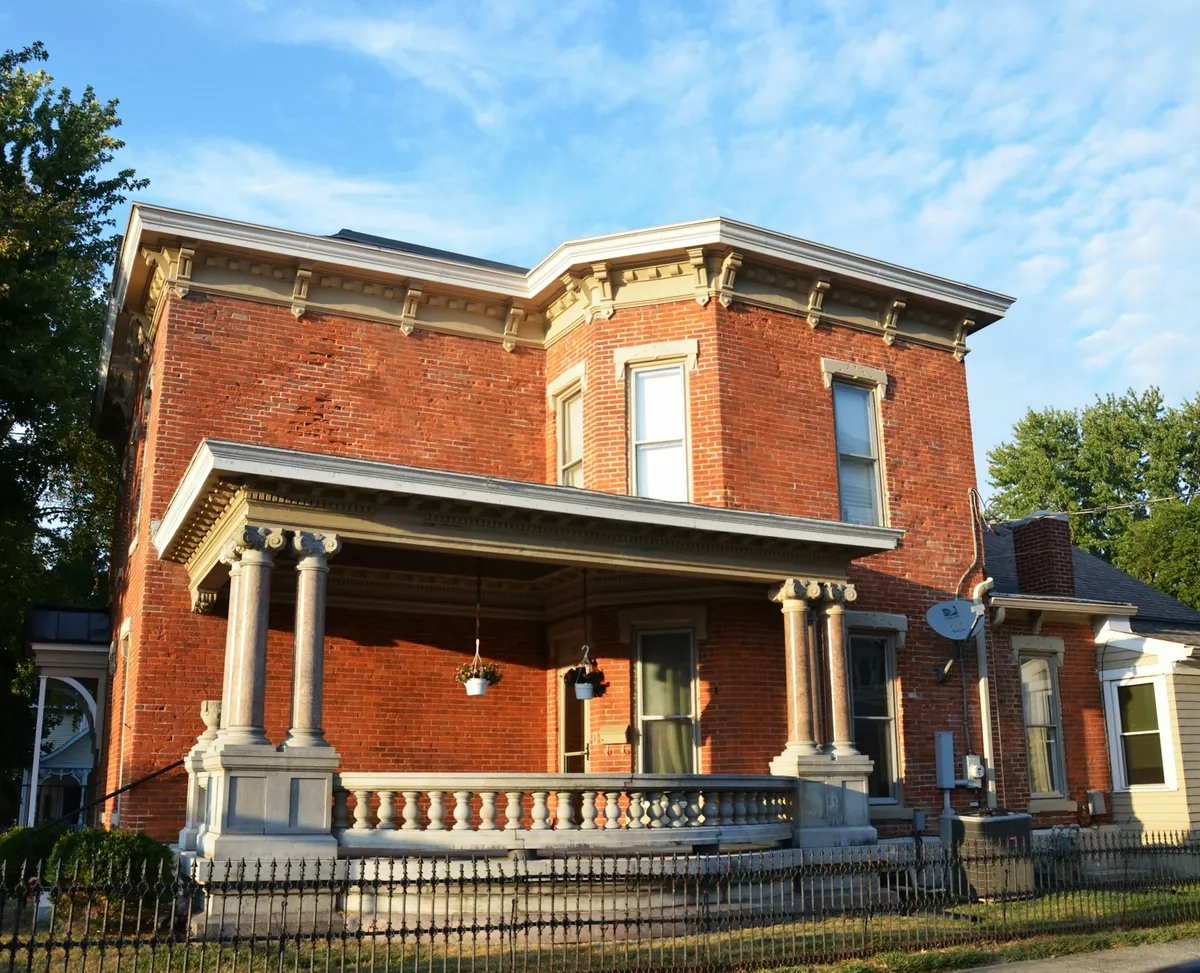
The Victorians on Oak Hill and Quality Hill have tall rooms and long windows, often with deep casings and decorative trim. Those casings are worth keeping on show, so an inside mount is usually the first thing we check. If the frame is deep enough, a shade or blind fitted within it leaves the trim visible. If not, an outside mount set just above the casing, sized to match its width, still looks neat.
Formal front rooms in these houses suit drapery. Hanging the rod up near the ceiling stretches the eye upward, and full-length lined panels make the room feel warm and hushed. Tucked behind them, a Roman or cellular shade handles light and privacy from day to day. Bays, where a house has one, need each face measured separately so the treatments meet cleanly at the angles.
Upstairs, bedrooms on a close-set street usually want a treatment that closes tight. A double cell shade or a blackout-lined Roman shade, fitted inside a deep frame with little gap at the sides, keeps both streetlight and early sun out.
Three-Deckers off Broadway
Off Broadway, the mill-era three-deckers stack one flat on another, and every floor has the same tall, narrow sash as the Victorians up the hill. The repeating plan is useful: a front room on the street, a line of windows along the side wall, a kitchen toward the back and a door onto the porch. Settle the choices for one flat and they usually carry straight up the building, so the facade looks orderly from the pavement.
The street-side room is where light and privacy pull hardest against each other. It is usually the brightest room in the flat and also the most overlooked. A screen-weave roller shade takes the edge off the glare while the street stays visible by day. A shade that lowers from the top keeps passers-by from looking in while the sky still shows. For the side wall, where the next building is close, an upward tilt on blind slats or a light-filtering fabric does the job. The porch door gets verticals or sliding panels on a track that pull fully aside.
Landlords who own the whole building can have every flat measured in a single visit. Tenants or owners of one floor can simply have their own rooms done.
Stair halls and landings
Three-deckers and Victorians alike tend to have a tall, narrow window lighting the stairs. It is seen from more than one floor, it is often hard to reach, and it may face straight into the house next door. A light-filtering roller or cellular shade keeps the stair bright and private. On a landing window nobody can reach, a motorised shade on a wall switch at the foot of the stairs makes it usable every day.
How a Job Runs
From the first conversation to the final fitting, the order follows the same steps, and we stay in contact the whole way.
- You reach us through the call button or the form, mention the rooms and windows you have in mind, and we book your free quote.
- A specialist visits for measuring in your home, takes the full drop of every sash, checks frame depth and notes anything awkward, such as a radiator under a window or a door that swings close to the glass.
- You choose fabrics, slats and controls, with samples at the house or in the Swansea showroom.
- The written quote lists every window, so you see exactly what is being made.
- Your treatments are made to those measurements.
- Our installers fit them, check each one raises, lowers, tilts or draws properly, and show you the controls.
- If anything needs another look afterwards, call the same store.
Fabric at the window and around the room
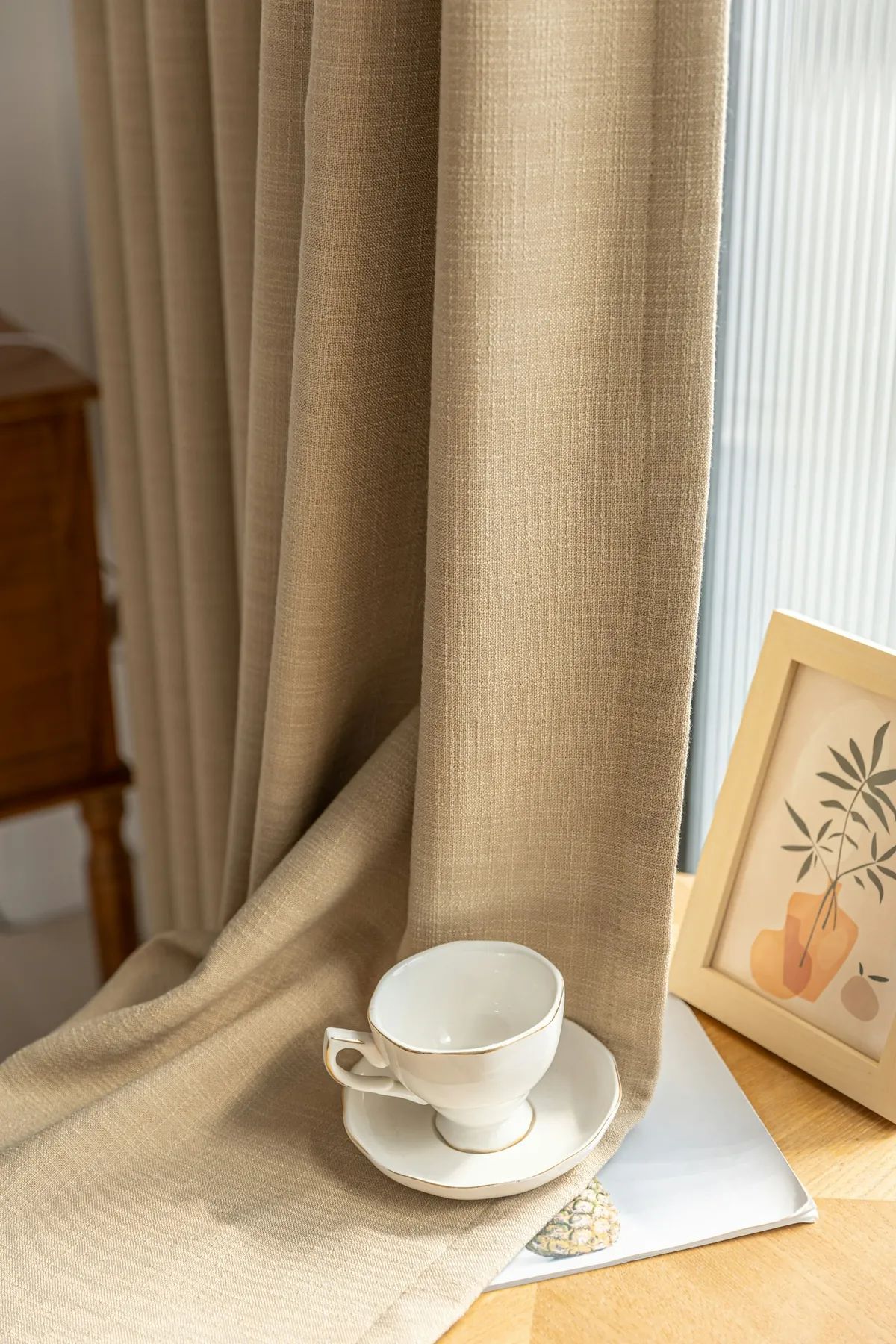
Drapery is the store’s genuine specialty, and on tall windows it does a lot of work. The weight of the fabric decides how a long panel hangs: a heavy linen or velvet falls in deep folds, while a lighter cotton or sheer moves and softens the light. A lining changes how much light comes through and how the drape looks from the street, which matters on a close-set road.
That cloth can continue onto cushions, a bed’s duvet cover or some upholstery, tying the room together. Picking it all in one go keeps the colours consistent.
Keeping warm beside tall glass
A tall pane of old glass loses heat across a lot of surface, and a room with several of them can feel chilly on a winter evening. The honeycomb of a cellular shade holds air against the window, which is why the room stays warmer once it is lowered. Lined drapes pulled across at night add a further barrier. The same layers block hard afternoon sun in summer, protecting floors and fabric. Which windows need the most help depends on the direction they face, so we look at that on the visit.
Colour, linings and the view from the street
On a close-set street, what neighbours and passers-by see through your windows matters almost as much as what you see from inside. A white or soft neutral lining looks calm from outside, even when the face fabric inside is a strong colour or pattern. Matching the linings or shade colours on every street-facing window makes a Victorian or a three-decker look tidy from the pavement, whatever each room uses inside.
For the same reason, when choosing window treatments in Pawtucket, RI, it often helps to decide the street side first and then choose room by room behind it. That way the front of the house reads as one, and each room still gets the material and fabric it needs.
Kitchens and bathrooms in a narrow house
In a three-decker flat or a narrow Victorian, the kitchen and bathroom often sit on the side wall, facing the next house. They need privacy, they get steam, and the windows are tall and slim like the rest. Faux wood blinds handle moisture and tilt for privacy. A moisture-friendly roller fabric wipes clean and rolls up small. A cafe-style shutter over the lower half of a kitchen sash keeps the room private while the top stays open for light. Real wood and delicate fabrics are better kept for the dry rooms.
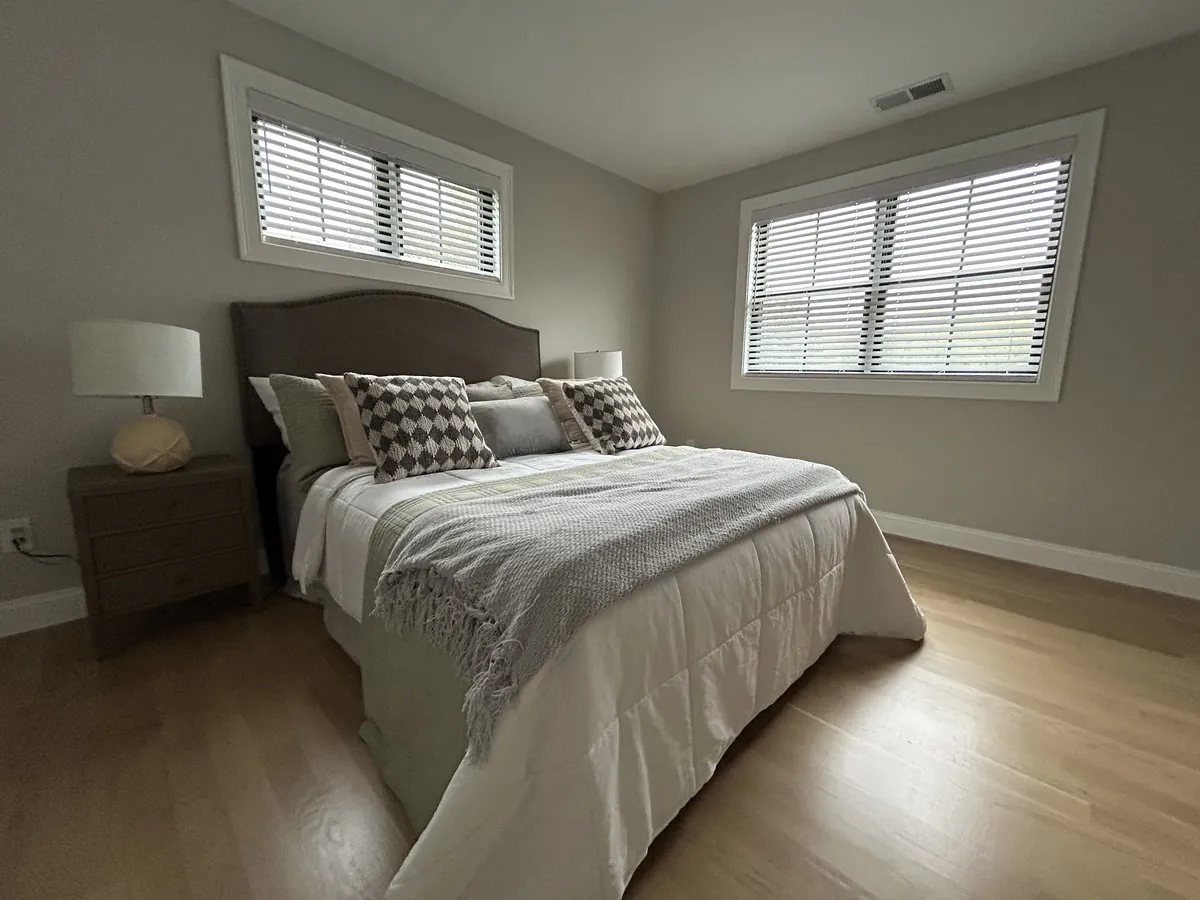
What Sets Window Works Apart
Since 1988, Window Works has been a family store in Swansea, and it is now in its second generation. We serve 25 towns across the SouthCoast of Massachusetts and the Rhode Island East Bay, and Pawtucket is one of them.
- A team of experienced window treatment specialists
- Every window measured where it is, in your home
- Our own team for installation
- We keep in touch with you until the job is finished
- Warranties offered on what we sell
That has been the way of working for over 37 years.
See the Options in Person
Choosing window treatments for a Pawtucket, RI home is easier with the samples in your hands. In the Swansea showroom you can raise a roller beside a Roman shade to compare how each one stacks, work a top down, bottom up lift, feel how heavy and light drapery fabrics hang, and handle the Norman range.
Bring along a room photo or a scrap of fabric you love, and one of our specialists will help you shortlist ahead of the measuring visit.
Questions from Pawtucket
My windows are very tall and narrow. Can you make treatments that fit properly?
Yes. Every window is measured in your home for its full drop, and each treatment is made to that length. We also check frame depth so we can fit inside the frame where possible.
The house next door is very close. What gives privacy without darkening the room?
Blinds with the slats tilted upward, top down, bottom up shades, divided shutters and light-filtering fabrics all let light in while blocking the view. Lined drapery adds privacy after dark.
I own a three-decker off Broadway. Can every flat be done together?
Yes. Owners can have all the flats measured in a single visit, with the street-facing windows kept the same colour so the building looks even. A tenant or single-floor owner can have just their own rooms done.
Which treatments take up least of the window when raised?
Roller shades and cellular shades stack smallest at the top, which keeps more of a narrow sash clear. Roman shades and wood blinds stack deeper but can be mounted above the frame.
What does a quote cost?
Nothing. Quotes are free. Use the call button or the form, and we will arrange measuring in your home.
Talk to Us
The simplest next step is the call button, which reaches the Swansea store, where you can book a free quote, set up measuring in your home or ask about installation. Or send the form and we will be in touch. Every service is on our window treatments page, and the contact page has directions to the showroom. Window Works has a 5.0 rating on Google.
Window Works serves 25 towns across the SouthCoast and the Rhode Island East Bay; you can see them all on our service areas page.