
Three Eras of House, One City
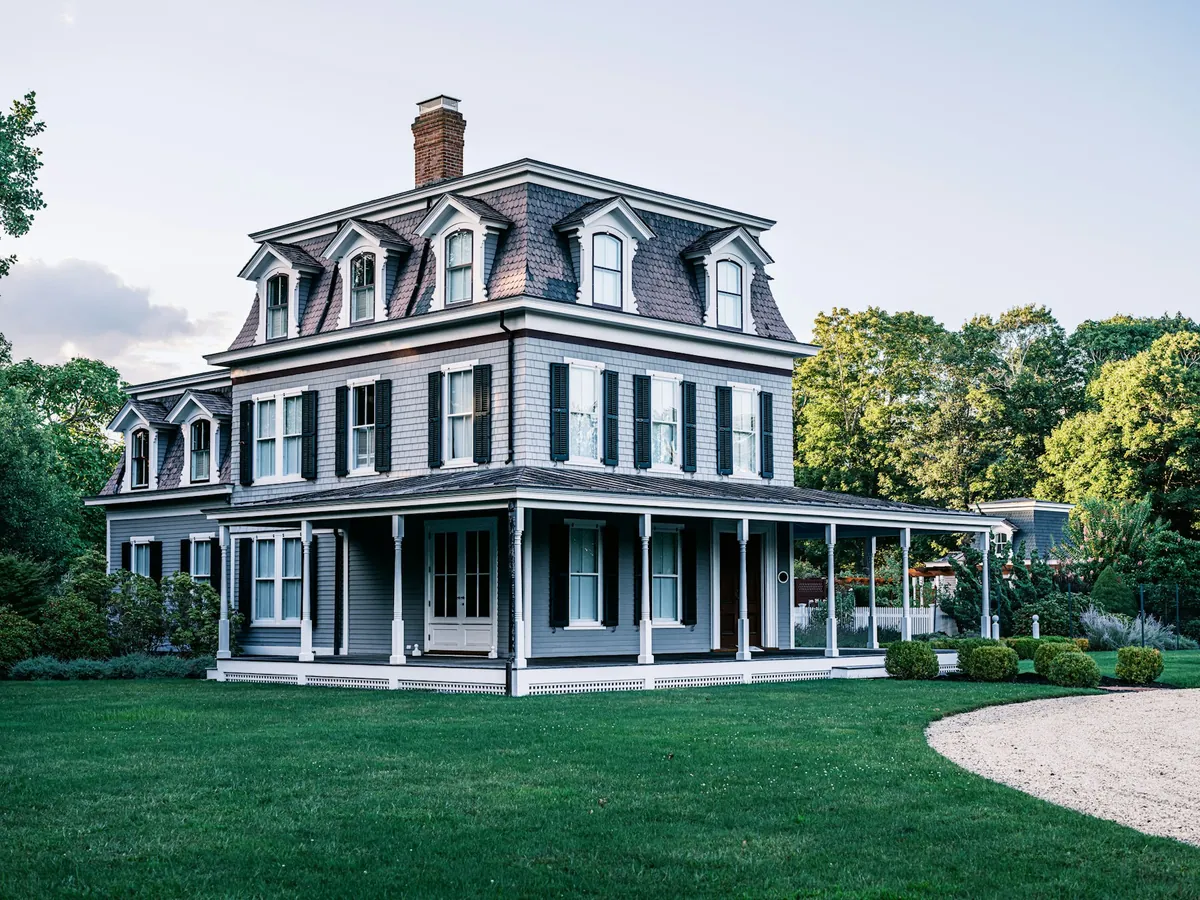
Cranston packs three distinct generations of housing into one city, and good window treatments in Cranston, RI start by working out which one you live in. Edgewood, near the bay, is Victorian: tall sash, bay windows, high ceilings and deep interior trim. Garden City is mid-century capes and ranches, with picture windows, dormers and a steady run of standard sizes. Western Cranston brings the newer colonials, with two floors of matching windows, sliders to the deck and open kitchens.
A shade that looks right in a Garden City ranch will usually look thin in an Edgewood parlour, and a heavy Victorian drape would swamp a cape bedroom. So we look at the house before we talk about products.
- Edgewood Victorians: height, bays and trim to work with
- Garden City capes and ranches: practical, repeatable sizes
- Western Cranston colonials: many windows, planned as one scheme
What We Make for Cranston Houses
Drapes and Curtains
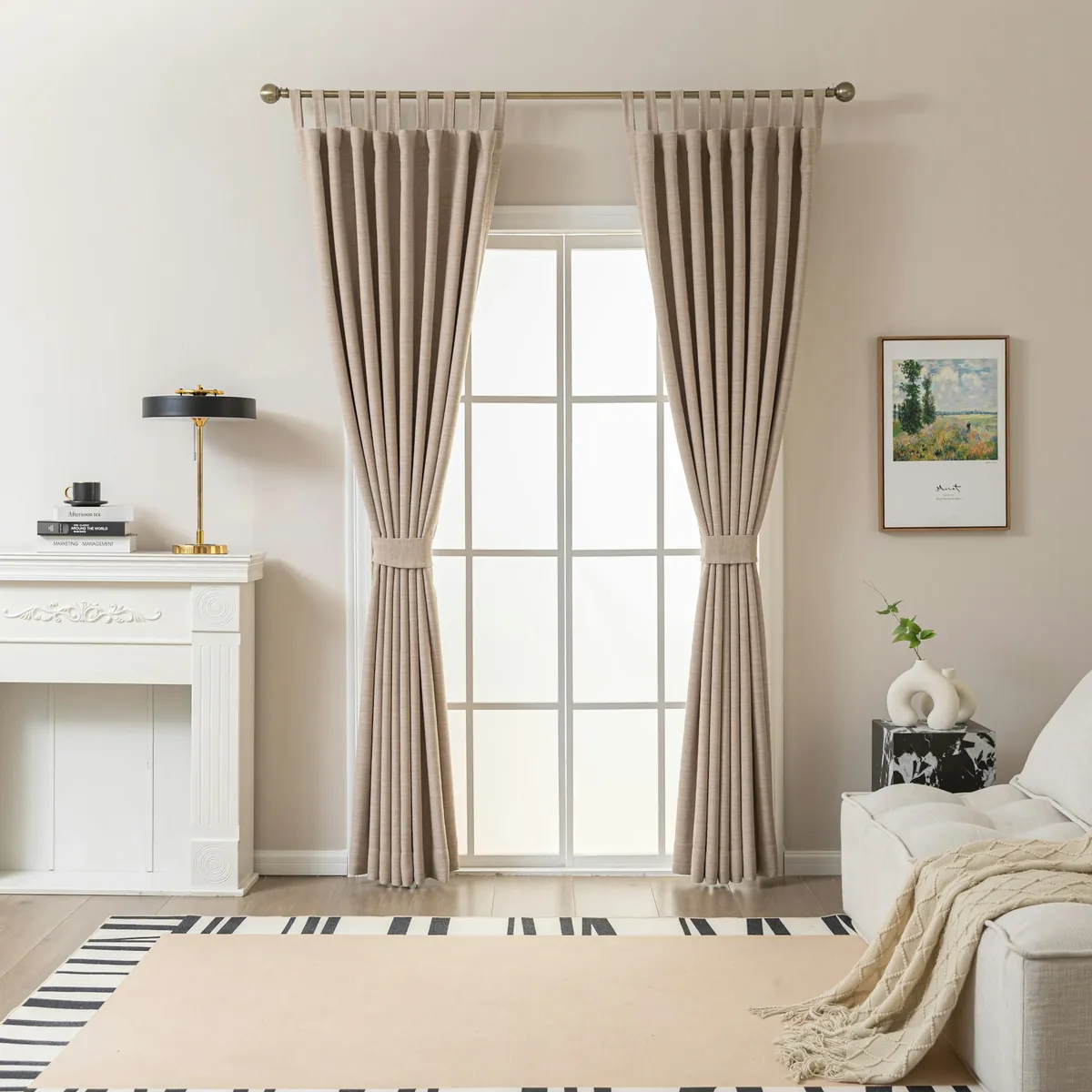
Drapery is our specialty, and an Edgewood parlour with tall sash is where a full-length, lined panel looks at home.
Plantation Shutters
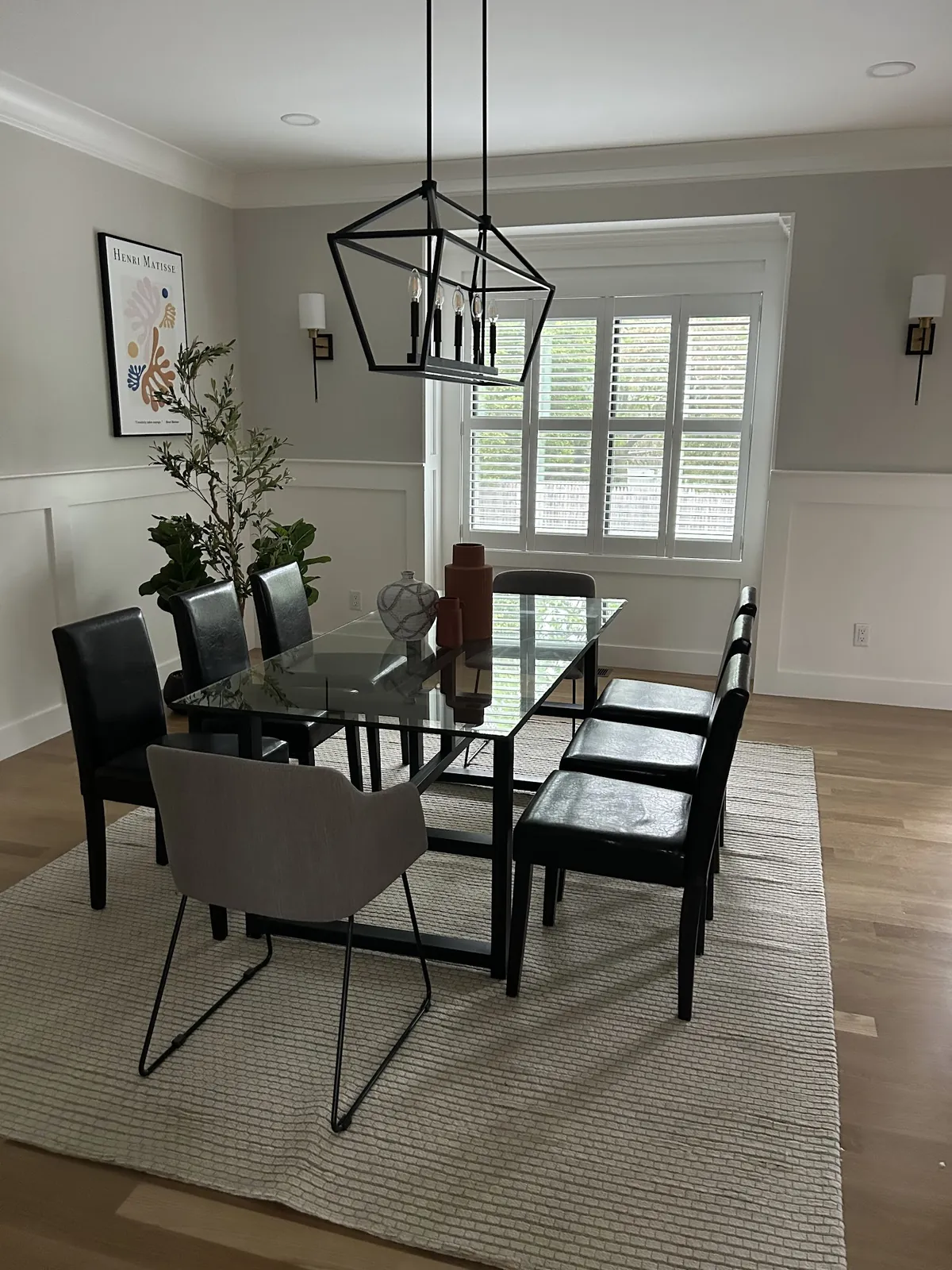
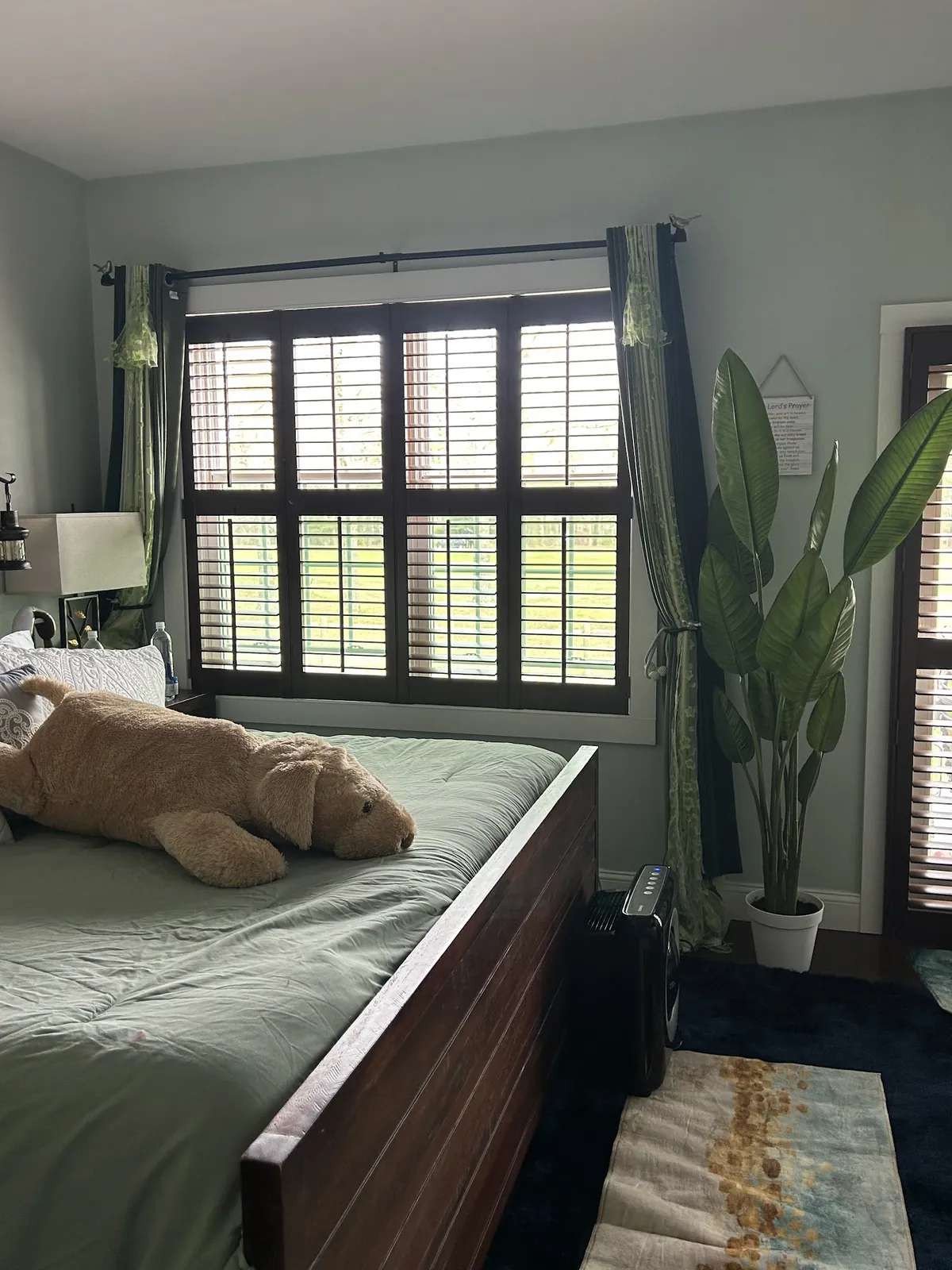
Interior shutters with a frame style chosen for the room, from slim modern frames in Western Cranston to fuller profiles for Victorian trim.
Cellular Shades
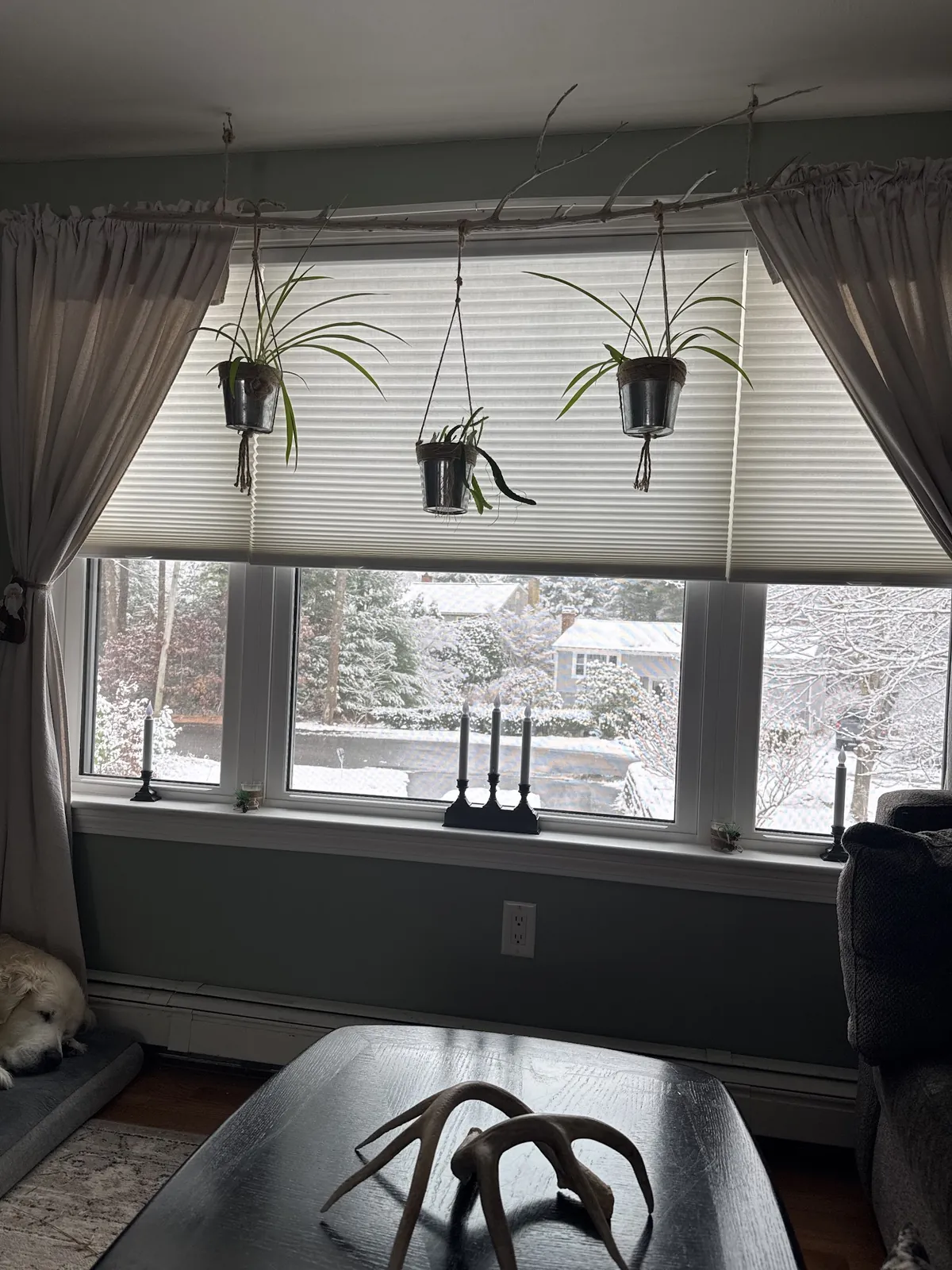
Each facet of a Victorian bay gets its own honeycomb shade, so the curve stays crisp when they are all lowered together.
Custom Blinds
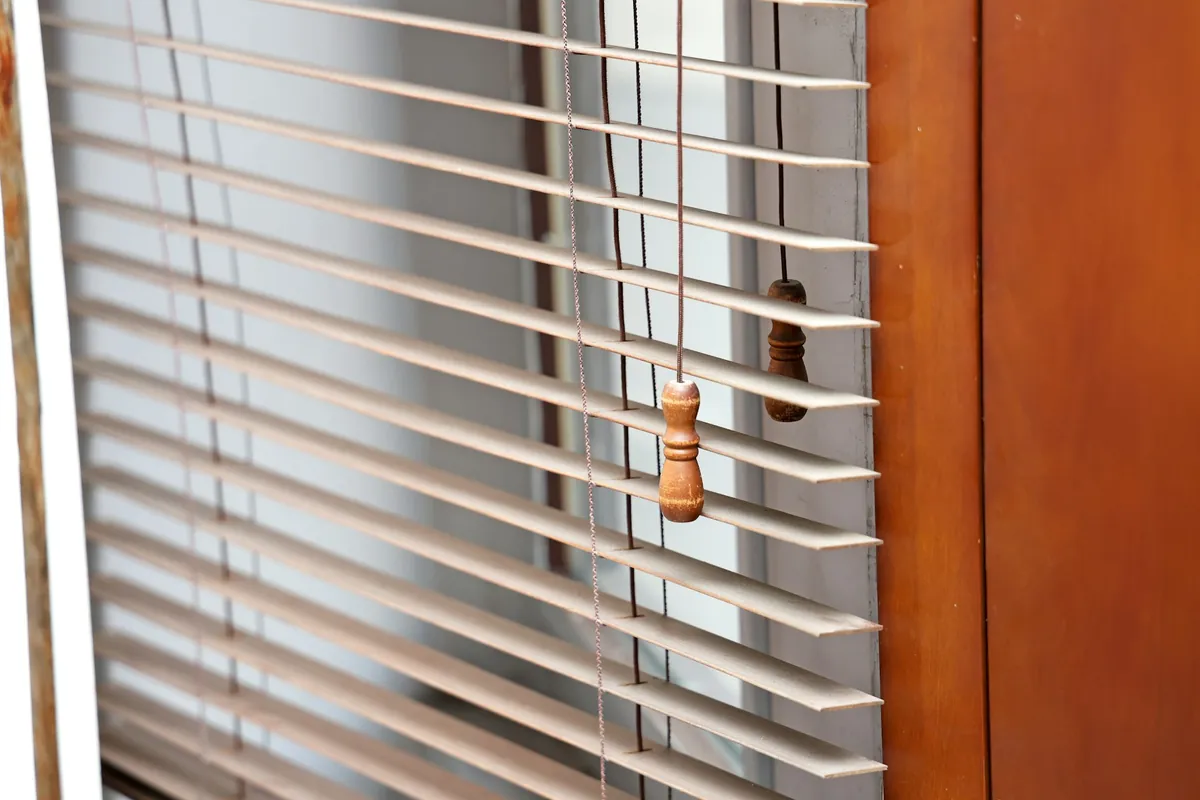
Faux wood, real wood, aluminium or vertical, sized to Garden City’s regular openings and repeated room to room.
Roman Shades
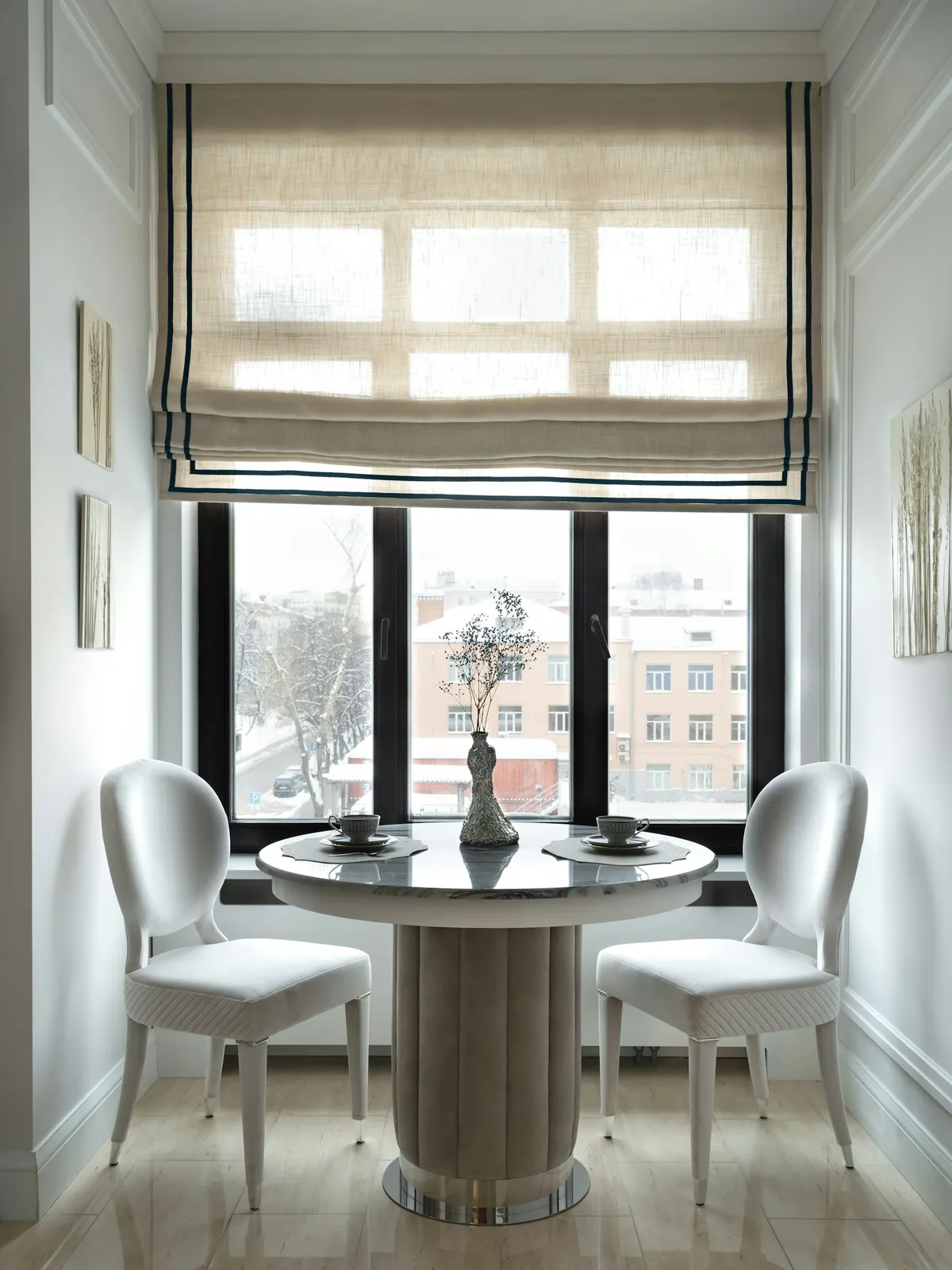
A folded fabric shade for the breakfast nook or the cape’s front room, in a flat fold for a tailored look or a relaxed one for something softer.
Roller Shades
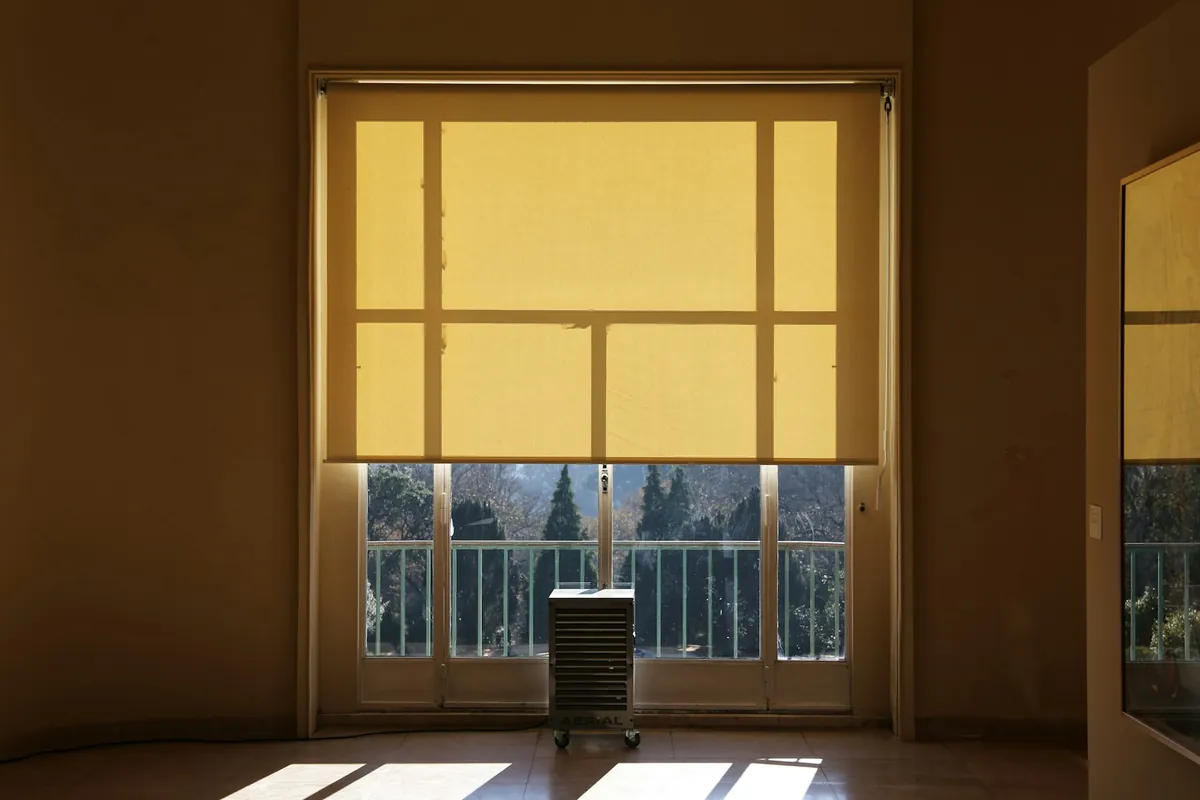
Rollers and solar screens that cut glare on a ranch picture window while keeping the yard in view.
Motorized Blinds and Shades
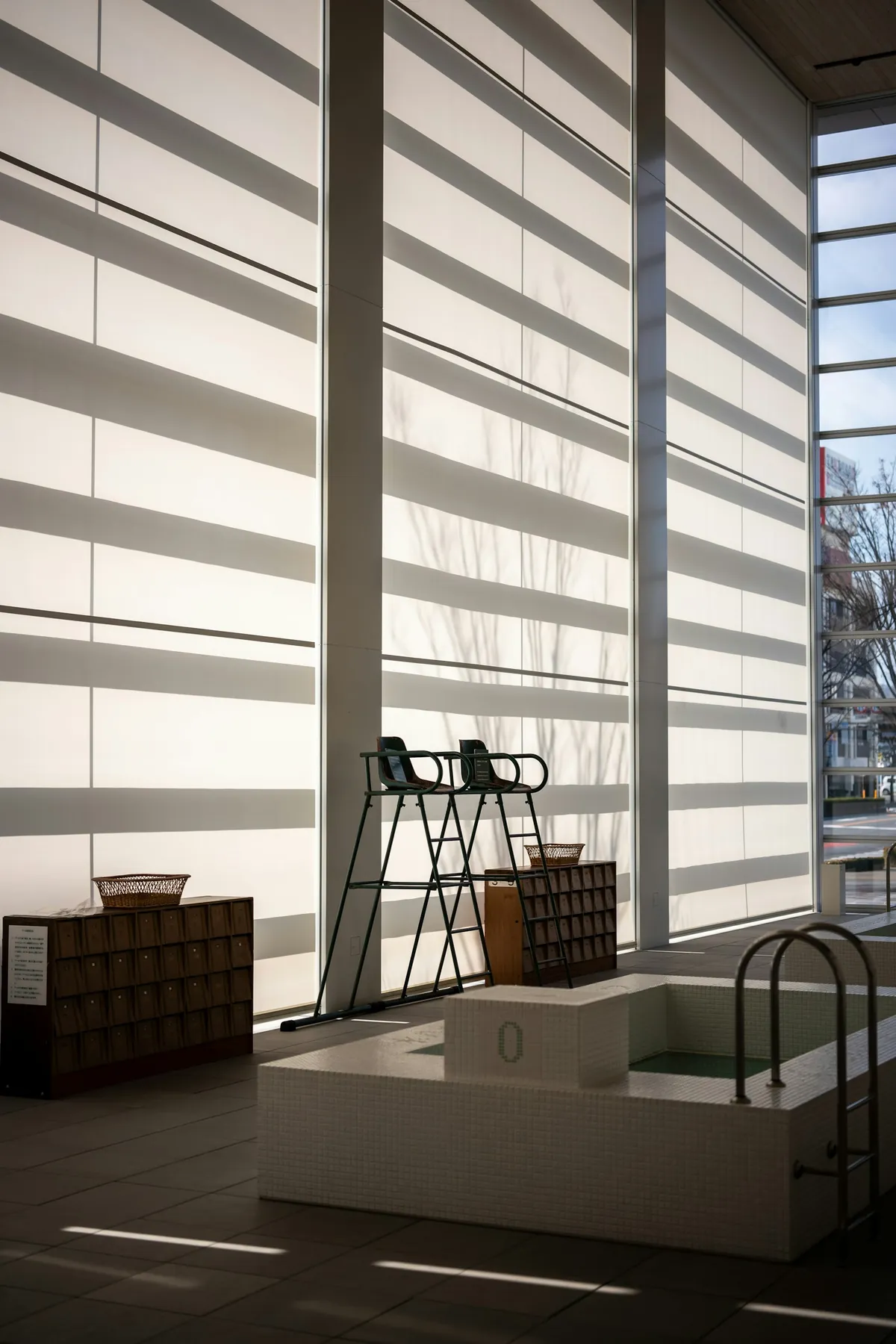
Shades you raise with a remote or a wall switch, handy for tall Victorian sash or a high colonial foyer window.
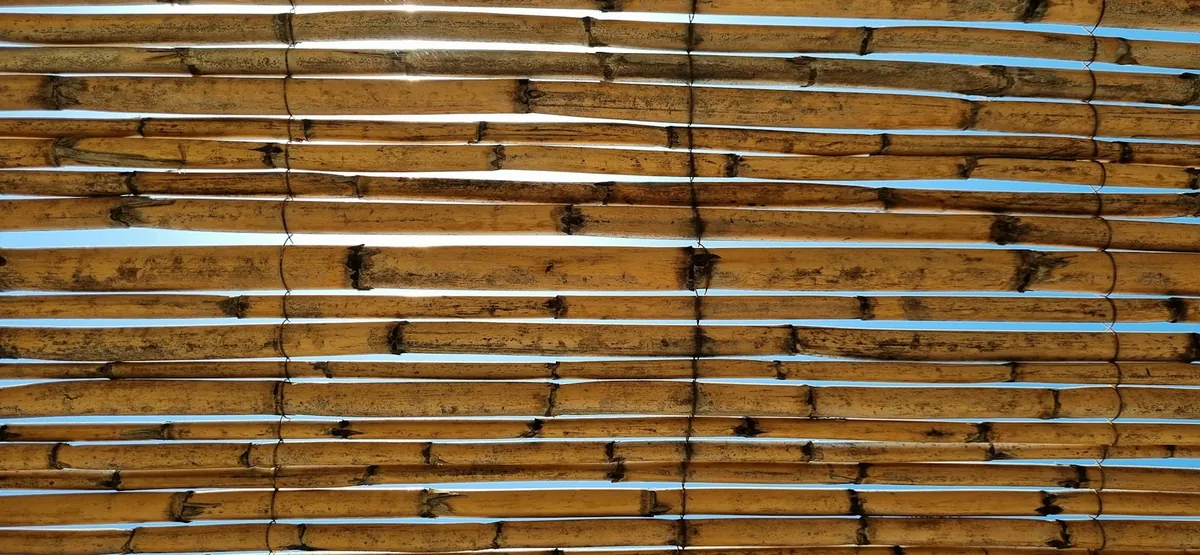
Woven Wood Shades
Bamboo, reed and wood weaves that bring texture to a sunroom or a three-season porch added to an older house.
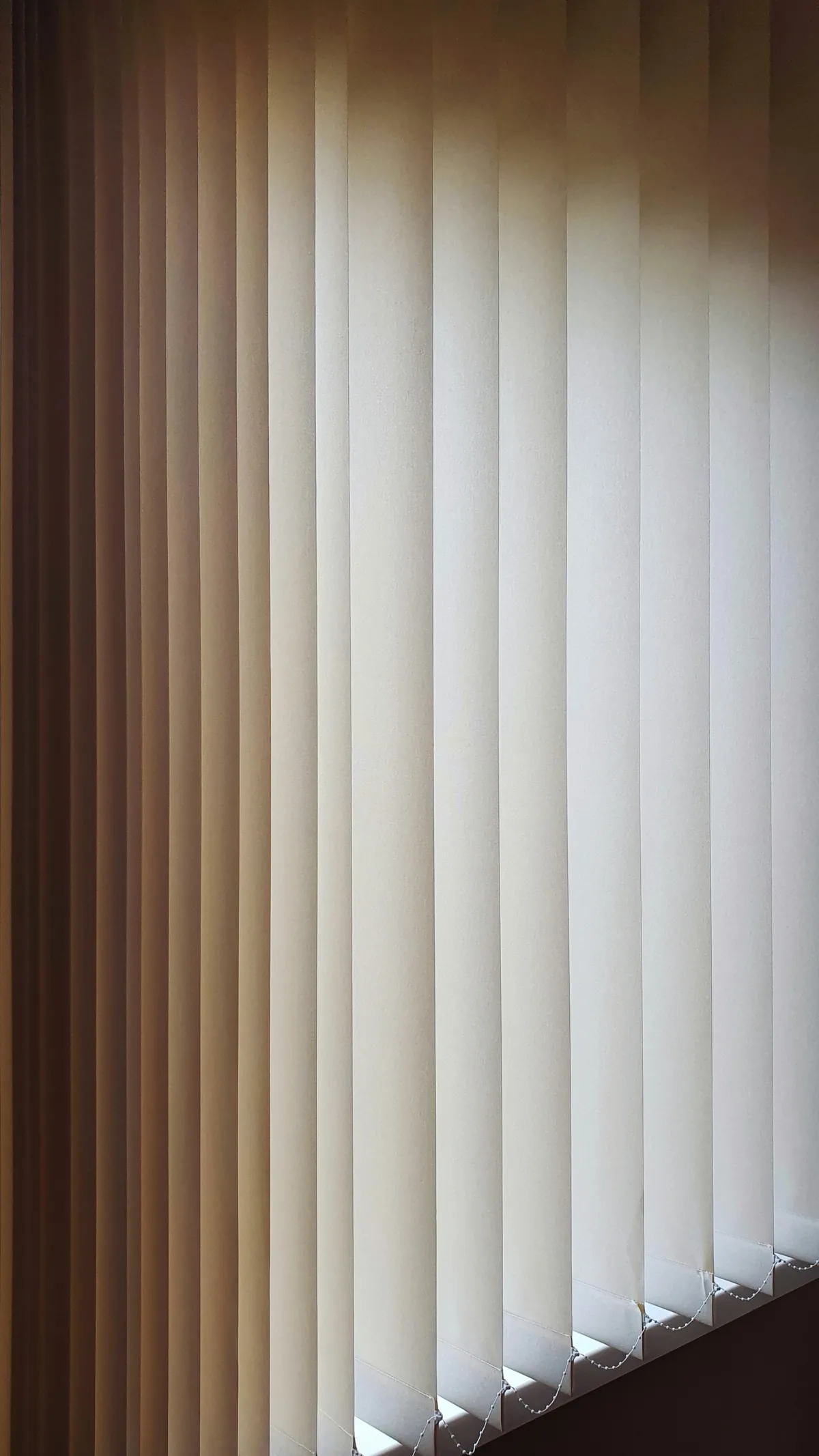
Vertical Blinds
Vertical vanes and panel tracks for the sliding doors behind Western Cranston kitchens.
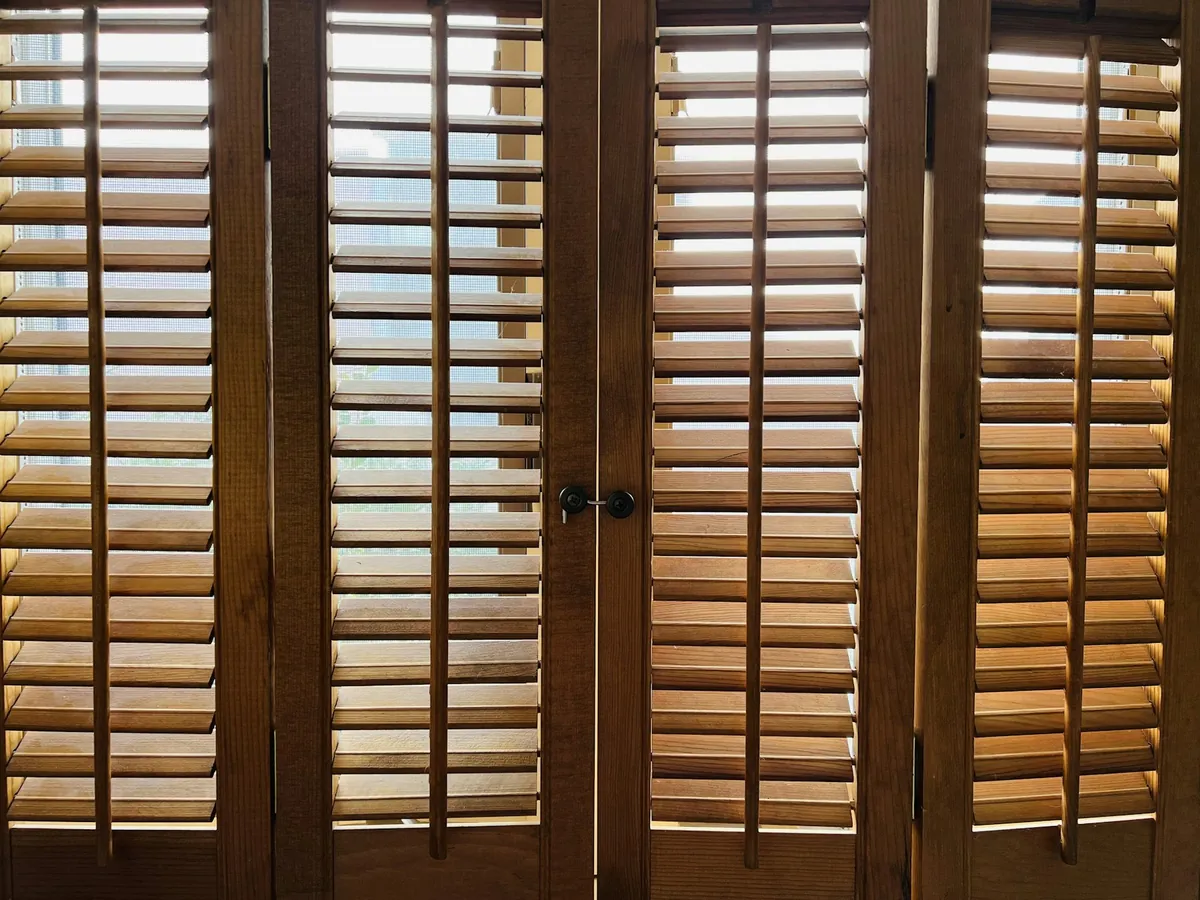
Norman Window Fashions
Norman shutters, blinds and shades are on show at our Swansea showroom, so you can handle them before choosing.
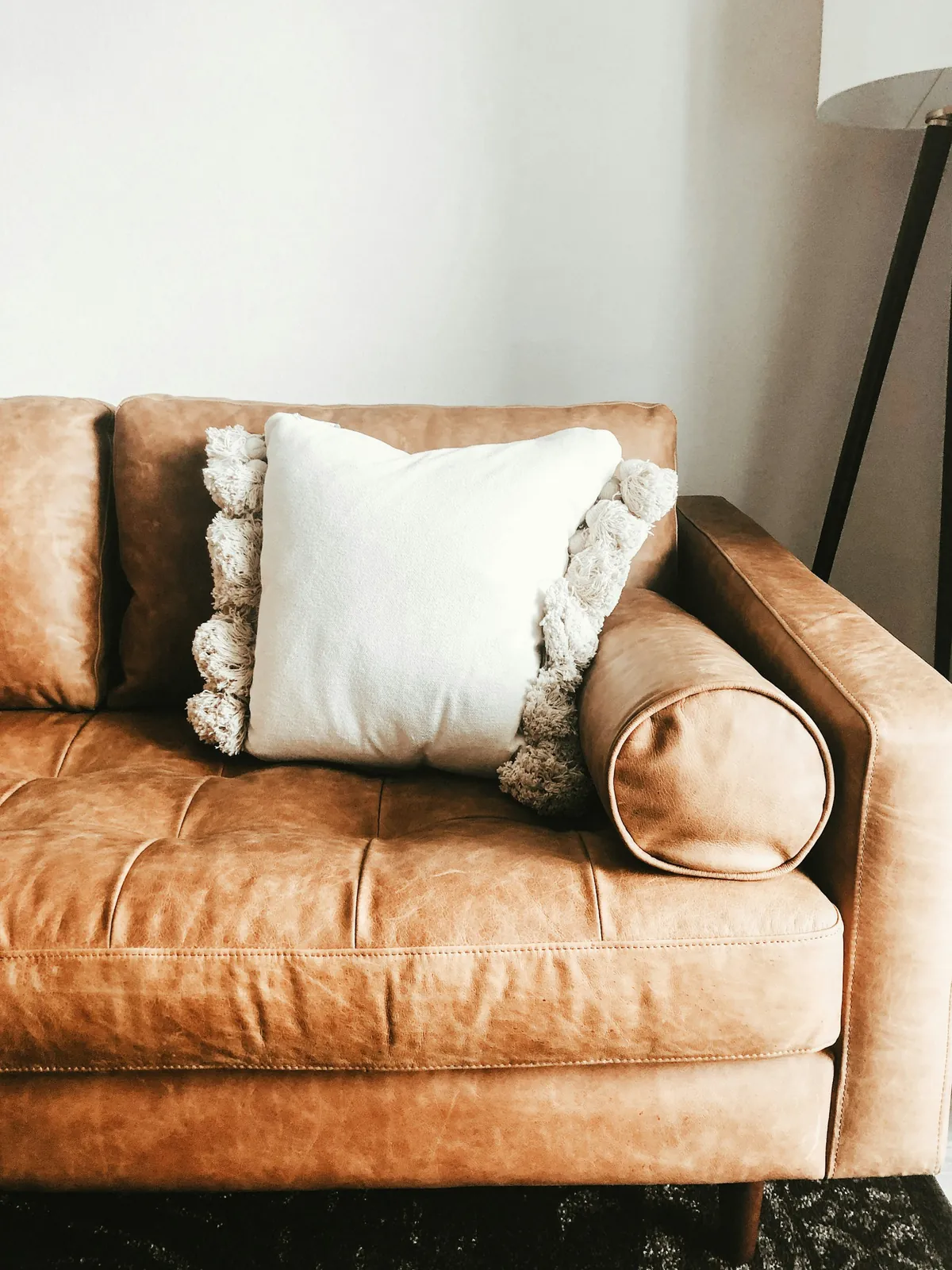
Custom Fabric Decor
Cushions, duvet covers and some upholstery in fabric picked to sit with the drapery or Roman shade in the room.
Matching the Treatment to the Era
The point of the local notes for Cranston is simple: a treatment that suits Garden City rarely suits Edgewood. Below we take each part of the city in turn, then cover the questions that cut across all three, from mounting to fabric, and how an order runs.
Edgewood: tall sash, bay windows and high ceilings
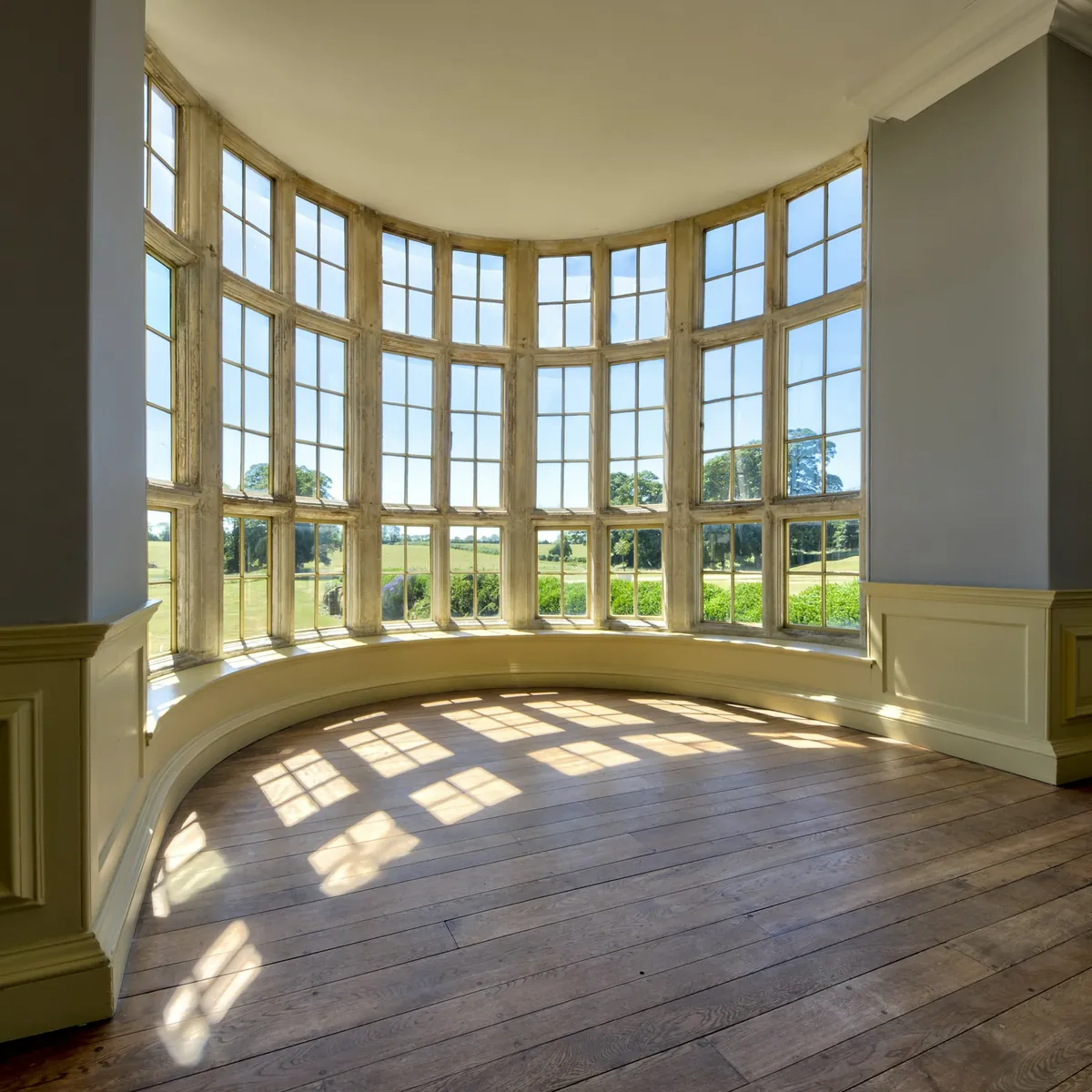
The Victorians in Edgewood were built when a window was a feature of the room, not just a source of light. The sash is tall, the ceilings are high and the casing around each window is often wide and moulded. Many of these houses have a bay at the front, sometimes on both floors, and a few have stained or patterned glass at the top of a stair.
These windows can carry a fuller treatment than almost anywhere else in the city. Floor-length drapery hung close to the ceiling makes the most of the height, and a lined, interlined panel gives the weight and fall that a room of that scale needs. Behind it, a working layer handles light and privacy day to day. That might be a cellular shade inside the frame, a Roman shade in a fabric that picks up the drape, or a wood blind in a stain close to the trim.
Plantation shutters also suit Edgewood well, particularly in a dining room or a front parlour. A wider louvre opens up the view toward the bay, and a frame that matches the depth of the old casing makes the shutter look as if it has always been there.
Bay windows deserve their own mention. Each facet is measured separately, because the angles are rarely quite equal in an older house. Shades or blinds are made for each section so they meet neatly at the corners. Drapery can then run around the whole bay on a bent rod or hang only at the outer edges, depending on how much of the window seat you want to use.
Garden City: capes, ranches and the picture window
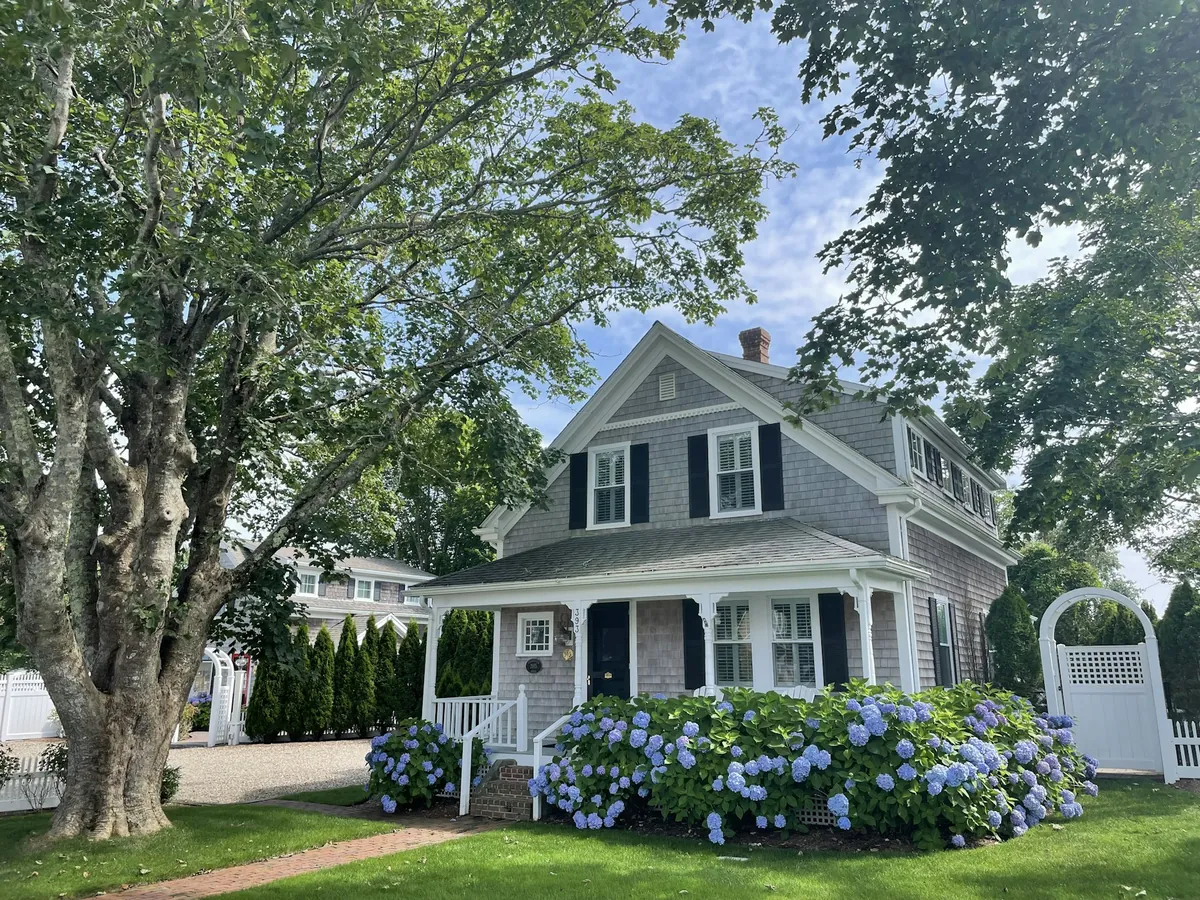
Garden City is a different world. The capes and ranches there were built in the middle of the last century to a fairly consistent plan, and that shows in the windows. Most are standard sizes. Ranches usually have one large picture window at the front, sometimes flanked by narrower side windows, and a row of similar bedroom windows down the hall. Capes add dormers upstairs, with sloped ceilings close around them.
The picture window is the main decision. It faces the street, it is often the largest piece of glass in the house, and it gets the full afternoon sun on a west-facing lot. A solar screen roller shade cuts the glare and keeps furniture from fading while leaving the view out to the yard. A light filtering cellular shade softens the light and adds privacy. For a warmer look, side panels in a plain fabric frame the window without needing to close.
Bedrooms in a ranch usually look best with one treatment repeated, so the house reads evenly from the street. Faux wood or aluminium blinds, or a room-darkening cellular shade, are the common choices. In the dormers of a cape, the treatment needs a slim headrail and a compact stack, so the small window stays as clear as possible when the shade is raised.
These houses are also where budget-minded, practical choices make the most sense. A clean, well-fitted blind or shade suits a cape far better than an elaborate drape, and it is easy to match across the house.
Western Cranston: newer colonials and open plans
Out in Western Cranston, the newer colonials bring a lot of windows in regular sizes, plus a few special cases: a tall window over the front door, a two-storey family room, an arched transom and a slider or French doors off the kitchen. Fit is rarely the problem. Planning is.
We usually suggest working out a scheme for the whole house first, even if you only order some rooms now. The front elevation should look consistent, the open kitchen and family room should share a colour or material, and the formal rooms can carry something dressier, such as shutters or drapery with a Roman shade. The kitchen slider takes a vertical blind or a panel track, which draws aside rather than lifting.
The high windows are where motorisation earns its place. A shade on a foyer window or high in a two-storey room can be raised and lowered with a remote or a wall switch, so nobody needs a ladder or a long pole. Cellular shades are a frequent choice for that glass, since they are light and soften the strong light those windows let in.
A two-storey family room is worth thinking about as a single wall rather than two rows of windows. The lower windows are the ones you reach and use every day, so they take a shade or blind you operate by hand. The upper row is often left open for light, or fitted with matching shades on a motor so the whole wall can close together on a bright afternoon. Keeping the same fabric and colour top and bottom stops the wall looking patched, and an arched top above it can stay bare to show off its shape. We measure both rows on the same visit, so the finished treatments line up across the whole height of the room.
Kitchens, baths and the rooms with steam
Every era has its wet rooms, and each needs a material that copes with moisture. In an Edgewood Victorian the kitchen window is often narrow and tall, sometimes over a sink with a deep sill, and the bathroom may have a single sash with old wavy glass. Faux wood blinds or a cafe-style shutter on the lower half keep privacy and let light in at the top. In a Garden City ranch the kitchen window over the sink is usually a standard size, and a faux wood blind or a moisture-friendly roller shade is the simple choice.
Western Cranston kitchens are more often open to a family room, so the treatment over the sink has to sit well with the rest of the space. A faux wood blind that matches the wood blinds in the family room, or a roller shade in the same fabric as the shades beside it, keeps the open plan looking like one room.
Stair windows and coloured glass
Some Edgewood houses still have a stair window with stained or patterned glass, and window treatments in Cranston, RI for those windows usually mean leaving the glass alone. If the landing needs privacy, a sheer or a shade mounted above the decorative section can cover the plain glass below while the coloured pane stays on show. Where the coloured glass is only a transom, a treatment on the main sash beneath it is all that is needed.
Window Treatments in Cranston, RI: Questions That Cross Every Era
Some questions come up whatever the age of the house. Here is how we answer them for window treatments in Cranston, RI.
Inside the frame or outside it
An inside mount sits within the window opening and leaves the casing on show. It looks built in and suits Edgewood’s moulded trim and the regular frames of Western Cranston. It needs enough depth and a reasonably square opening. An outside mount sits on the wall or casing, can make a window look larger and hides an uneven frame. In Garden City, where some picture windows have shallow frames, an outside mount above the glass is often the tidier answer.
Light, privacy and glare
Each room is set up for how it is used. Bedrooms want darkness at night, so room-darkening fabrics or a blind that closes tight come first. Living rooms want soft daylight and privacy in the evening, which a light filtering shade or a tilted blind gives. West-facing glass, common on Garden City streets laid out east to west, benefits from a solar screen that cuts glare while keeping the view.
Fabric that carries through the room
Window Works makes drapery, Roman shades and custom fabric decor in one place, so the same cloth can turn up at the window, on a cushion and on a duvet cover. In an Edgewood house that might mean a damask drape and matching bolster in the parlour. In a Western Cranston family room it might be a simple linen shade with pillows in the same weave.

How an Order Runs
From the first call to the last shade, we stay in touch with you at every step.
- Use the call button or the form to book a free quote, and tell us which part of Cranston you are in and which rooms you have in mind.
- A specialist visits for measuring in your home, taking every window on its own and noting bays, transoms, sliders and any frames that are out of true.
- You pick materials, colours and controls, from samples brought to the house or at the Swansea showroom.
- We send a quote itemised by window, so you can see what goes where and adjust before ordering.
- The treatments are made to the measurements taken at the house.
- Our team installs them, tests each one and shows you how they operate.
Older windows, sticking cords and small repairs
In Edgewood especially, it is common to find blinds or shades already in place that still have life in them. If a cord frays, a wand stops turning or a headrail sticks on a treatment you already own, our team can take a look. Sometimes a repair is all it needs.
Doing the house in stages
Plenty of Cranston orders start with the front rooms and finish with the bedrooms a season or two later. That works well as long as the first rooms are chosen with the rest in mind. We keep a note of what was made for each window, so the next order can match it.
Sheers, layers and tall rooms
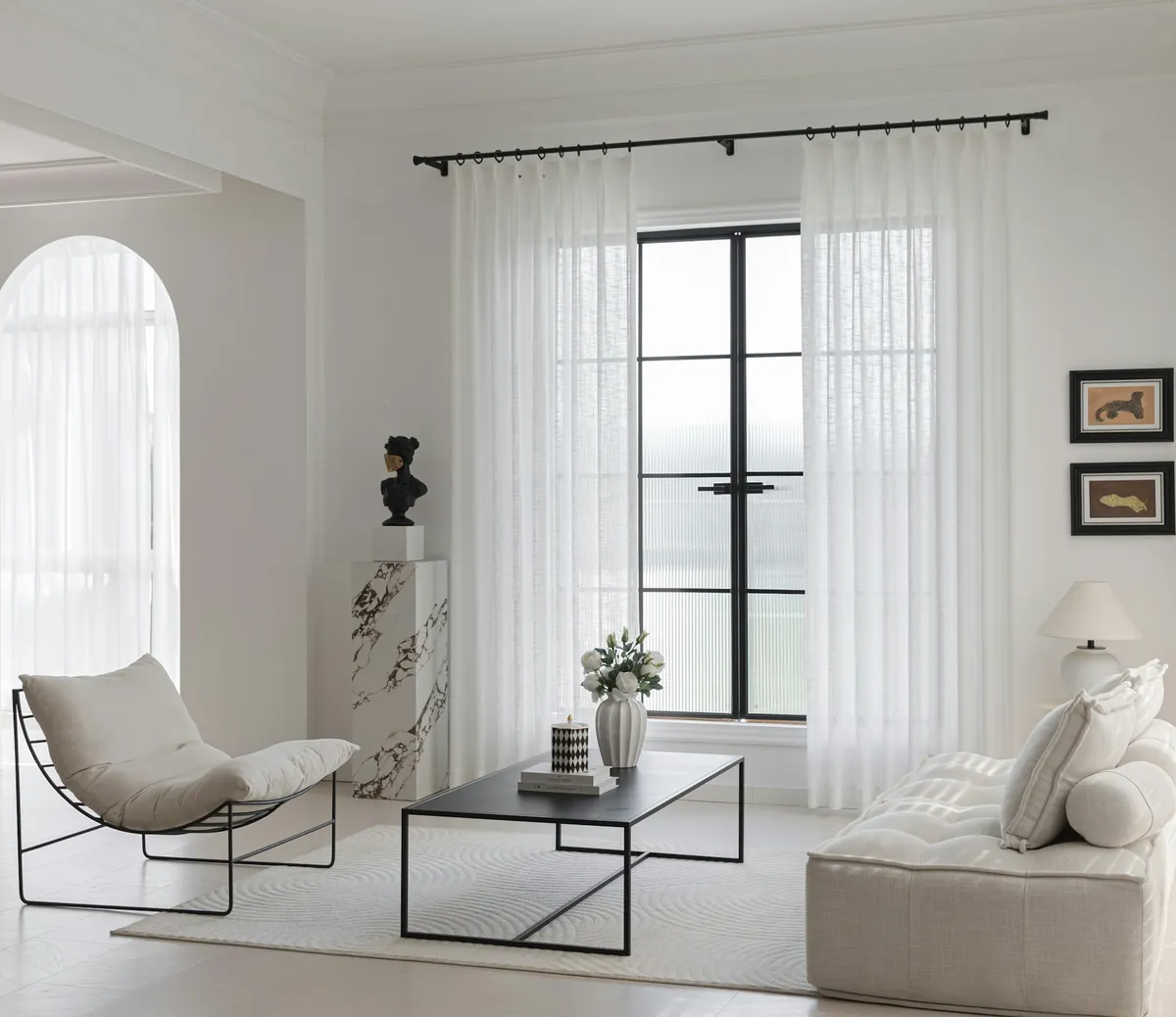
Tall Victorian windows often look their best with two layers of fabric: a sheer that filters daylight and gives privacy through the day, and a heavier drape that closes at night. On a double rod, the sheer hangs at the glass and the drape in front of it. In a Western Cranston family room, the same idea works with a sheer shade and side panels, which keep the lines cleaner in a modern room.
What Sets Window Works Apart
Window Works Blinds Shutters and Shades has been a family store in Swansea since 1988, run today by the second generation. From there we serve the SouthCoast and the Rhode Island East Bay, Cranston included, with the same people from measuring to installation.
- A team of window treatment specialists, used to every era of house
- Measuring in your home, window by window
- Installation by our own team
- Warranties offered on the treatments we sell
- Regular contact until the job is complete, and a 5.0 rating on Google
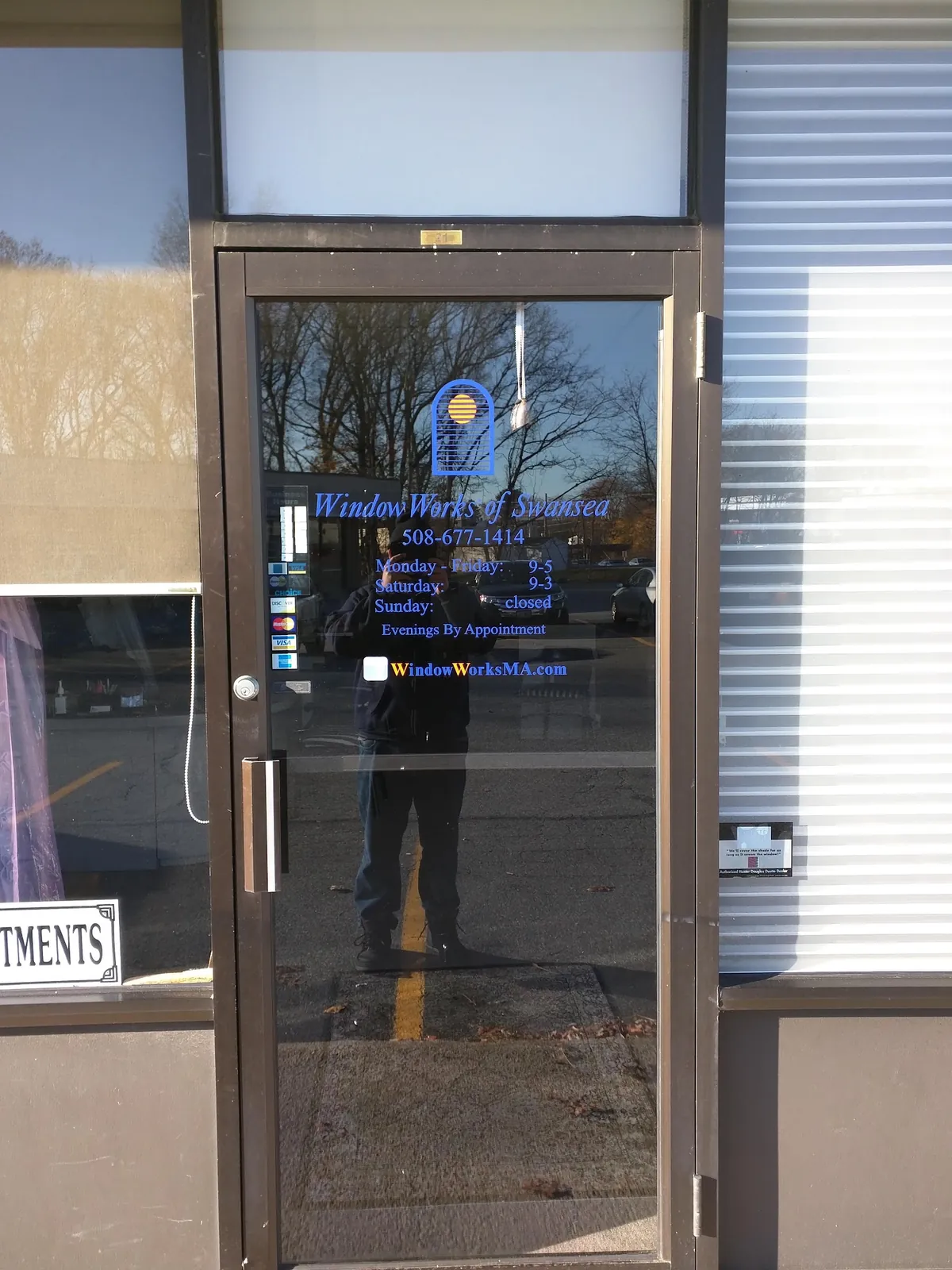
Compare Samples at the Showroom
Choosing between a damask and a linen, or a wide louvre and a narrow one, is much easier with the real thing in front of you. Our showroom in Swansea has fabrics, slats, shutter frames and the Norman range to compare side by side.
Bring a photo of an Edgewood bay or a Garden City picture window and our specialists can show you what would work there.
Questions from Cranston
Can you treat a curved or angled Victorian bay?
Yes. We measure each facet of the bay separately and make a shade or blind for each section, so they line up when lowered. Drapery can then follow the whole bay or frame it at the ends.
What suits a ranch picture window facing the street?
A solar screen roller shade cuts glare and keeps the view, and a light filtering cellular shade adds privacy. Side panels can frame the window for a softer look.
Can a high foyer window in a newer colonial be covered?
Yes. Motorised shades work from a remote or a wall switch, so a high window can be covered without a ladder.
Do you only measure, or do you install too?
Both. We measure in your home, and our own team returns to install the finished treatments.
What does a quote cost?
Nothing. Quotes are free. Use the call button or the form and tell us about the rooms you have in mind.
Your Next Step
Whatever era your house belongs to, window treatments in Cranston, RI begin with a free quote. The call button reaches the Swansea store, where you can arrange measuring in your home or ask about installation, and the form on the contact page works just as well. If you would like to see fabrics and shutters first, the showroom is open to visit.
Window Works serves 25 towns across the SouthCoast and the Rhode Island East Bay; you can see them all on our service areas page.