
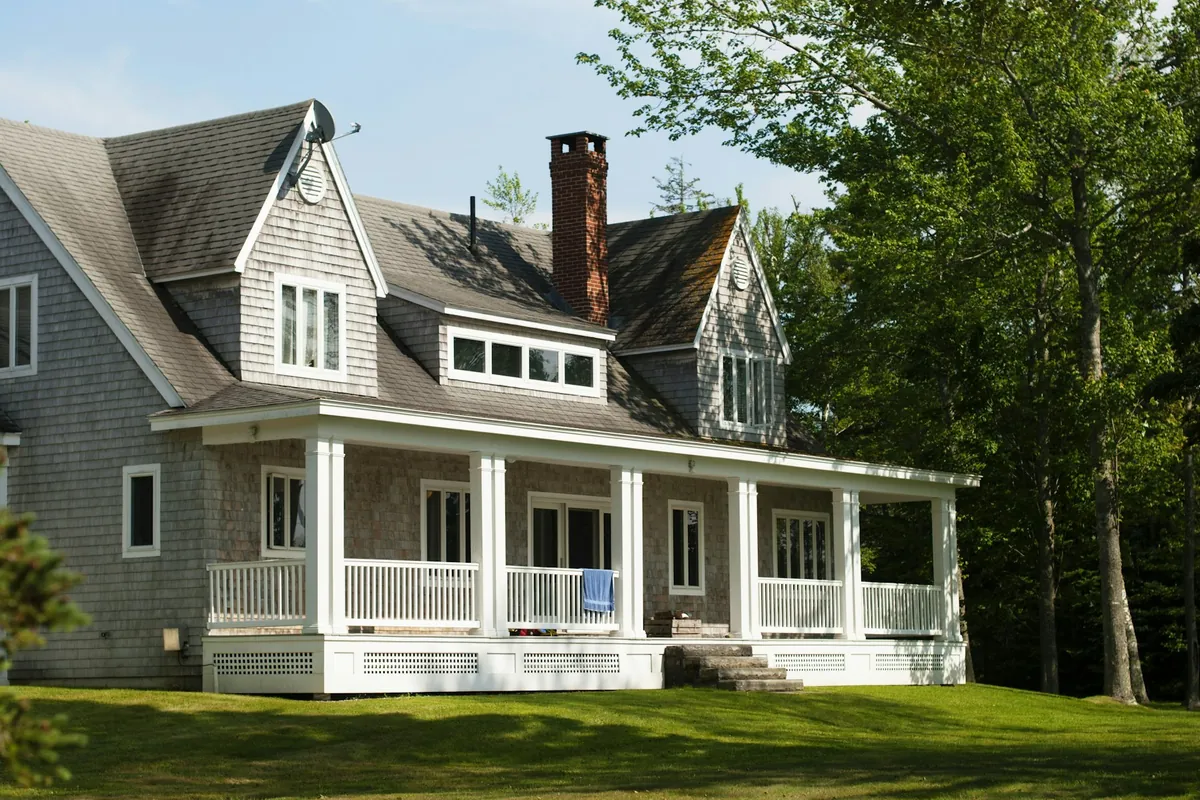
Weather on Every Side of the House
On Aquidneck Island the weather is part of the house. The ranches and capes off East Main Road and Aquidneck Avenue, and the cottages out toward Easton’s Point and Sachuest, live with salt air and wind off the water through the whole year. Even the second-row houses, the ones without a view of the sea, still get the weather. That is the starting point for cellular shades in Middletown, RI: rooms that lose their warmth to a cold, windy coast.
A honeycomb shade is the warmest window treatment we make. Its pleats form hollow chambers, and each chamber traps a little air that cannot move. Lowered over a window, the shade sets that layer of air between the room and the glass, so the room keeps more of the heat it already has.
- Single cell for sheltered rooms, double cell for exposed ones
- Measured in your home and fitted by our installers
- Samples to compare at our Swansea showroom
Honeycomb Shades for Island Houses
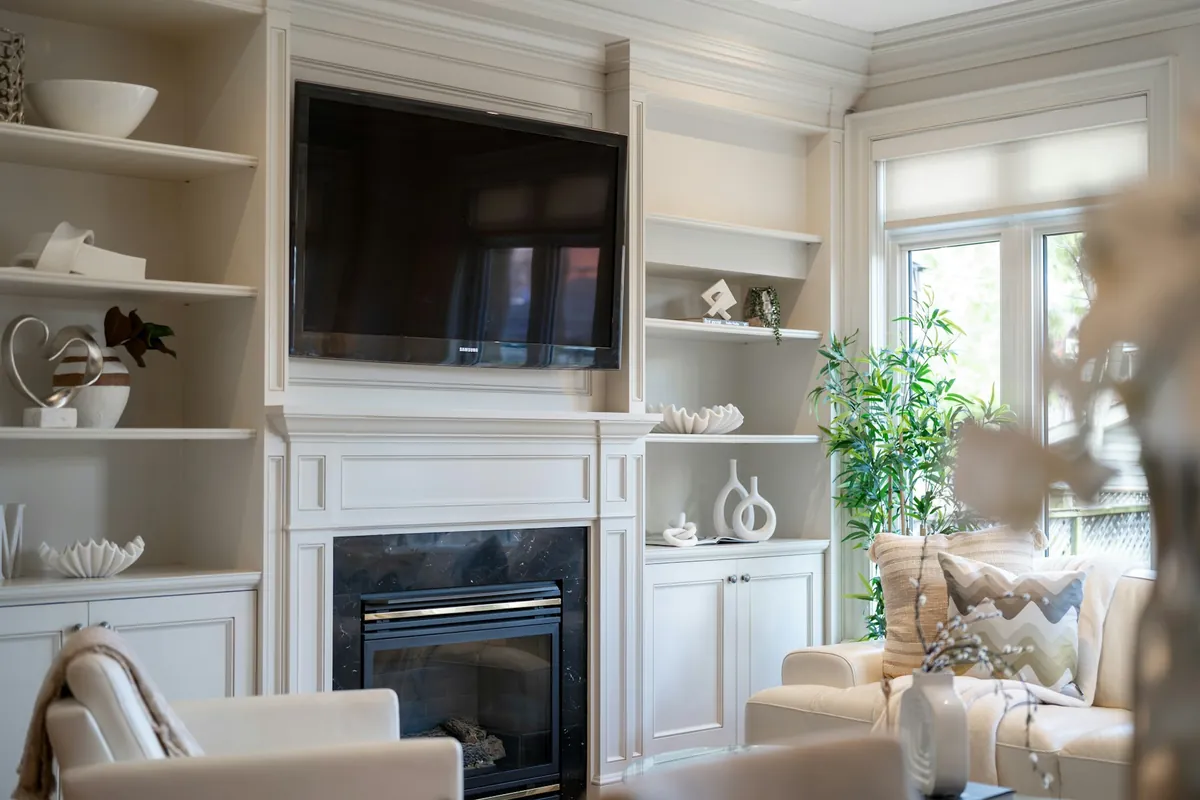
Single cell
One layer of cells, light and compact. It suits the sheltered side of the house: rooms facing inland, kitchens and spaces that stay comfortable.
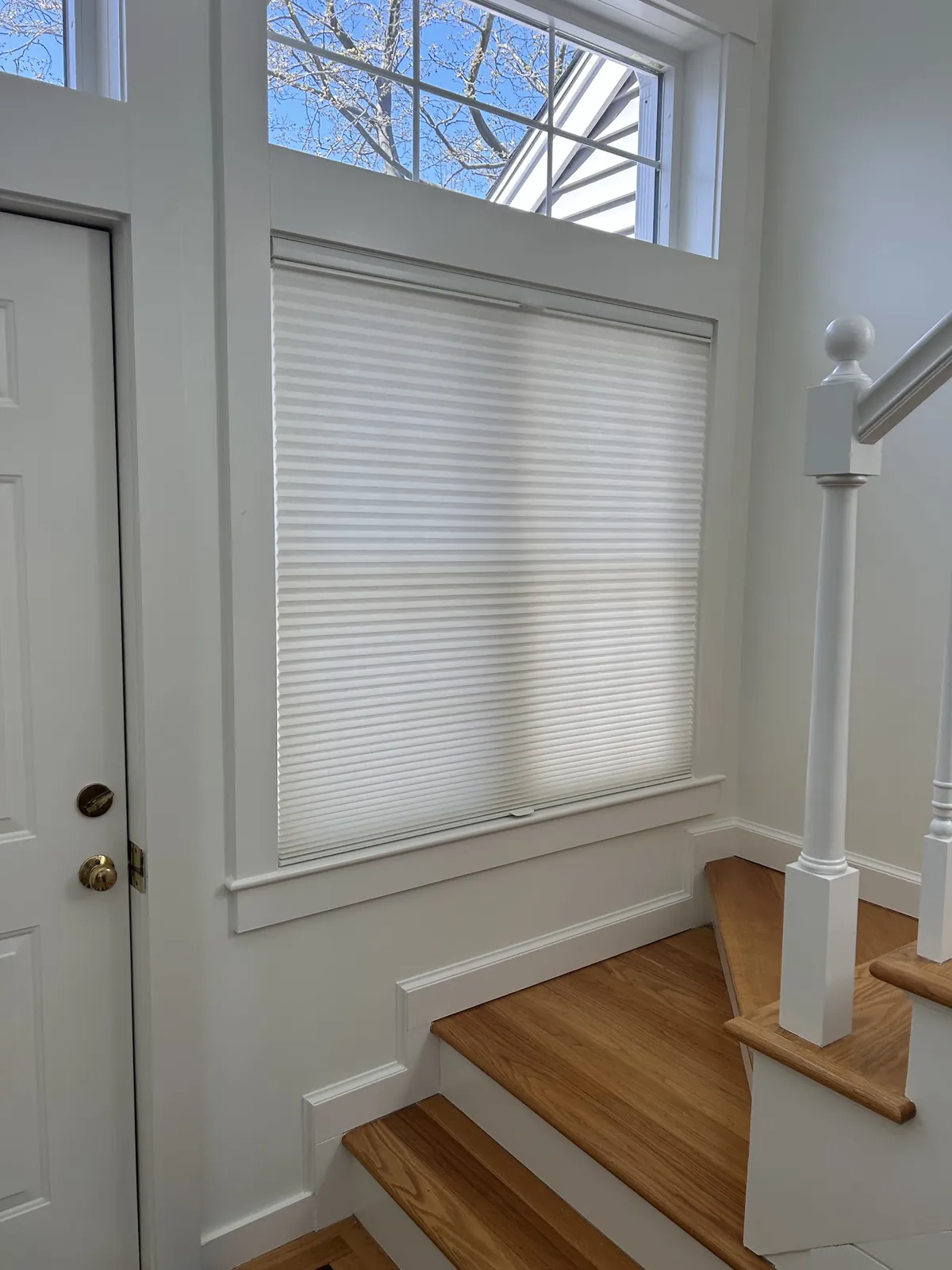
Double cell
Two stacked layers of chambers, so the cold has to pass two bands of trapped air. The choice for the windward side and for cottage rooms near the shore.

Measured at the house
Coastal frames take a beating, and few are perfectly square. Each window is measured where it stands, so the shade fits closely all round.
Why the Weather Side of the House Feels Colder
Wind does more than make a house noisy. It strips warmth from the outside of the glass and pushes cold air into any gap around an old sash. On a still winter night, a window loses heat slowly. On a windy one, it loses it much faster, and the room in front of it feels the difference straight away.
Salt makes it harder still. Salt air is tough on window frames and on the seals around the sash, and in an older house near the shore those seals are often the first thing to wear. Small gaps let the wind in at the edges of the window, and a room on the exposed side can feel draughty even with every window shut.
A honeycomb shade cannot fix a worn frame, but it can make a real difference to the room behind it. Lowered, it lays a blanket of still air across the glass. Fitted closely to the frame, it also slows the cold air that finds its way round the sash. On the weather side of the house, double cell gives you two blankets instead of one.
Finding the weather side
Every house on the island has a side that takes the brunt, and it is not always the side facing the water. Prevailing winds, open fields, a gap between houses or a hill behind can all decide which windows feel the cold first. Owners usually know without being asked: it is the room where the curtains move on a windy night, or the bedroom nobody wants in January.
We ask about it at the measuring visit and look at how the house sits on its lot. The answer decides where double cell goes, and it often means the rooms on one side of a ranch get double cell while the rooms opposite, sheltered by the house itself, are perfectly happy with single.
Second-row houses: the weather without the view
Houses one or two streets back from the water are an interesting case. They give up the sea view, so the windows facing the water are not prized the way they are on the front row. But the wind still reaches them, often across open ground, and their exposed side is just as cold.
That changes how the shades are chosen. On a front-row house, a shade on the water side has to fold away completely to leave the view clear. On a second-row house, the shade on the weather side can be chosen purely for warmth: double cell, often in a denser fabric, lowered for much of the day through the coldest weeks. Planning cellular shades in Middletown, RI second-row houses is mostly about working out which side takes the wind and putting the double cell there.
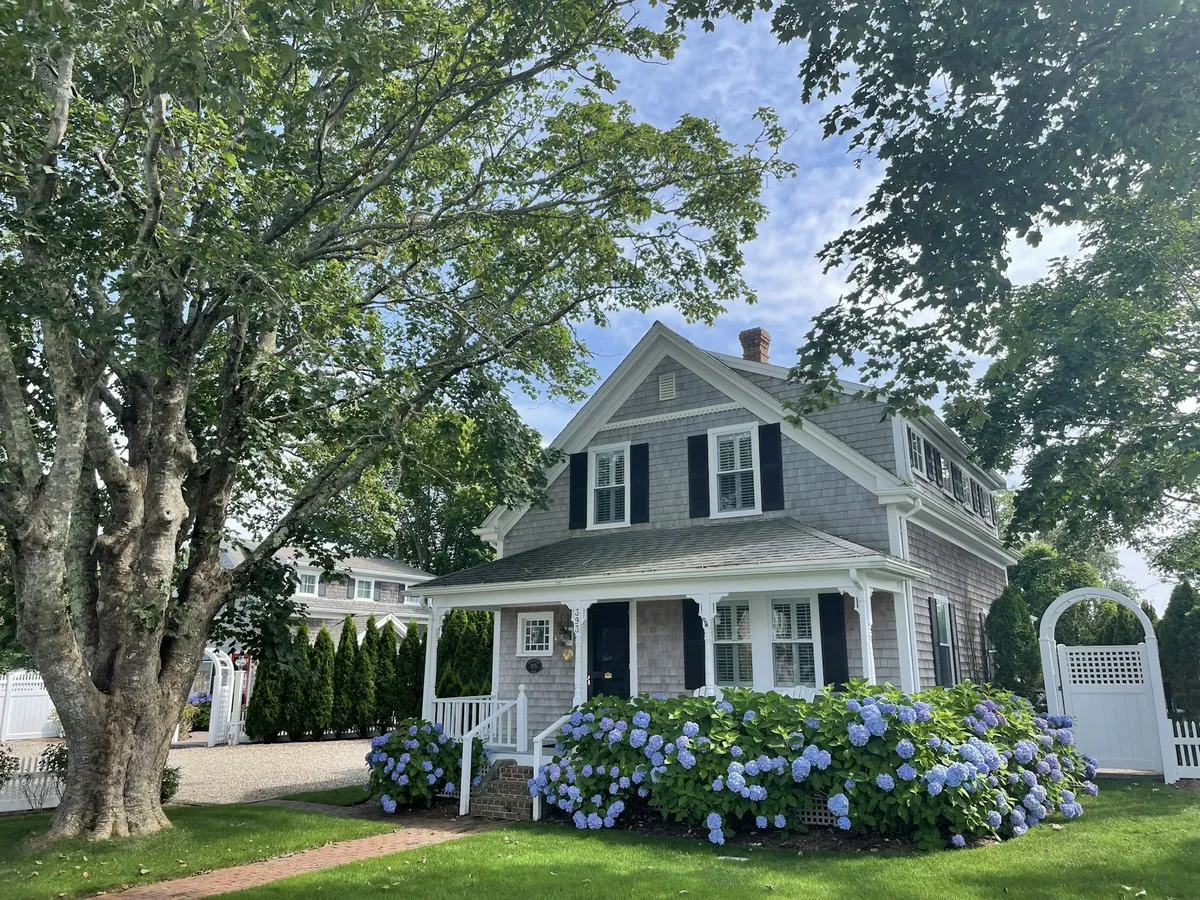
Ranches and Capes Off East Main Road
Ranch living rooms
The ranches off East Main Road and Aquidneck Avenue usually have a large front window in the living room and a line of smaller windows down the bedroom side. The front window is the biggest piece of glass in the house. If it faces the wind, the living room is the hardest room to keep warm.
A double cell shade on that window, or separate shades on its centre and side panes lined up at the top, makes the living room noticeably more comfortable on a windy evening. Along the bedroom side, one colour on every shade keeps the long front of the ranch looking orderly from the street. A bedroom on the windward end deserves double cell as well.
Capes and the rooms under the roof
The capes put their bedrooms upstairs, under the roof, each lit by a dormer or a gable window. Those rooms have the roof close above them and little shelter from the wind, and they are often the coldest in the house. Tucked into the dormer opening, the shade uses none of the room and gathers into a slim band so the window is clear by day. Double cell is what we usually suggest up there.
On the ground floor, the two front windows flanking the door should match, which keeps the face of the cape symmetrical. Cellular shades in Middletown, RI capes often end up as single cell downstairs on the sheltered side and double cell upstairs and on the weather side.
Sunrooms and enclosed porches
A good number of island ranches and capes have gained a sunroom or a glassed-in porch at the back or side. Being nearly all window, those rooms chill fastest when the wind gets up. Fitting each window with its own shade lets you keep the room in use into the autumn and on bright winter days, lowering the row as the sun goes down.
Bedrooms, early light and the wind at night
A bedroom on the exposed side of a ranch has two problems at once. On a windy night it loses its warmth fast, and in summer, with the sun rising over the water to the east, it gets light very early. A double cell shade in a denser fabric answers both. Lowered at bedtime, it puts two layers of still air between the bed and the cold glass and holds back much of the morning light. In a bedroom facing inland, where neither problem is as strong, a single cell shade in a lighter fabric is often all that is needed.
Children’s rooms and guest rooms follow the same logic. Put the warmer, denser shade on whichever windows face the weather or the sunrise, and keep the lighter one for the rest, all in one colour so the outside of the house still matches.
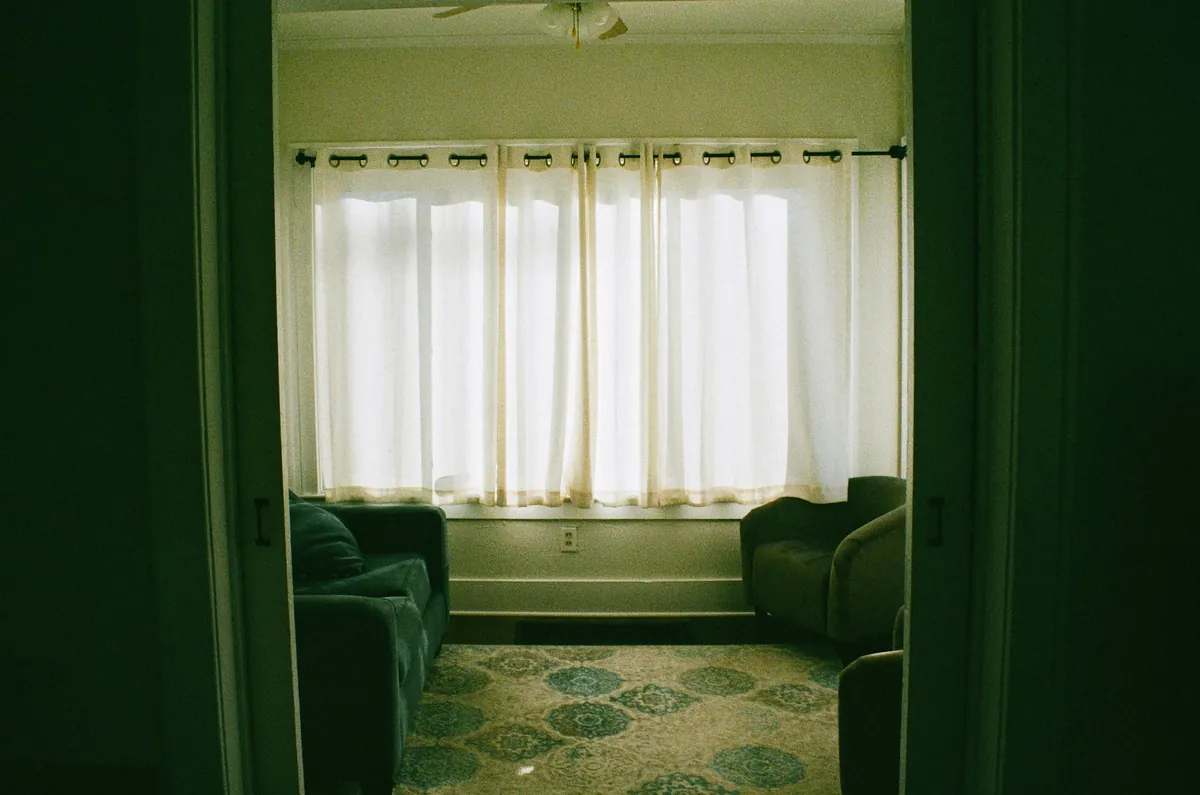
Cottages Toward Easton’s Point and Sachuest
The cottages out toward Easton’s Point and Sachuest are the most exposed houses in town. Many sit close to the shore, with little between them and the wind, and their rooms are small, with windows on more than one side. In a small room, a cold window matters more, because there is less space between you and the glass.
Space is the other constraint. A cottage bedroom or sitting room rarely has wall space beside the window for drapery, and a bulky treatment would crowd it. A honeycomb shade mounted in the frame claims no space beyond the opening, and pulled up it shrinks to a thin strip at the head. For a small room in the wind, double cell is the strongest choice.
Cottage windows tend to be older and less uniform than ranch or cape windows, their frames worked loose by years of salt and wind. Our specialist takes several readings per window and checks both depths. If a frame will not take a neat inside mount, the shade is mounted on the trim instead and cut wide enough to close off the sash edges, where draughts slip in.
Cottages through the winter
Cottages tend to be built small and light, with plenty of glass, slim frames and rooms that face the breeze, which is lovely in July and a different story in January. Those are the houses where a honeycomb shade makes the most obvious difference, because there is so little else between the room and the weather. A double cell shade on every window on the exposed side, lowered at dusk, turns a cottage room from somewhere you avoid in winter into somewhere you can sit.
When we plan cellular shades in Middletown, RI cottages, we also look at the small windows that are easy to forget: the one over the sink, the one in the bathroom, the narrow window by the door. In a small house, each one is a noticeable share of the glass.
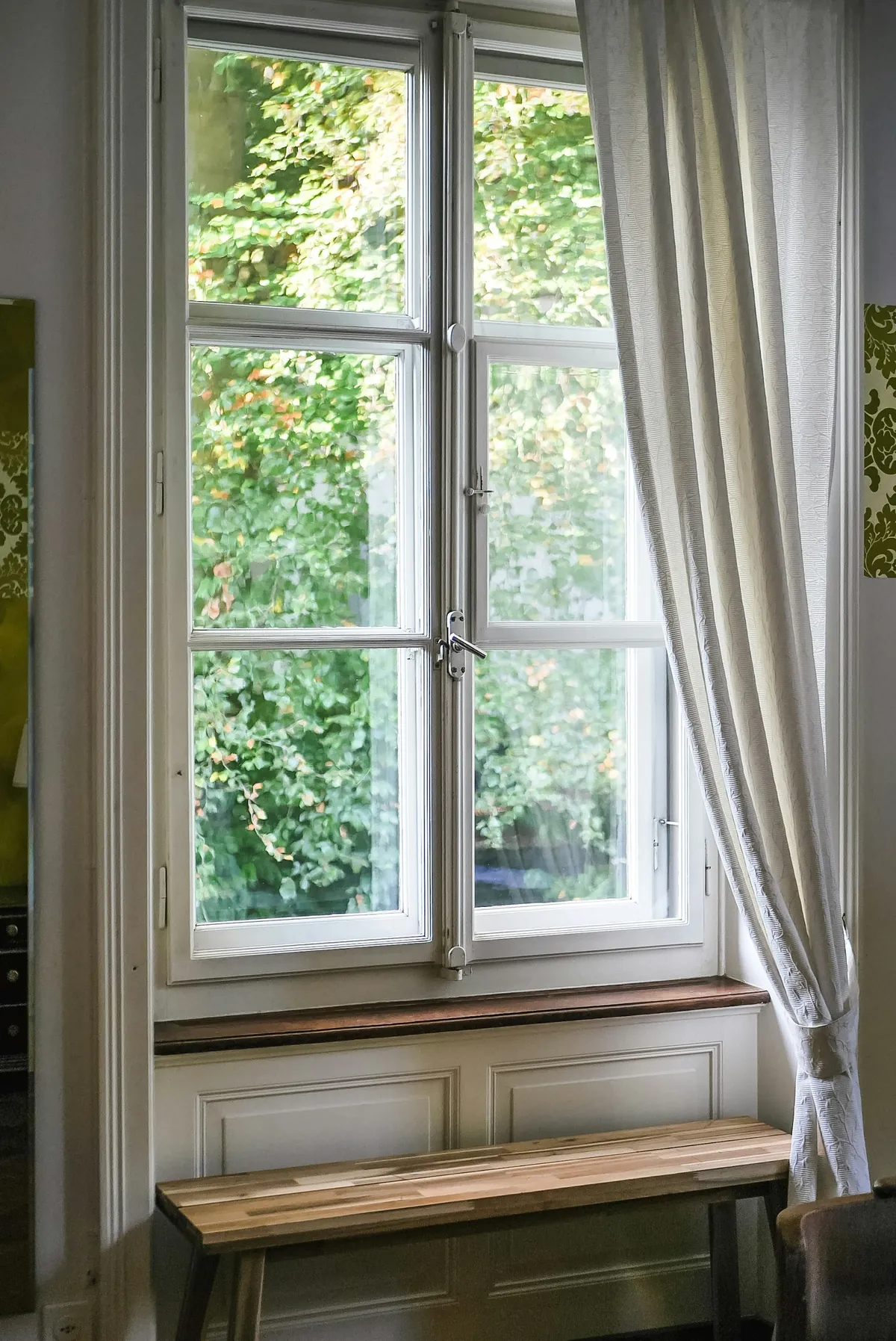
Light, glare and the water
On the front row, and in the cottages that face the sea, the light off the water can be bright, especially on a low winter sun. A honeycomb shade in a fabric that lets light through softens that glare without blocking the room off entirely. Lowered part way, it can cut the glare in the lower part of the window while the top stays open. At dusk, lowered fully, it does its main job of holding in the warmth.
Entries, halls and back doors
Island houses get a lot of coming and going through the back or side door, and that door often has glass in it, with a small window beside it in the mudroom or the back hall. Every time the wind blows from that side, those small panes chill the hall and the kitchen beyond it. A narrow honeycomb shade inside each frame, lowered at night, takes the edge off without getting in the way of the door. The front entry of a cape, with a sidelight or a small window by the stairs, is worth the same attention. These are modest windows, but in a house that takes the weather all year, covering every one of them adds up.
Ordering Cellular Shades in Middletown, RI
From your first message to the last shade going up, someone from the store keeps you in the picture.
- Ring through the call button or send the form. Tell us which rooms run cold and which side of the house takes the wind, and a free quote gets booked.
- Our specialist visits, measures each window, takes several readings on any frame that looks out of true and writes down whatever might affect the fit.
- Room by room, you pick one cell or two, then the fabric and colour. Samples are kept at the showroom in Swansea for you to look at and handle.
- A quote arrives listing each window and its shade.
- Production follows the figures taken at your house.
- Installation day: each shade is hung, tested top to bottom and explained.
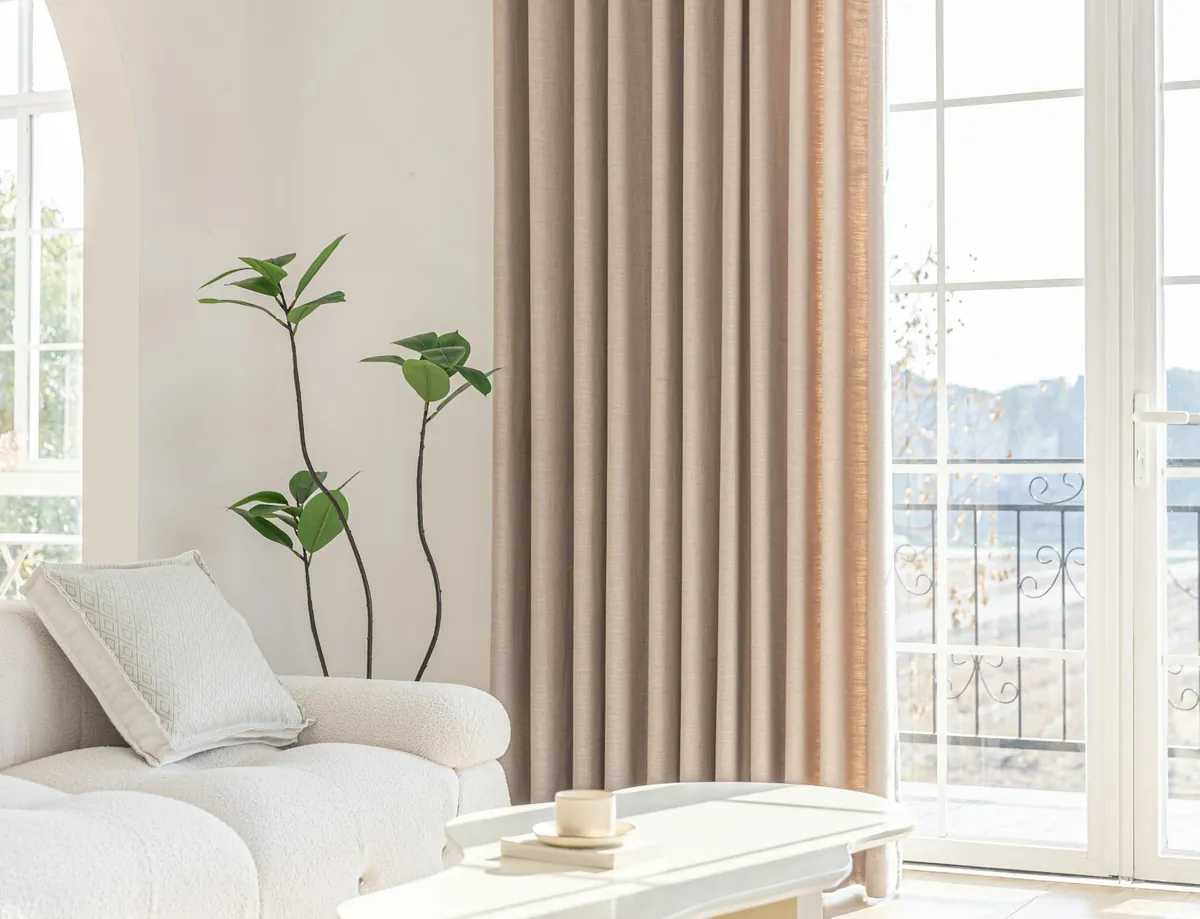
Shades with drapery
Bigger living rooms and main bedrooms can take both. The honeycomb shade sits in the frame near the glass and carries the everyday load of warmth and privacy; lined drapery hangs in front and, drawn at night, adds a further layer across the window, which is welcome on the windy side. Because we make the drapery as well, the two are designed together and measured in the same visit. See custom drapes in Middletown for that half.
Colour and fabric by the sea
Light colours sit well in a coastal house, keeping small rooms bright and looking clean against white trim. Facing the road, matching every front shade keeps the house looking calm. Fabrics range from light to dense: a lighter fabric for living rooms and the glare-prone windows, a denser one for bedrooms, especially on the weather side.
Looking after the shades
Salt air leaves a film on most things in a shore house, and the shades are no exception. Brush them over gently every so often, wipe a spot with a barely damp cloth, and lift and lower with an even hand to keep the pleats crisp.
Window Works Blinds Shutters and Shades
Our name is Window Works Blinds Shutters and Shades. We are a family store, and our showroom is in Swansea, Massachusetts. The business opened in 1988 and the second generation of the family runs it now. Across more than 37 years we have been measuring and fitting window treatments from the Massachusetts SouthCoast through the East Bay, and Middletown is among the 25 towns on our list.
- Seasoned window treatment specialists
- A measuring visit at your house before any order is placed
- Fitting by our own installers
- Regular contact from first call to finished job
- Warranties on the products we sell
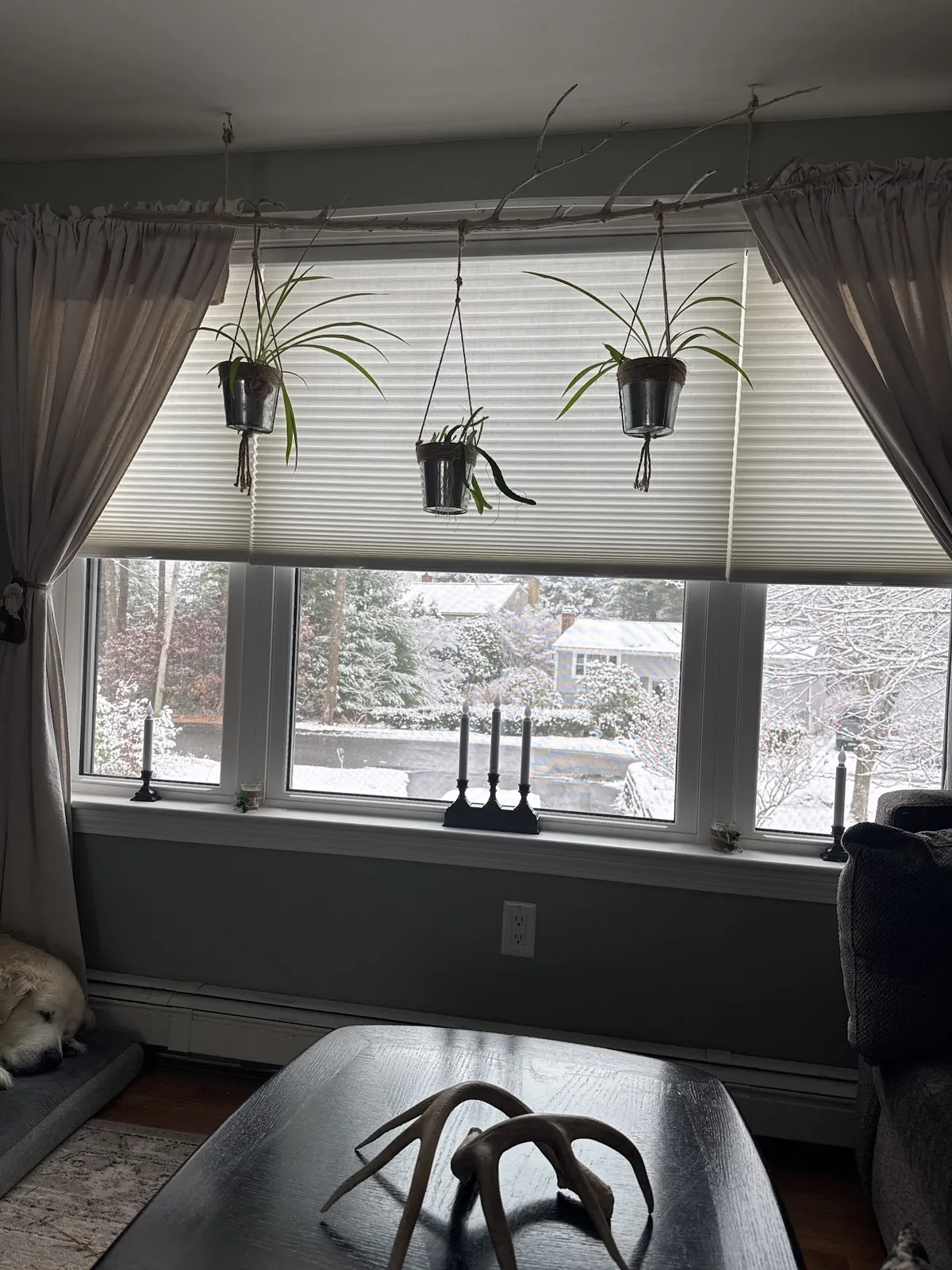
Compare Single and Double Cell
Single and double cell are easiest to tell apart when you hold them together, and the Swansea showroom is set up for that. Handle the fabrics, check the colours by daylight and try the shades up and down. Norman products are on show as well. A photo of the room helps, and so does knowing which side of the house the wind hits.
Everything we make for the town is on our Middletown window treatments page, and the shades are covered in more depth on our main cellular shades page.
Questions from Middletown
Which rooms in a coastal house need double cell?
The rooms on the weather side, the bedrooms under the roof of a cape, and small cottage rooms close to the shore. Sheltered rooms facing inland usually do well with single cell.
My house is a street back from the water. Do I still need the warmer shades?
Often, yes. Second-row houses lose the view but still take the wind. On the exposed side, double cell is usually the better choice.
Can a shade help with a draughty old window near the shore?
It cannot repair the frame, but fitted closely, it slows the cold air coming round the sash and puts a layer of still air across the glass.
Do the shades help with glare off the water?
Yes. A fabric that lets light through softens the glare, and lowering the shade part way cuts it in the lower part of the window while the top stays open.
Is there a charge for a quote?
No, quotes are free. Ring through the call button or send the form, mention the rooms, and we will fix a day to measure.
Your Next Step
Ring our Swansea store from the call button to set up a free quote, a measuring visit at your house or a conversation about installation. To start with the fabrics, look on the contact page for the way to the showroom. Window Works is rated 5.0 on Google.