
Old Sash, Many Panes
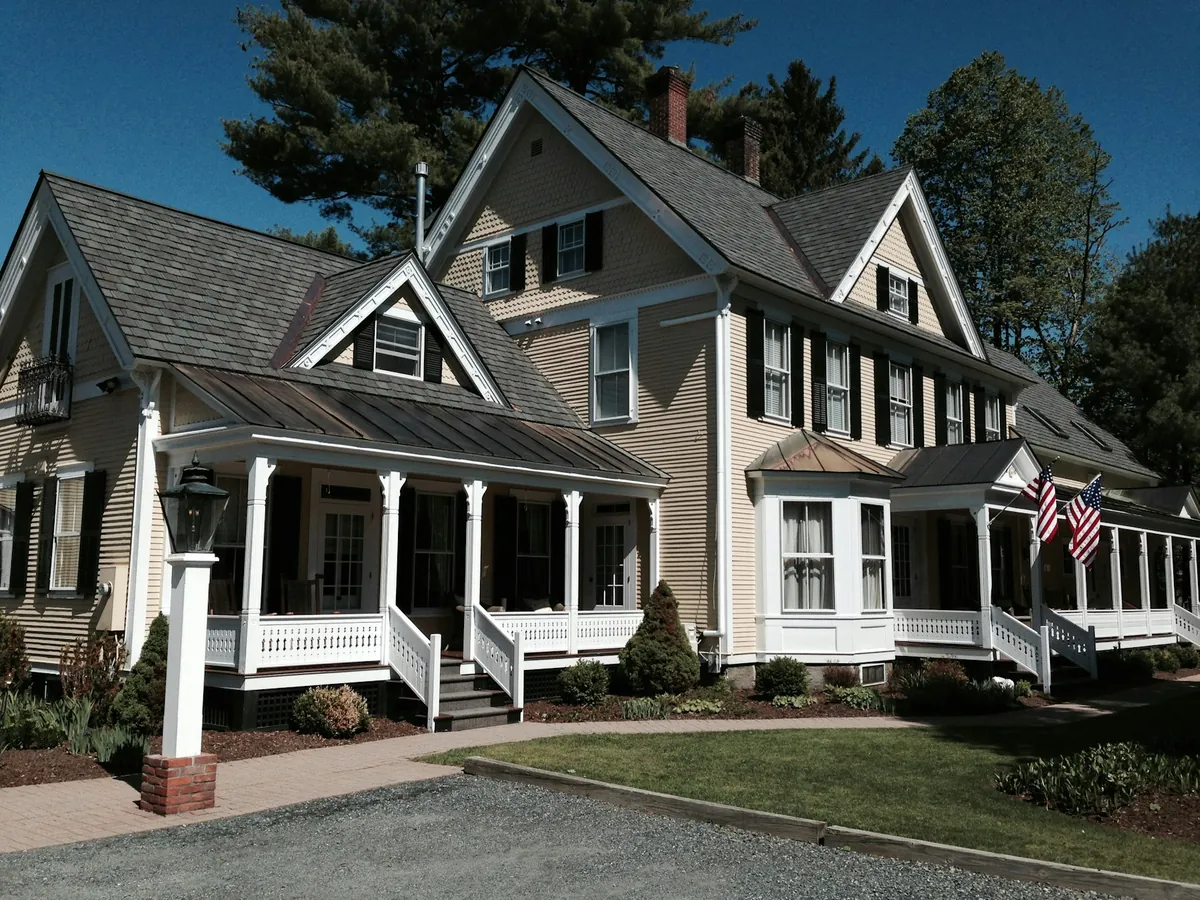
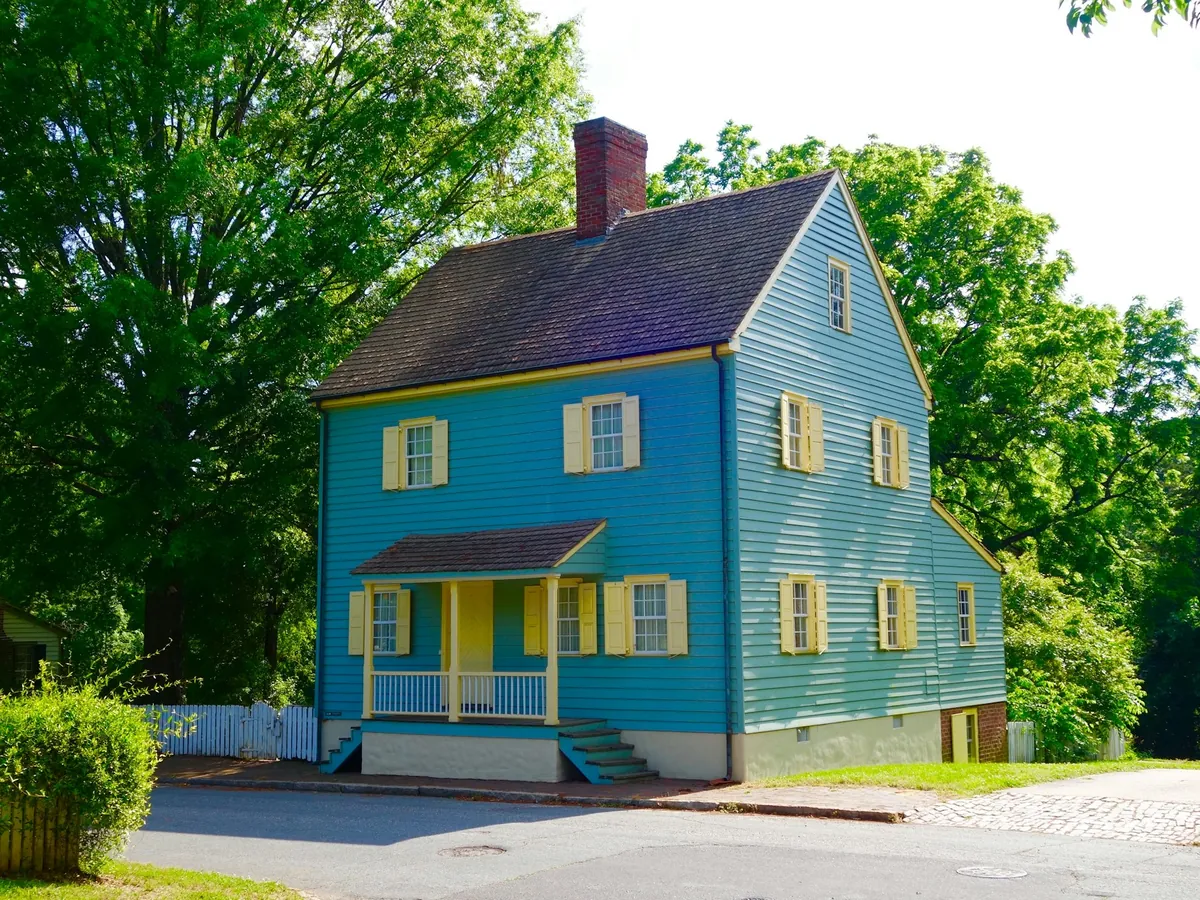
Newport’s oldest streets are lined with windows that were never built to a standard. On the Point and up on Historic Hill, the colonials and shingle-style houses carry large sash divided into many small panes, set in frames that have moved and settled for generations. Add historic-district review and the attention the street front receives, and nearly every job here is made to measure. Roman shades in Newport, RI are no exception: each one is cut to its own opening and planned for how it will look from inside and out.
The Fifth Ward brings close-built streets where privacy leads, and Ocean Drive brings larger properties with big rooms and open water beyond the glass.
A fabric shade suits all three, because it can be scaled to an old sash, kept quiet from the street and made in a cloth that stands up to the sea air.
Shades Cut for Newport Windows
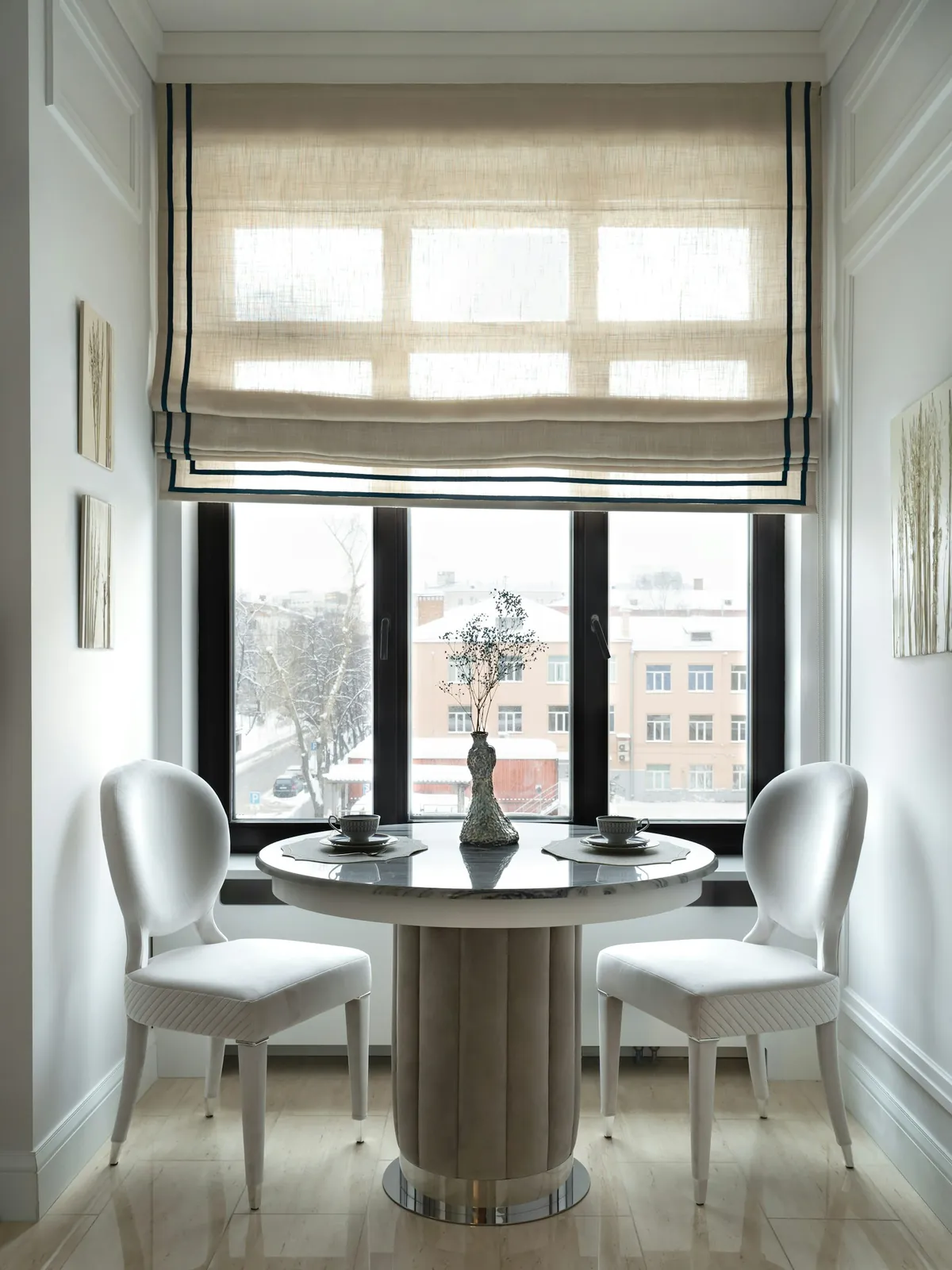
Flat folds behind divided panes
A smooth, simple panel lets the grid of small panes stay the star of the window when the shade is raised.
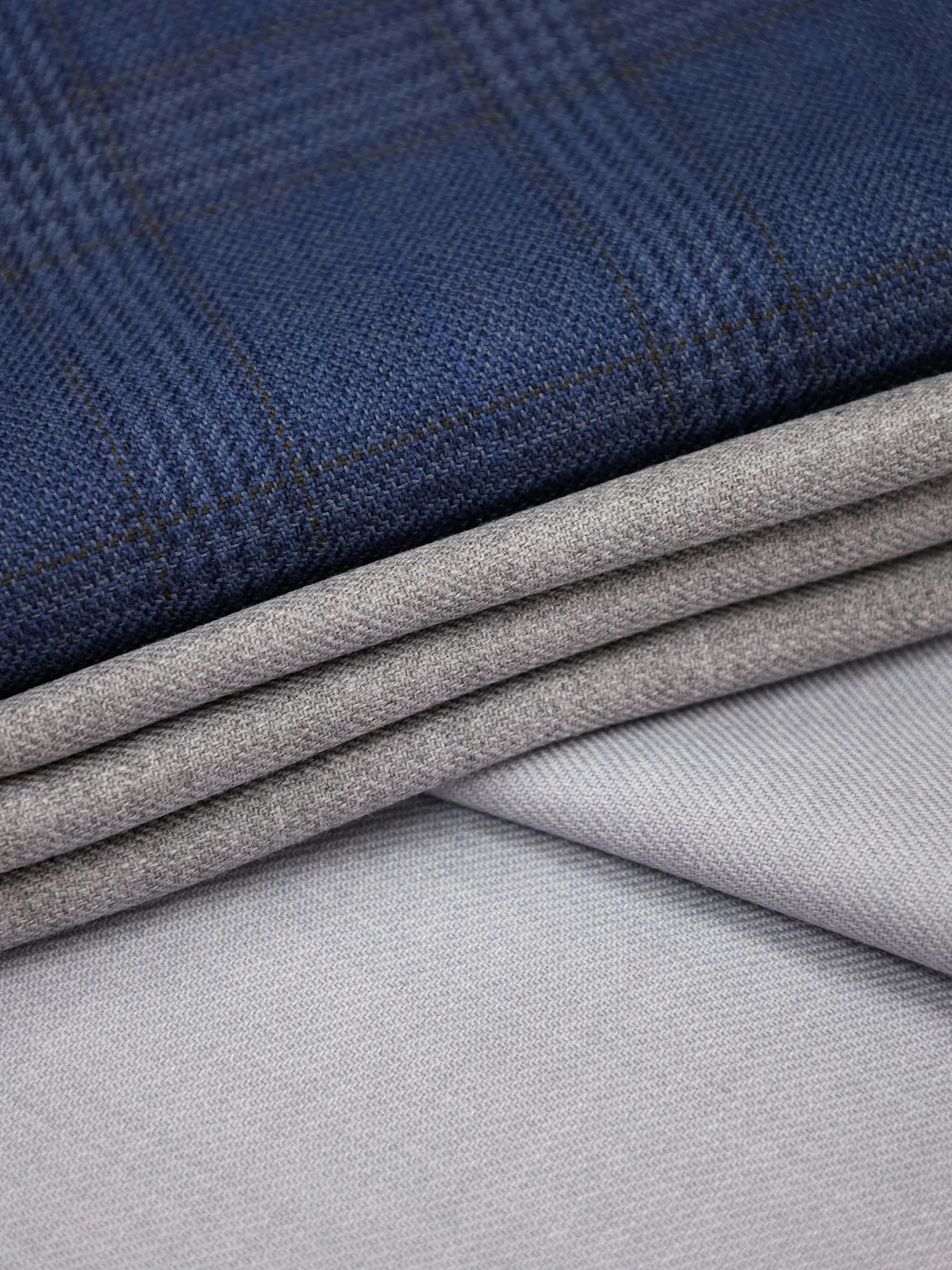
Hobbled folds for formal rooms
Generous, rolling tiers of fabric for a parlour or dining room with height to carry them.
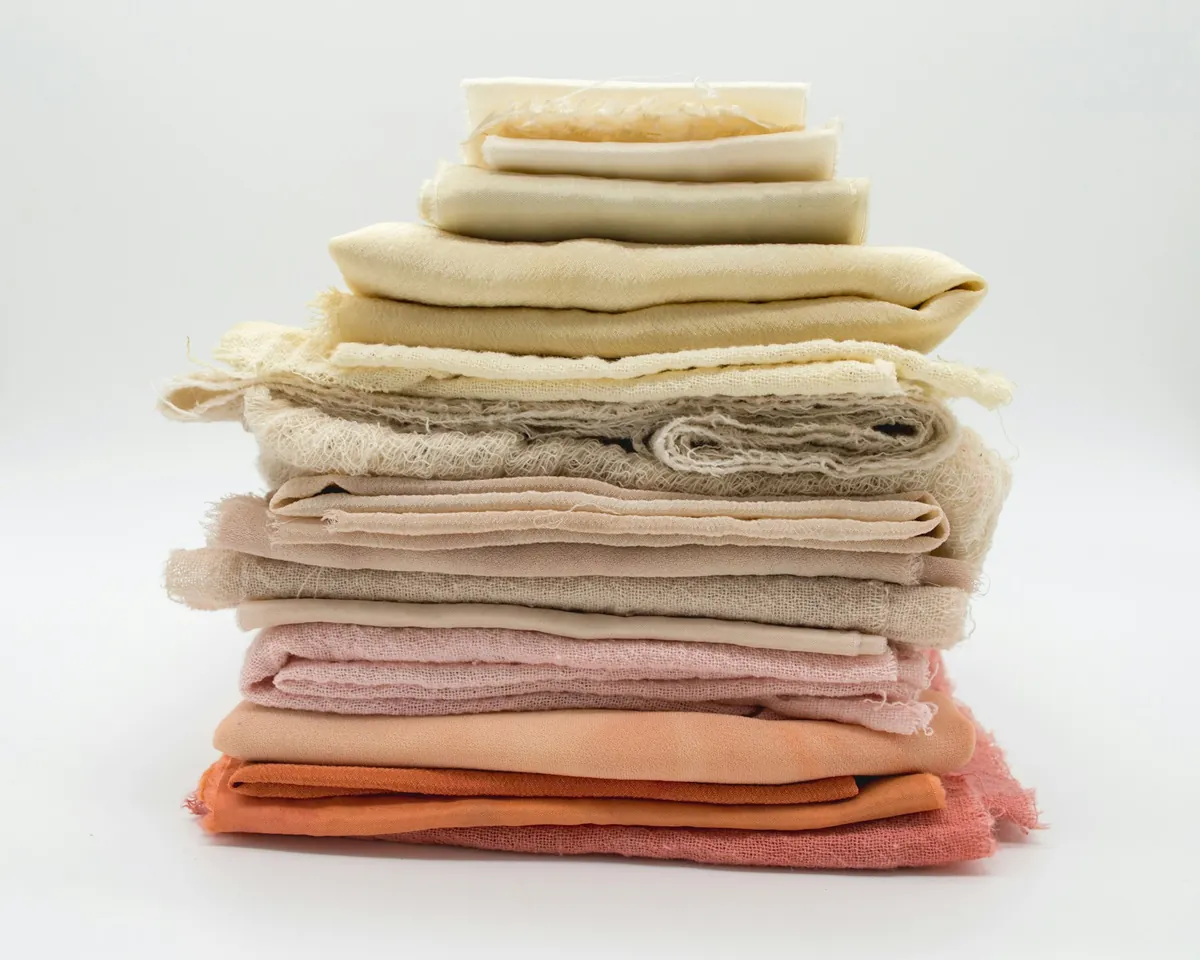
Relaxed folds for the shingle-style house
A soft dip at the hem and a relaxed look that suits the easy, rambling rooms of a shingled house.
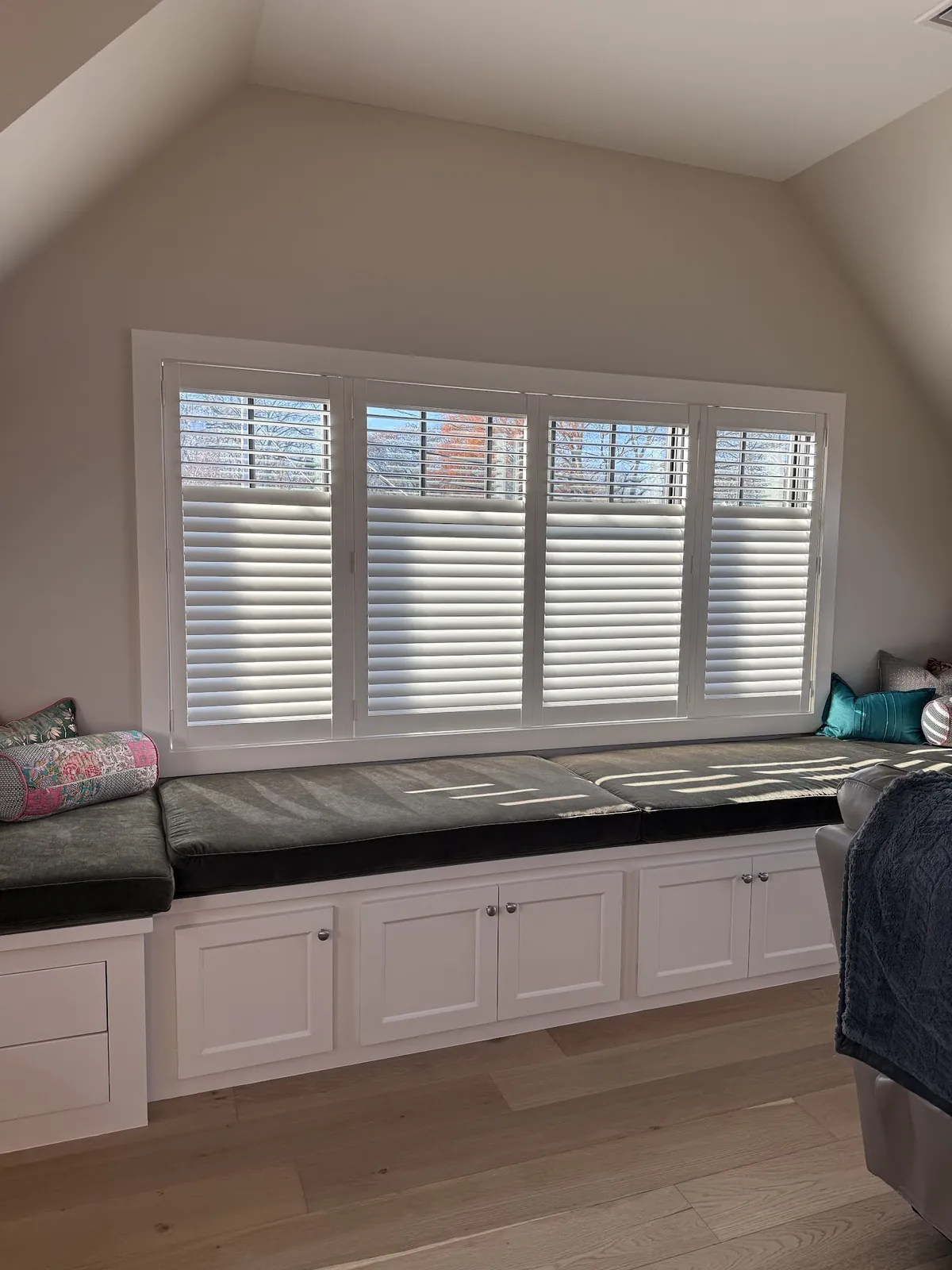
Shutters for a window seat
Some old window bays and seats suit interior shutters. We fit those as well.
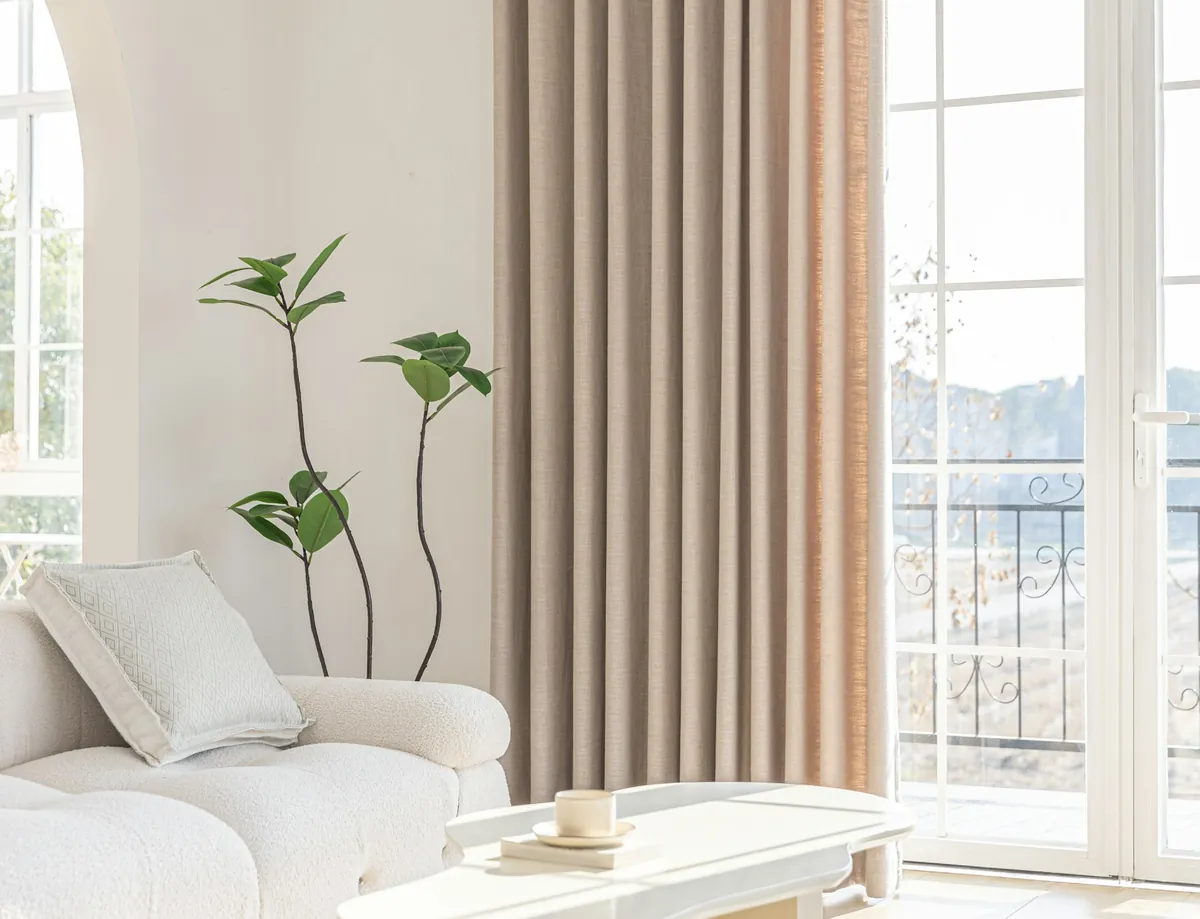
Drapery for big rooms
Floor-length panels beside a shade suit the tall rooms along Ocean Drive. Drapery is our specialty.
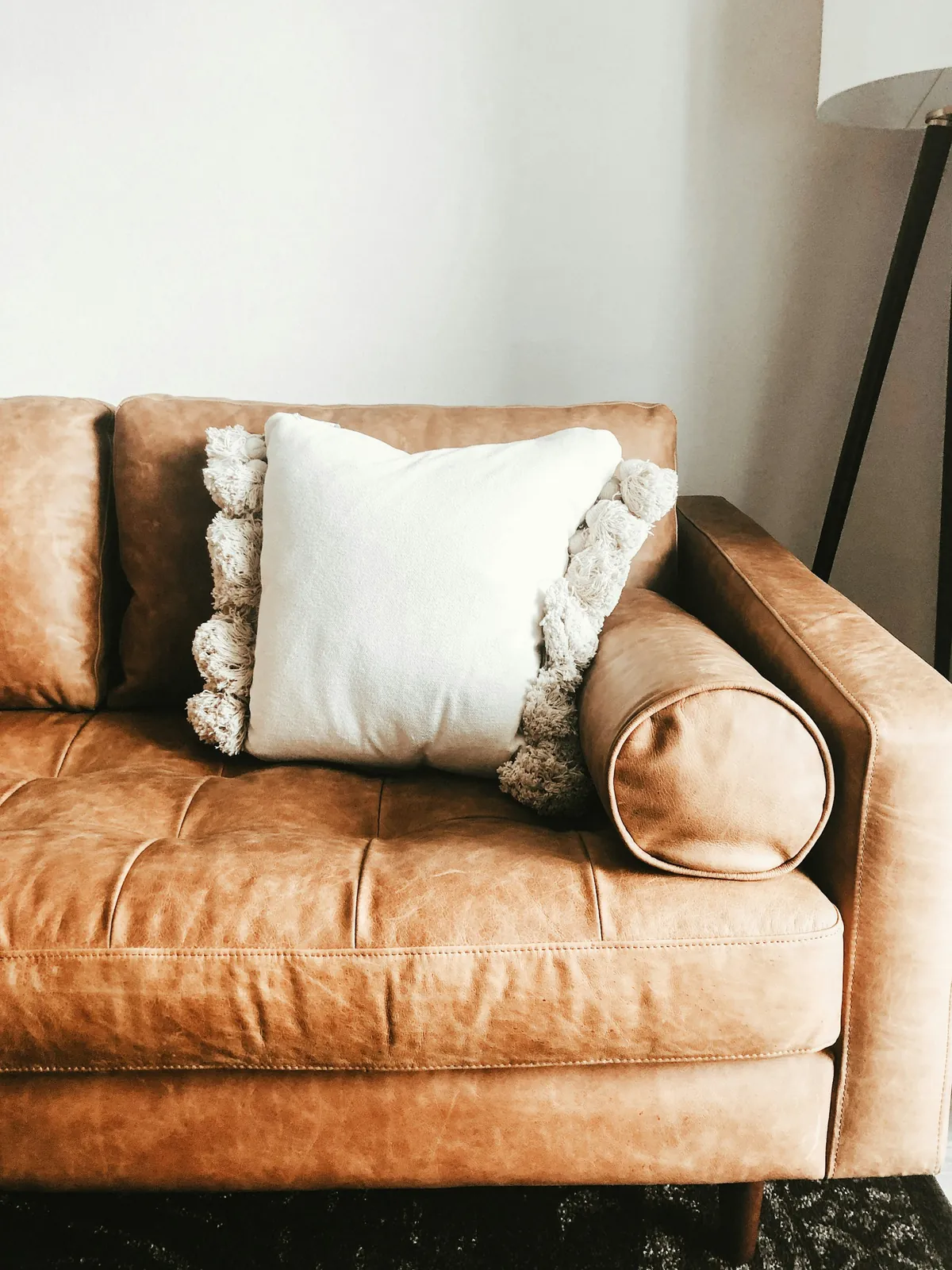
Cushions from the same cloth
A pillow or bolster in the shade fabric ties a chair or window seat to the window.
Roman Shades in Newport, RI for Multi-Pane Sash
Large sash divided into many panes is the defining window of old Newport. The muntins, the thin bars between the panes, give the window its pattern, and that pattern is part of the character of the room and of the street. Planning roman shades in Newport, RI for these windows means respecting it.
Raised, the panes should show
When a roman shade is up, its folds gather at the head of the window. On a multi-pane sash, the aim is for that stack to sit over the top rail of the frame, or above the trim altogether, so the grid of panes is fully on view. We measure the space above each window and decide whether the shade goes inside the opening or on the wall above, depending on how much room there is for the stack and how fine the trim is.
Lowered, the fabric should be calm
With the shade down, the fabric covers the panes. A busy pattern fighting the grid of muntins can look restless when the light comes through, so on multi-pane sash we often suggest a plain cloth, a soft texture or a small, quiet pattern. A flat fold gives the calmest face; a relaxed fold softens it a little at the hem.
Old frames, exact measurements
Frames in houses of this age are rarely square, and two windows side by side can differ in width, height and depth. We measure every window at several points and note where a frame has moved. Where an inside mount would leave uneven gaps, a shade on the wall or trim above can give a straighter line. Each shade is made to its own opening; nothing is assumed from the window next to it.
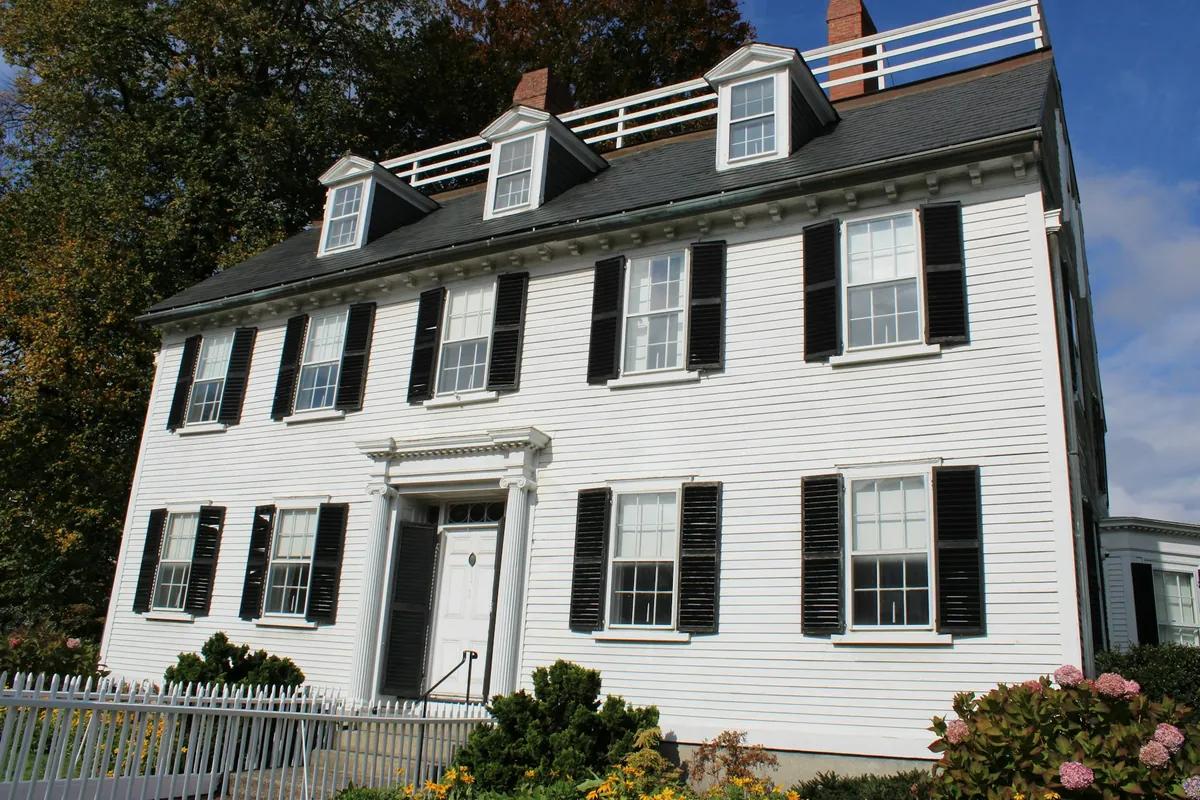
The Point and Historic Hill
The historic colonials and shingle-style houses on the Point and Historic Hill share old sash and close attention from the street, but their rooms feel different.
Colonial rooms
The colonials tend to have orderly rooms, symmetrical fronts and evenly spaced windows. A flat fold in linen, a fine stripe or a small check suits them. In a formal parlour or dining room, a hobbled fold in a richer solid gives the room weight without fighting the window’s panes.
Shingle-style rooms
Shingle-style houses are looser and more varied: rooms that open into one another, window bays, windows grouped in twos and threes, sometimes an odd-shaped window under a gable. A relaxed fold in a soft linen suits their easy character. Where windows are grouped, each gets its own shade, with the raised heights matched so the group reads as one.
The street front and review
Many of these houses sit within historic-district review, and the street front is watched closely. A roman shade hangs inside the room; what the street sees through the glass is its lining. Giving every street-facing shade the same lining colour, usually a soft white or pale neutral, and the same raised height keeps the front even and quiet. Any question about what a district permits is for the owner and the district; what we can do is show you exactly what will be visible from outside before anything is made.
Window seats and deep sills
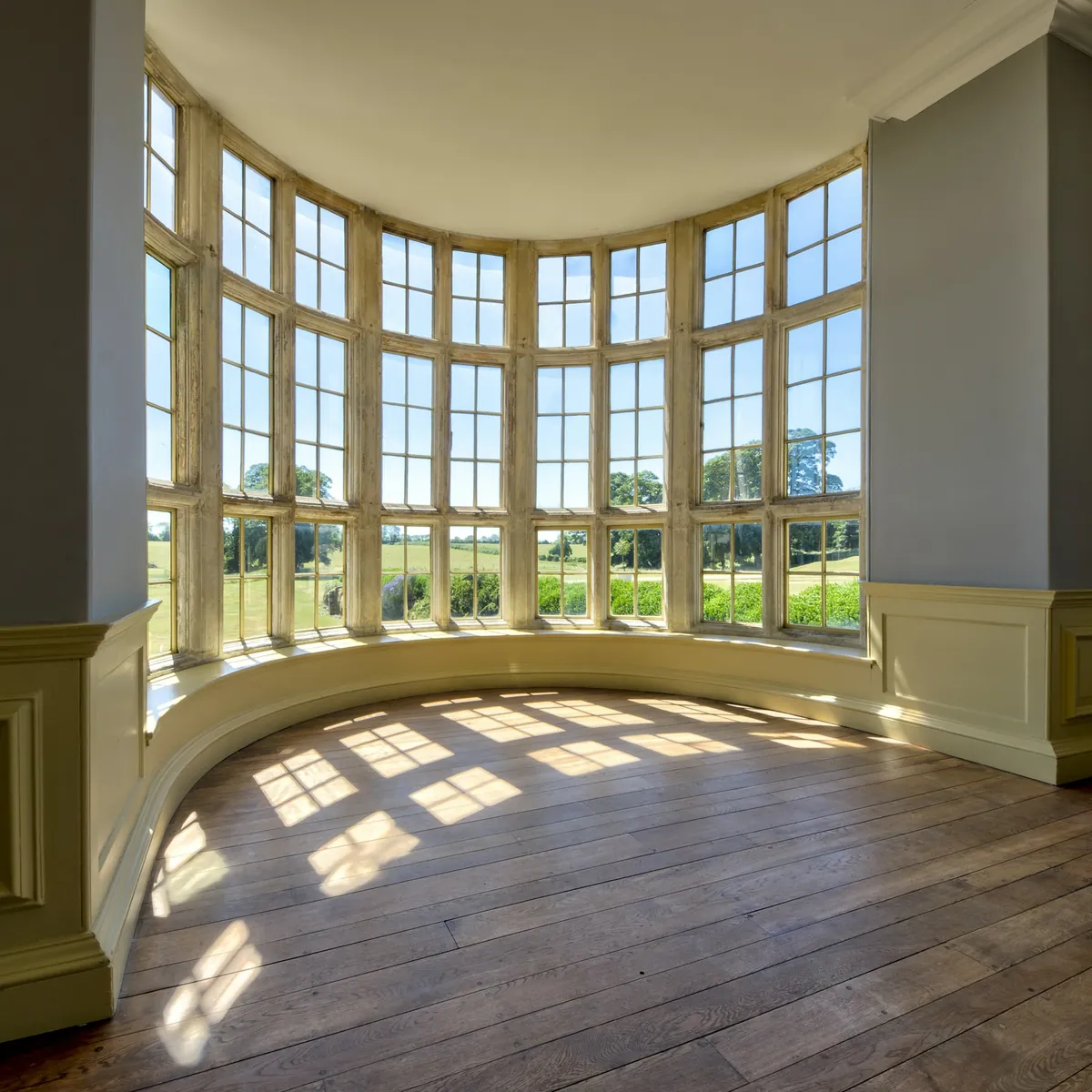
Some of the older rooms have window seats or deep sills built into the wall. A shade there needs to clear the cushion when lowered and stack high enough when raised that you can sit in the window comfortably. We measure the seat as well as the window.
Houses by the harbour
The Point sits right on the water, so its old houses take the salt and the harbour light as well as the attention of the street. On a street-facing window there, roman shades in Newport, RI have two jobs at once: look even and quiet from outside, and stand up to the sea air inside. A lining in a pale colour does both, protecting the face fabric and giving the street front its matched look.
Rooms under a gambrel or gable
Where an old colonial or shingled house has rooms tucked into the roof, the windows up there are often small, set into a gable or a dormer and sometimes an unusual shape. A shade for those openings has to be compact, made exactly to size and simple to raise. A plain flat fold in a light fabric keeps an attic bedroom bright by day, with a lining if the room is used for sleeping.
The Fifth Ward
The Fifth Ward’s close-built streets put houses near the pavement and near each other. Privacy leads here, ahead of view or light.
Street-facing rooms
A front room a few steps from the sidewalk is on show in the evening once the lamps are lit. A lined shade closes it off completely after dark. For daytime, a light-filtering fabric can stay lowered and still let the light in, blurring the view from the street. Some owners want both in one shade and choose a light face fabric with a lining behind it; others keep the lining for the evening rooms and leave a daytime sitting room unlined, so it stays bright. On a street this close, it is worth deciding room by room which matters more, the daylight or the screen, before choosing the cloth.
Side windows across the gap
On a close-built street, side windows often look straight into the house next door. Those shades tend to stay down for much of the day, so the fabric should let in as much light as possible while hiding the view. Because they are seen mainly from inside, they can share the room’s fabric instead of matching the street front.
Small rooms, careful choices
Rooms in the Fifth Ward are often smaller, and a heavy treatment can make them feel cramped. A flat fold stacks compactly, and a lighter fabric keeps the room bright. Pattern can still work, scaled small to suit the window.
Upstairs over the street
On the narrow Fifth Ward streets, an upstairs bedroom can face the bedroom across the road at almost the same height. A lined shade keeps the room private once the lights are on and darker in the early morning. A soft relaxed fold keeps a small bedroom from feeling heavy, and from outside its lining matches the windows below.
Ocean Drive’s Larger Properties
Along Ocean Drive the properties are larger, the rooms bigger and the windows often wider and taller, with open water beyond. Here the shade is about light, glare and protecting fabric and furniture from the sea and sun.
Big rooms, big glass
A wide window or a run of windows is better served by several shades, one per section, than by one wide shade that is heavy to lift. Lowered together they read as one band of fabric; raised individually, they let you shade only the windows the sun is on.
Light off the water
Water reflects light, and a room facing the sea gets far more than its window size suggests. That light fades fabric and furniture over time. A lining behind every water-facing shade protects the face fabric, and a paler cloth shows fading less than a deep one. A roman shade lowered partway shades the top of the window, where the sun pours in, while the lower glass still frames the water.
Salt air
Salt air and damp are steady companions on Ocean Drive. A tightly woven fabric with some body holds its folds better in damp air than a loose, soft one, and a lining adds further protection. Regular, gentle dusting keeps salt from building up in the folds.
Bedrooms facing the sunrise
Bedrooms on the sea side of an Ocean Drive house can catch the first light of the day straight off the water. Roman shades in Newport, RI for those rooms are usually lined and fixed on the wall above the window, so the fabric overlaps the frame and stops light creeping in round the edges. If you would rather wake to the view, a lighter, unlined cloth softens the morning without shutting it out.
Formal rooms with drapery
Larger houses often have formal rooms where a roman shade sits within full-length drapes. The shade handles light and privacy; the drapes frame the window and add height. Because drapery is our specialty, both can be chosen together from the same showroom range.
Cloth First, Then the Fold
Our advice in Newport is to choose the cloth before anything else. Linen and tightly woven cotton press into the crisp edges of a flat fold and let a window of small panes keep its order. A softer, heavier fabric rolls into the full tiers of a hobbled fold, which a tall colonial parlour can carry. The relaxed fold, a smooth panel with a slight smile at the hem, is the gentlest of the three and sits well in a shingled house. Behind any of them, a lining shields the face cloth from the sea light, steadies the folds in damp air and turns the room dark when the shade is down.
Pairing Rooms and Folds
- Historic Hill parlours: a flat fold in linen, or a hobbled fold in a deep solid, each with a pale lining toward the street.
- Shingle-style sitting rooms: relaxed folds in soft linen, set to one height across grouped windows.
- Fifth Ward front rooms: a light face cloth backed with a lining, so one shade serves day and night.
- Ocean Drive living rooms: a row of lined shades across the wide glass, framed by drapery in the formal rooms.
- Bedrooms across the city: lined, and fixed on the wall where the room has to be properly dark.
Your Order, Start to Finish
From the first conversation to the final fitting, you will know where things stand.
- Ring our Swansea store with the call button here, or fill in the form, and tell us a little about the house and its windows.
- One of our specialists comes to measure each sash at several points, looking at how the frame has moved, any window seat and the wall space above.
- At the Swansea showroom you settle on the cloth, fold and lining for each room, plus one lining colour for the street front.
- Your quote lists every window separately.
- Made to those measurements, the shades are then hung by our installers, who run each one through its full rise and fall before leaving.

Looking after shades near the sea
Salt settles on fabric along with ordinary dust. Every so often, work a soft brush down the shade or use a vacuum’s fabric tool on its gentlest setting, paying attention to the tops of the folds. Marks are dabbed lightly, never scrubbed. Washing at home risks shrinking the cloth, so a professional fabric cleaner is the route for anything more.
The rest of the house
Every product we make for the city is on our Newport window treatments page, and the folds and fabrics are covered in more depth on the roman shades page.
Window Works Blinds Shutters and Shades
We are Window Works Blinds Shutters and Shades, a family store in Swansea, Massachusetts, founded in 1988 and now run by the second generation. Our one showroom is in Swansea, and the call button on this page rings that store. Over 37 years we have made and fitted window treatments in homes throughout the SouthCoast of Massachusetts and the Rhode Island East Bay, Newport’s old streets among them.
Fabric and drapery are the heart of the business. The specialists who measure your sash return to install the finished shades, warranties are offered, and we stay in touch until the work is complete.
See How a Fabric Sits Behind Old Glass
In our Swansea showroom, a cloth can be held up with a lining behind it so you see both the room side and what the street will see. Folds sit side by side for comparison. A photo of the window, and of the house front if it faces a historic street, helps us guide the choice. Norman blinds, shades and shutters are on display as well.
Questions from Newport
Will a roman shade hide the panes of my old sash?
Only when it is lowered. Raised, the stack sits over the top rail or above the trim, so the grid of panes is on view.
What will the street see in a historic district?
The lining. One lining colour and one raised height go on every street-facing shade, so the front looks even.
Our frames are badly out of square. Can you still fit a shade?
Yes. We measure each window at several points, and where an inside mount would look uneven, we fix the shade on the trim or wall above.
What suits a big water-facing room on Ocean Drive?
Several lined shades across the glass, so you can shade only the windows the sun is on, often with drapery in a formal room.
Where are you based?
In Swansea, Massachusetts. We are Window Works Blinds Shutters and Shades, a family store open since 1988, and the call button and the contact page both reach our Swansea showroom.
Take the First Step
Old sash on the Point, a close-built Fifth Ward front or wide glass on Ocean Drive: each starts with a free quote. The call button connects you to our store in Swansea to book one, arrange measuring at your house or ask about installation. Prefer to write? Use the form. Directions to the showroom are on the contact page. Window Works holds a 5.0 rating on Google.