
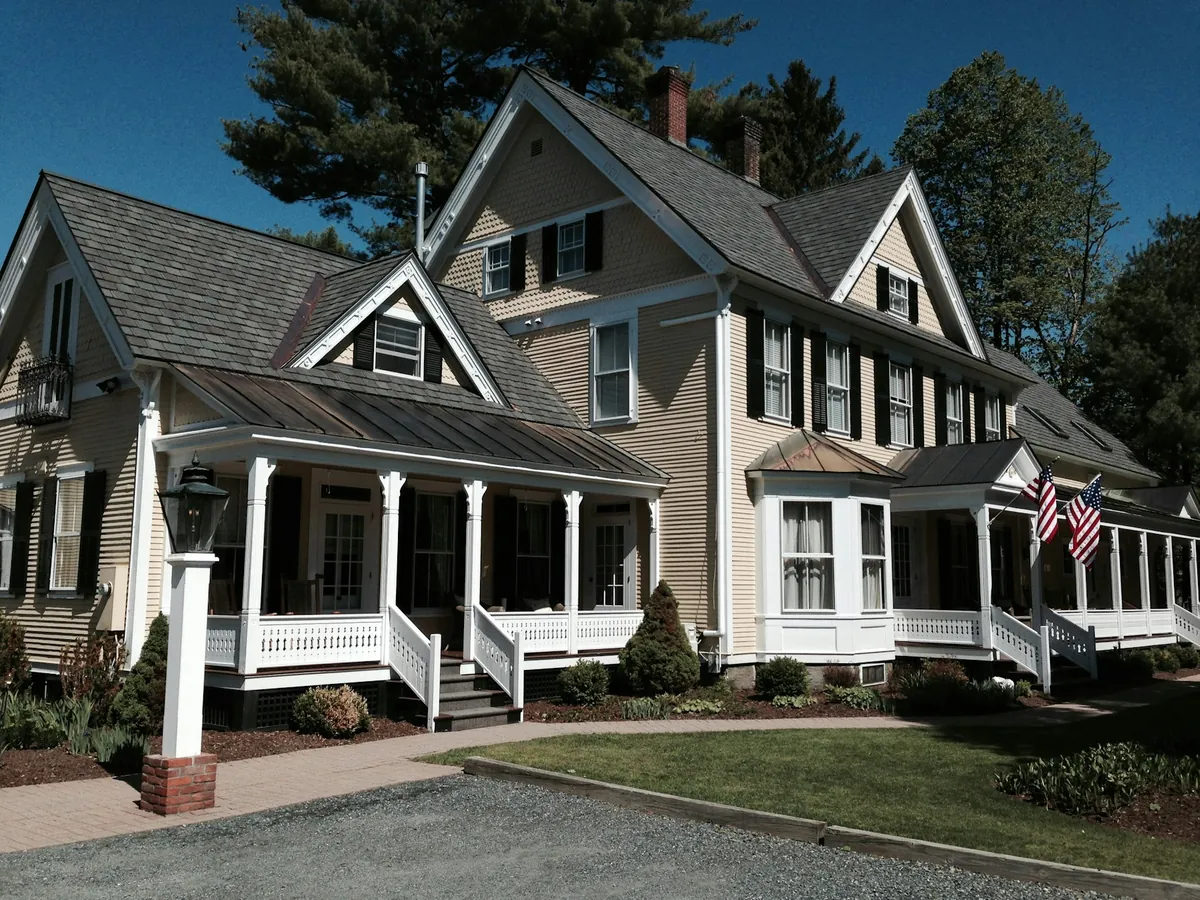
Large Sash, Made to Measure
On the Point and Historic Hill, the windows are the house. Old colonials keep their large multi-pane sash, and the shingle-style houses mix windows of every size and shape in a single room. Add historic-district review, and nearly every job here is made to measure, which suits woven wood shades in Newport, RI well, because a woven shade is built to the opening it will hang in.
A natural weave also belongs in these houses. It sits comfortably beside old painted trim, weathered shingle and wide floorboards, and it softens the sea light without the heaviness of thick fabric. In the close-built streets of the Fifth Ward, it brings warmth to rooms that need privacy from the house next door. On the larger properties along Ocean Drive, it tames the bright, reflected light off the water while keeping the view.
- Woven wood and bamboo, plain or with a liner sewn behind
- Each sash measured where it stands, then fitted by Window Works installers
- Every weave and liner on show at our Swansea showroom
Woven Shades, and What to Pair Them With
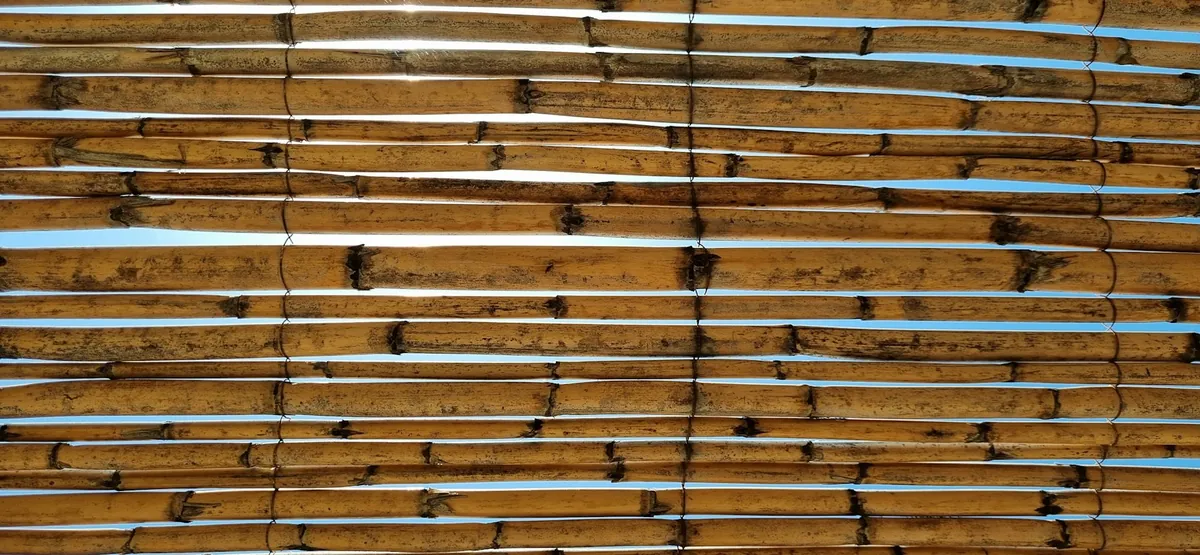
Fine bamboo
A neat, close weave with a soft, golden light. Quiet enough not to compete with the pattern of a multi-pane sash.
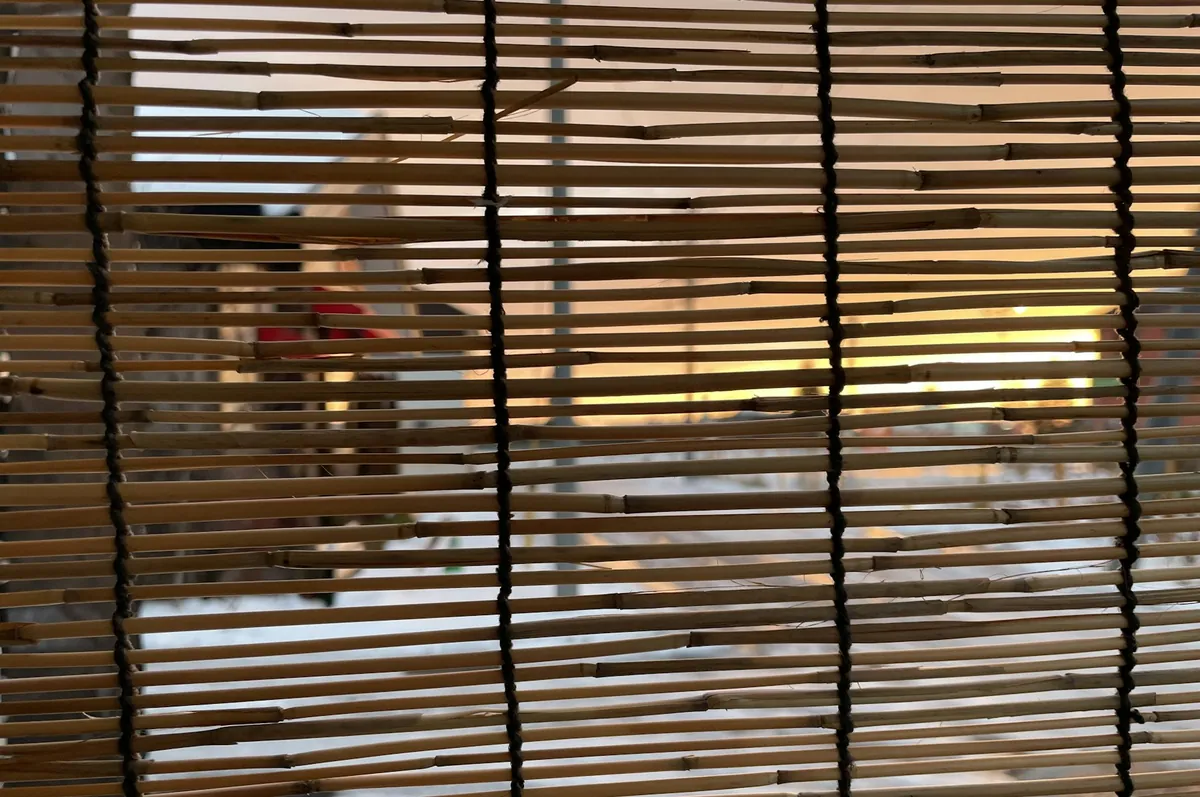
Looser natural weave
Wood, reed and grass set further apart. On Ocean Drive, it keeps the sea in sight while calming the glare.
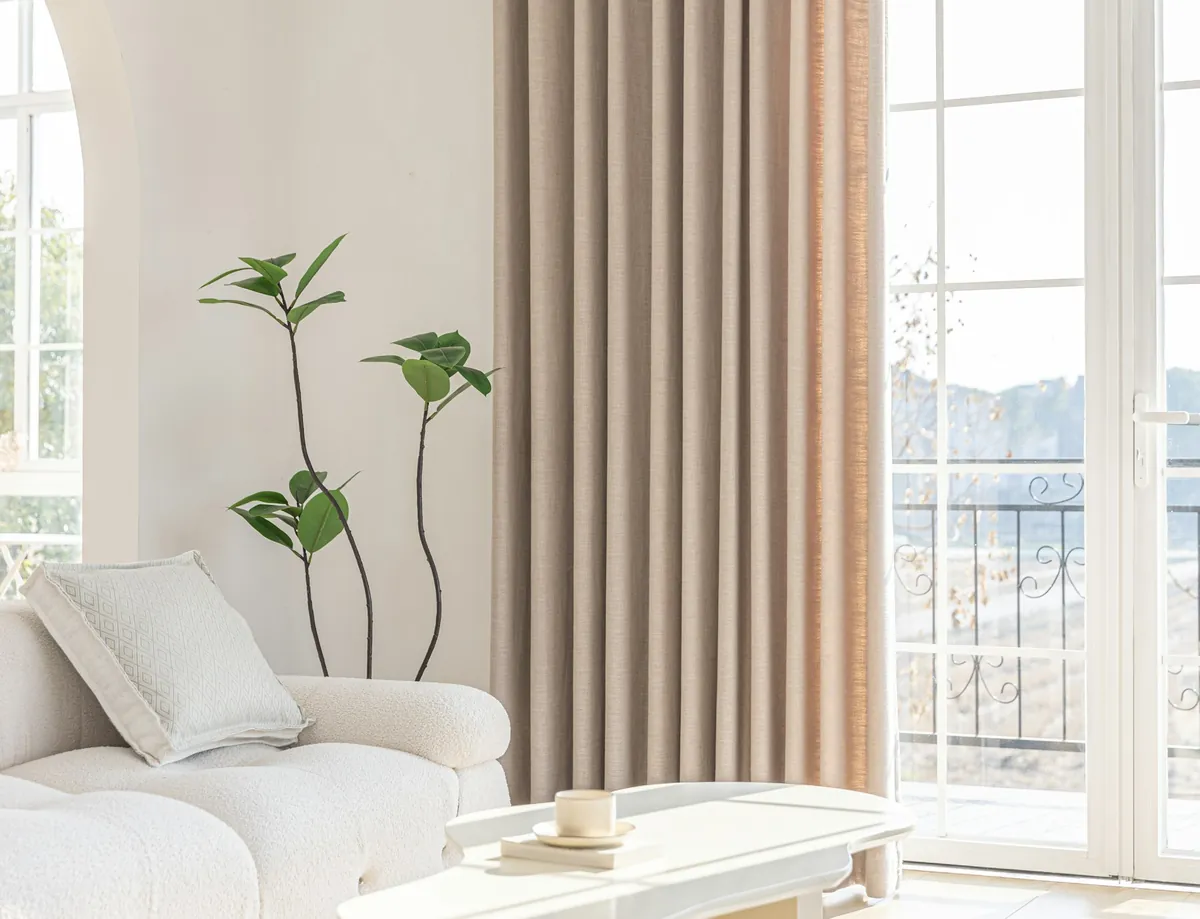
Drapery panels
Panels beside a woven shade frame a formal colonial room and close at night. Drapery is a specialty of ours.
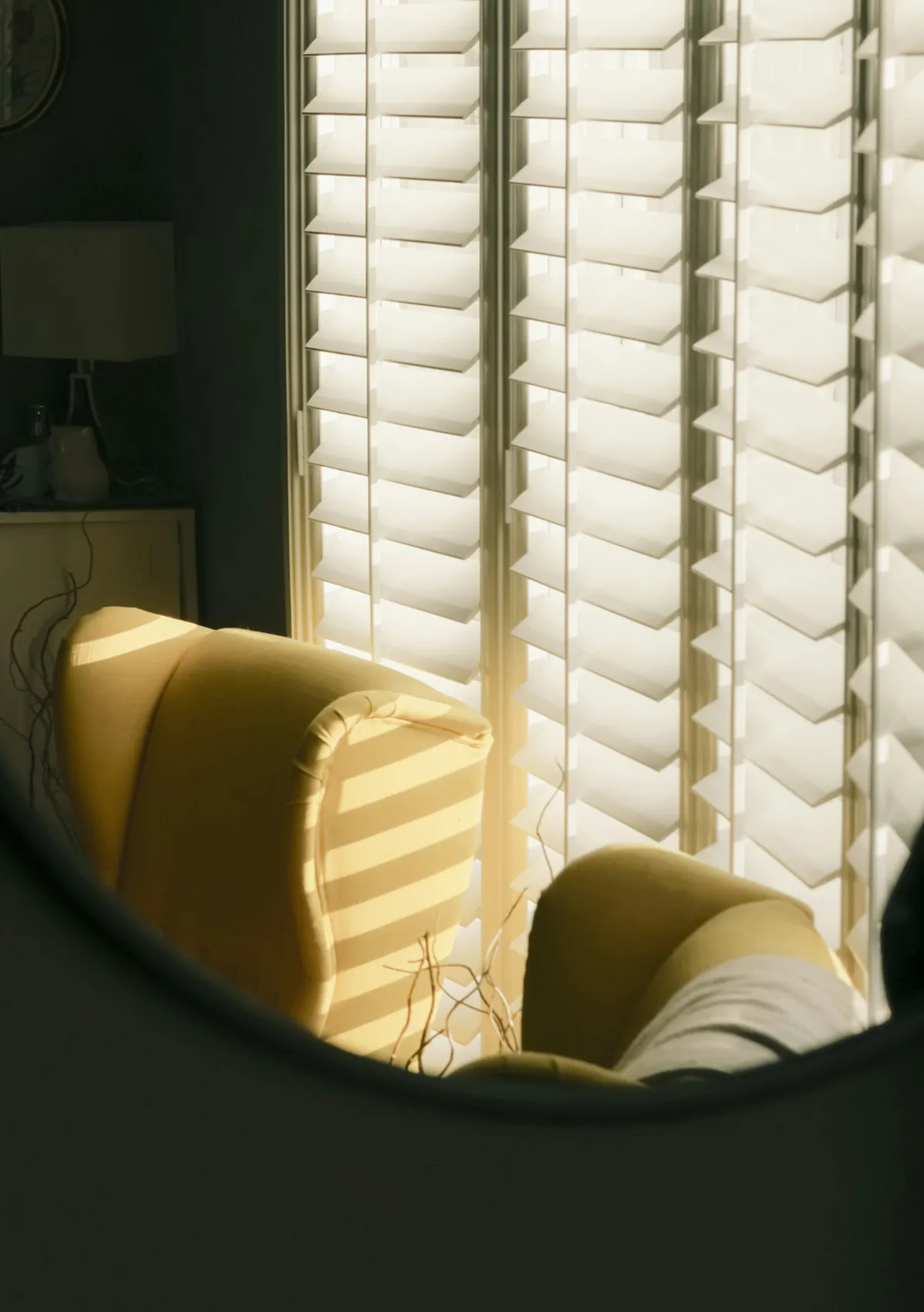
Plantation shutters
Interior louvres for a street-level room on a close-built lane that needs privacy and air together.
Multi-Pane Sash and Woven Wood Shades in Newport, RI
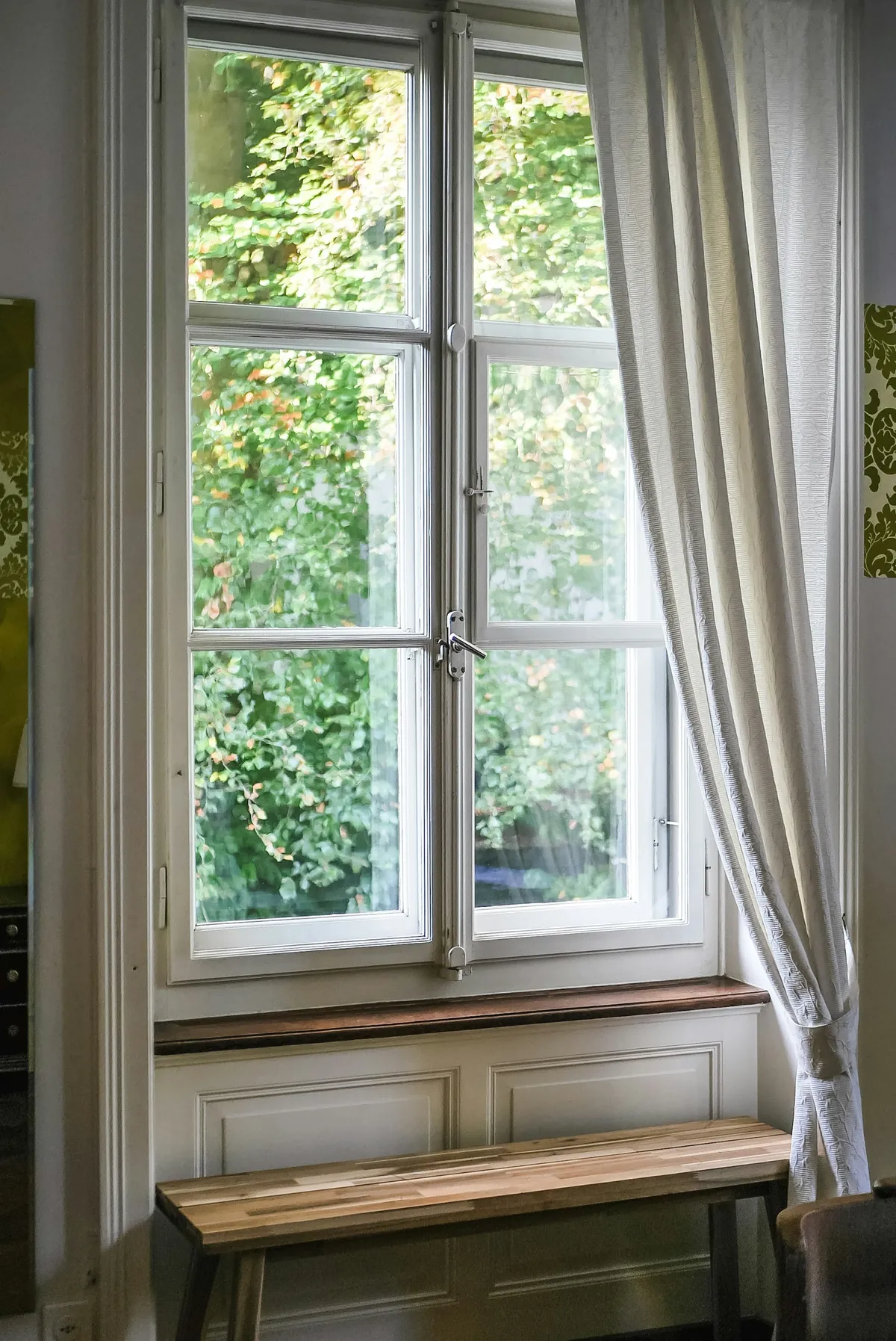
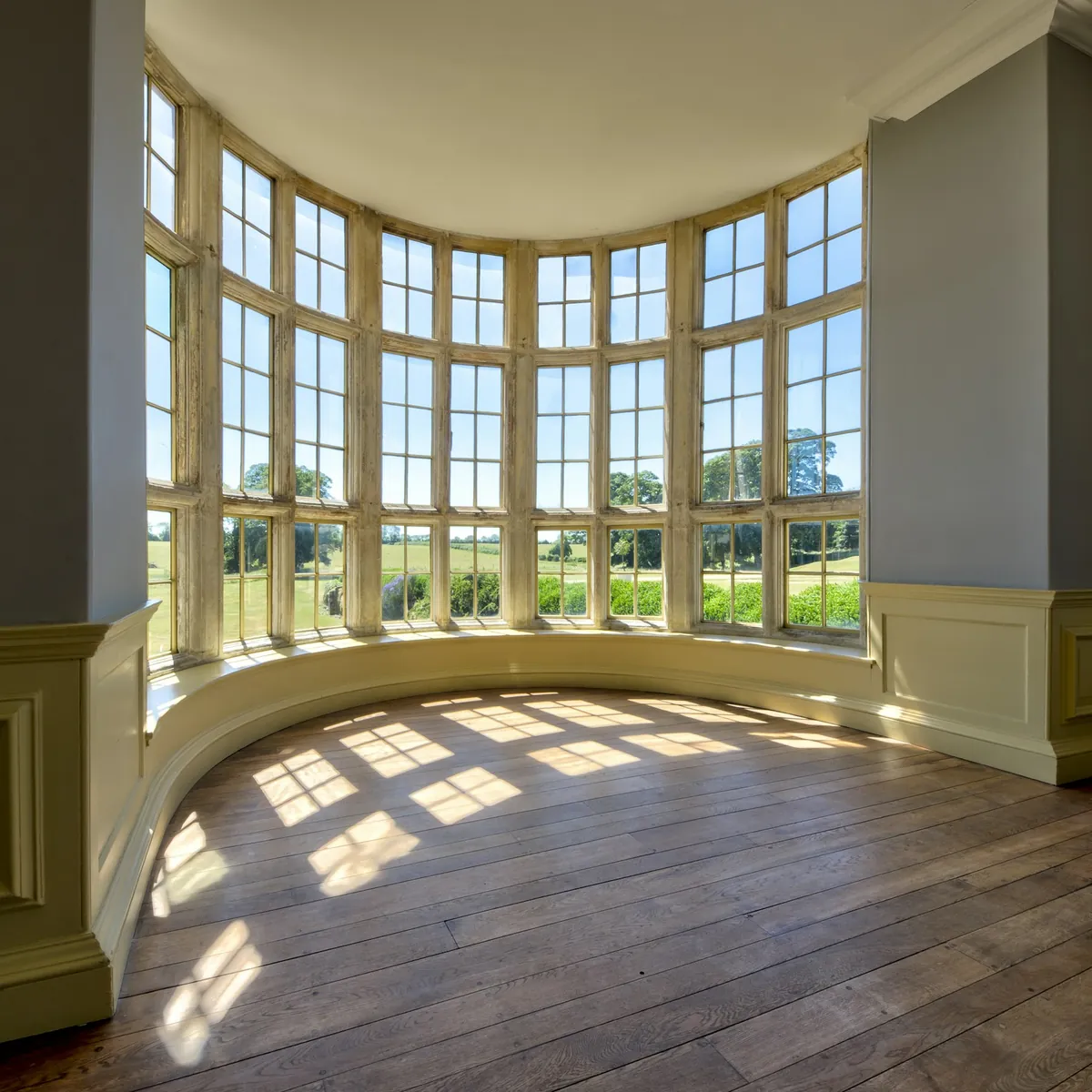
The large multi-pane sash of an old colonial is the starting point for most of our work with woven wood shades in Newport, RI. These windows are big, they are divided into many small panes by wooden bars, and they are often the most valuable original feature in the room. A shade has to respect them.
Showing off the sash
An inside mount, with the shade fitted within the window frame, keeps the trim on show and, when the shade is raised, leaves the whole sash visible. That is usually the first choice on a colonial window where the trim and the sash are original. It needs enough depth in the frame for the headrail and the raised stack, and in an old house that depth changes from window to window, so we measure each one.
Where the frame is shallow, or where the raised stack would cover too many of the upper panes, the shade can be mounted above the frame instead. Raised, it then sits on the wall, and the full sash is open to the light. On a tall window in a room with a high ceiling, that space is usually there to use.
The grid behind the shade
Here is something people notice only once the shade is up. When a woven shade is lowered on a sunny day, the light behind it comes through the weave, and the bars of a multi-pane sash can cast faint lines of shadow onto the back of the shade. With an open weave, the grid shows clearly as a soft pattern. With a tight weave or a liner, it all but disappears.
Some owners love that effect, the old window showing through the natural weave. Others prefer the shade to read as one even surface. It is worth deciding before you choose the weave, and holding a sample against your own window on a bright day shows you exactly what you will get.
Large openings and the weight of the shade
Big sash means a big shade. A wide, tall woven shade is a fair amount of natural material to raise, and on the largest windows we talk through how it will be lifted and where the controls should hang. Where a pair of large windows sit side by side, separate shades are usually easier to work than one very wide one, and they can be made to line up so the pair still reads as one.
Old sash also tends to be out of square after so many years. A frame can be wider at the head than at the sill, or lean slightly to one side. For woven wood shades in Newport colonials, we take the width at several heights on every window and make the shade to the narrowest point, so it travels freely and never scrapes the trim on the way down.
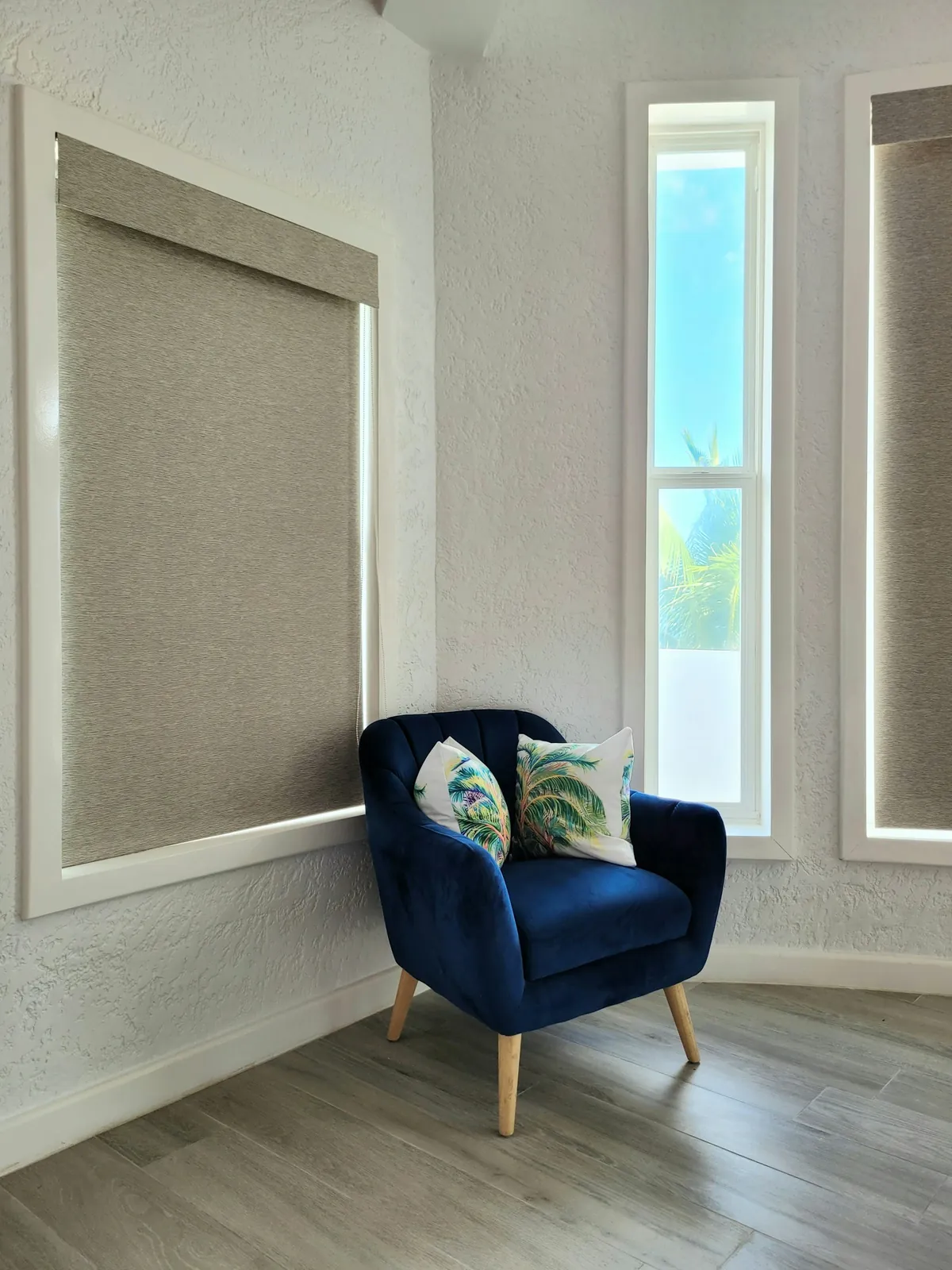
The Point and Historic Hill
Colonials close to the street
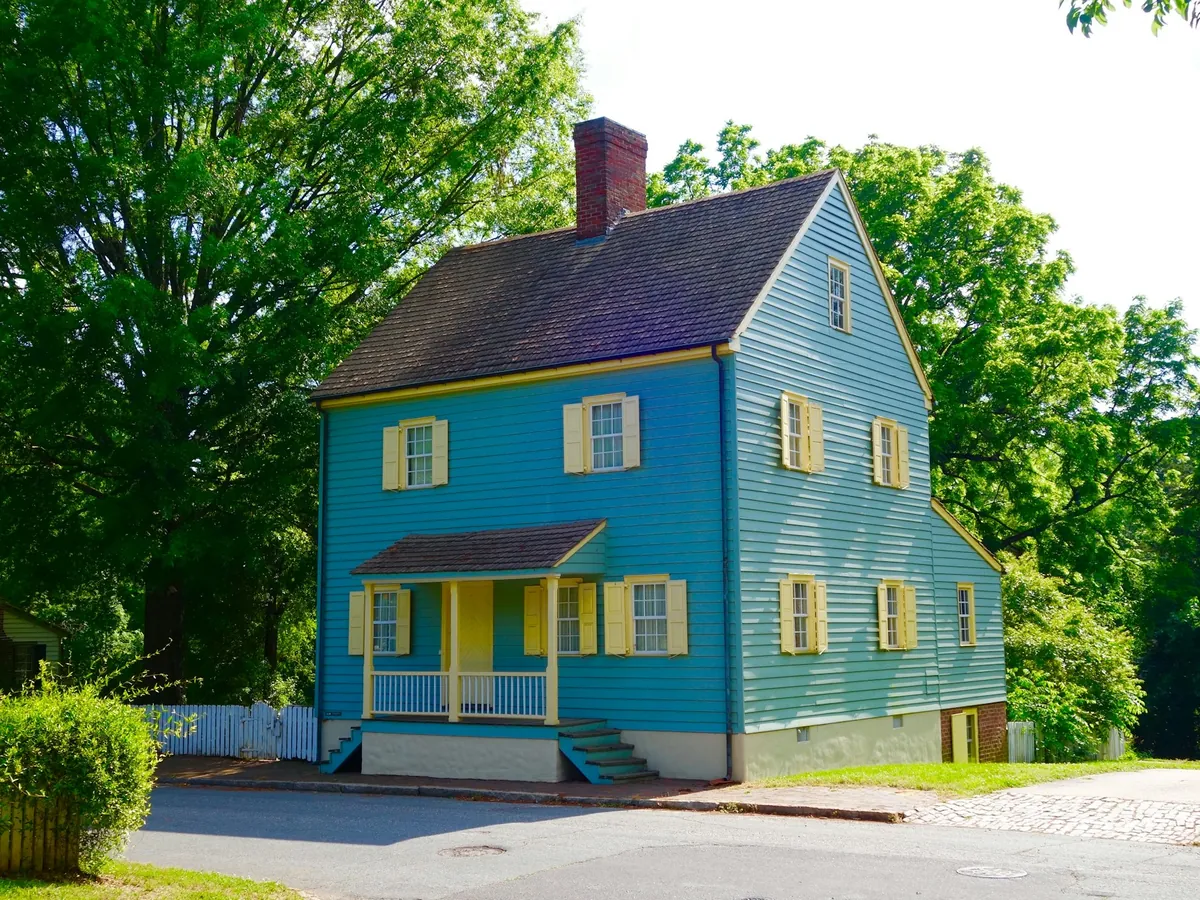
The colonials on the Point and Historic Hill sit close to the street, many with their front windows only a step or two from the pavement. Daylight works in your favour: the street is brighter than the parlour, so a close weave hides the room from passers-by. After sunset the balance flips, and without a liner the lit room shows movement through the strands. On a front room this close to the pavement, the privacy liner earns its place, giving a soft glow by day and a solid screen by night.
What the street sees
Historic-district review is part of owning a house here, and while a shade sits inside the glass, its back is what passers-by see. A lined shade with a soft, neutral backing gives every window on the front the same calm face. Unlined, the street sees the natural weave itself, which can look lovely against old clapboard. Either way, we make the shades on the front of the house to the same height and set them to lower to the same line, so the face of the house stays as orderly as it was built.
Shingle-style houses and their many windows
The shingle-style houses mix windows freely: a wide group in the living room, a tall one on the stair, small square windows under the eaves and sometimes a curved bay or a projecting window seat. No two may be the same size, even in one room.
That is exactly where made-to-measure pays off. We take each opening’s own sizes and build the shade to suit. Where several windows of different sizes share a wall, we set the shades so their tops or their hems line up, whichever looks best for that wall, so the room looks planned rather than patched together. A bay takes a shade per window, with the hems lined up across the angles.
Shingle-style houses also tend to have deep porches wrapping round the ground floor, which shade the rooms behind them. A heavy weave on top of a porch roof can leave a living room dim at midday, so for those rooms we lean towards a pale, medium weave. Upstairs, under the gables, the small windows often sit low and close to the roof slope. Woven wood shades in Newport attic rooms like these work well in a rolling style, fitted inside the frame, so the raised shade does not cover the little glass there is.
The Fifth Ward’s Close-Built Streets
The houses in the Fifth Ward are built close together on narrow lots, and many side windows look straight across a small gap into a neighbour’s. On those windows, privacy is an all-day concern, not just an evening one. Lined shades, left down for most of the day, screen those rooms and still let the daylight filter in; choose light tones for both weave and liner and the room never feels shut in.
The front rooms on these narrow streets meet the pavement almost directly, so they too generally get a privacy liner. Upstairs, where the windows are above the eye line of the street, you have more freedom: a lighter weave, or an unlined shade in a study or a sewing room, can work where it would not downstairs. Bedrooms usually keep a liner, for the neighbours and for the early light.
Because the houses are close, the light in many rooms is already limited. A dark, close weave can make such a room gloomy. We usually steer Fifth Ward rooms toward lighter colours and medium weaves, and use the liner, rather than the weave, to provide the privacy.
Ocean Drive’s Larger Properties
The larger properties along Ocean Drive have big rooms, big windows and the ocean on the other side of them. The light here is the strongest in town, bright from the sky and bright again off the water, and it changes all day as the sun moves round.
An open woven shade is one of the best treatments for these rooms. The strands scatter the glare, so the room fills with an even, sunlit warmth, and the ocean stays visible beyond the weave. On a west-facing room that takes the full afternoon sun, a tighter weave or a light liner tames it further without shutting the view out. Where a bedroom looks east over the water, a darkening liner stops the dawn waking you.
Salt is constant along the shore. It drifts in through open windows and settles in the weave with fine sand. Every so often, sweep the shade from top to bottom with a duster or the soft upholstery head of a vacuum to clear it. Keep the shades dry, and keep them out of any spot where rain or spray can reach them.
Large rooms also mean long runs of windows. Each is measured separately, and each shade is made so that the whole run lowers to one even line.
These houses often have glass doors to a terrace or lawn as well. A woven shade on a door that is opened all day has to be lifted every time, so for the busiest doors we may suggest drapery that draws aside, with woven shades on the fixed windows around them in a matching tone.
About Window Works
This page is written by Window Works Blinds Shutters and Shades. We opened in 1988 in Swansea, Massachusetts, and our showroom is there today, with the second generation of the same family running the business. Newport sits within the 25 towns our window treatment specialists cover, from the Massachusetts SouthCoast down through the Rhode Island East Bay to Aquidneck Island, and over 37 years we have dressed windows in houses of every age.
Pressing the call button connects you with our store in Swansea. Measuring is done by a Window Works specialist, and the fitting by Window Works installers, not by anyone we hand the job to. You hear from us at every stage until the work is finished, and the products we sell come with warranties.
How a Newport Order Runs
The steps are straightforward, and you will hear from us at each one.
- Ask for a free quote through the call button or the form. It helps to say whether the house is on the Point, Historic Hill, in the Fifth Ward or along the shore.
- A specialist visits to measure. On old sash that means the depth of each frame, how many panes a raised stack would hide and the wall space above the trim.
- Weave, colour and liner are chosen room by room, with the full range available at the showroom.
- You receive a quote that itemises every window.
- Each shade is made to its own measurements, taken at the house.
- Our installers fit them, line up tops and hems along each wall, and show you how each one works and how to keep it clean.
Choosing colour against old woodwork
No two strands of a natural weave are quite the same tone, and once the sun is behind it the whole shade deepens and warms. Old painted trim and wide, worn floors in a colonial suit a mid or warm wood tone. The airy, pale rooms of many shingle-style houses take bamboo or a light grass weave well. On Ocean Drive, a pale, open weave keeps a big room bright and lets the view lead.
Fold, roll and what sits on top
Woven shades either fold into soft pleats or roll around a tube, depending on the style. A folding shade has a fuller look that suits a colonial or shingle-style interior, and a deeper stack. A rolling shade stays slim when raised. Mounted outside the frame, the headrail can hide behind a valance cut from the same weave; beneath drapery, the curtain heading does that job.
Layering with drapery
In the formal rooms of a colonial on Historic Hill, drapery panels beside a woven shade complete the window. The shade manages the daylight; the panels bring colour and close across the window after dark. We make drapes as well, so both can be chosen together and measured on one visit.
When another treatment fits better
Keep woven shades away from showers, splashes and rain. A street-level room on a narrow lane that needs screening with the sash open is often happier with shutters, and a bedroom that has to be black at noon may want a cellular shade. Where a different product serves the window better, you will hear it from us. Compare on cellular shades in Newport, and see all our services for the city on Newport window treatments.
Repairs
Salt is hard on cords and lifts. When one of your existing woven shades starts to slip or its cord wears through, call us before replacing it, as it can often be put right.
What Sets Window Works Apart
What you get from Window Works is a family store’s way of working, built up over more than 37 years.
- A specialist window treatment store, not a general contractor
- Measuring in your home, essential on old multi-pane sash
- Shades fitted by our own installation team
- Regular updates from first call to finish
- Warranties available on the products we supply
Read about the whole woven range on the woven wood shades page.
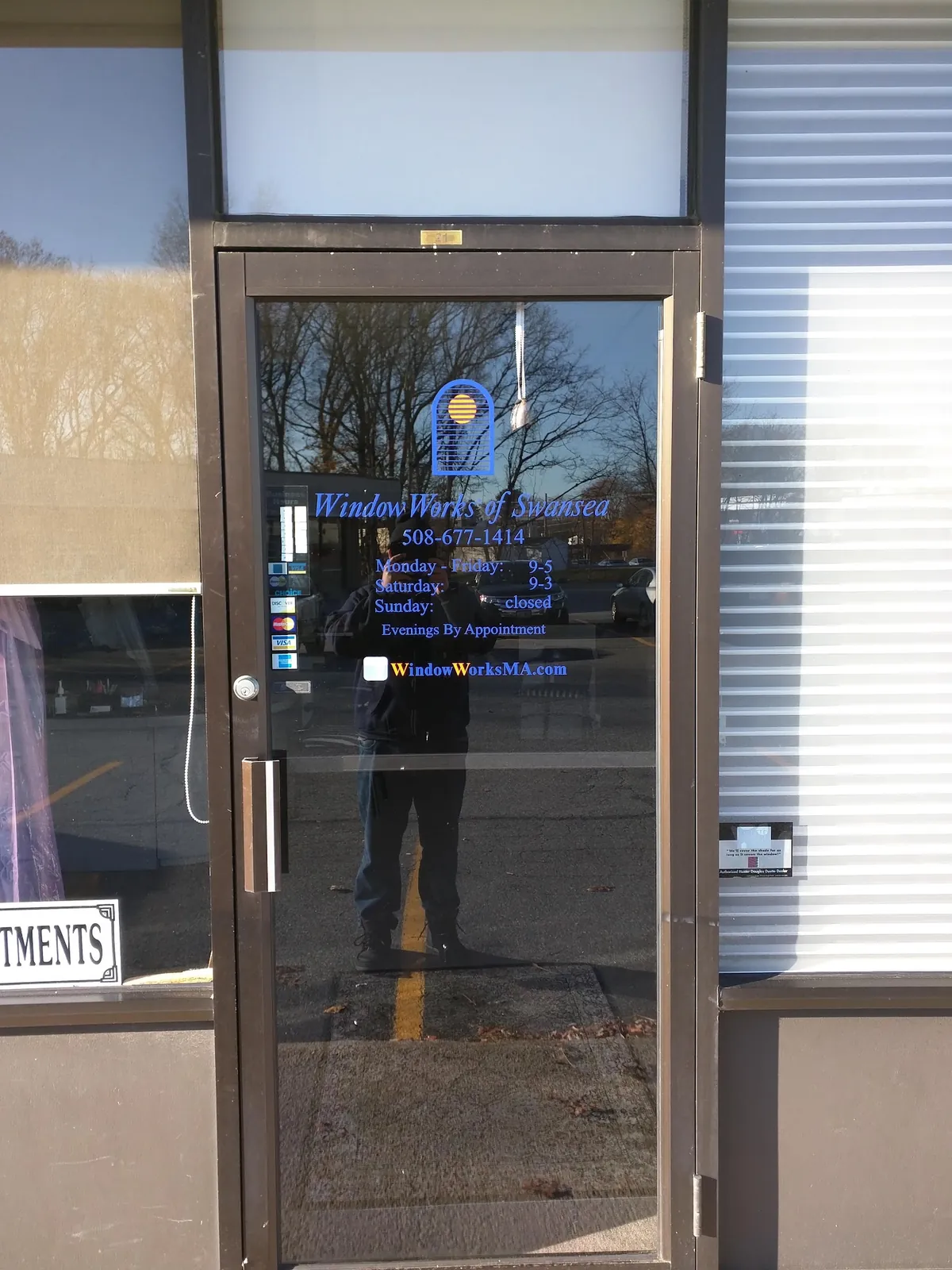
Our Showroom in Swansea
The showroom in Swansea is where the choice gets easy. Lay a fine bamboo next to a looser weave, hold the liners up to a window and compare the colours by daylight. A photo of your windows, especially multi-pane sash, helps us show you how the grid will look behind each weave. The Norman range is on display as well.
Questions from Newport
Will a woven shade hide the multi-pane sash of my colonial?
Only when lowered. Mounted inside the frame, or above it where the stack would cover panes, the raised shade leaves the sash on show.
Will the window bars show through the shade?
On a sunny day, faint lines of shadow can show through an open weave. A tight weave or a liner hides them.
How do woven shades look from the street in the historic district?
The street sees the back of the shade. A neutral liner gives every front window the same calm face, and we line the hems up across the front.
Who will I be working with?
Window Works Blinds Shutters and Shades. We have been a family store since 1988, our showroom is in Swansea, and pressing the call button here puts you through to that store.
How do I arrange a quote?
The quote is free. Call, or write through the form, and give us an idea of the rooms.
Book Your Free Quote
Your next step is a free quote. Ring our Swansea store with the call button to fix a time for measuring at your house or to ask about installation, or send a few lines through the form. Planning to see the weaves before the visit? The contact page shows how to reach our showroom. On Google, Window Works is rated 5.0.