
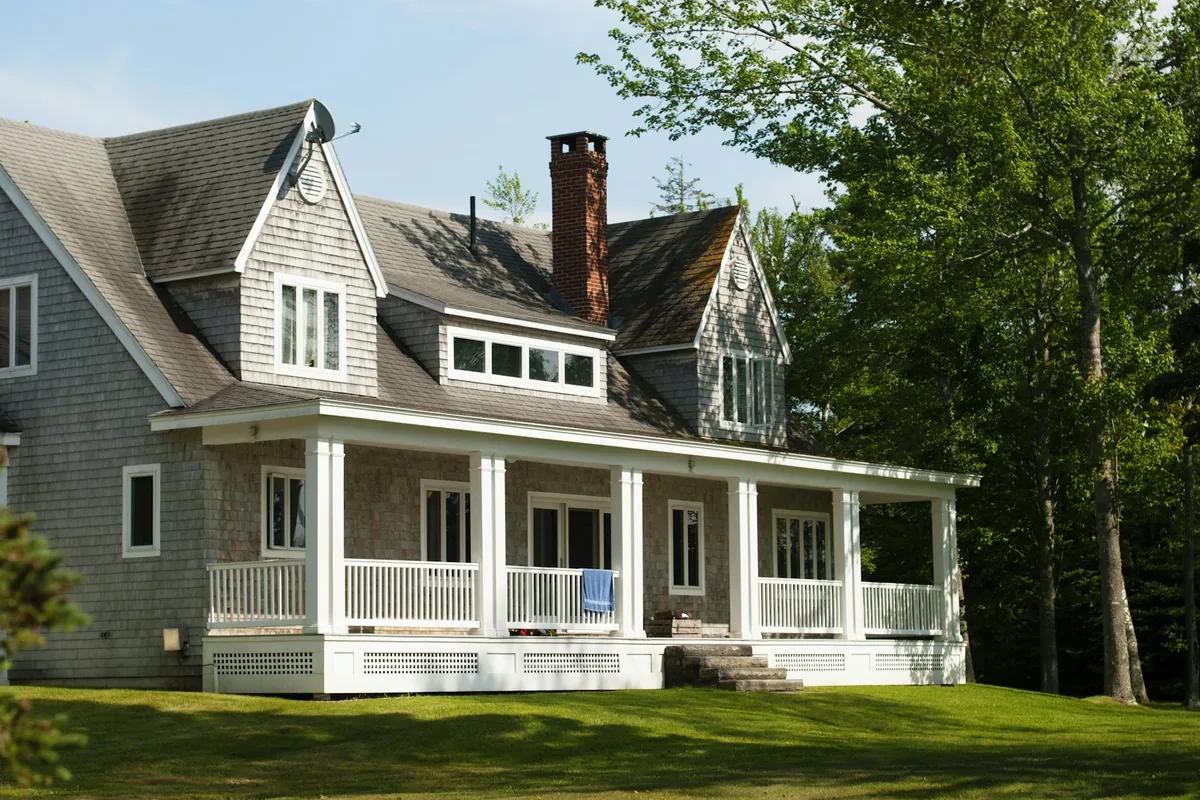
Salt Air on Every Street in Middletown
In Middletown, the salt air never really lets up. The cottages toward Easton’s Point and Sachuest face it head on, and the ranches and capes off East Main Road and Aquidneck Avenue feel it too, even a few streets back. Second-row houses still get the weather without the view: the damp, the wind and the bright, glary sky off the water, but none of the open outlook that makes a front-row window worth keeping clear. That shapes how motorized blinds in Middletown, RI are chosen. The material comes first, picked to cope with coastal air, and then the motor goes on the windows you would adjust most if it were easy.
Window Works Blinds Shutters and Shades is a family store based in Swansea, Massachusetts, founded in 1988. We measure in your home, our own team installs, and the showroom in Swansea has the samples to compare.
- A remote, a wall switch, or both in one room
- Materials chosen for salt air and strong coastal light
- Measured at your house; installed and set up by our team
Three Middletown Houses, Three Reasons for a Motor
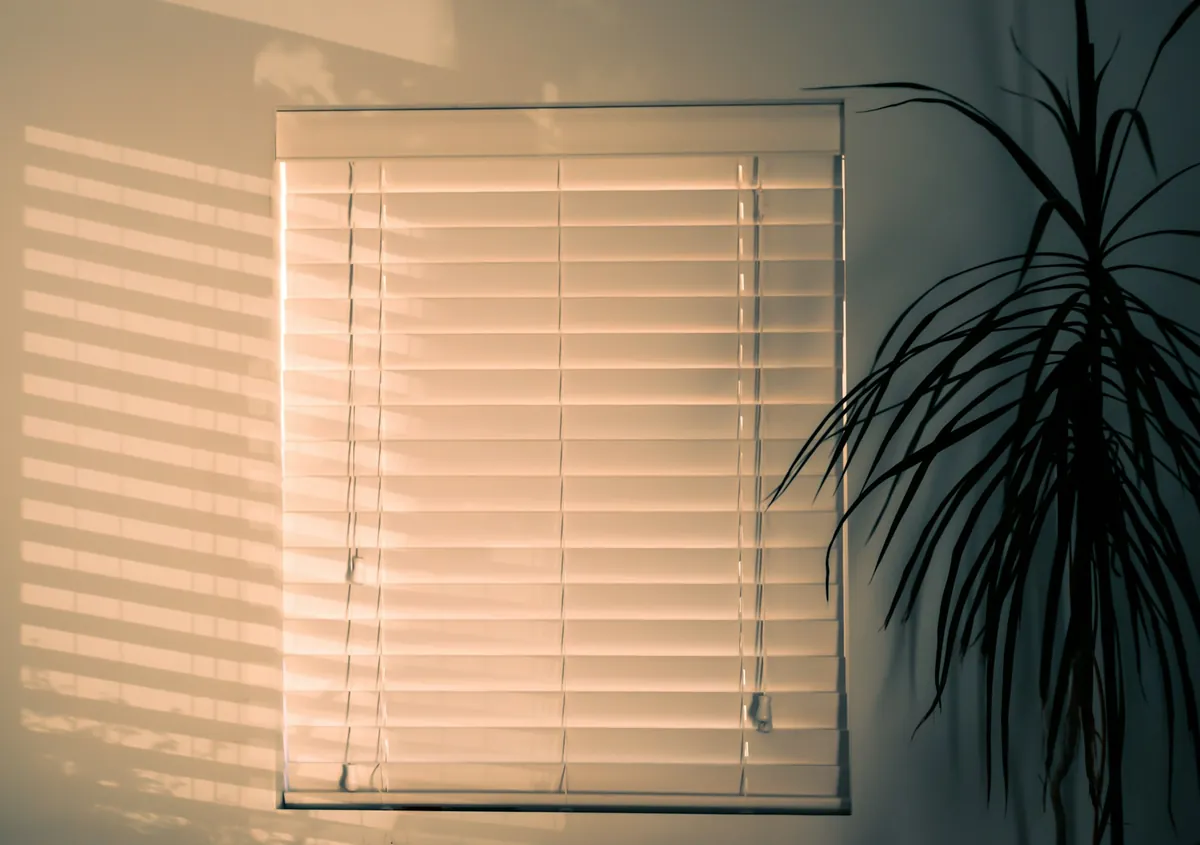
Cottages near the water
Toward Easton’s Point and Sachuest, front windows face the light off the sea. A remote follows the glare through the day.
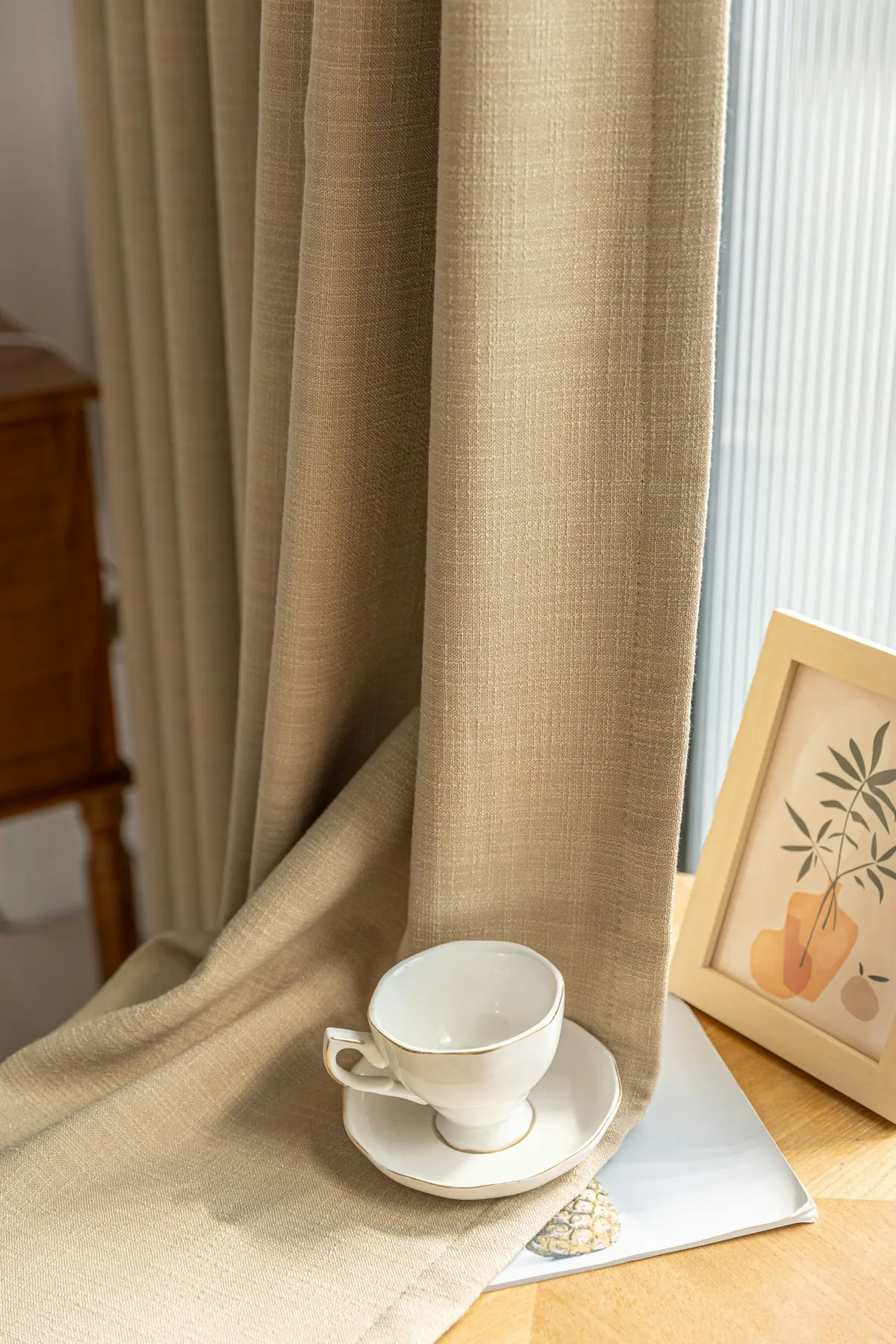
The second row
No view to protect, but the same salt and sky glare. Shades here are about comfort and privacy, lowered often.
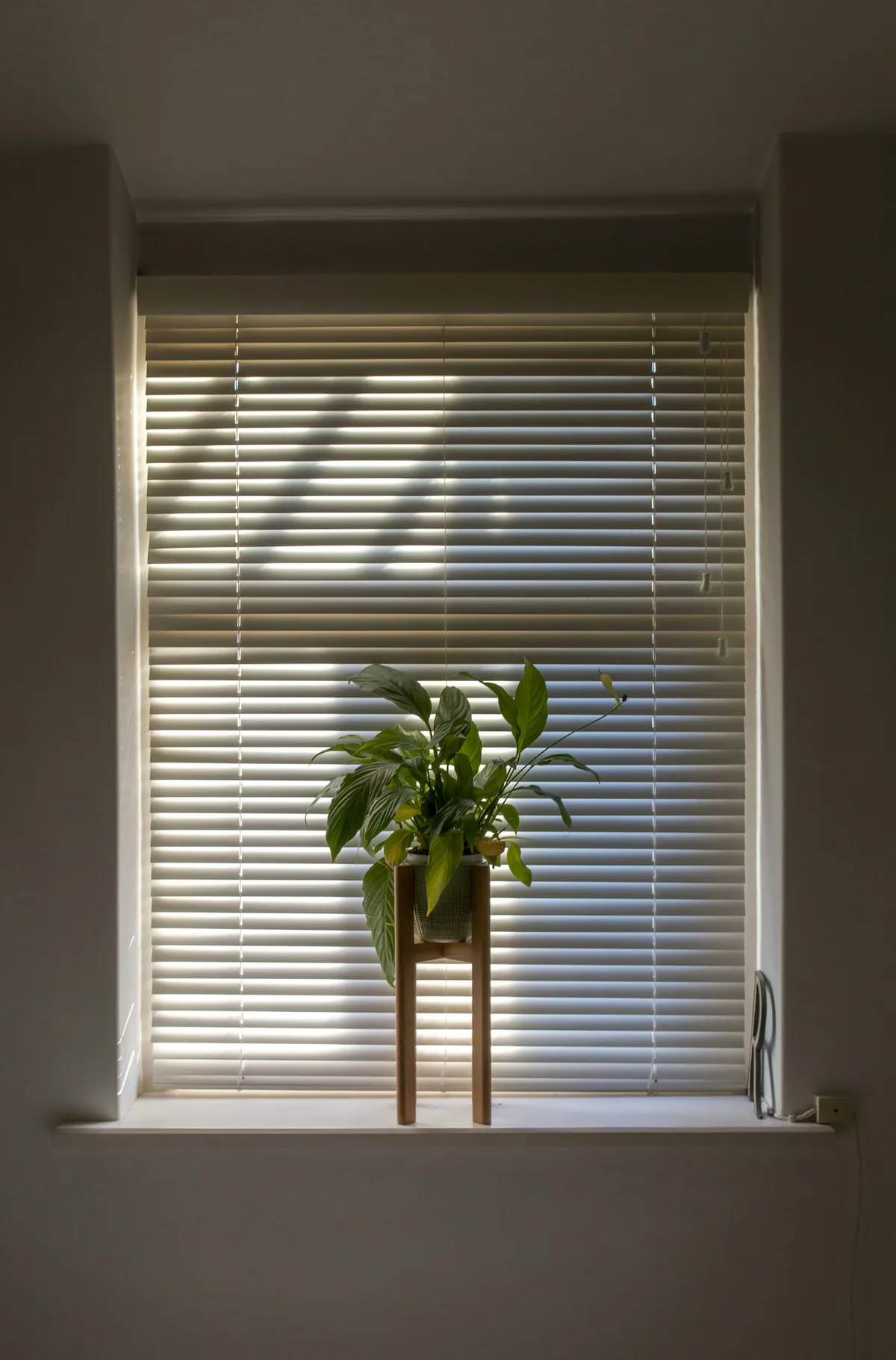
Ranches and capes inland
Off East Main Road and Aquidneck Avenue, the living room window and the bedrooms get the most use from a motor.
Choosing Motorized Blinds in Middletown, RI for Coastal Air
Salt exposure is the constant in Middletown, so choosing motorized blinds in Middletown, RI starts with how a material copes with it. Salt air carries moisture and fine salt indoors whenever windows and doors are opened, and over time it is hard on some fabrics, finishes and metal parts. Strong coastal light, reflected off the water and off pale skies, adds its own wear.
Material first
The blind or shade does the real work in the room, and near the coast it also has to last. Some fabrics hold their colour and shape better in damp, bright conditions than others, and some finishes stand up better to salty air. We talk through how close the house is to the water, which way the main windows face and how often windows are opened in summer, and steer you toward materials suited to that setting. Our guide to coastal window treatments goes into this in more depth.
Once the material is right, the motor is added to the windows where it helps. Which of the styles you like can be motorized we will go through with you.
Light off the water and off the sky
Coastal light is different from inland light. Even on an overcast day, the sky over the water can be bright enough to glare, and on a sunny afternoon the sea throws reflected light into rooms at a low angle. Front-row cottages take the brunt of it, but second-row houses get the bright sky too. A light filtering fabric softens that glare while keeping the room bright. A room darkening fabric is for bedrooms, where early summer light comes in long before most people want to be up.
Why a motor helps near the coast
On the coast, the light changes quickly. A bright morning turns grey, the sun breaks through in the afternoon, fog rolls in and out. Shades that are hard to reach get set in one position and left there, which means the room is either too bright or too dim for much of the day. With a remote or a switch, adjusting them is effortless, so they actually follow the weather.
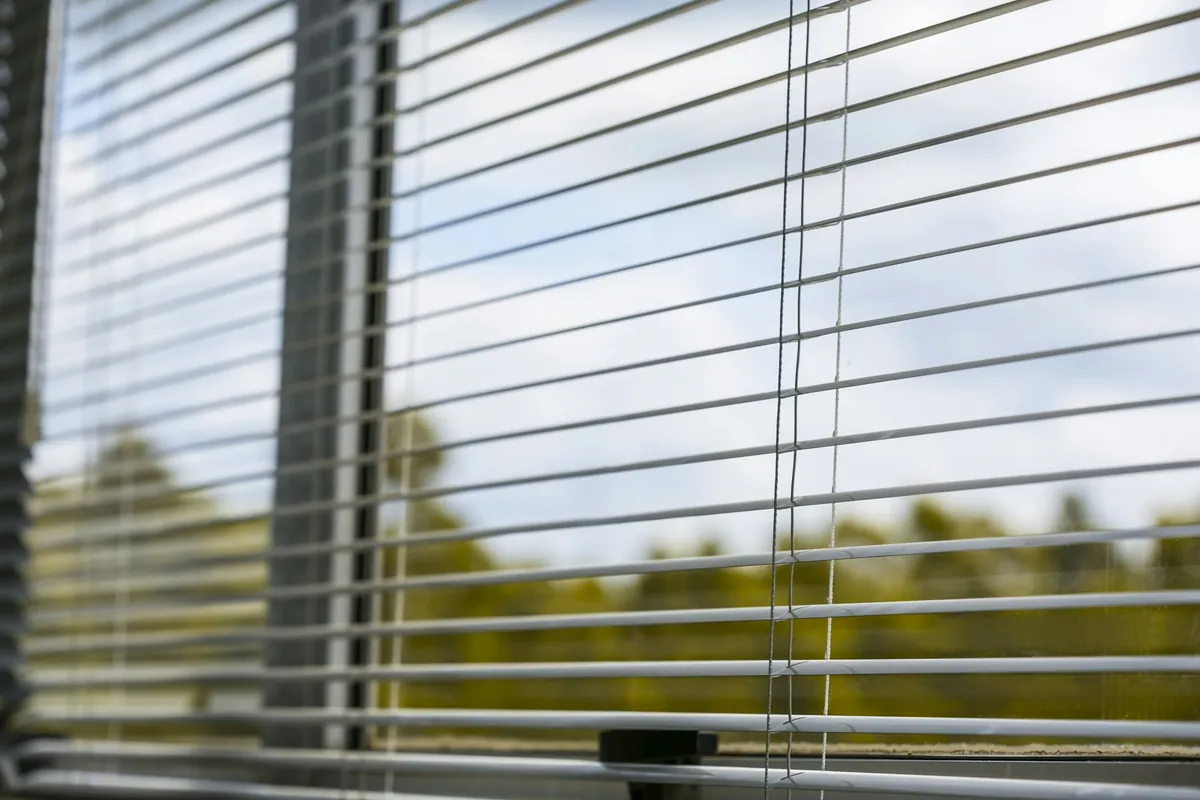
Grey mornings and fog
The coast gives plenty of dim days as well as bright ones. On a foggy morning, or under a low grey sky, a room needs every bit of daylight it can get, which means raising the shades fully rather than leaving them halfway from the night before. On a tall or awkwardly placed window, few people bother. A press of a remote takes the shade right to the top, so the room gets all the light the day offers, and it can come back down just as easily if the sun burns through by lunchtime. In a cottage with small windows, that full raise makes a noticeable difference to how bright the rooms feel.
Salt and the working parts
Salt air does not only affect fabric. Anything with moving parts near an often-opened window lives with the same damp, salty air. That is one more reason we ask how close the house is to the water and which windows stay open through the summer. We take it into account when suggesting materials for each window, and we explain what to keep an eye on. Wiping away the fine film that builds up on sills and frames near the sea, and keeping the shade’s path clear, helps everything run smoothly.
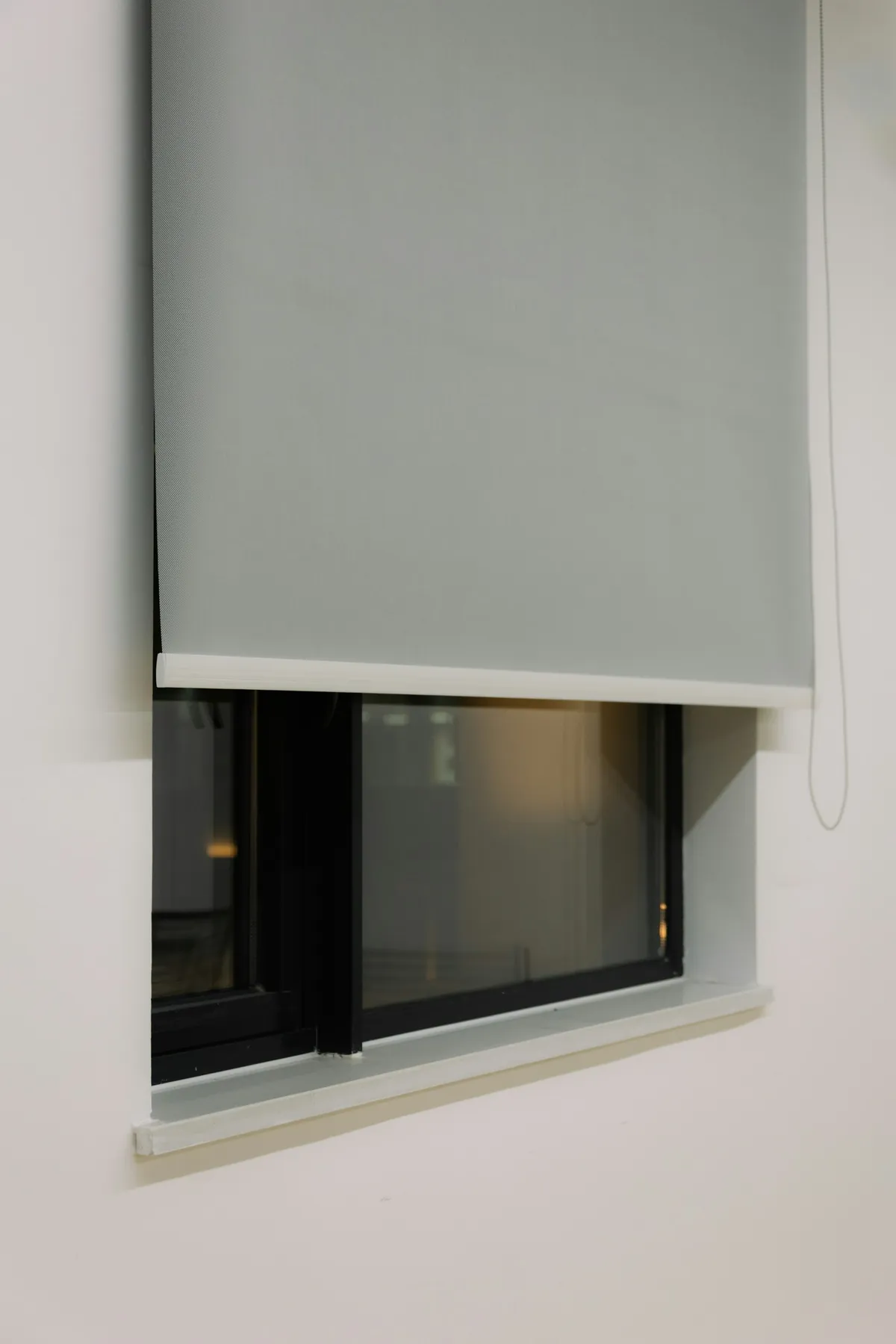
Cottages Toward Easton’s Point and Sachuest
The cottages toward Easton’s Point and Sachuest sit closest to the water and take the most salt and the most light. Many are compact, with rooms that open to a porch or a deck and windows that face the sea.
Keeping the view while cutting the glare
In a front-row cottage, the view is the reason the windows are there, and nobody wants to lose it. The answer is a shade that can be lowered just far enough to take the glare off the room and raised again the moment it passes. With a remote, finding that position is quick, and the shade does not get left halfway all day. A light filtering fabric is usually right here, keeping the outline of the water visible even with the shade down.
Porches and decks
Doors to a porch or deck are opened constantly in summer, which lets salt air in and means the treatment has to stay out of the way. We measure each door, its handle and the room above the frame, and plan the shade so it never comes down across the open door. A switch beside it brings it down when you close up for the night.
Small rooms, small windows
Older cottages often have small windows set high in the wall or close under the roof, especially in bedrooms. Those are awkward to reach over a bed or a built-in, and a motor saves the stretch. We check the space at the top of each window carefully, because it is often tight, and choose a compact headrail.
The Second Row and Beyond
A few streets back from the water, the houses get the weather without the view. That changes the priorities.
Privacy and comfort over view
Without a sea view to preserve, the shades in a second-row house are about privacy, comfort and keeping bright sky glare out of the room. They tend to be lowered more often and further than in a front-row cottage. That makes them good candidates for a motor, because they are adjusted many times a day. A switch by the living room door that brings the shades down as you come in, and a remote in the bedroom, cover most needs.
Wind, damp and closed windows
On windy, damp days, windows stay shut and rooms can feel close. On the first fine day, everything opens. A powered shade that can be stopped clear of an open sash, and lowered again easily when the windows close, suits that rhythm. We note which windows you open most and set the shades so they never come down onto an open window.
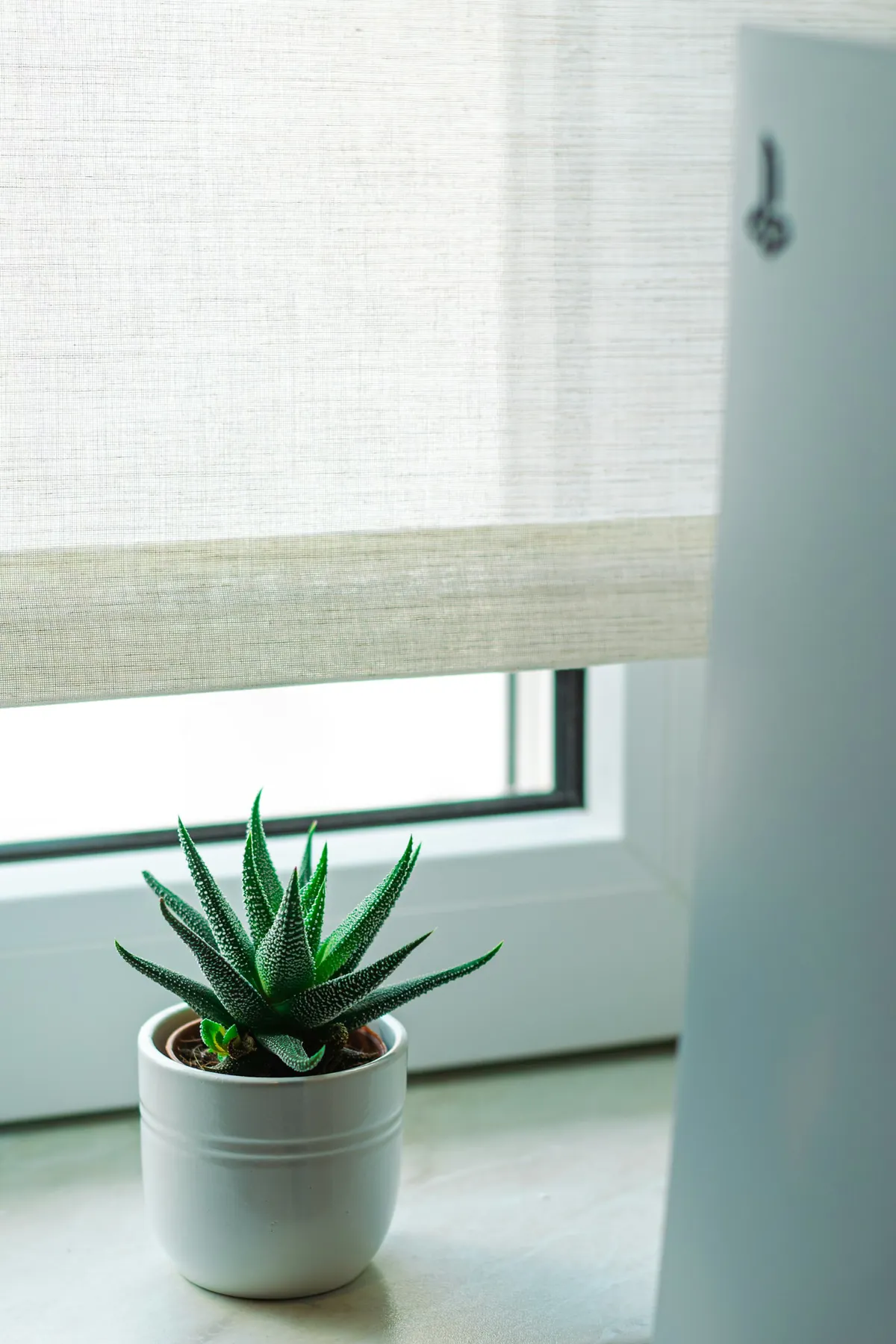
Winter evenings by the water
In winter the light near the water goes early and the wind picks up. Lowering the shades at dusk makes a room feel snug and closed in for the evening, and on a house exposed to the weather it is something you want to do every day without thinking about it. A switch by the living room door that brings the shades down as you turn on the lamps fits that routine. Planning motorized blinds in Middletown, RI with winter evenings in mind is just as useful as planning for bright summer glare.
Ranches and Capes off East Main Road and Aquidneck Avenue
Further inland, the ranches and capes off East Main Road and Aquidneck Avenue are more regular in layout. The salt is still there, just a little less intense, so material still matters, but the planning looks more like any well-used family house.
The living room window
A ranch off East Main Road usually has a wide window at the front of the living room, facing the street. It is the heaviest shade in the house to lift by hand and the one most on show in the evening, so it is often the first we motorize. A cape’s front windows sit either side of the door and are usually planned to match, with one or two powered.
Bedrooms and dormers
In a ranch, the bedrooms run along one side. In a cape, some are upstairs under the roof, lit by dormers. Dormers are tucked behind knee walls and easy to leave alone; a powered shade with a remote by the bed makes them simple to use. Main bedrooms in either type are the most common second choice after the living room.
Back doors to the yard
Many of the ranches and capes in this part of town have a slider or a glass door at the back, opening to a yard or a patio. It is used all summer, and it lets in the same salty air as the front windows. The treatment for that door is planned so it stays clear of the handle and the track, and a control beside it lowers it at night. Because it is often the brightest opening in the kitchen or family room, a fabric that tames the afternoon light without darkening the room completely is usually the right pick.
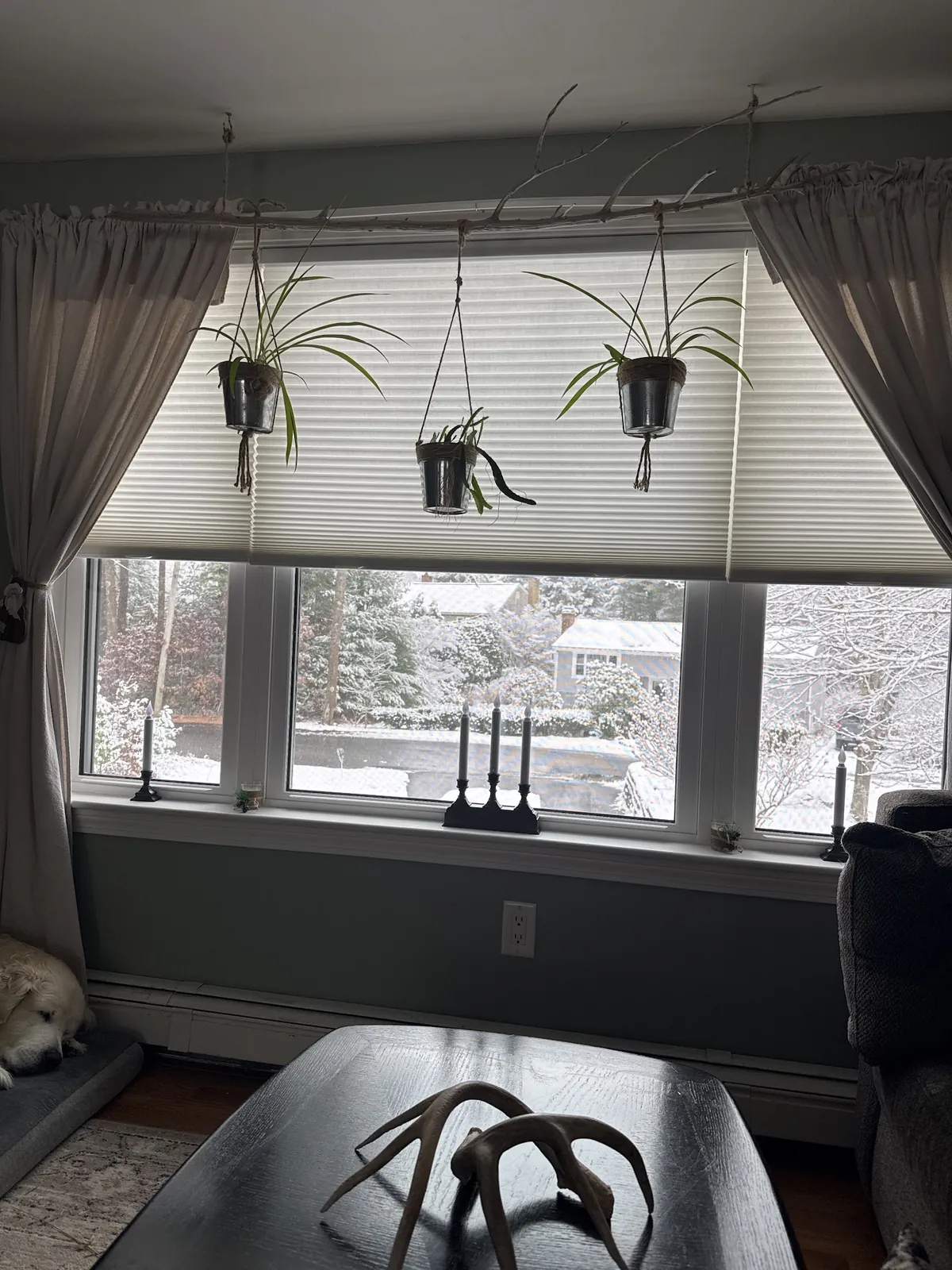
Fewer cords, tidier rooms
In compact cottage rooms and busy family rooms alike, removing the lift cords from the windows keeps sills and frames tidy. Nothing hangs down to catch on a chair, tangle with a plant or swing in the breeze from an open window. For households with small children or pets, it also means no loose cord within reach; our guide to cordless blinds and child safety covers that side.
How Your Order Runs
From first call to last check, we keep in contact with you. A Middletown order goes like this.
- Call the Swansea store or use the form, tell us how near the water the house is and which rooms you have in mind, and book a free quote.
- A specialist visits to measure every window and door you are thinking about, and talks through how you use each room and which windows you open often.
- We agree which windows get a remote, which get a switch and which keep ordinary controls.
- You choose materials and colours suited to coastal air, with samples to see and handle at the Swansea showroom.
- You receive a quote setting out every window and its controls.
- Everything is made to the measurements taken at your house.
- Our installers fit each blind and shade, set up the controls and show you how they work.
Remote or switch
A remote is best where you sit and want to follow the light: a cottage living room facing the water, a bedroom. A switch suits rooms you walk into at a set time: a front room at dusk, a porch door. Some rooms have both.
Coming to see the samples
Choosing a fabric for a coastal room is easier with the samples in your hand and daylight behind them. Our showroom is in Swansea, a drive up the island and across the state line, and it is worth the trip if you want to compare how different fabrics handle bright light. Bring a photo of the room, a note of which way the main windows face and how close the house is to the water, and our specialists will help you shortlist materials suited to it. Then we come to your house to measure, so the shades are made to your windows, not to an estimate.
Care near the coast
Near the sea, a little regular care goes a long way. Dust the fabric or slats gently, and wipe only where the material allows it. Keep the path under each shade clear, especially on sills where shells and plants collect, and run rarely used shades up and down occasionally. If a shade ever moves unevenly, call and tell us which window it is.
Building it up
Many orders for motorized blinds in Middletown houses start with the living room or the water-facing room and add bedrooms later, matched to the first. On a cottage, that might mean the sea-facing living room this year and the dormer bedrooms next. On a ranch off Aquidneck Avenue, the front window first and the back slider after. Either way, the later shades are chosen in the same material and colour, so the house looks finished from the street at every stage.
The Store Behind This Page
This page is from Window Works Blinds Shutters and Shades of Swansea, Massachusetts: a family store founded in 1988, now in its second generation, with over 37 years of covering windows across the SouthCoast and the Rhode Island East Bay, Middletown included. Our showroom is in Swansea, and the call button on this page reaches it directly.
- Experienced window treatment specialists
- Measuring in your home and installation by our own team
- In constant contact with you until the job is done
- Warranties offered on the products we sell
- A 5.0 rating on Google
See the main motorized blinds page for the full service, and the Middletown window treatments page for everything else we make for houses in town.
Questions from Middletown
My house is a few streets back from the water. Does salt air still matter?
Yes. Second-row houses get the salt and the bright sky glare without the view, so materials are still chosen for coastal conditions.
Can I lower a shade just enough to cut the glare and keep the view?
Yes. With a remote you can stop a powered shade wherever you need, and a light filtering fabric keeps the outline of the water visible.
What about the door to my porch or deck?
We plan the shade around the door, its handle and its swing, so it never drops across the open doorway, and a switch beside it lowers it at night.
Where is your store?
Window Works Blinds Shutters and Shades is in Swansea, Massachusetts. Our showroom has samples to see, and we come to your house to measure.
How do I book a free quote?
Use the call button or the form on this page, and tell us how near the water your house is and which rooms you have in mind.
Book Your Free Quote
The next step is a free quote. Press the call button to reach our Swansea store, and use the same call to arrange measuring in your home or ask about installation. You can also send the form. To compare coastal fabrics in person, visit the showroom; the contact page has directions. Window Works holds a 5.0 rating on Google.