
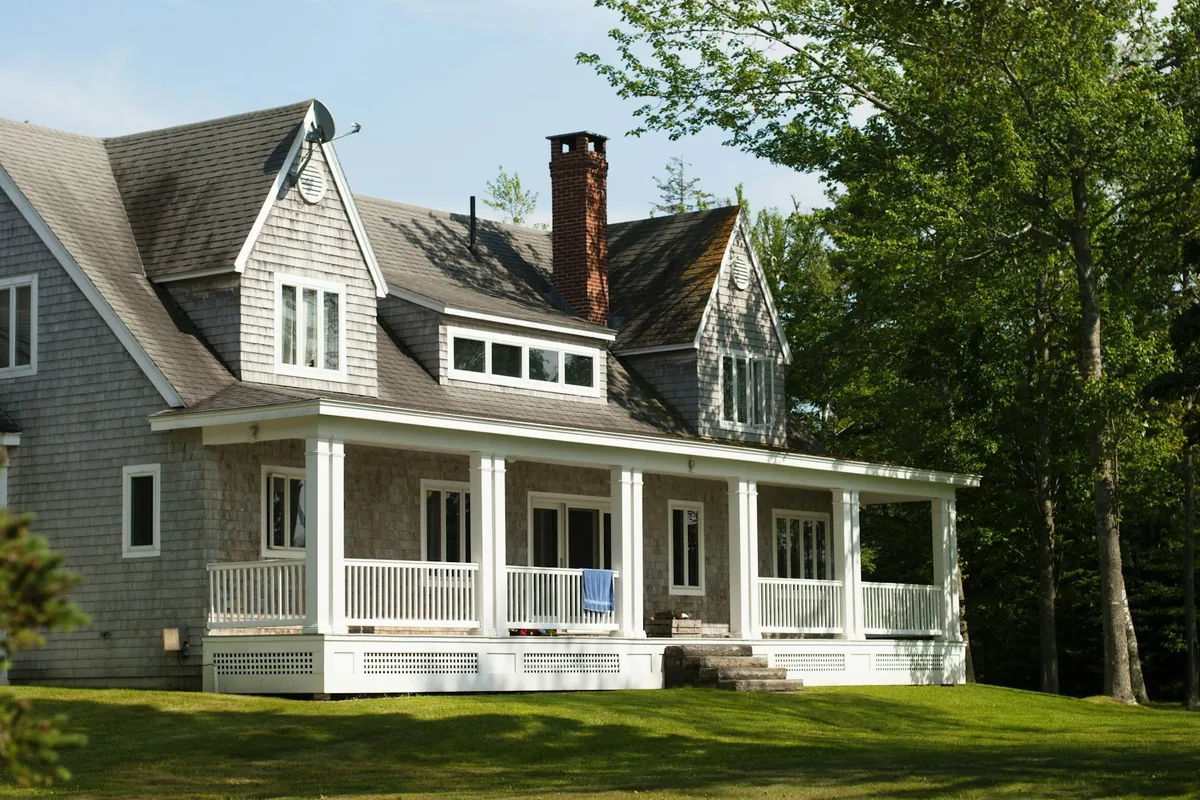
Ranches, Capes and Cottages in the Salt Air
Window treatments in Middletown, RI have one condition in common, wherever the house sits: the salt air. The ranches and capes off East Main Road and Aquidneck Avenue, and the cottages out toward Easton’s Point and Sachuest, all live with damp, salty wind off the water for much of the year. The houses in the second row, a street or two back from the shore, get that weather too, even without the view that comes with it.
That shapes the choice of material as much as the look. Fabric that holds up in damp air, hardware that is easy to keep clean, and treatments that can stand a window left open on a breezy afternoon matter here more than in an inland town.
- Ranches and capes with steady, regular window sizes
- Shore cottages with small, close-set windows and bright light off the water
- Every opening measured in your home, every treatment installed by our team
Treatments for Every Middletown Window
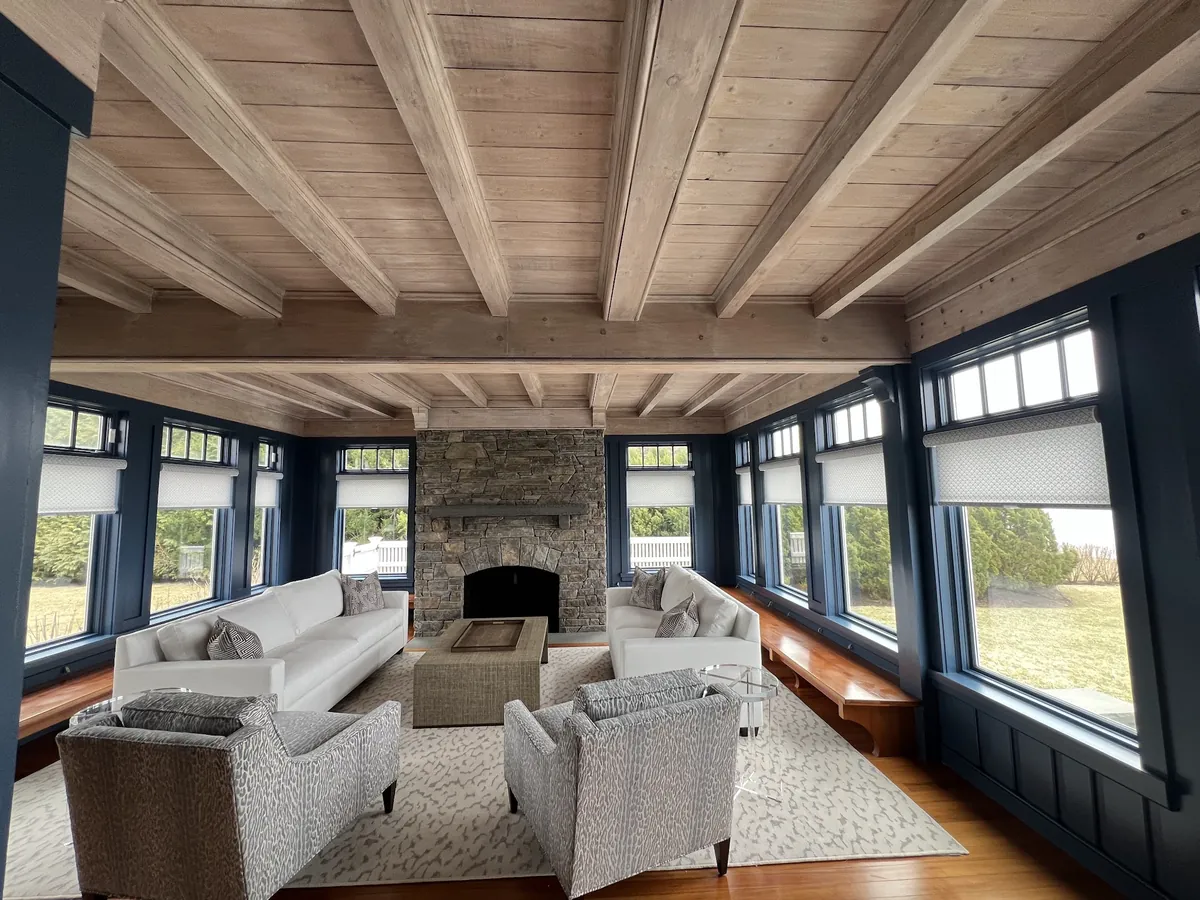
Roller Shades
Rollers and solar screens cut the glare off the water at a cottage window while leaving the horizon in sight.
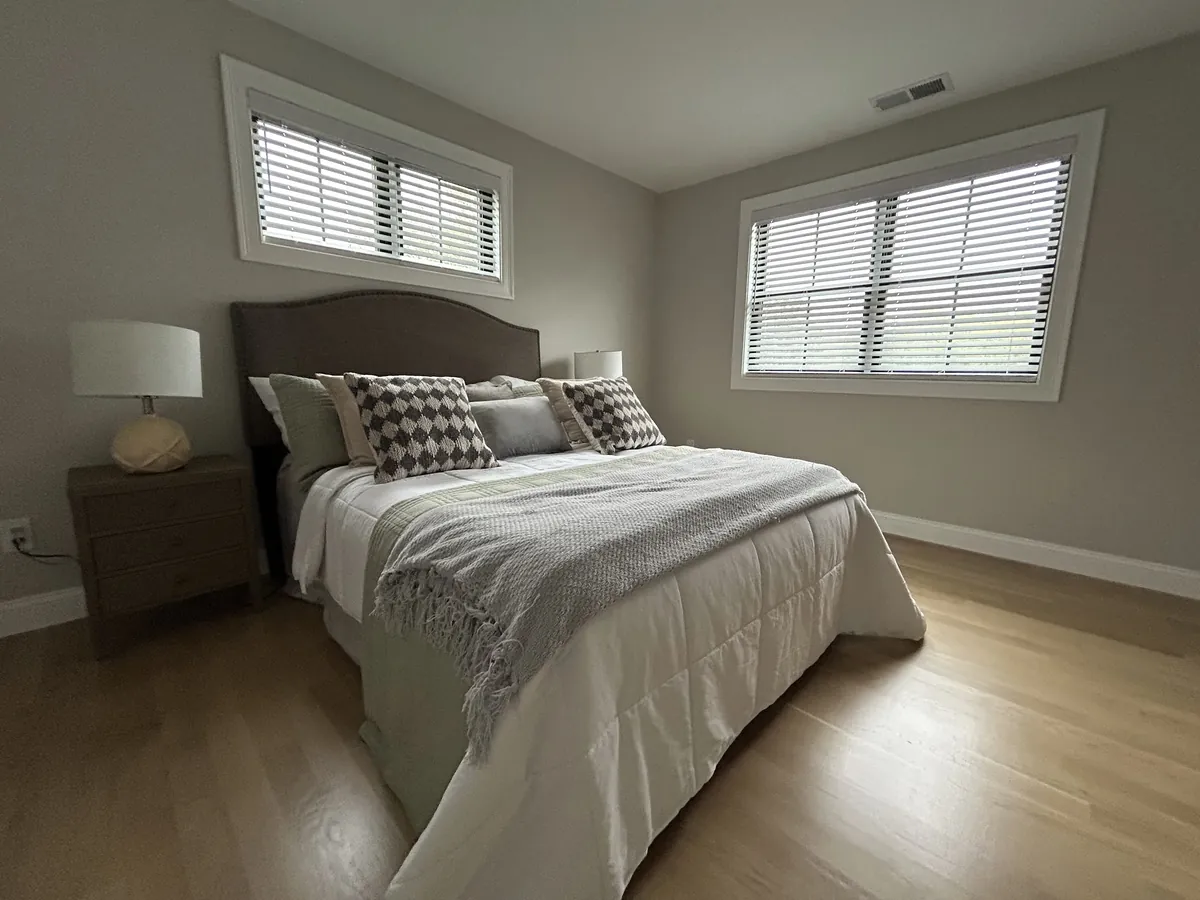
Plantation Shutters
Interior shutters with a louvre you can tilt against the afternoon sun, a sturdy choice for ranch bedrooms along East Main Road.
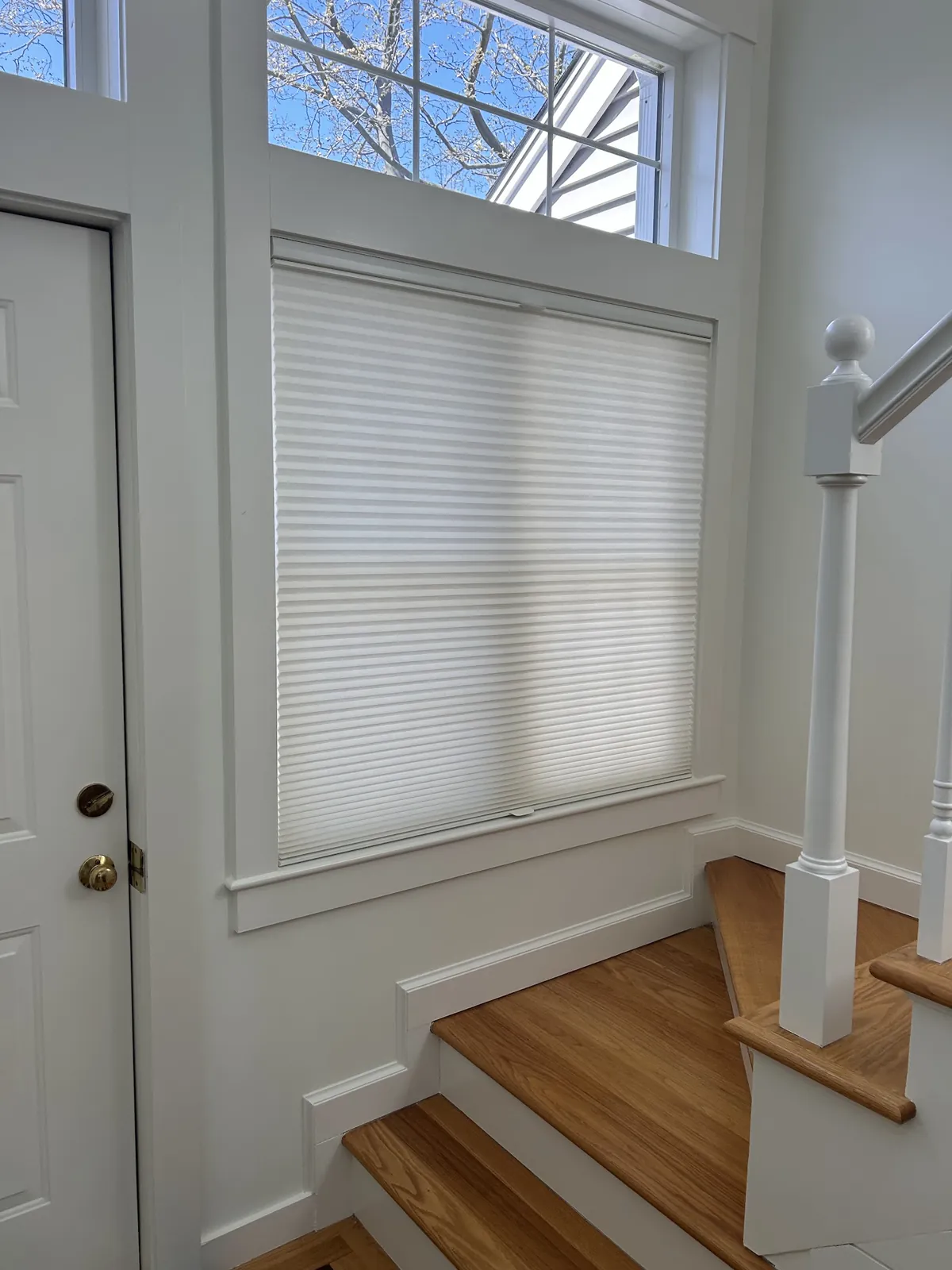
Cellular Shades
A honeycomb of fabric in one or two layers that keeps a cushion of air at the glass, welcome in a cape when the wind comes off the bay.
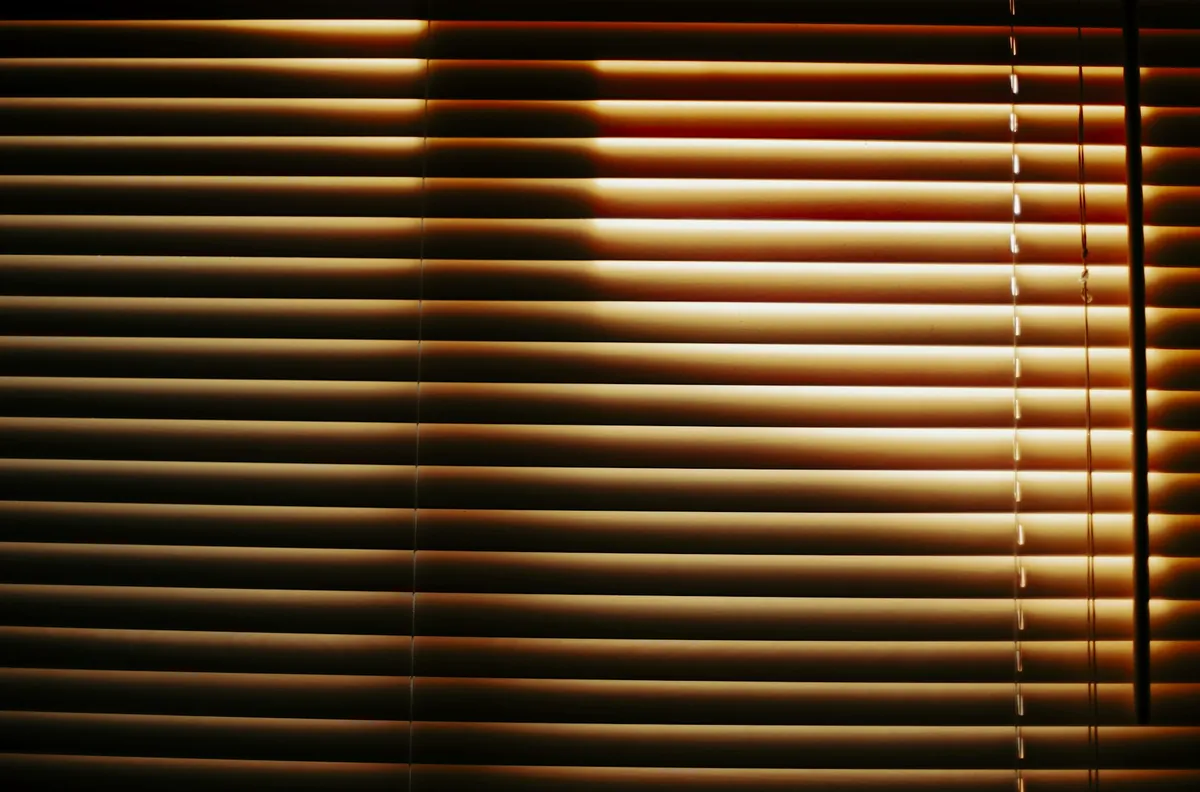
Custom Blinds
Faux wood and aluminium slats wipe clean of salt film, and real wood or vertical blinds suit the drier rooms.
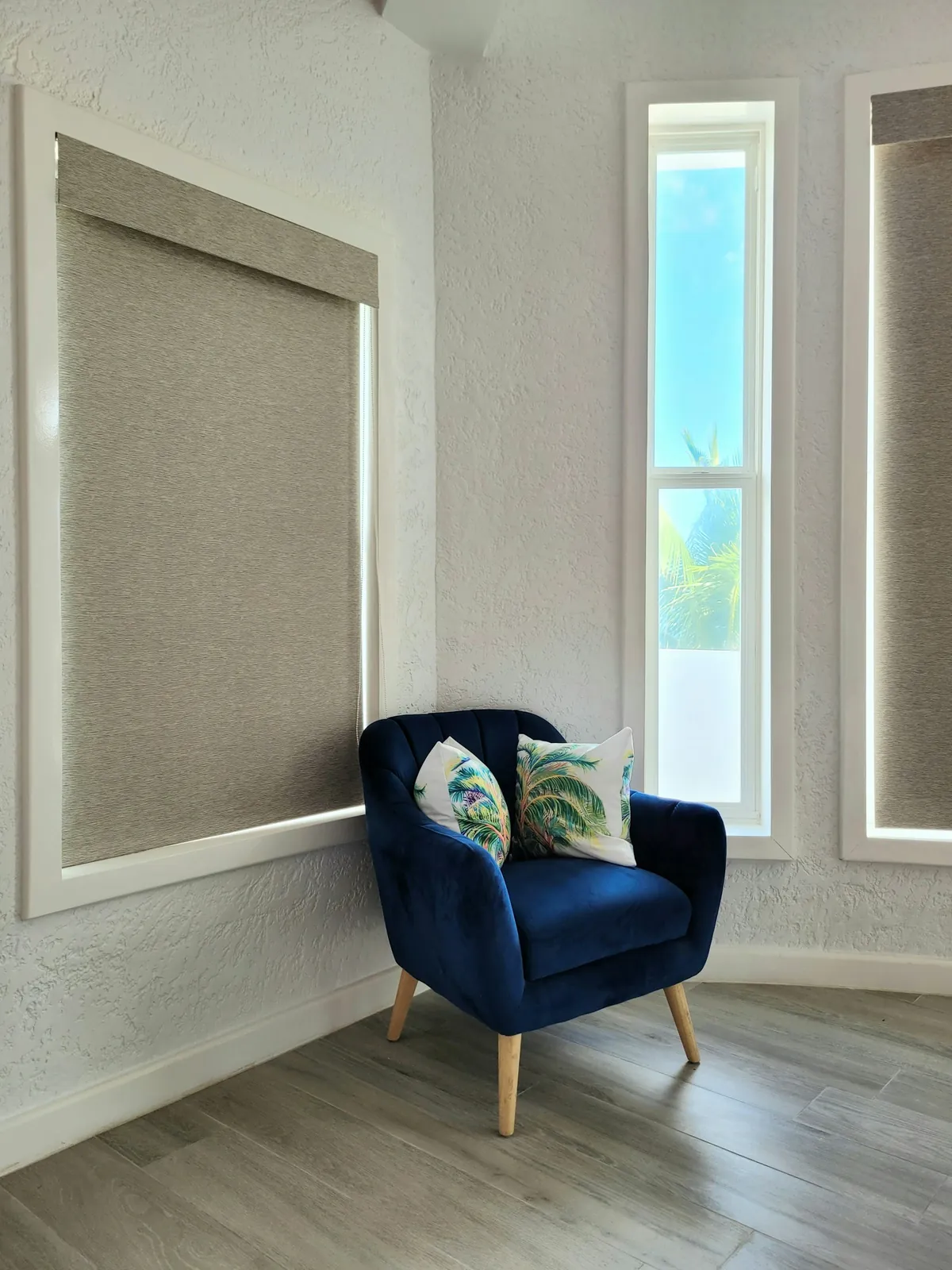
Woven Wood Shades
Natural weaves with an optional liner give a shore cottage a relaxed texture and a soft, filtered light.
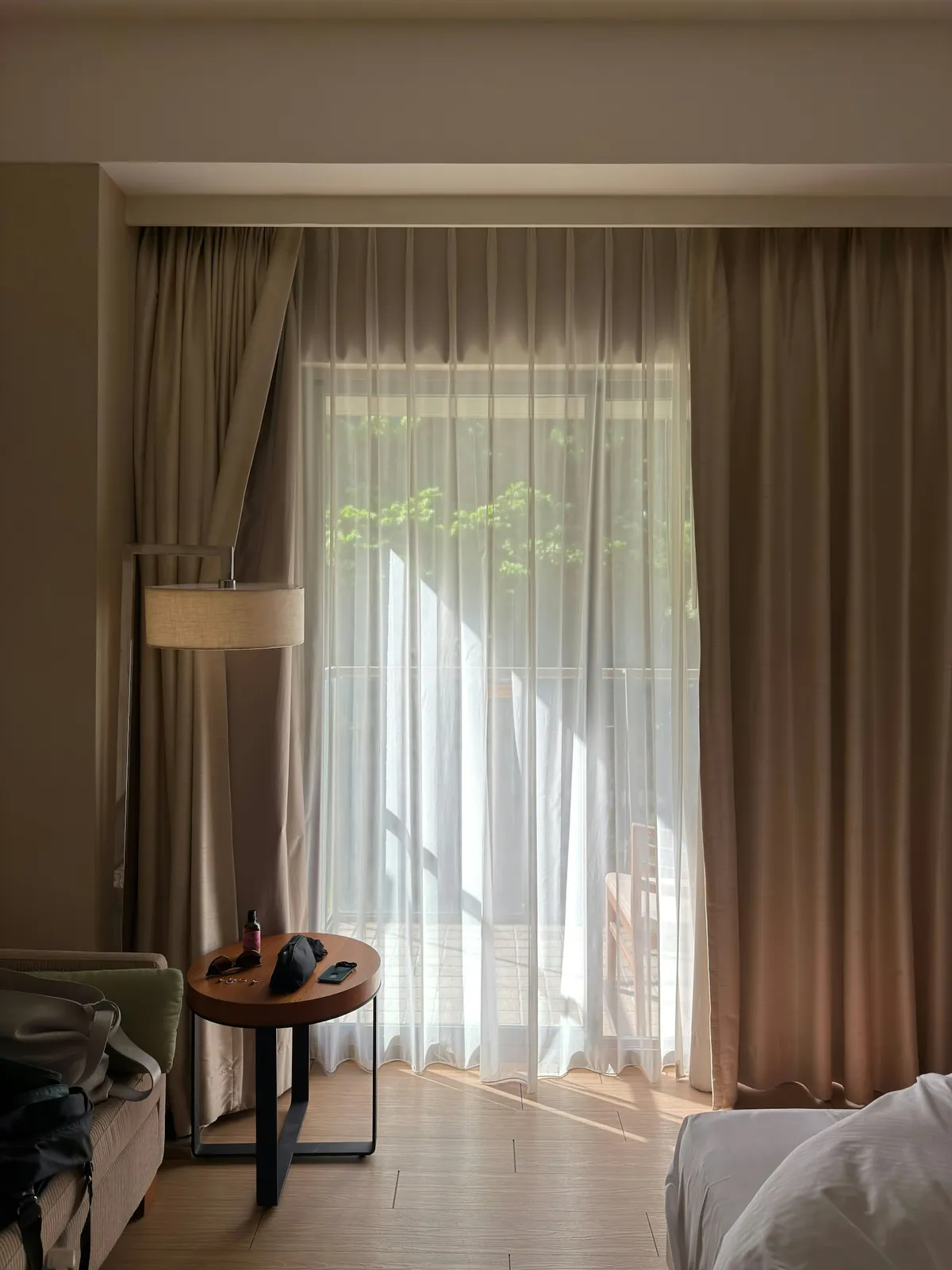
Drapes and Curtains
Our specialty, in fabrics chosen for coastal rooms: sheers for the day and heavier panels for winter evenings.
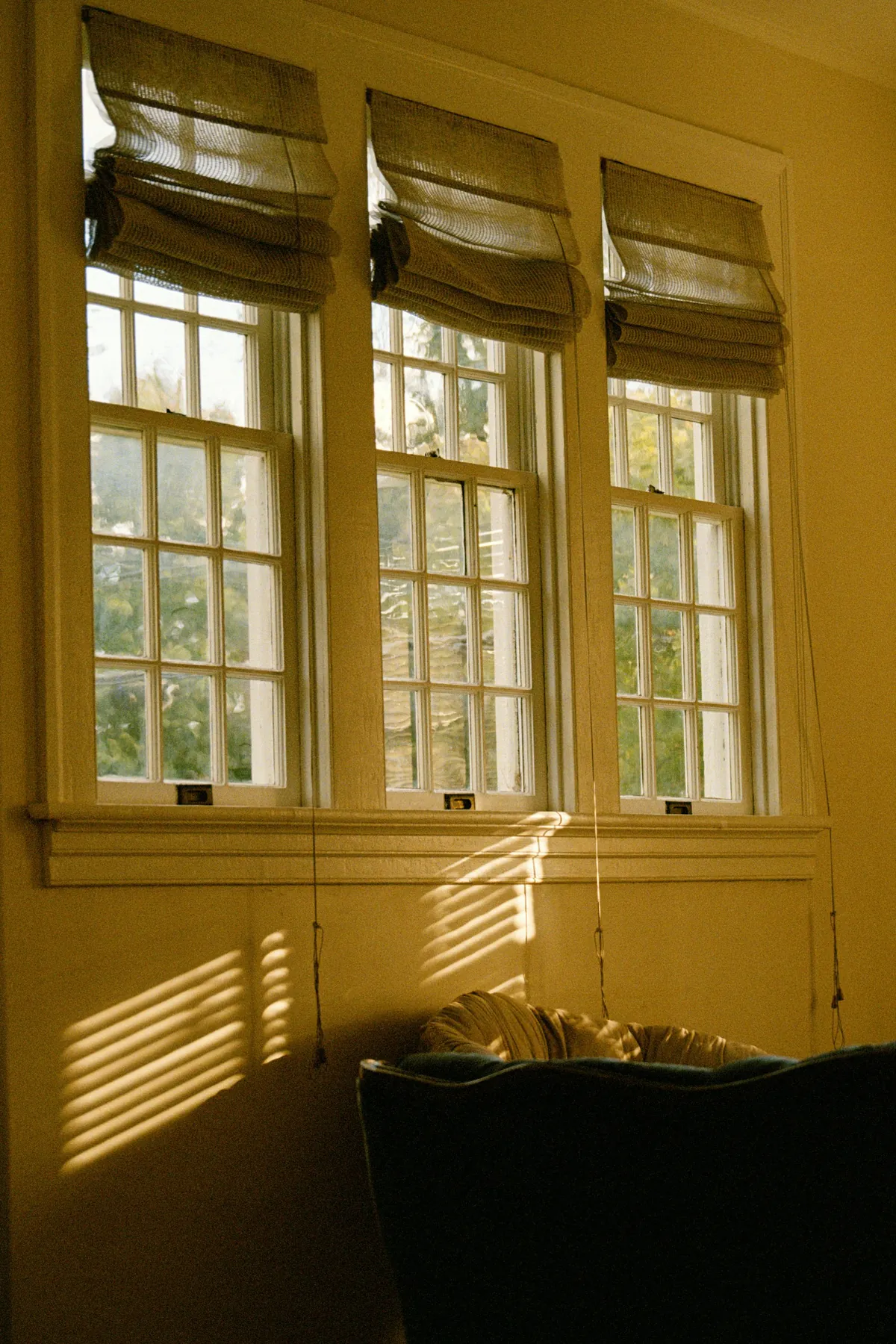
Roman Shades
Fabric folds, tailored or soft, that dress a cape’s living room without the bulk of a full drape.
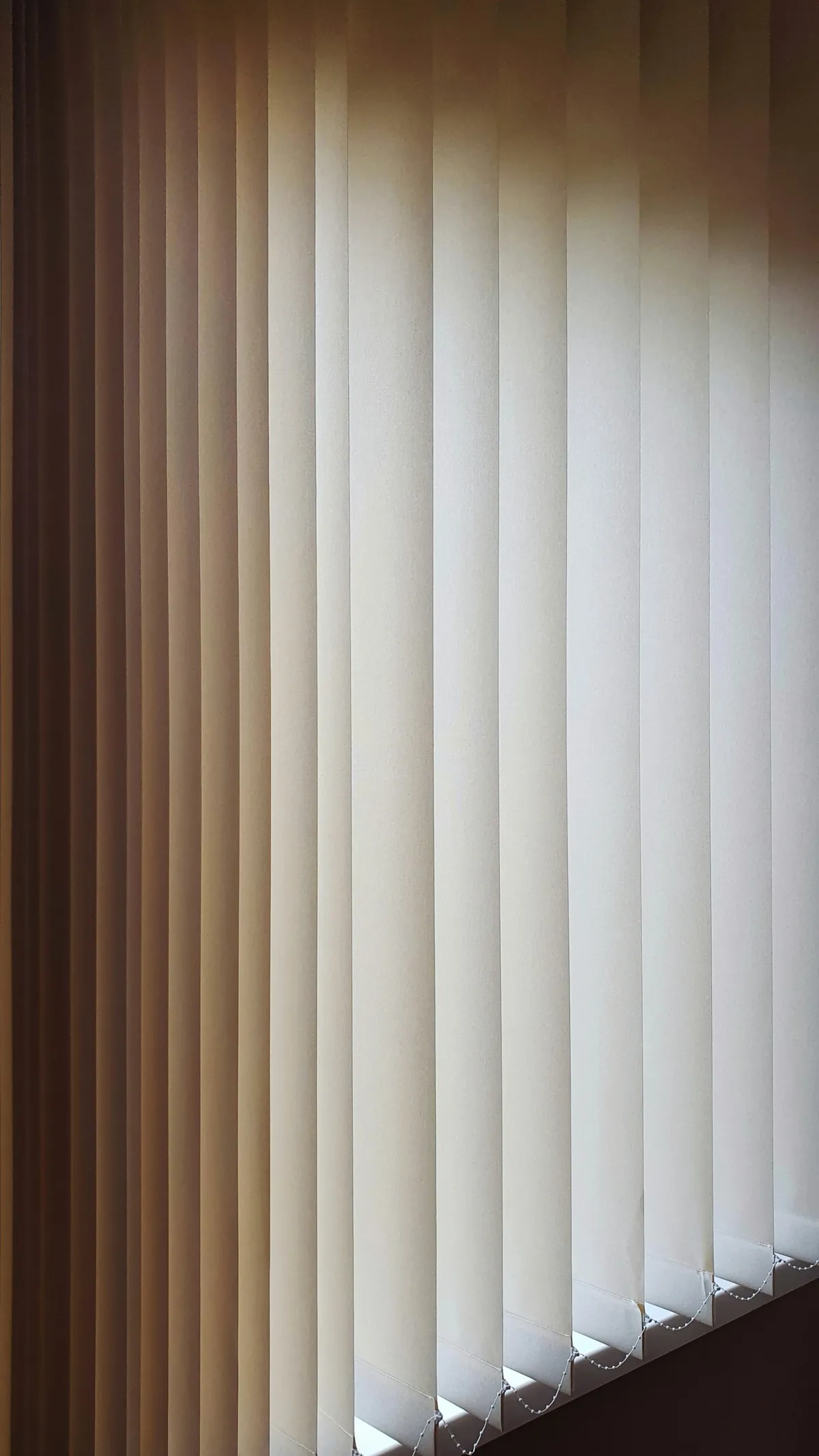
Vertical Blinds
Vanes or sliding panels for the patio doors that open many ranches onto the back yard.
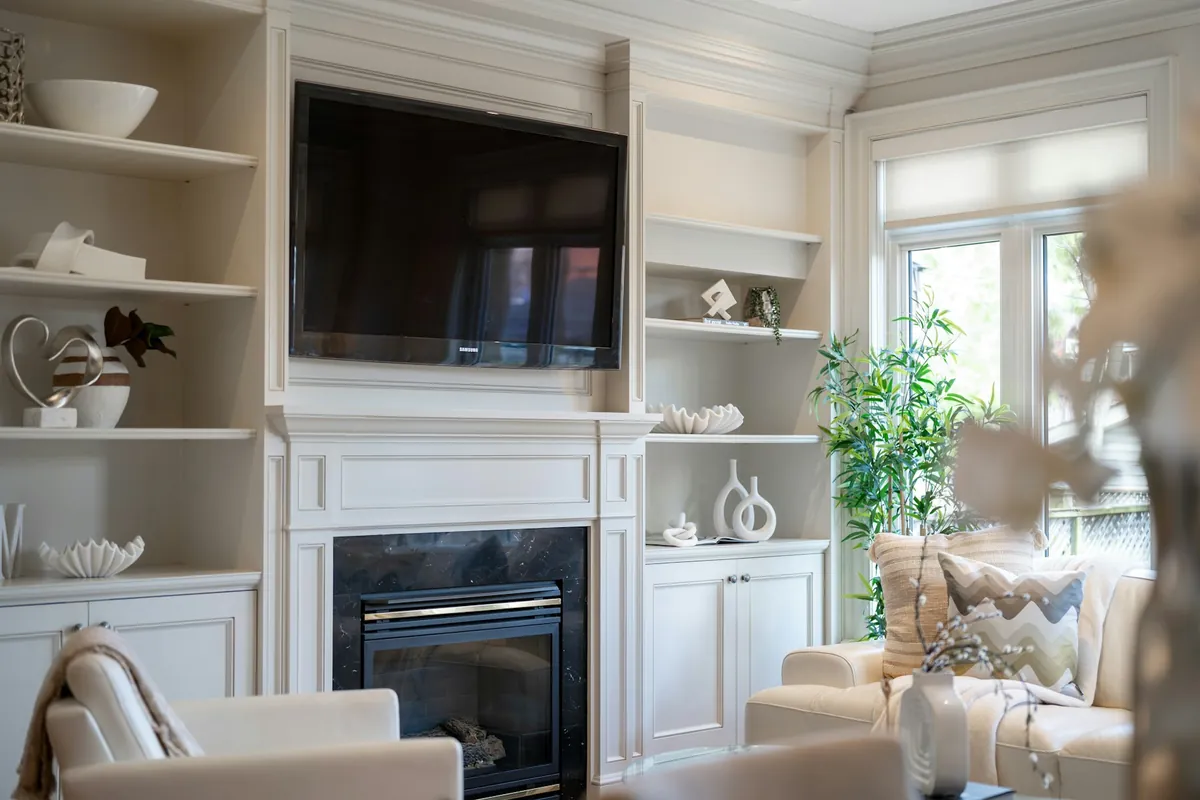
Motorized Blinds and Shades
Raise or lower a whole room of shades from a remote or a wall switch, without reaching over furniture.
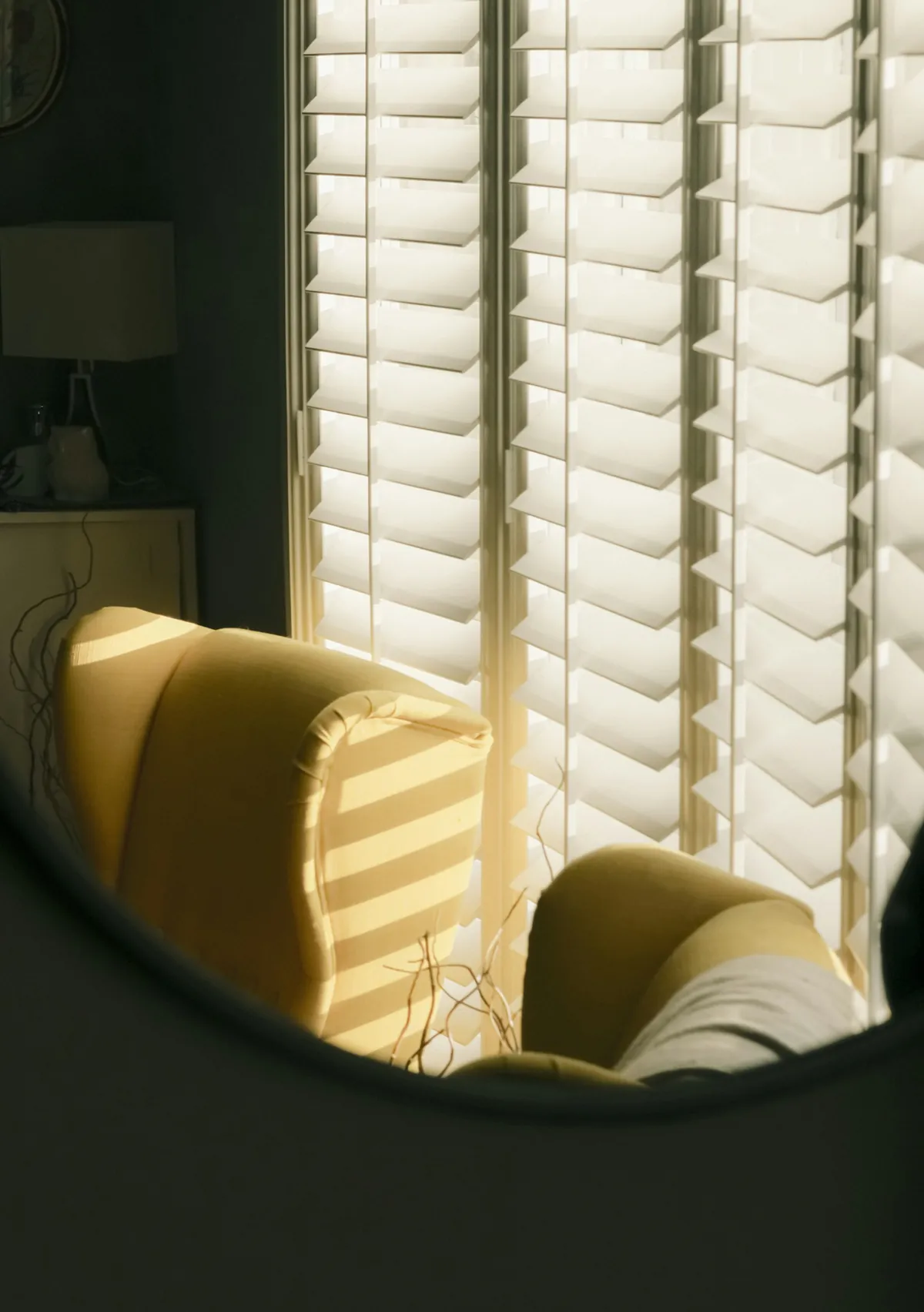
Norman Window Fashions
The Norman range of shutters, shades and blinds is on display in our Swansea showroom to see and handle.
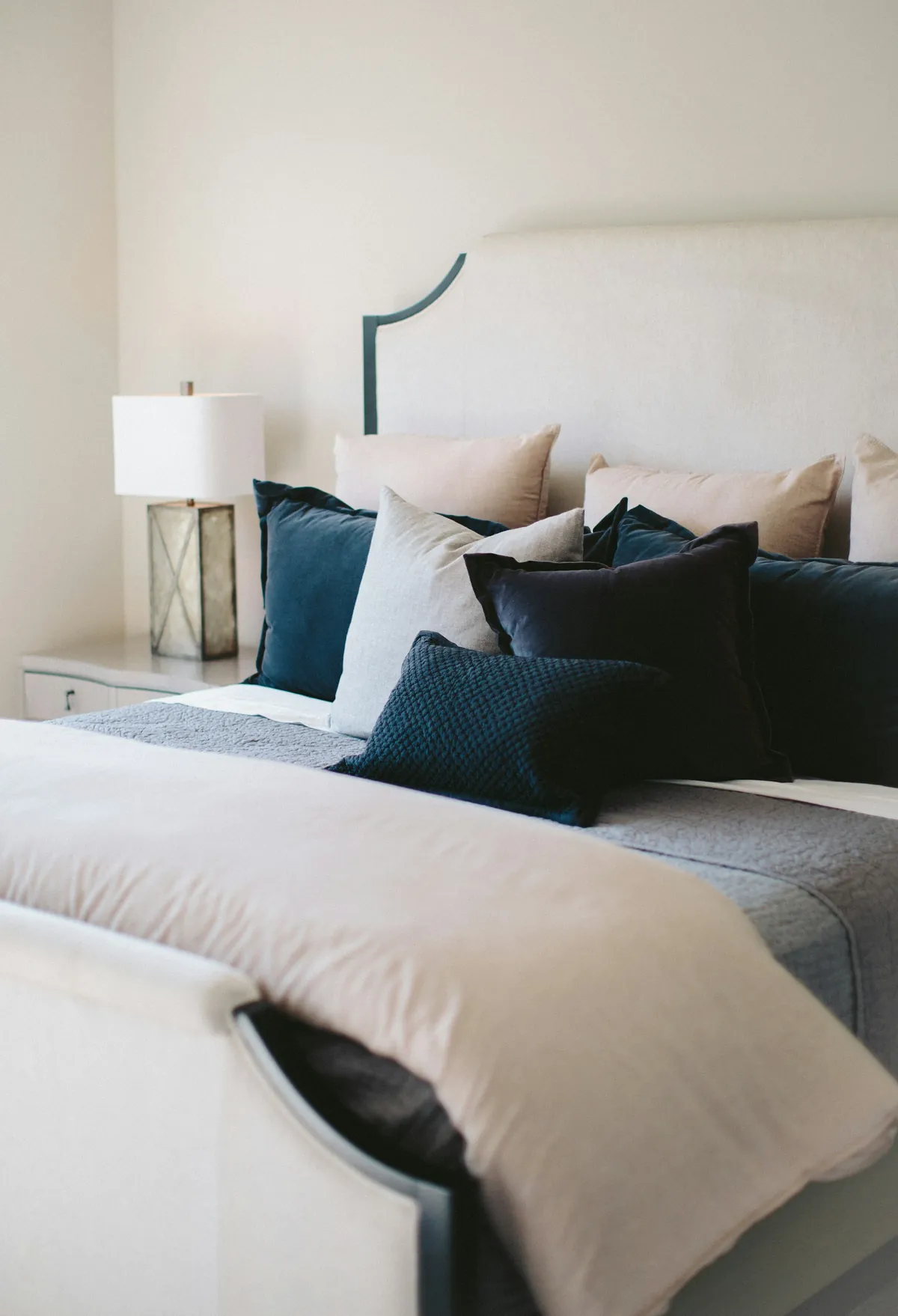
Custom Fabric Decor
Pillows, duvet covers and some upholstery, cut from the same cloth as the drapes or shades so a bedroom feels finished.
Living with the Weather: Window Treatments in Middletown, RI
The questions we hear most about window treatments in Middletown, RI are practical ones. Will this fabric go limp in the damp? Will the cords stay clean? Can I leave the window open behind it? The answers depend on the house, so here is how we approach the main kinds of property, followed by how to choose materials for coastal rooms.
Ranches and capes off East Main Road and Aquidneck Avenue
Much of Middletown’s housing is the steady, practical kind: single-storey ranches and one-and-a-half-storey capes built along and behind the main roads. The windows are mostly regular sizes, which makes them straightforward to fit, and each house tends to repeat a handful of sizes from room to room.
The ranch living room usually has the largest window, facing the street or the yard. A light filtering cellular or roller shade softens the light and gives privacy in the evening, and side panels add warmth if you want the room to feel less bare. Bedrooms down the hall look right with one consistent treatment, so the house reads evenly from outside. A room-darkening cellular shade or a faux wood blind are the usual choices.
Capes add upstairs bedrooms with dormers and sloped ceilings. A small dormer window gives the room most of its daylight, so the treatment should stack compactly and keep the glass clear when raised. Cellular shades and aluminium blinds both do this well. Downstairs, the front rooms of a cape suit plantation shutters or Roman shades, which bring a finished look without crowding the smaller rooms.
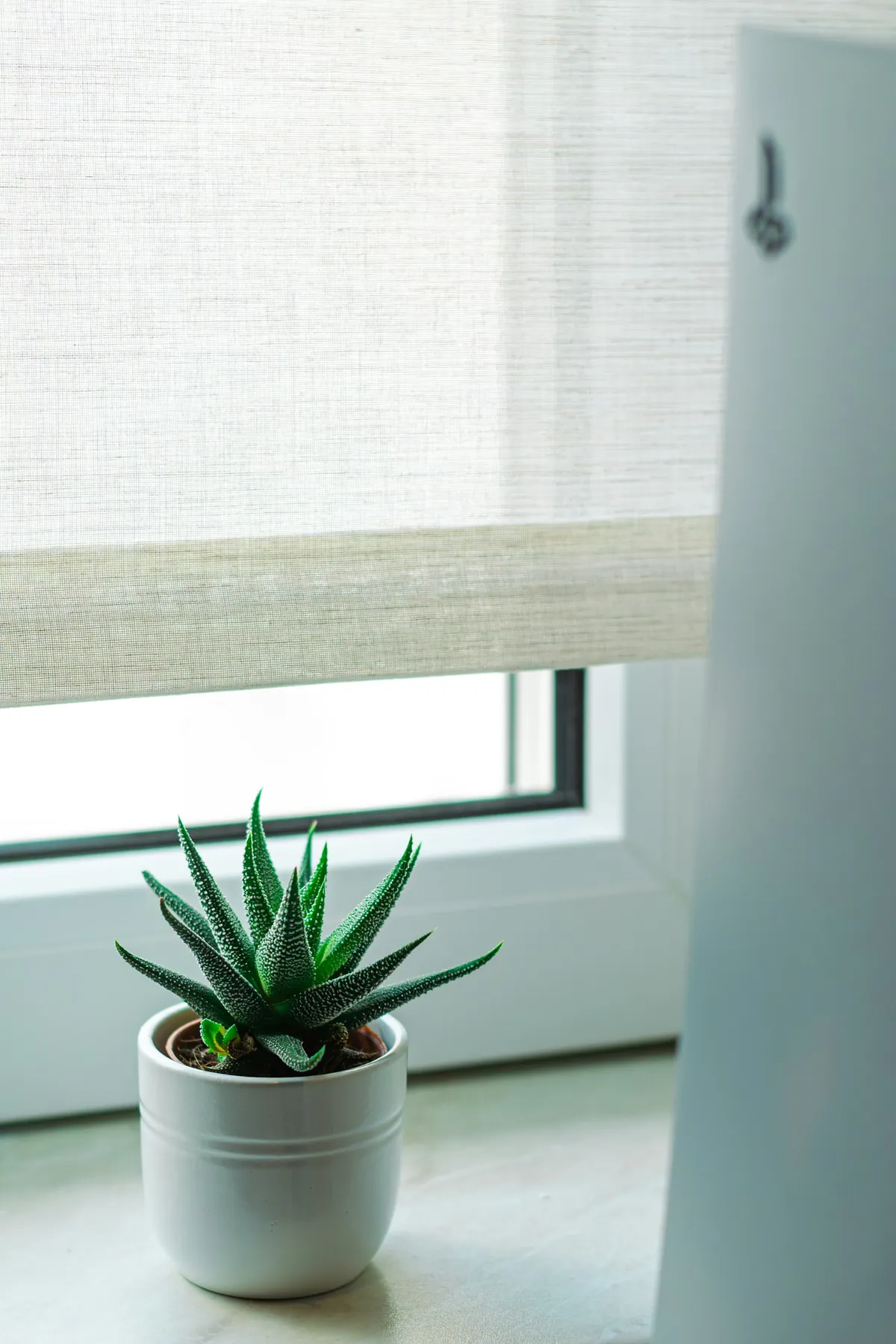
Cottages toward Easton’s Point and Sachuest
The cottages toward the shore are a different job. Windows are often small and close together, sometimes in older frames that have shifted over the years, and the light off the water can be strong at both ends of the day. These houses also take the most direct weather.
Here we lean toward simple, durable treatments. A solar screen roller shade cuts the glare off the water while leaving the view, which is usually the reason for the house in the first place. Woven wood shades give a relaxed, natural texture and filter the light warmly, and with a liner they add privacy at night. Faux wood blinds cope well with damp air and can be wiped down when salt film builds up on the slats.
Older cottage frames need careful measuring. We take each window on its own, check the depth and squareness of the frame, and decide on an inside or outside mount window by window. A frame that has moved can still look tidy with an outside mount sized to the trim.
Second-row houses: the weather without the view
The houses a street or two back from the shore are easy to overlook, but they share the same salt air and wind as the waterfront, and their windows are often more exposed to neighbours than to the sea. That makes privacy a bigger part of the brief. Top-down, bottom-up shades let you bring in light from above while keeping the lower half of the window covered. Shutters with adjustable louvres give fine control over who sees in. A sheer layer softens the view of the house next door without darkening the room.
Second-row houses also tend to sit closer together than the waterfront properties, with side windows that look straight across a driveway at the next house. Those side windows rarely need to open up to a view, so they can take a treatment chosen almost entirely for privacy and light: a light filtering cellular shade, a blind kept tilted upward, or a frosted-look roller fabric that lets daylight through and keeps the room unseen. The front and back windows, which may catch a glimpse of the water over the rooftops, can then be treated more openly. Treating each side of the house for what it actually faces is usually better than one treatment on every window.
Choosing Materials for Coastal Rooms
Every treatment we make can work in Middletown, but some materials are better suited to rooms that see damp, salty air. These notes help when you are deciding.
Faux wood and aluminium blinds handle moisture well and wipe clean, which makes them a good fit for kitchens, bathrooms and any window that is often left open.
Real wood blinds and shutters bring warmth to living rooms and bedrooms. They are happiest in rooms away from steam and with the windows mostly closed.
Fabric shades and drapery come in a wide range of weaves. In a coastal house, a fabric that does not hold on to moisture and is easy to clean is the practical choice, and our specialists can point out which samples suit a breezy room.
Woven wood shades suit the relaxed style of a cottage. A liner adds privacy and protects the weave from strong sun.
Motorised shades keep hands off the fabric and the cords, operated by a remote or a wall switch. That helps on a wide run of windows or where furniture sits in front of the glass.
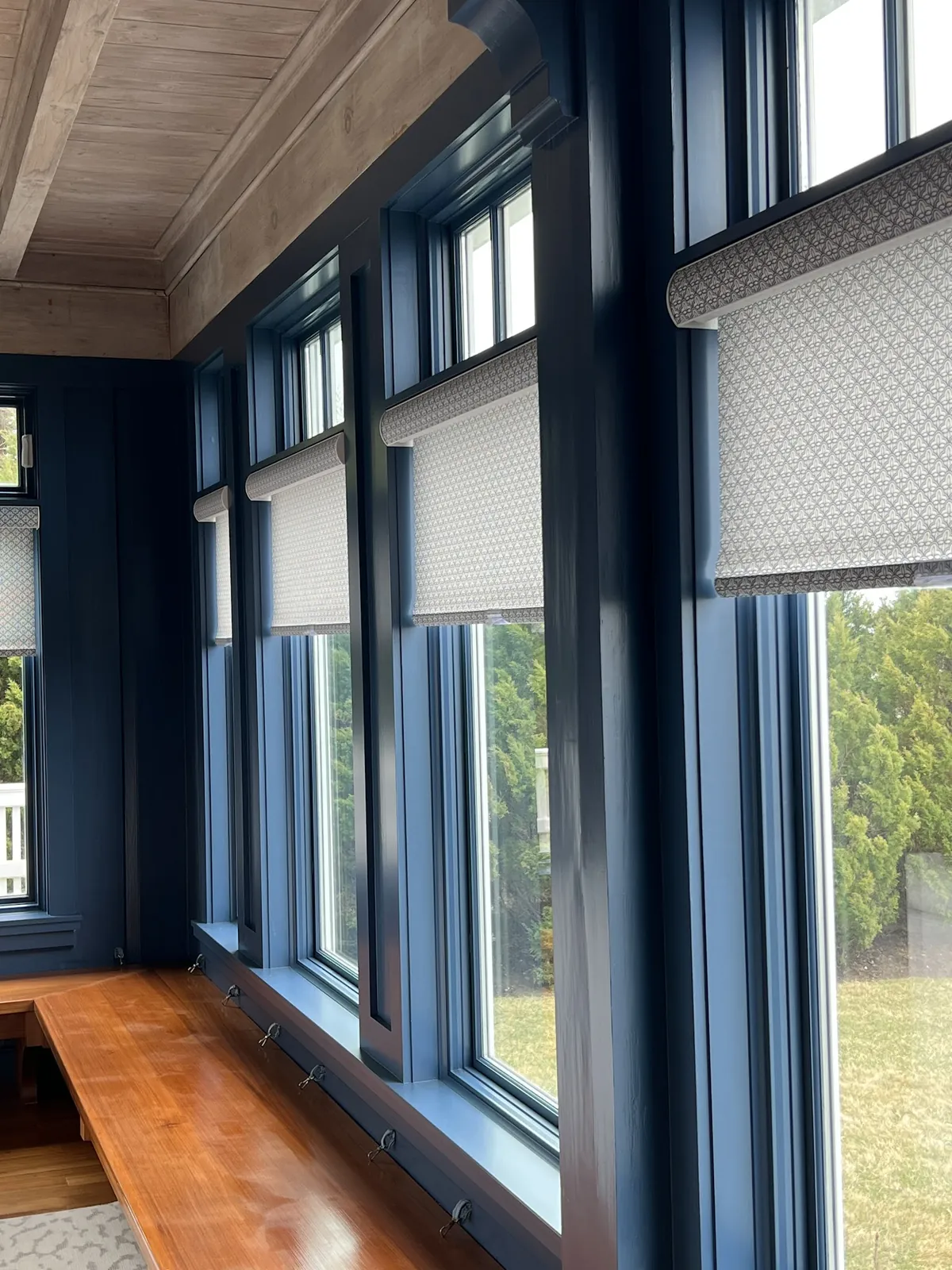
Light off the water
Sunlight reflected off the water reaches deep into a room, and it can come in low at the start and end of the day. Rooms facing the shore often need a shade that cuts glare without closing off the view. Solar screen fabrics are made for this: the openness of the weave decides how much of the view you keep and how much glare you cut. A tighter weave blocks more glare; a looser one keeps more of the outlook. Seeing both in daylight at the showroom makes the choice much easier.
Caring for treatments near the shore
Salt film builds up slowly on anything near an open window. A soft duster or a lightly damp cloth on blinds and shutters every so often keeps them looking right, and fabric shades can be vacuumed with a brush attachment. If a cord frays or a wand stops turning on a blind or shade you already own, our team can look at it, and often it can be repaired rather than replaced.
Windows left open on a breezy day
On a warm day near the shore, windows go up, and whatever hangs in front of them has to live with the breeze. A light roller shade or a loose drape will flap and knock against the frame. There are a few simple ways around that. An inside-mounted shade with a bottom rail that sits in the frame moves less than one mounted on the wall. Shutters stay put whatever the wind does, and their louvres can be opened to let air through. For drapery, a heavier lined panel hangs more steadily than a sheer on its own, and tiebacks keep the fabric clear of an open sash.
Cords and chains are worth thinking about too. On a window that is open much of the summer, cordless lift or a motorised shade on a remote or wall switch keeps loose cords from tangling or swinging in the draught.
Summer sun and winter wind
Window treatments in Middletown, RI have two quite different jobs across the year. In summer the issue is light: long bright evenings, glare off the water and sun that fades floors and furniture in rooms facing south and west. In winter it is the wind, which finds every gap around an older frame and makes a room by the window feel cold.
Layering answers both. A solar screen or a light filtering shade handles the summer glare, and a lined drape in front of it draws closed on a winter night to hold the room’s warmth. Cellular shades do both in one, with their cells softening the light in summer and holding a layer of still air at the glass in winter. For a cottage that is closed up for part of the year, shades on the sunny side can stay lowered while the house is empty to keep the sun off floors and furniture.
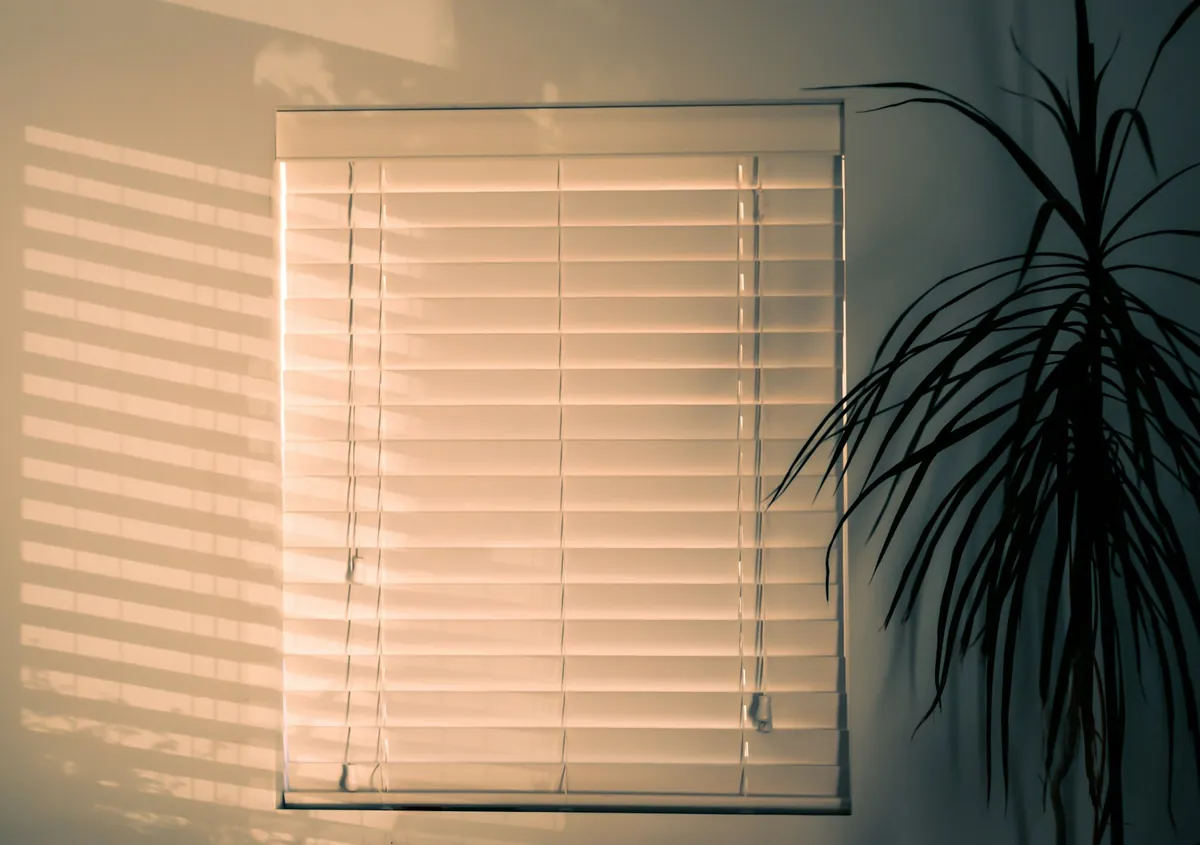
Kitchens and bathrooms near the water
A shore kitchen or bathroom gets steam from inside and damp air from outside, so these are the rooms where material matters most. Faux wood blinds, aluminium blinds and moisture-friendly roller shades are the usual picks. A cafe-style shutter on the lower half of a kitchen window gives privacy at the sink and leaves the top of the window open to the light. Choosing window treatments for a Middletown, RI kitchen with these materials means they can be wiped down when salt or cooking film builds up.
Which Store This Is
Window Works Blinds Shutters and Shades is a family business based in Swansea, Massachusetts. It opened there in 1988 and is now run by the second generation of the family. Our showroom is in Swansea, and every Middletown job is quoted, measured, ordered and installed from that one store, by the same team, from the first visit until the job is finished.
From First Call to Fitted
Here is what to expect once you get in touch.
- You contact the Swansea store by the call button or the form, tell us roughly where in Middletown the house is and which rooms you are thinking about, and book a free quote.
- A specialist comes to the house for measuring, taking each window separately and noting old frames, sliders and how much weather each side of the house gets.
- You choose fabrics, slats and how each treatment works, with samples at the house or in our showroom.
- The quote lists every window, so you know exactly what is being made for which room.
- Your treatments are made to the measurements taken in your home.
- Our team installs them, checks each one opens, closes and tilts as it should, and shows you how to use them.
Planning a whole house
If you are doing several rooms, it helps to settle on two or three treatments for the whole house rather than a different one everywhere. The street side of a ranch or cape looks best when every front window matches. Wet rooms take moisture-friendly materials. The shore-facing rooms take a glare-cutting shade. Within those limits, each room can still have its own fabric or colour.
You do not need to do everything at once. Many Middletown orders begin with the rooms that face the water or the street and add the bedrooms later. We keep a record of what was made for each window, so a later order can match the colour, slat or fabric already in the house.
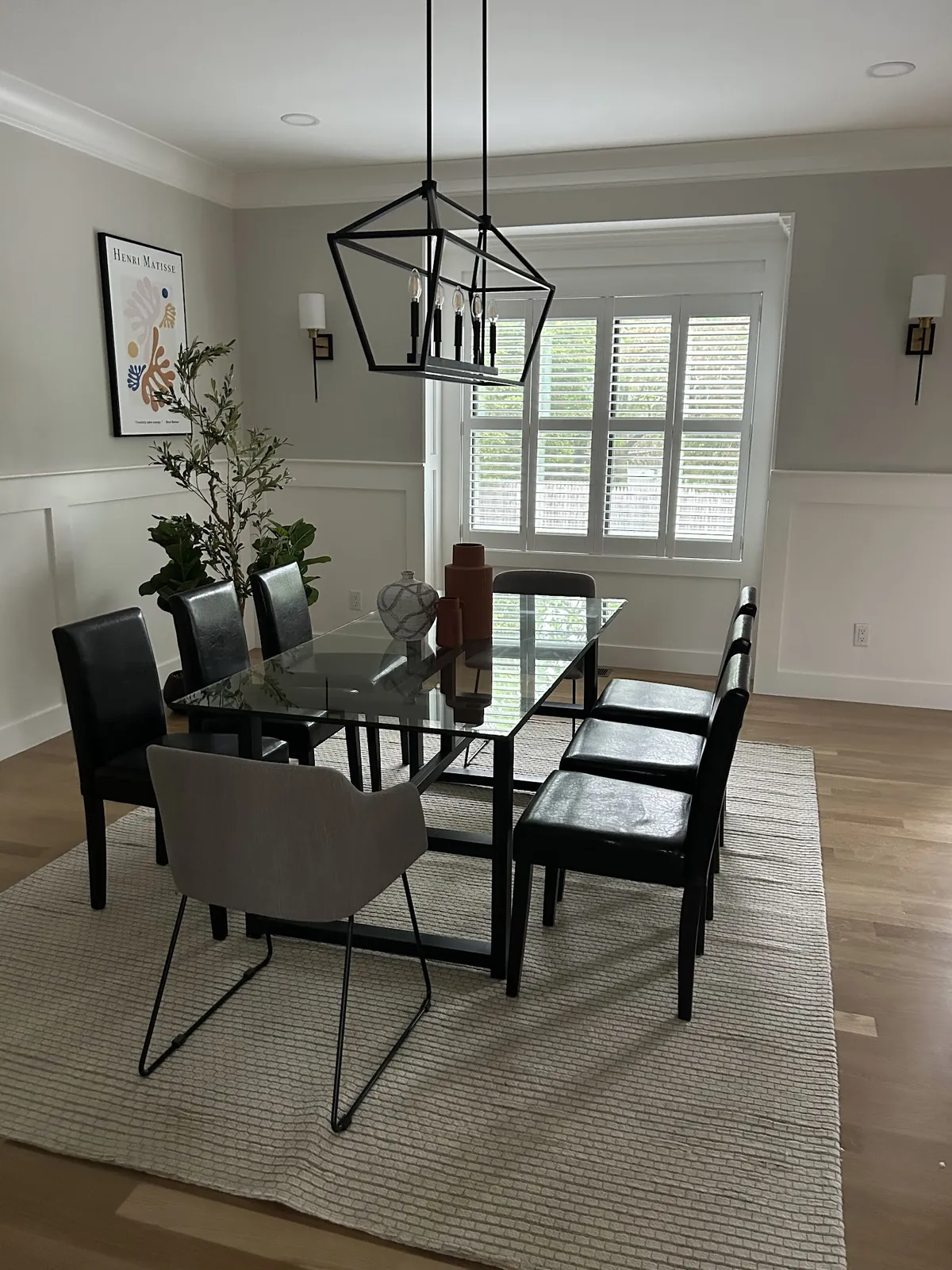
What Sets Window Works Apart
Over 37 years of measuring and fitting across the SouthCoast and the Rhode Island East Bay, Aquidneck Island included, have taught us what holds up near the water and what does not.
- Window treatment specialists who measure your house in person
- Installation by our own team, not a separate contractor
- Kept informed at every step until the job is done
- Warranties offered on what we sell
- 5.0 on Google
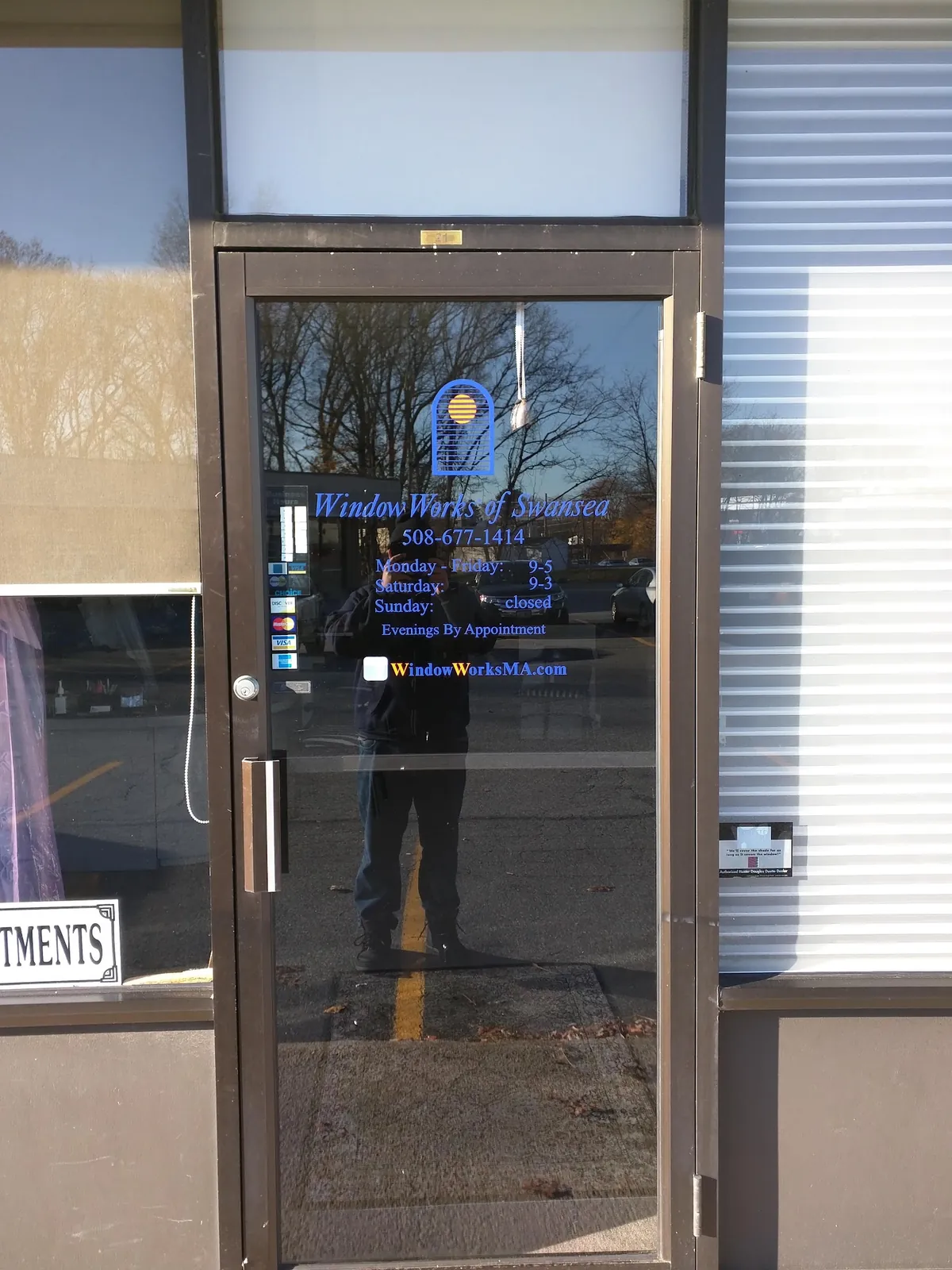
Handle the Samples in Swansea
Coastal fabrics, solar screens of different openness, shutter louvres and the Norman range are all at our Swansea showroom. Hold a weave up to the window light and you will see how it behaves before anything is ordered.
A snapshot of the view from your main room helps our specialists suggest the right solar screen or sheer.
Questions from Middletown
Which treatments suit a house in the salt air?
Faux wood and aluminium blinds, solar screen roller shades and fabrics that shed moisture are the practical picks. Real wood and heavier fabrics suit rooms that stay closed and dry.
Can I keep the water view and still cut the glare?
Yes. A solar screen roller shade cuts glare while leaving the view, and the openness of the weave decides the balance between the two.
How do I know I am dealing with your store?
You are dealing with Window Works Blinds Shutters and Shades, the family store with its showroom in Swansea, founded in 1988 and run by the second generation. The quote, the measuring and the installation all come from that store.
Do you install, or just supply?
We install. Measuring in your home and installation by our own team are both part of how we work.
Is the quote free?
Yes, the quote is free. Use the call button or the form to arrange it.
Book Your Free Quote
For a ranch off East Main Road or a cottage near Sachuest, the first step is a free quote. The call button connects you with the Swansea store to arrange measuring in your home or ask about installation, or you can leave your details on the contact page. To see coastal fabrics in person first, plan a visit to the showroom.
Window Works serves 25 towns across the SouthCoast and the Rhode Island East Bay; you can see them all on our service areas page.