
Three Words for Three Different Rooms
Walk into any showroom and you will hear blackout, room darkening and light filtering used almost interchangeably. They describe different fabrics doing different jobs, and choosing between blackout and room darkening in particular decides whether a bedroom wakes you at sunrise or lets you sleep. Light filtering is the third option, and in plenty of rooms it is the right one.
The short version: a light filtering fabric softens daylight and keeps the room bright. A room-darkening fabric turns the room dim, enough for a nap or a film in the afternoon. A blackout fabric stops light passing through the fabric itself. Notice the last two words of that sentence. What happens around the edges of the shade is a separate question, and it matters as much as the fabric.
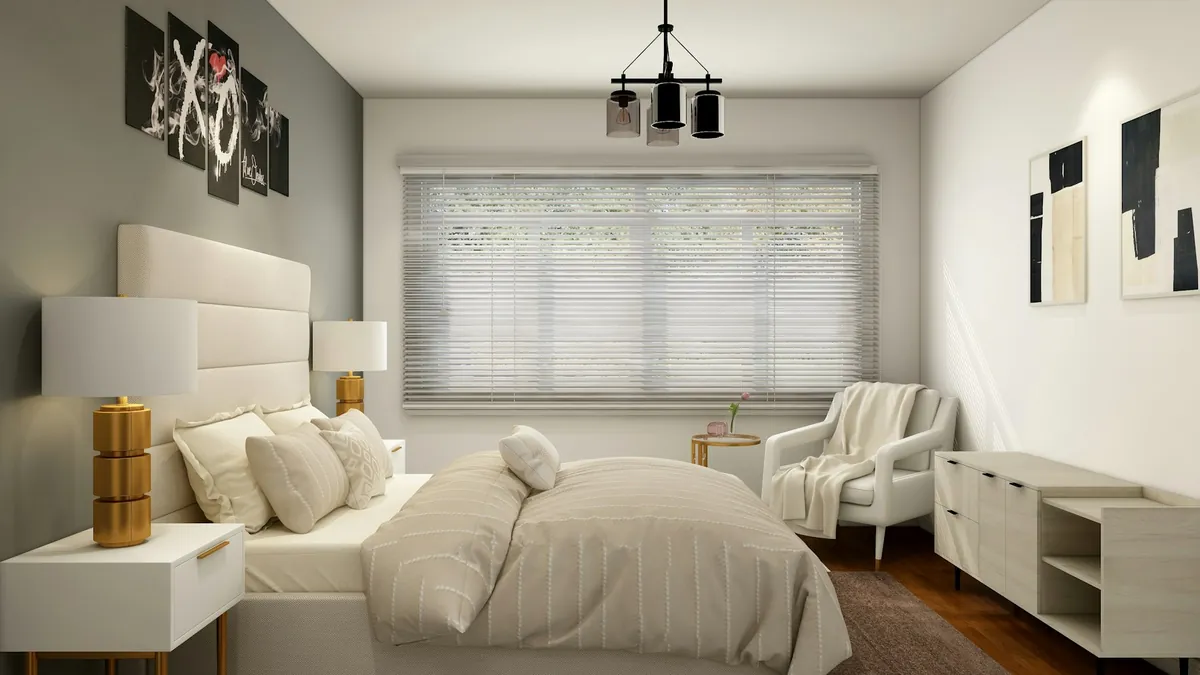
What Each Fabric Does to a Bedroom
Picture the same east-facing bedroom with three different shades.
Light filtering
The sun comes up and the room glows. You can tell it is morning, you can see across the room, and nobody outside can see in clearly. That suits a guest room, a dressing room or anyone who likes to wake with the light.
Room darkening
The room stays dim when the sun rises. You will see a soft glow through the fabric and around it, but the room reads as evening rather than morning. Most adults sleep well with this, and it is a common choice for a main bedroom.
Blackout
No light comes through the fabric. If the shade is fitted so its edges are covered, the room stays close to dark. This is the choice for anyone who works nights, for a nursery at nap time, or for a media room where the screen must stay clear.
Why the Edges Matter
A blackout fabric fitted badly can leave a room brighter than a room-darkening fabric fitted well. Light leaks in three places: down the sides of the shade, under the bottom rail and over the top of the roll or headrail. On an inside mount, where the shade sits within the window frame, a thin gap at each side is unavoidable, because the shade needs room to move.
An outside mount, where the shade sits on the wall or the trim and overlaps the opening, closes those gaps. That is why, when someone asks us about blackout and room darkening for a bedroom, the next question is always how the shade will be mounted. Our guide to choosing an inside or outside mount covers that choice in more detail.
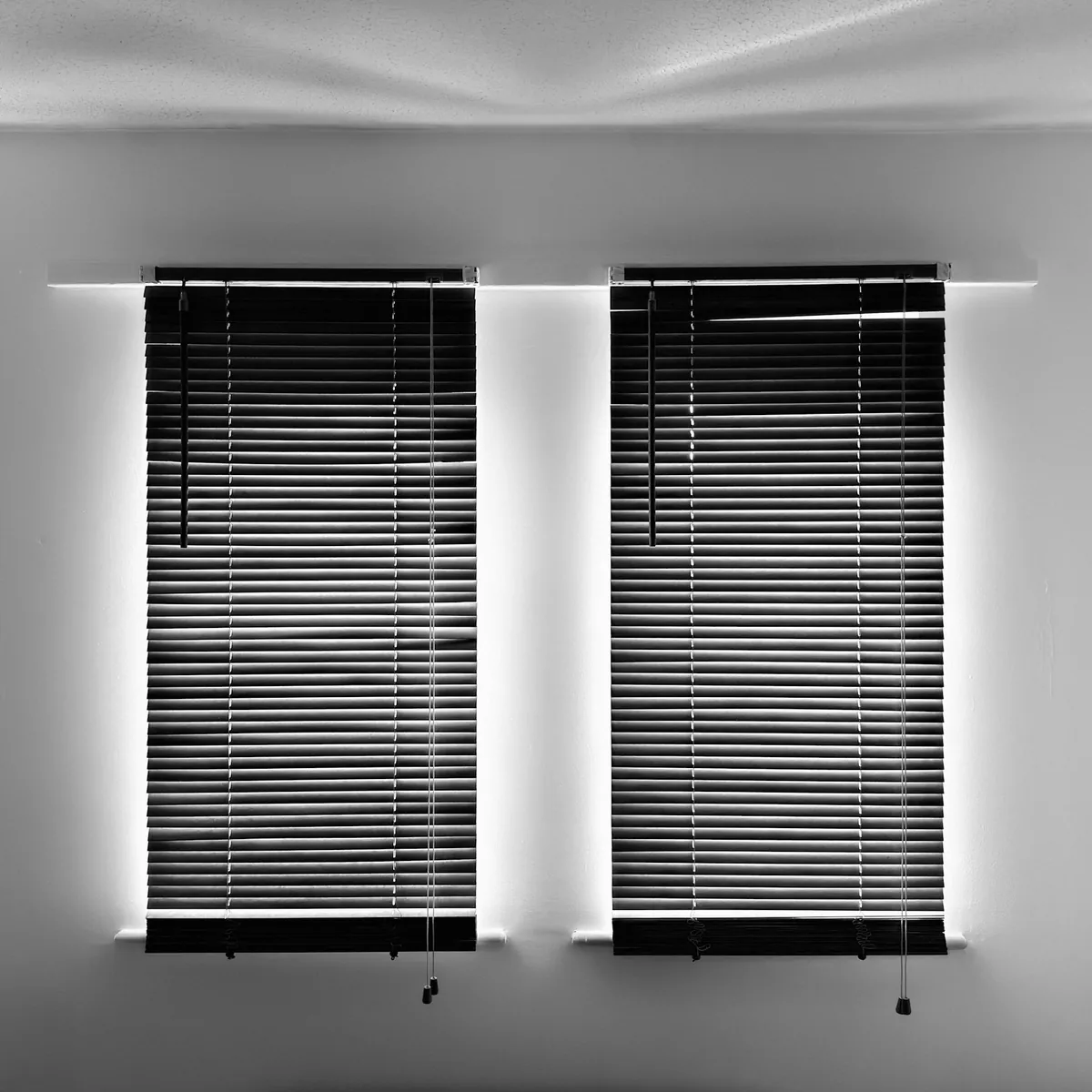
Blinds work differently again. Even closed tight, slats let fine lines of light through where they meet, and around the cord holes. A blind can make a room dim, but it is not the tool for real darkness. If you love the look of a wood blind in a bedroom, pairing it with a lined drape is the usual answer.
How Old Houses Change the Answer
The housing in this area makes the edge question more pressing than the brochures suggest.
The tall sash windows in the mill-era three-deckers and Victorians in Fall River and Pawtucket often have deep, handsome trim that owners want to keep in view. An inside mount shows that trim off but leaves side gaps. In a bedroom where sleep matters most, we often suggest an outside mount on the trim, or an inside-mounted shade with a drape on top that covers the edges.
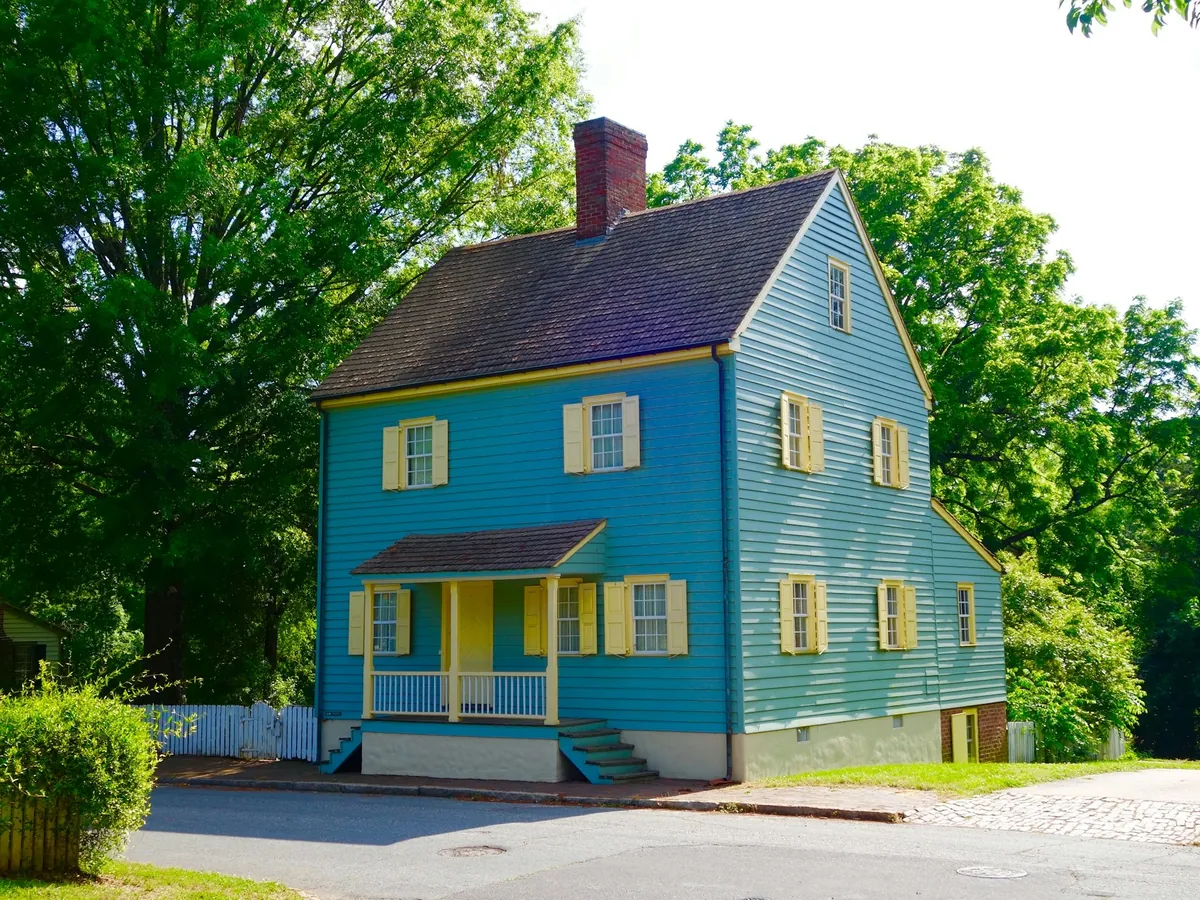
The 1950s capes and ranches across Somerset and Seekonk tend to have plainer frames and standard openings, which makes an outside mount easy to fit and easy on the eye. The upstairs bedrooms in a cape, with their short windows tucked under the roof slope, often take a shade mounted above the frame very neatly.
The historic sash on College Hill and Newport’s Point is a different matter. Frames vary from window to window, some are shallow, and many owners would rather not fix anything to old woodwork. Here, a lined drape on its own can do the darkening while the window stays untouched.
Light Filtering Is Not Second Best
It is easy to assume darker is better, and to put blackout everywhere. In most living rooms, kitchens and home offices, that would be a mistake. A light filtering shade keeps a room usable through the day, cuts the harshness of direct sun and gives privacy without turning the lights on at noon.
A good test is to ask when the room is used. A bedroom is used at night and early morning, so darkness counts. A living room is used through the day, so light counts. Many houses end up with blackout and room darkening fabrics upstairs and light filtering downstairs.
Layering for the Best of Both
You do not always have to choose one fabric for a window. A few combinations work well:
- A light filtering shade with a blackout drape over it: soft light by day, real darkness at night
- A room-darkening shade with side panels that cover the edges
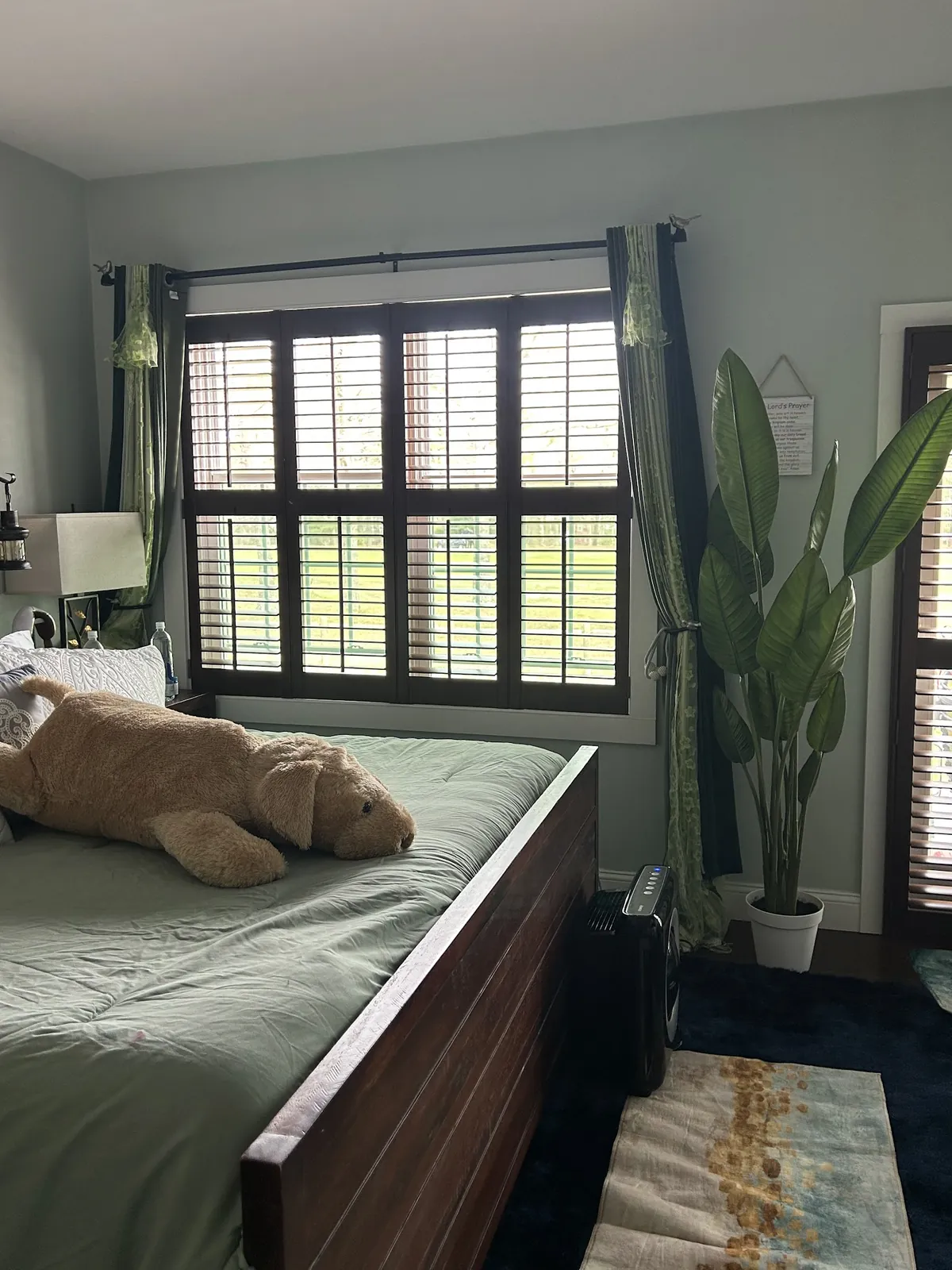
- A plantation shutter with a lined drape beside it, for a window that needs both a crisp look and a dark night
The cottages and shingled capes near Mount Hope Bay and the Sakonnet often face the water, and the morning light off the bay can be bright. Layering suits those bedrooms well, because the room can be bright and open when you want the view and dark when you want to sleep.
Choosing in the Showroom and at Home
Fabric is hard to judge on a screen. Hold a blackout sample up to a window and the difference from a room-darkening sample is obvious in seconds. That is why we suggest you look at samples in the Swansea showroom, or let us bring them to you when we come out to measure.
When we measure in your home, we look at the frame depth, the trim and which way the room faces, then talk through whether blackout and room darkening fabric is worth it for that window, and how the shade should be mounted to make the fabric do its job. You get a free quote for the whole plan, and we install it once you are happy.
Shades and Drapes for Darker Rooms
Roller shades
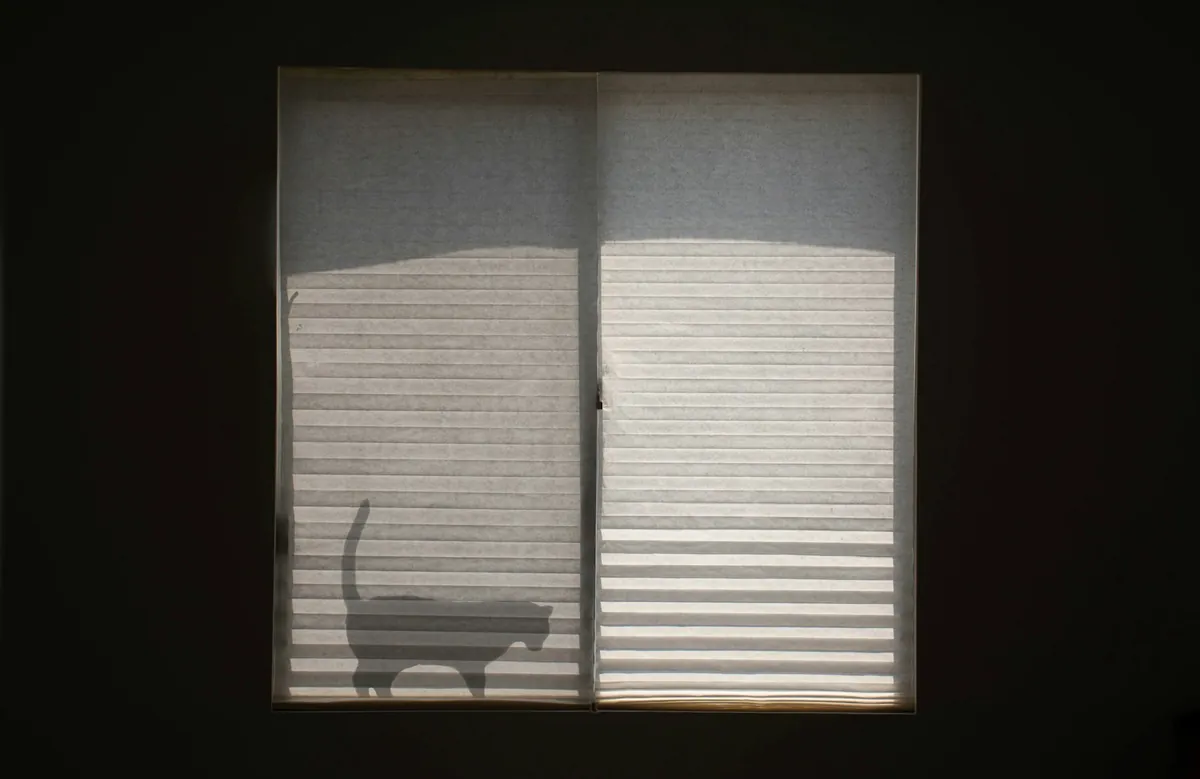
A clean roll of fabric in light filtering, room-darkening or blackout weights.
Cellular shades
Honeycomb fabric that darkens a bedroom and holds warmth at the glass.

Custom drapes
Lined drapes that cover the edges of a window and finish a bedroom.
Plantation shutters
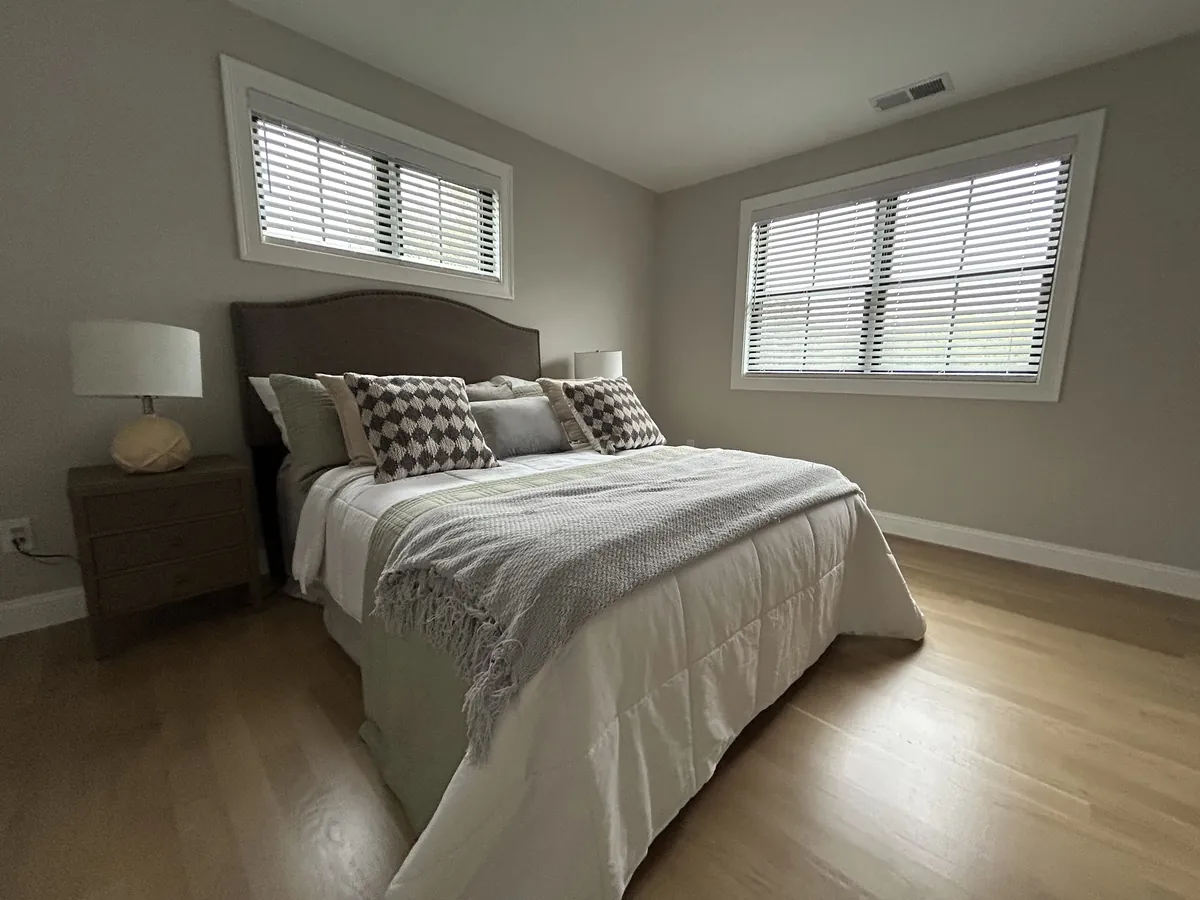
Louvres that close firmly, often paired with a drape for darker nights.
Questions About Darkening a Room
Will a blackout shade make my bedroom completely dark?
The fabric blocks light, but the room is only as dark as the fit allows. An outside mount, or a drape over the shade, closes the gaps at the edges.
Is room darkening enough for a nursery?
Many families find it is. If naps happen in bright afternoon sun, blackout fabric with covered edges gives a darker room.
Can I get blackout in a Roman shade?
A Roman shade is fabric-led, so a lining behind the face fabric is what darkens it. Bring the fabric you like to the showroom and we will talk through what can sit behind it.
Do darker fabrics help with heat?
A lined or cellular shade adds a layer at the glass, which helps a room feel less cold in winter and less hot in summer sun.
Which rooms should stay light filtering?
Rooms you use in daylight, such as kitchens, living rooms and offices, usually work best with light filtering fabric.
Book Your Free Quote
Use the call button to book a free quote, arrange measuring in your home or ask about installation. We will look at each bedroom and tell you honestly where blackout earns its place and where a lighter fabric will serve you better. To compare the fabrics against real daylight first, visit the Swansea showroom.