
Why a Window Feels Cold
Stand next to an old window on a January evening and you feel it before you touch the glass. Warm air in the room meets the cold pane, cools, and sinks to the floor, which pulls more warm air in behind it. That slow loop is why the chair by the window is always the coldest seat. Cellular shades and heat loss go together in winter conversations because a cellular shade breaks that loop at the glass, where it starts.
The idea is simple. Glass passes cold through readily. Still air does not. Put a layer of trapped air between the window and the room, and the room keeps more of its own warmth.
What the Honeycomb Does
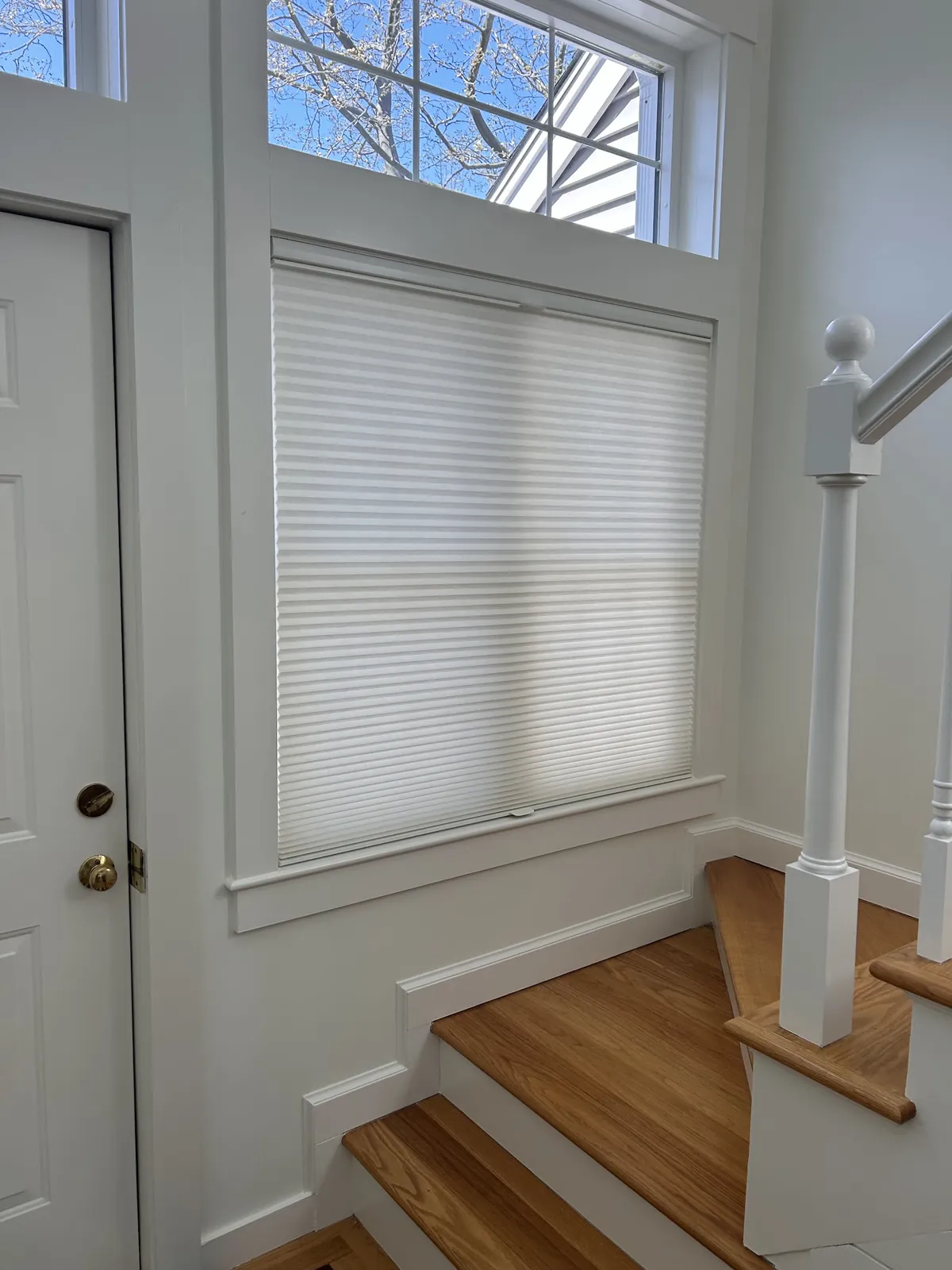
Look at a cellular shade end on and you see rows of cells, like a honeycomb cut in half. Each cell is a closed pocket of air. When the shade is lowered, those pockets sit across the whole window, between the cold glass and your room.
The air inside the cells cannot circulate, so it cannot carry warmth away the way open air does. That is why a room with a cellular shade drawn on a winter night holds its heat better than the same room with a bare window or a thin blind. In summer the same cells slow the heat coming in from a sunny window, so the shade works in both seasons.
- Each cell holds a still pocket of air
- The cells sit across the whole window when lowered
- The shade helps in summer sun as well as winter cold
Single Cell or Double Cell
Cellular shades come in single cell and double cell. A single cell shade has one row of honeycomb pockets. A double cell shade has two rows, one behind the other, so there are two layers of trapped air between the glass and the room instead of one.
When people ask us about cellular shades and heat loss, this is usually the first choice to make. For most rooms, a single cell shade makes a clear difference. Double cell earns its place at the coldest windows: a north-facing bedroom, a room above an unheated porch, or old sash that lets the draught in around the frame. We look at each window and tell you where the second layer is worth it.
The fabric matters too. A light filtering fabric lets the room stay bright through the day while the cells still do their work. A room-darkening fabric does the same job and blocks the morning light, which suits a bedroom.
Rooms That Feel the Difference
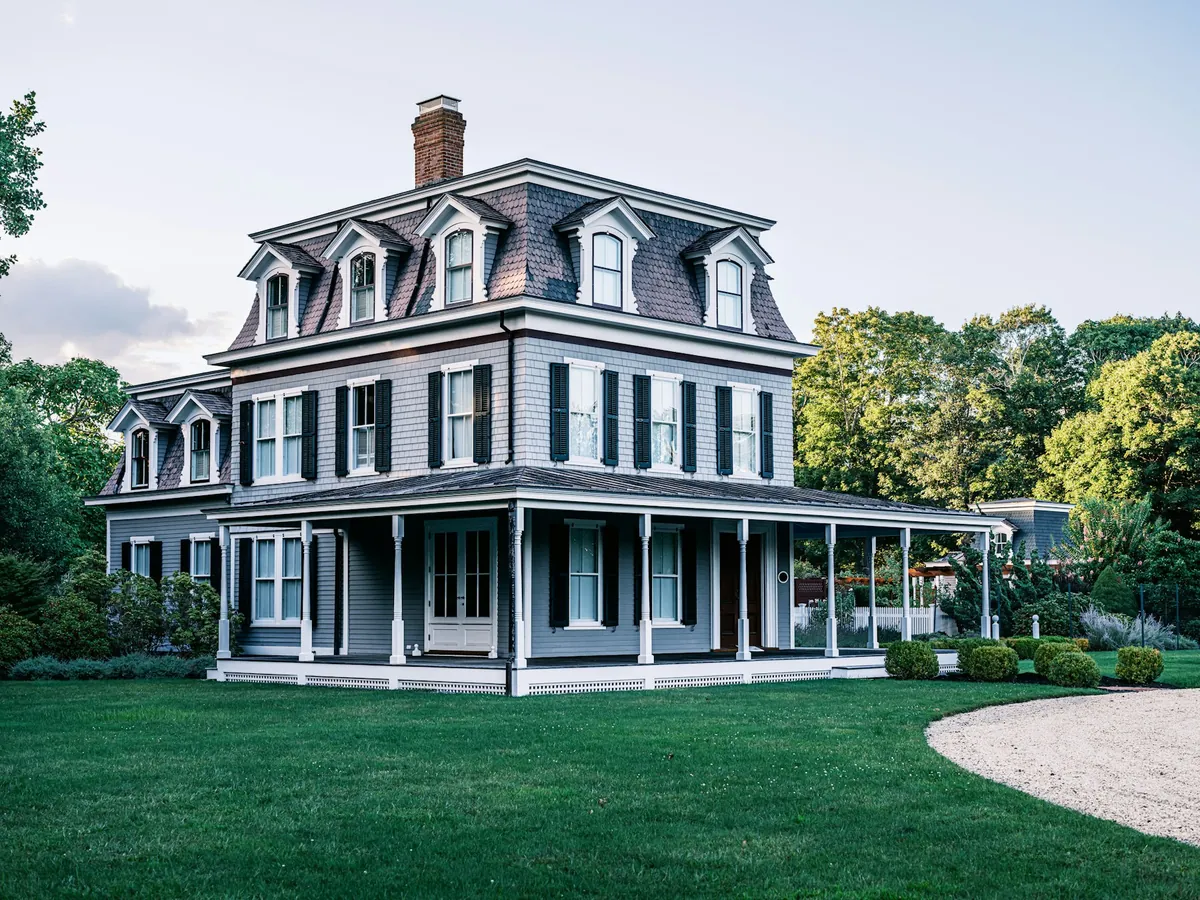
Some rooms change more than others once a cellular shade goes up. The pattern is the same in most houses: the more glass, the older the window and the more exposed the wall, the bigger the change.
Victorians and three-deckers
The mill-era three-deckers and Victorians in Fall River and Pawtucket have tall windows, high ceilings and, often, original sash. Tall glass means a long cold surface, and high ceilings let warm air rise away from where you sit. A cellular shade on each of those windows makes the rooms feel noticeably warmer at night. On a three-decker, the top floor, with its exposed walls and roof above, is often where the conversation about cellular shades and heat loss starts.
Coastal cottages and capes
The cottages and shingled capes near Mount Hope Bay and the Sakonnet take wind straight off the water. Rooms on the windward side feel it at every window. Here, cellular shades mounted inside the frame, close to the glass, keep the air pocket where it does the most good.
Mid-century capes and ranches
The capes and ranches across Somerset and Seekonk often have a wide picture window in the living room and a sliding door at the back. That is a lot of glass in one wall. A cellular shade across the picture window, and a cellular or vertical treatment on the slider, take the chill off the room.
Fit Matters as Much as Fabric
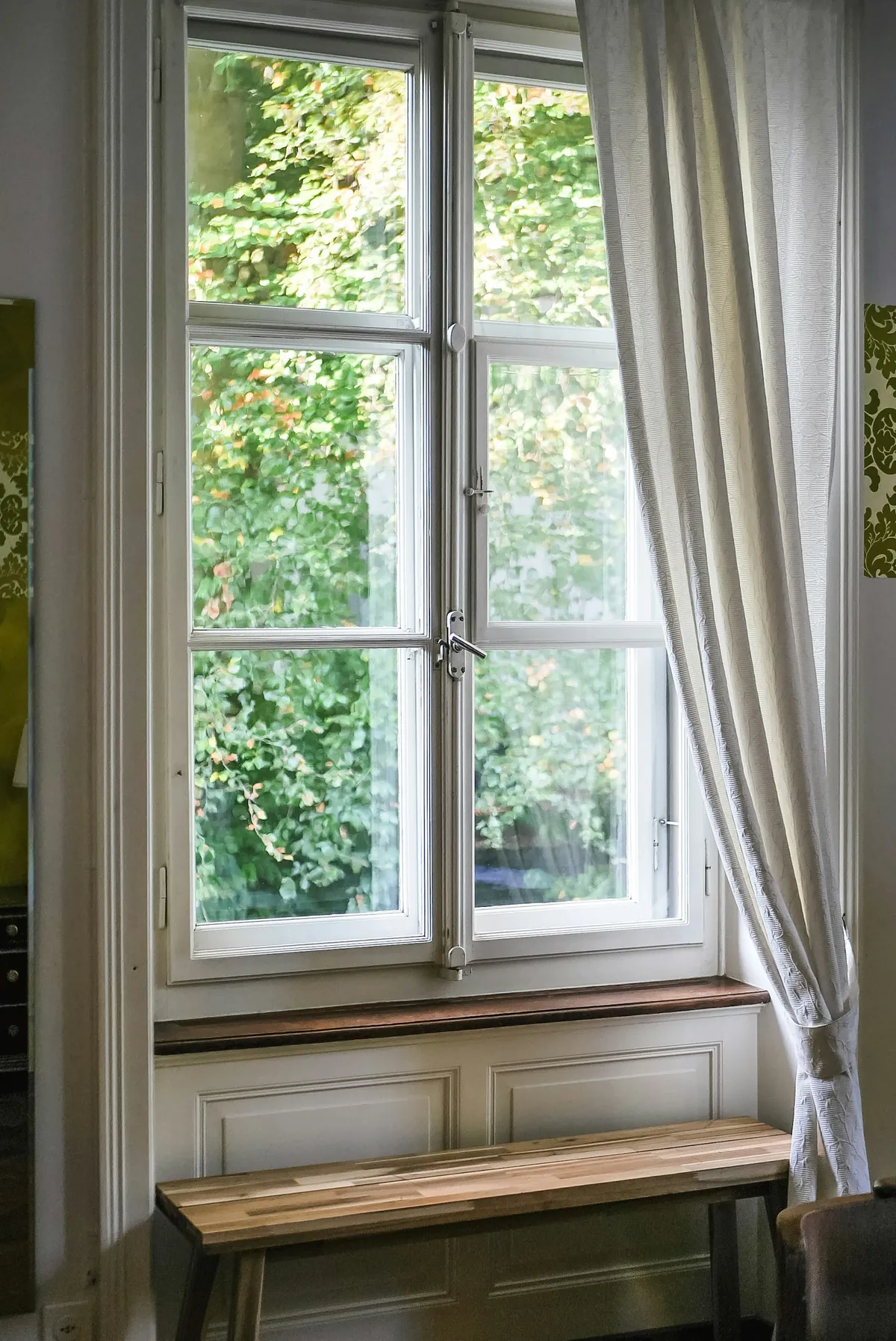
With cellular shades, heat loss comes down to fit as much as fabric. A shade can only hold back the cold if it covers the glass well. Gaps at the sides let cold air spill past the shade and into the room. That is one reason we measure every window in your home rather than working from rough sizes: the shade is made to fit the opening closely.
Inside mount or outside mount changes things too. An inside mount sits within the frame, close to the glass, and leaves the trim on show. An outside mount covers the frame as well and can close off a draughty edge. On old sash, where frames are rarely square, we check each one and suggest the mount that leaves the smallest gaps. Our mounting guide explains the choice in more detail.
Using the Shade Through a Winter Day
How you use the shade matters as much as having one. On a sunny winter morning, raise the shades on the sunny side of the house and let the sun warm the room. Lower them in the late afternoon, before the light goes, to hold that warmth in through the evening. On grey days, the shades on the coldest walls can stay down.
A top-down, bottom-up lift lets you lower the top of the shade for daylight while the bottom stays closed for privacy and warmth. Motorised cellular shades, with a remote or a wall switch, make it easy to lower several at once at the end of the day, which helps in a room with a row of windows or a window you cannot reach.
Layering for the Coldest Rooms
In the coldest rooms, a cellular shade paired with lined drapes adds a second barrier. The shade holds air against the glass; the drapes, drawn at night, add another layer across the wall. It is a common pairing in older bedrooms and in bay windows, and we can measure for both on the same visit.
Shades That Help Hold the Heat
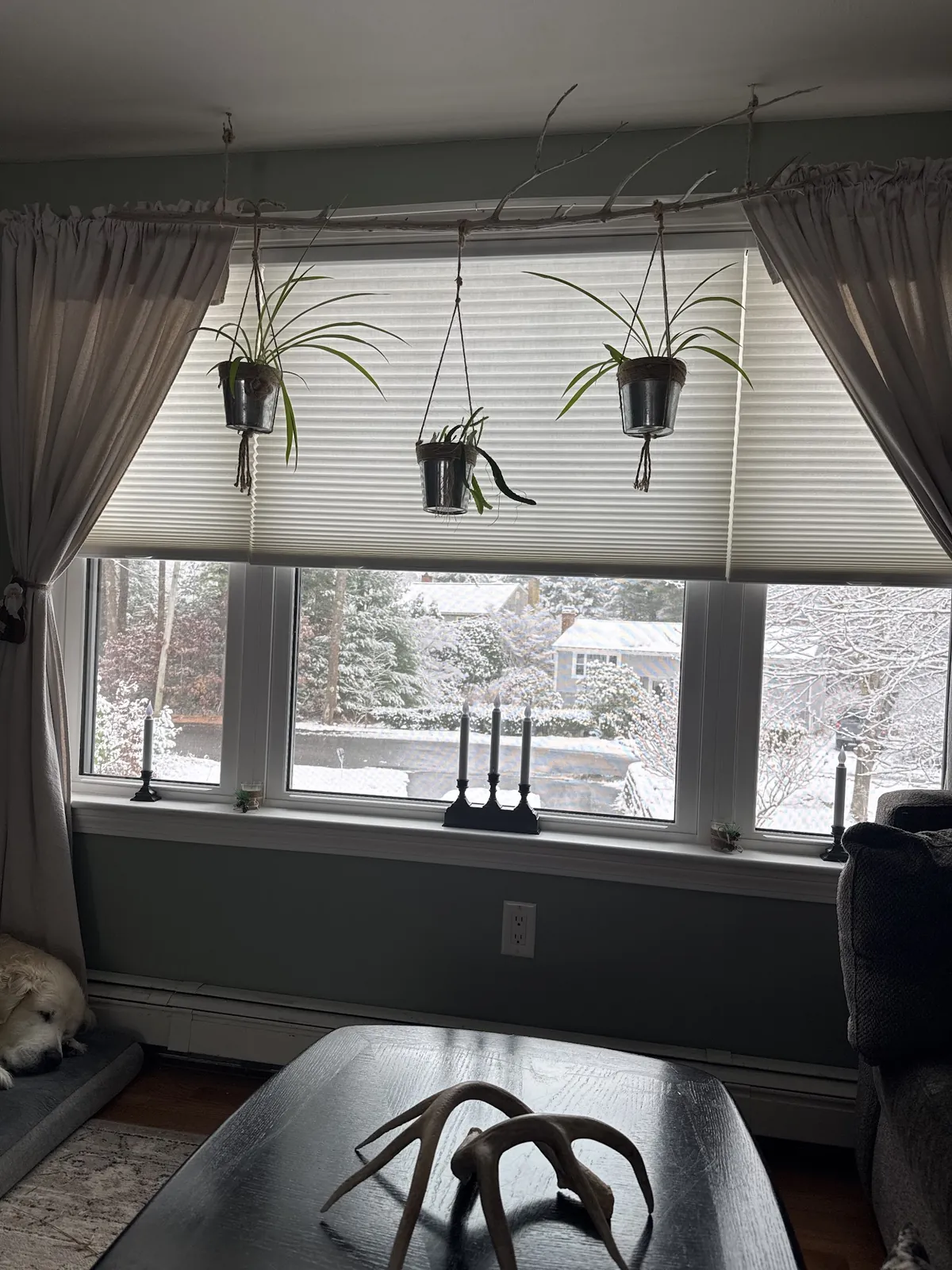
Cellular shades
Single and double cell, light filtering or room darkening, made to each window.

Custom drapes
Lined panels drawn at night add a second layer across the wall.
Motorized shades
Remote and wall-switch operation for tall windows and rows of shades.
Cellular Shade Questions
Do cellular shades really make a room warmer?
They help a room hold its own heat. The cells trap still air against the glass, so less warmth escapes through the window. You feel it most at old or large windows.
Is double cell always better than single?
Not always. Double cell adds a second layer of air and suits the coldest windows. For many rooms, single cell is plenty.
Do they help in summer too?
Yes. The same air pockets slow the heat coming in through a sunny window.
Can I still get daylight through them?
Yes. A light filtering fabric keeps the room bright, and a top-down, bottom-up lift lets light in over the top while the lower part stays closed.
Which rooms should I start with?
Start where cellular shades and heat loss make the biggest difference: north-facing rooms, top floors, rooms over porches and walls of old sash. We help you plan it window by window.
Book Your Free Quote
Use the call button to book a free quote or arrange measuring in your home, and we will look at your coldest rooms with you. Want to feel the fabrics and see single and double cell side by side? Come into the Swansea showroom.