
Why Louvre Width Matters
Plantation shutters are interior panels fitted to the window frame, with horizontal louvres that tilt open and closed. Of all the choices you make, plantation shutter louvre sizes change the most: the light, the view and the look of the window from inside and from the street. The frame style is the other big decision, and the two work together.
There is no single right size. The best width depends on the size of the window, the depth of the frame, the style of the house and what you want to see when the louvres are open.
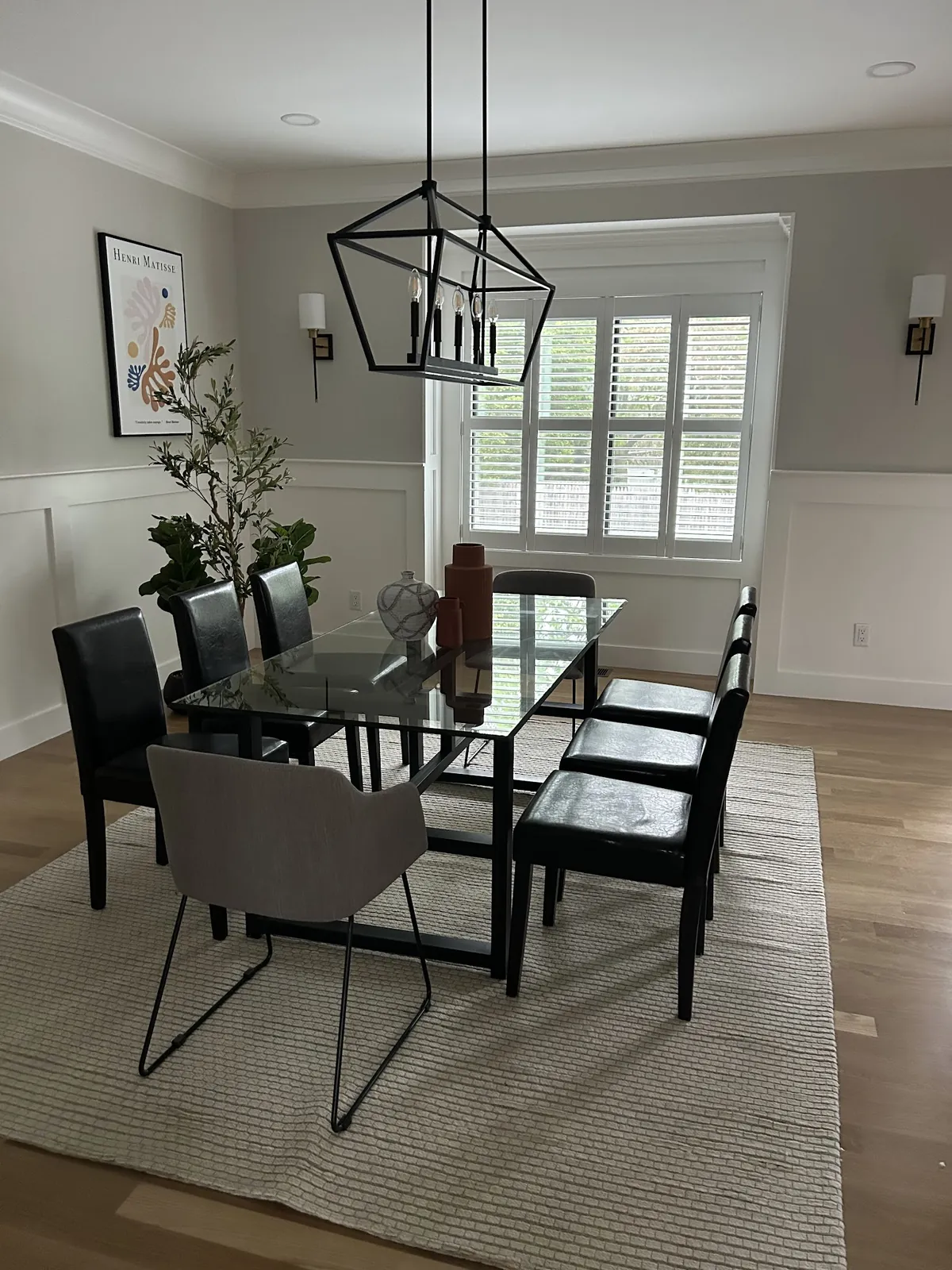
Light and View Through the Louvres
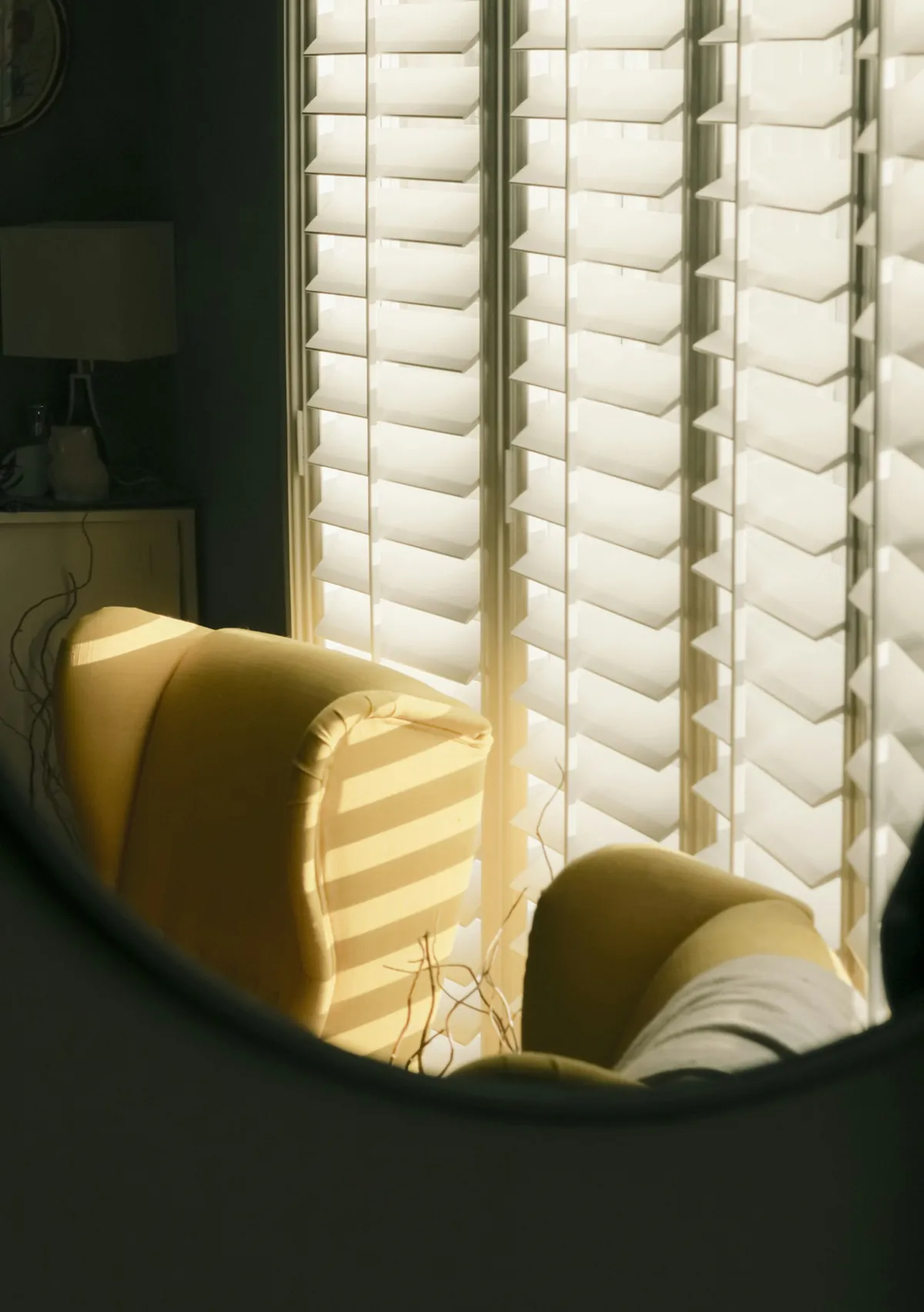
Open a shutter’s louvres and you are looking through the gaps between them. Wider louvres leave wider gaps, so more light comes in and more of the view shows through. Fewer louvres cross the window, and the glass feels more open.
Narrower louvres leave smaller gaps and put more slats across the glass. The light comes in softer and more broken up, and the view is filtered rather than framed. Close them, and either size gives you privacy and a darker room, though wider louvres close with fewer seams.
- Wider louvres: more light, more view, a bolder, modern look
- Narrower louvres: softer light, a finer, traditional look
- Either size: tilt to steer light up, down or straight through
The Look of the Window
From across the room, plantation shutter louvre sizes set the scale of the whole window. Wide louvres look bold and uncluttered, with clean lines that suit a large window and a modern or open-plan room. Narrow louvres look finer and more detailed, closer to the traditional shutters of older houses.
The scale of the window matters. A big picture window or a tall pair of French doors can carry wide louvres without looking heavy. A small window under the eaves can look crowded with wide louvres, because only a few fit, while narrow ones keep the proportions right.
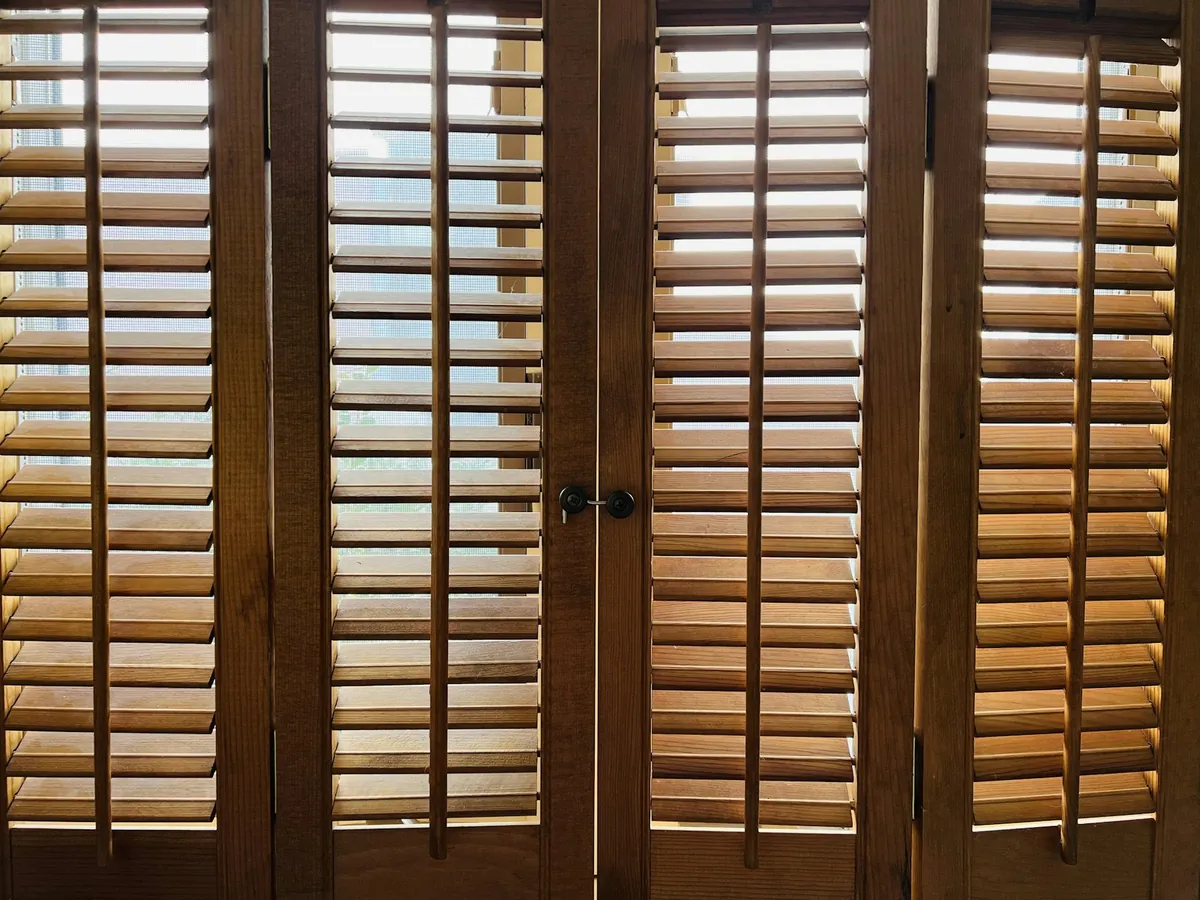
Matching Louvres to the House
The style of the house is a good guide when you are weighing plantation shutter louvre sizes, because the shutters are seen from the street as well as from inside.
Historic sash and older houses
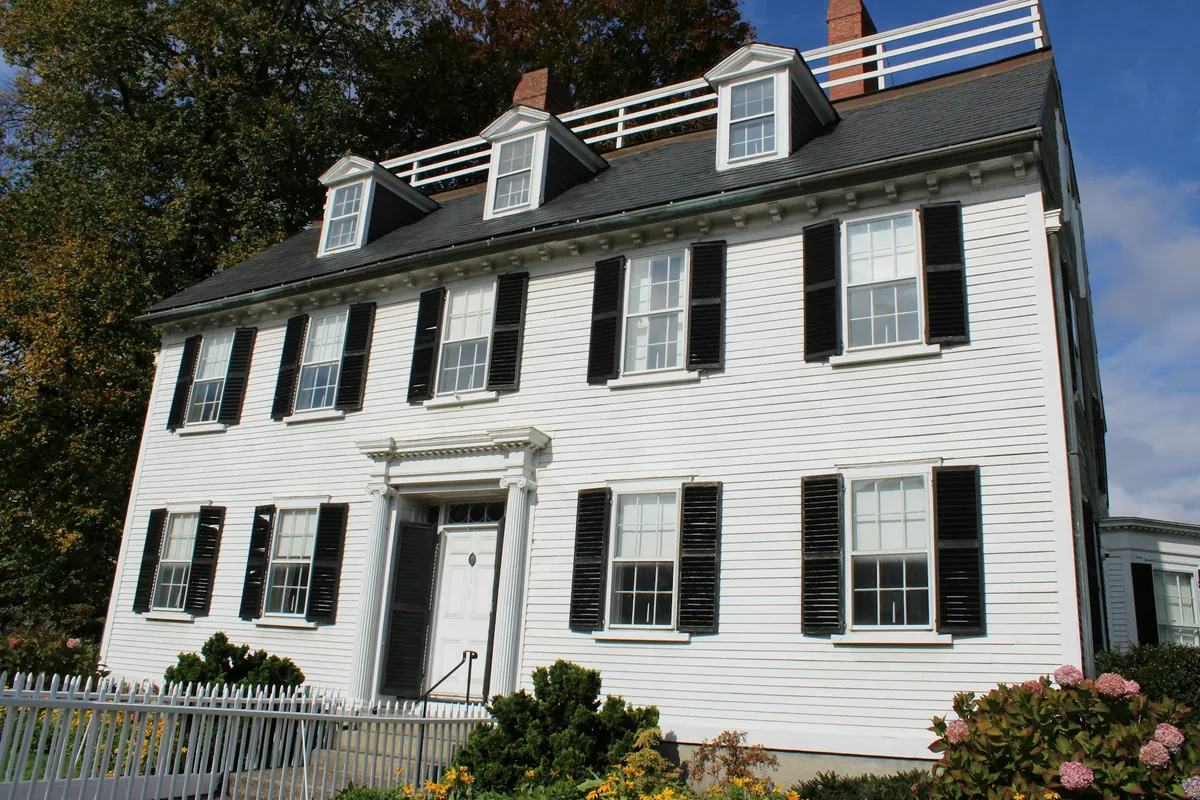
The historic sash on College Hill and Newport’s Point, and the Victorians in Fall River and Pawtucket, tend to suit narrower louvres. They echo the scale of the original woodwork and look as if they have always been there. Tall, narrow windows in these houses also look better with more louvres across them than with a few wide ones.
Mid-century capes and ranches
The capes and ranches across Somerset and Seekonk often have a wide front window and standard bedroom windows. Wider louvres on the front window keep the view open, and the same louvre on the bedroom windows keeps the house consistent. A medium louvre is a common middle ground for these houses.
Coastal cottages and capes
In the cottages and shingled capes near Mount Hope Bay and the Sakonnet, the view of the water is often the point of the window. Wider louvres keep more of it on show when tilted open. On the small upstairs windows of a cape, a narrower louvre may suit the size better.
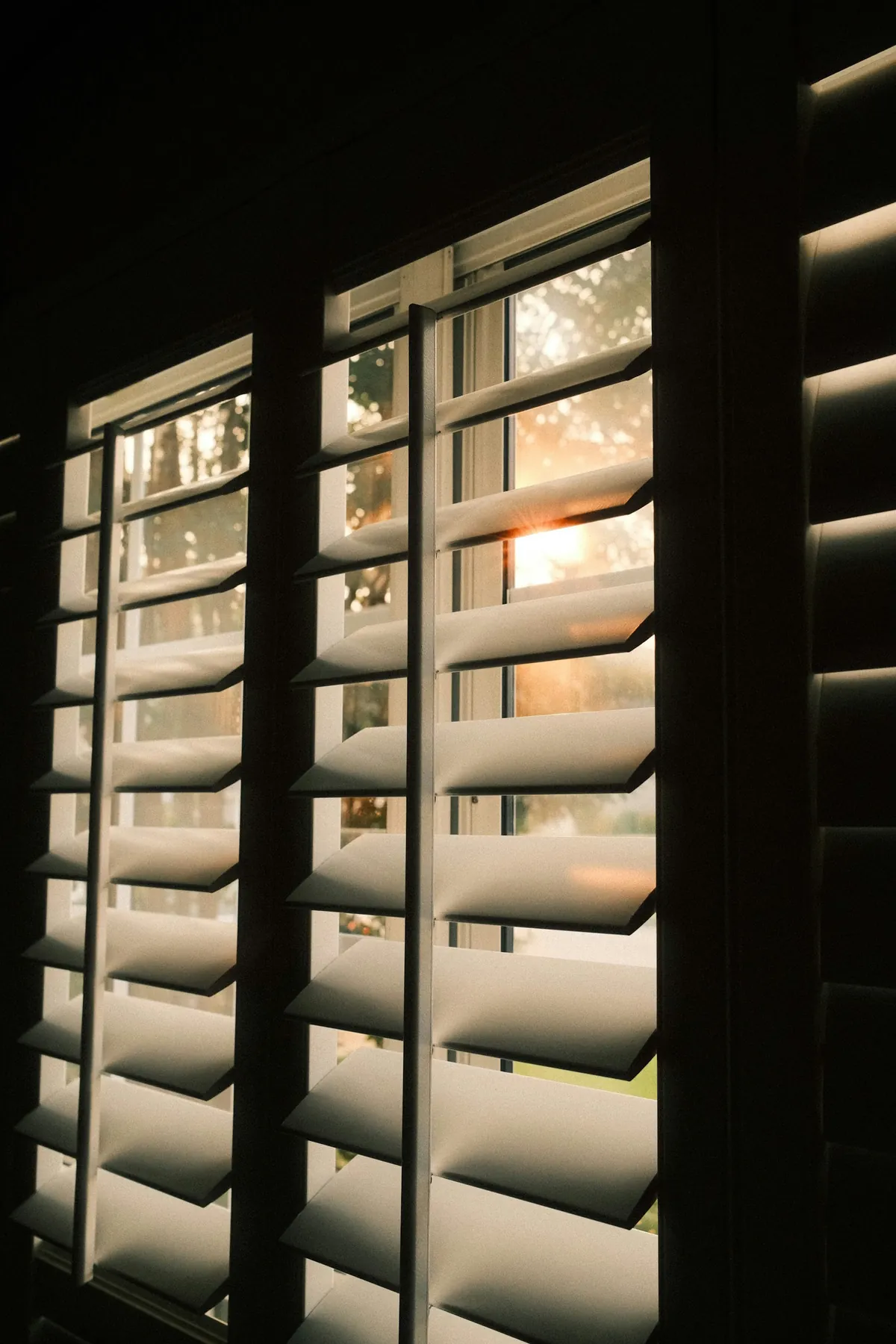
Frame Depth and Clearance
Louvre width is not only a matter of taste. Wider louvres need more room to tilt. If the frame is shallow, or a crank handle or a lock sits close to the glass, a wide louvre may hit it when it turns. Part of choosing plantation shutter louvre sizes is checking every window for depth and clearance before anything is ordered.
That is why we measure each window in your home. Old frames vary from room to room, and a size that works in the living room may not clear the hardware in the kitchen. Where the frame is too shallow, a different frame style can bring the shutter forward so the louvres turn freely. We also look at how the panels will swing open. A shutter hinged to the frame folds back against the wall, so a nearby light switch, curtain rod or piece of furniture can change which way it should open and how many panels it needs.
Frame Styles
The frame is what the shutter panels hang in, and it is fitted to the window opening. Its colour and finish usually match the panels, so the shutter reads as one piece of joinery fitted to the room. A frame can sit inside the window opening, so the trim stays on show, or around it, covering the trim and adding its own clean border.
An inside frame suits windows with handsome original woodwork, such as historic sash, because it leaves the trim visible. An outside frame suits windows where the trim is plain or damaged, where the opening is shallow, or where the window is out of square, because the frame can hide small gaps. We talk through which frame suits each window when we measure.
Full Height or Café
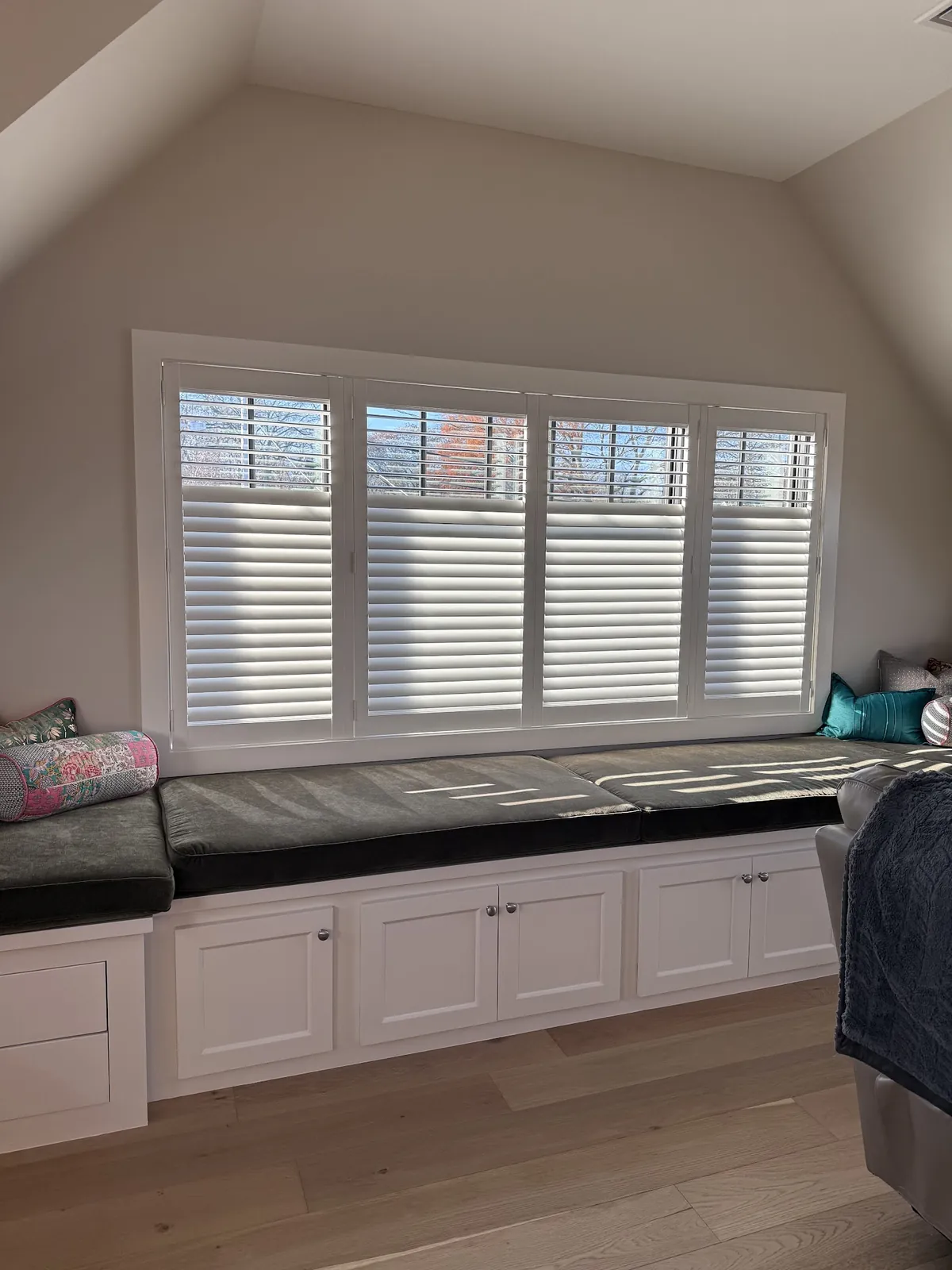
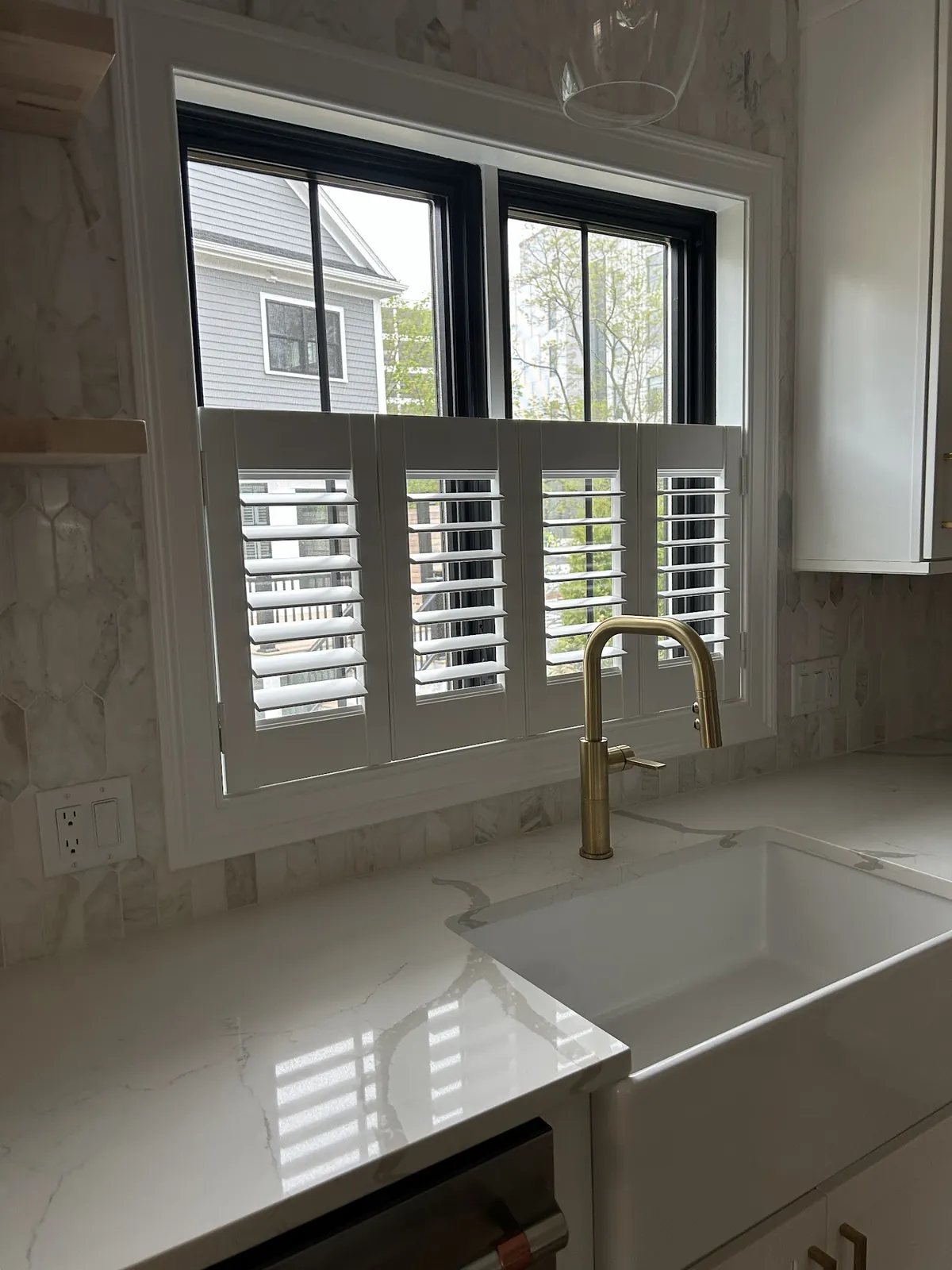
How the shutter covers the window changes what the louvres do. Full height shutters cover the whole window. Café shutters cover only the lower part, so the top stays open for light while the bottom gives privacy. That suits a kitchen sink window or a front room close to the street. In a mid-century ranch with a kitchen window that faces the neighbours, a café shutter keeps the sink private while the sky stays in view.
With any of these, the louvre size still sets the light and the look. A café shutter with wide louvres gives a bright, open kitchen window; narrower louvres give it a cottage feel.
Seeing the Difference in Person
Plantation shutter louvre sizes are hard to judge from a description, because the difference is in how the light falls. Standing in front of a narrow louvre and a wide one, side by side, settles it quickly. The Swansea showroom has shutters to compare, including the Norman range the store carries, and we bring samples when we measure.
Shutters and More
Plantation shutters
Interior shutters made to each window, full height or café.
Norman shutters
A range the store carries and shows in the Swansea showroom.
Custom blinds
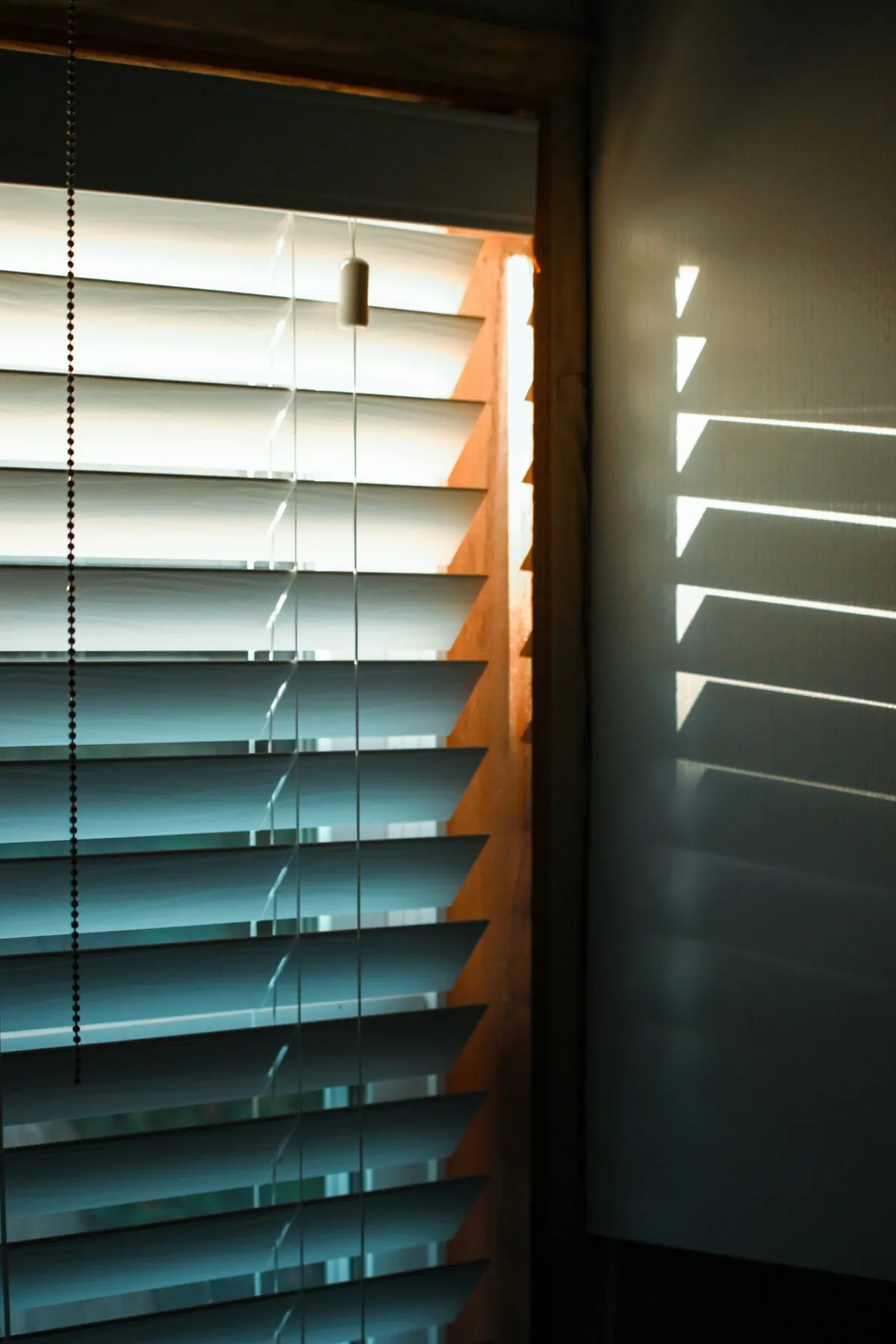
Prefer slats that lift clear of the window? Wood and faux wood blinds tilt the same way.
Shutter Louvre Questions
Do wider louvres let in more light?
Yes. Wider louvres leave wider gaps when open, so more light and more of the view come through.
Which louvre size suits an older house?
Narrower louvres usually suit historic sash and Victorian windows, because they echo the scale of the original woodwork.
Will wide louvres fit any window?
Not always. Wider louvres need more depth to tilt, so we check each frame for depth and for handles or locks before suggesting a size.
Should every window in the house use the same louvre?
Often, yes, for a consistent look from the street. Some houses use a different size on very small or very large windows.
Are your shutters for inside or outside?
Interior only. Our plantation shutters are fitted inside the house, to the window frame.
Book Your Free Quote
Use the call button to book a free quote, arrange measuring in your home or ask about installation. Or come into the Swansea showroom and compare louvre sizes side by side before you choose.