
Same Roll, Different Fabric
A roller shade and a solar shade work the same way. A single piece of fabric winds around a tube at the top of the window and unrolls to cover the glass. What sets them apart is the fabric. Choosing between roller shades or solar shades comes down to one question: when the shade is down, do you still want to see out?
A standard roller shade uses a solid fabric. Light filtering versions soften the daylight to a glow; room-darkening versions block it. Either way, the view goes once the shade is lowered. A solar shade uses a screen fabric with a fine, open weave. It cuts glare and heat while you can still see the garden, the street or the water through it.
When the Sun Is the Problem
A sunny room is a pleasure until the light lands on the screen you are working at or fades the rug by the window. The right shade lets you keep the room and lose the trouble.
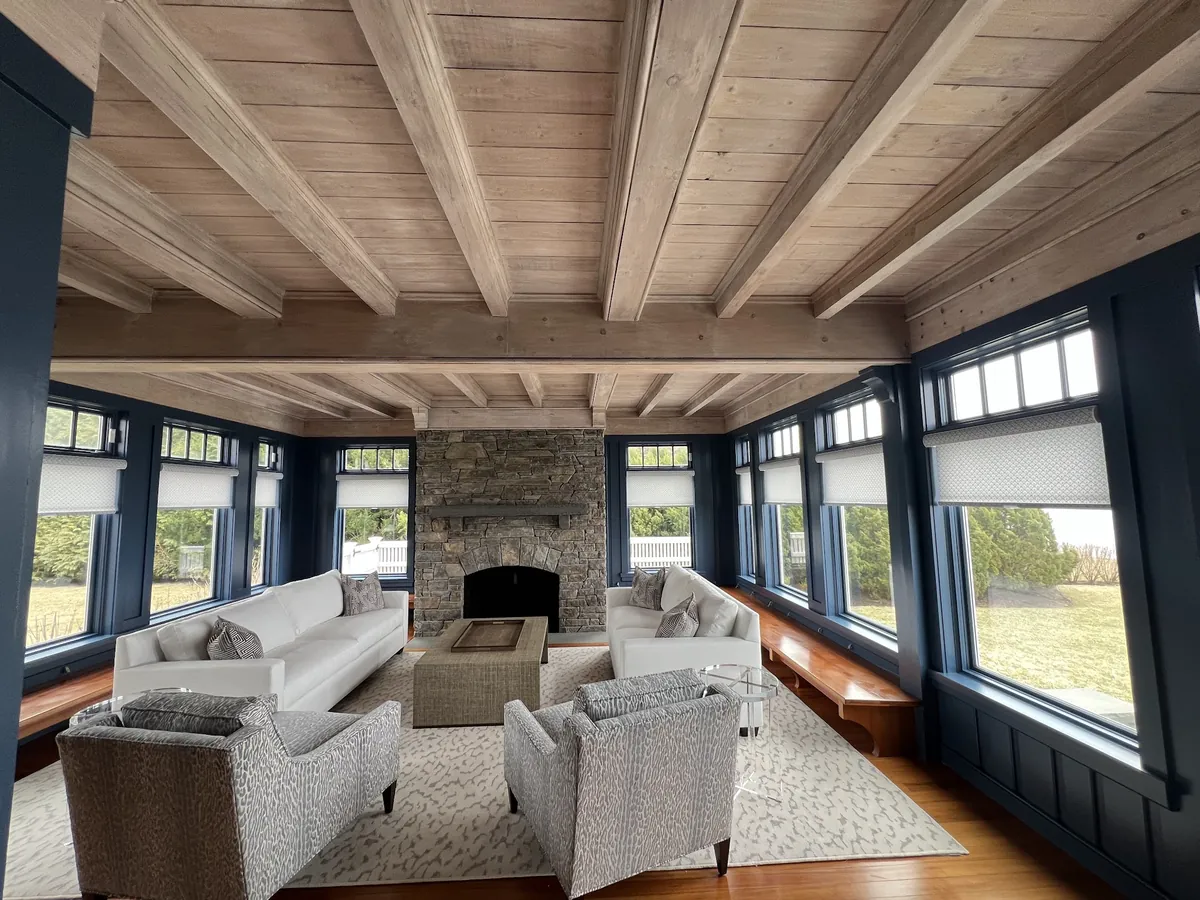
Rooms facing Mount Hope Bay and the Sakonnet take sun twice: once from the sky, and again as glare off the water. Sunrooms and enclosed porches, with glass on three sides, can feel bright all day. In those rooms the question is less about darkness and more about how much glare to cut while keeping the light and the view.
- Roller shades: solid fabric, privacy and darkness when lowered
- Solar shades: screen fabric, glare control with the view kept
- Both: a clean, simple roll that disappears when raised
Openness: How Much You See Through
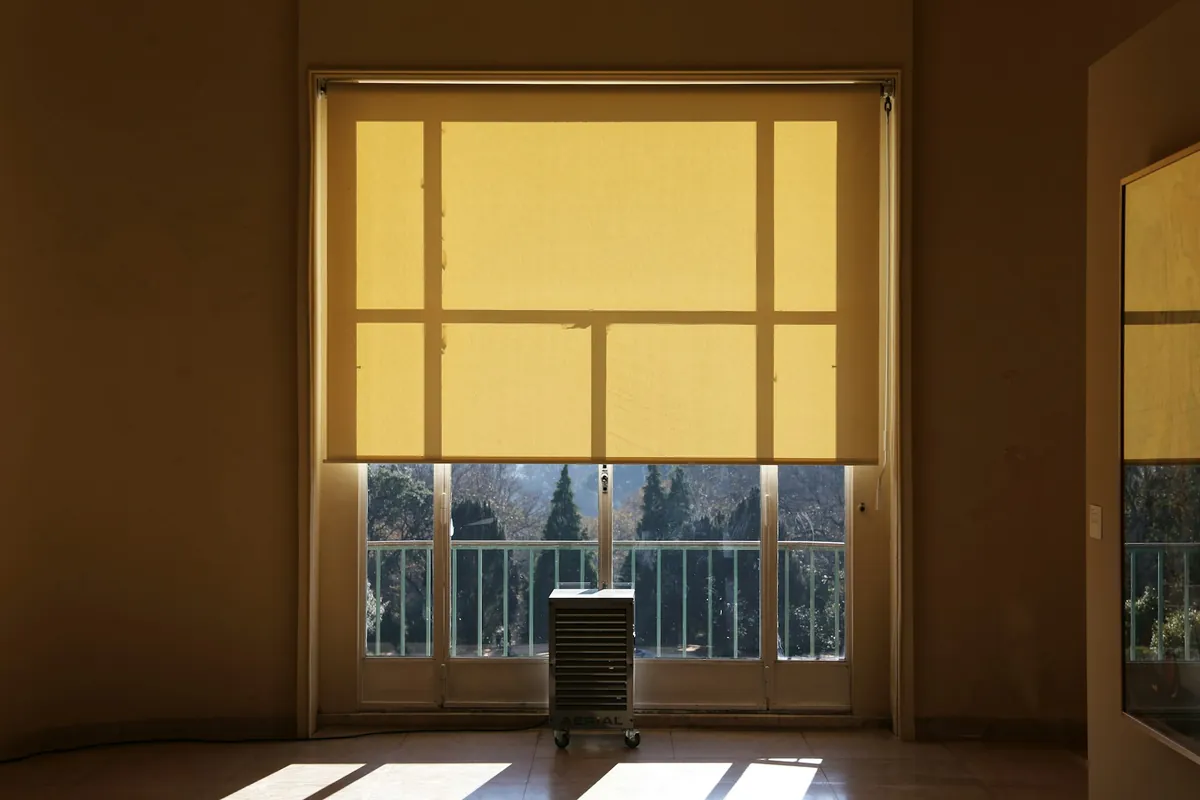
Once you lean toward screen fabric, the choice is no longer roller shades or solar shades but which solar fabric. Solar screen fabrics come in different openness. Openness describes how open the weave is: how much of the window you can see through, and how much light and glare come with it.
A more open weave keeps more of the view and lets in more light. It suits a room where the outlook is the point, such as a living room facing the water, and where the glare is moderate. A more closed weave cuts more glare and more heat, and the view through it becomes softer and dimmer. It suits a room where the sun is fierce, such as a west-facing office in the late afternoon.
Colour plays a part too. A darker screen tends to give a clearer view out, because the eye looks past it more easily. A lighter screen blends with white walls and trim and reflects more of the sun. We bring samples to your home so you can hold them up at the actual window.
Privacy Is the Catch
Here is the point most people do not expect. A solar shade gives daytime privacy, because the bright outside makes it hard to see in. At night, once the lamps are on, it reverses: the room is the bright side, and anyone outside can see in through the screen.
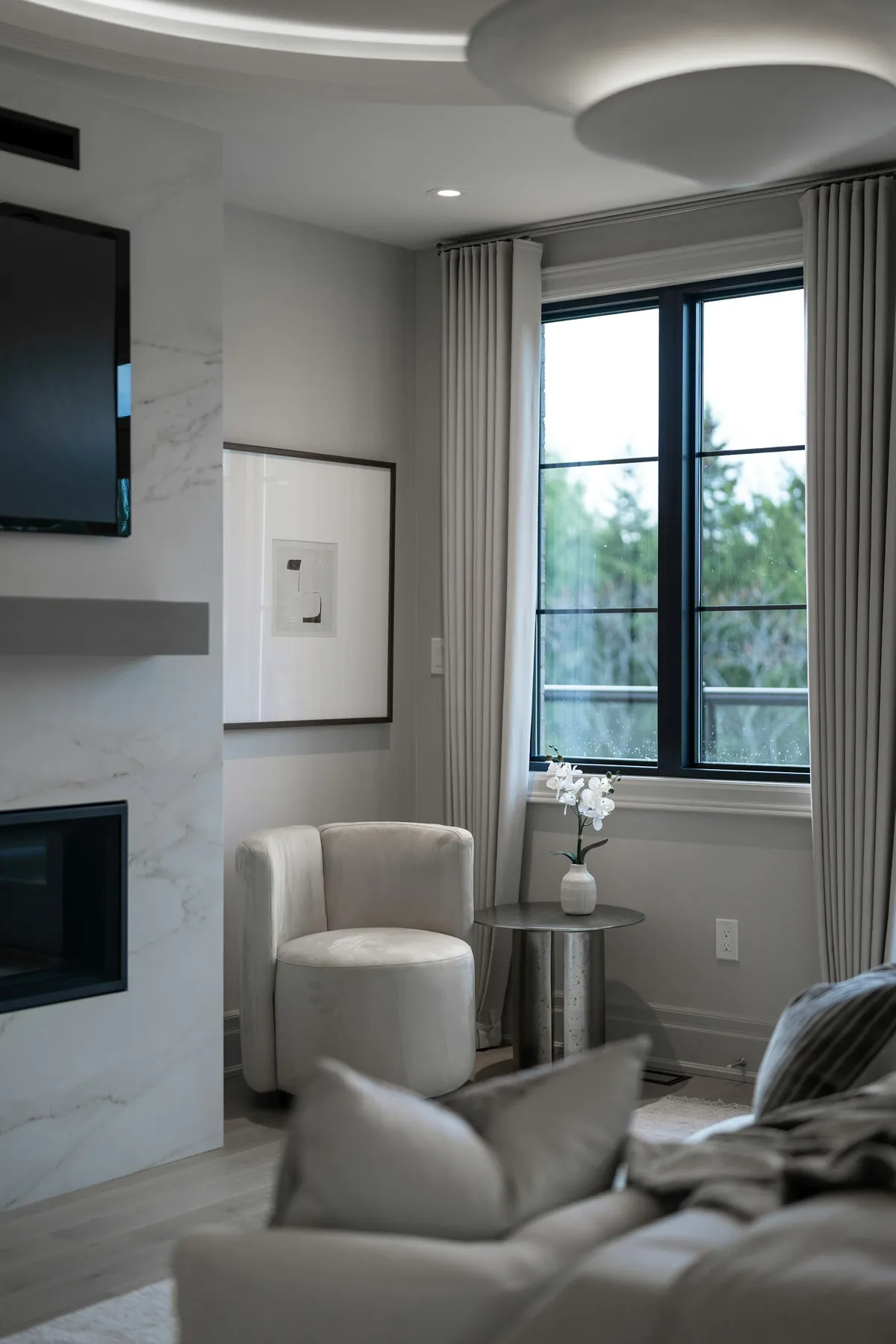
So for a bedroom or a room close to the street, a solid roller shade is usually the better answer. For a living room or office used mostly in daylight, a solar shade often wins. Some rooms want both: a solar shade for the daytime glare, with side drapes that draw across at night for privacy. It is a good pairing in a front room that faces the road.
Room by Room
Sunrooms and porches
Glass on three sides means sun from morning to evening, and this is the room where the choice between roller shades or solar shades matters most. Solar shades keep the room usable without turning it into a closed box. For a sunroom used in the evening too, consider solid roller shades on the side facing the neighbours.
Home offices
Glare on a screen is the main complaint. A solar shade with a more closed weave on the sunny window cuts it while keeping the room bright. A roller shade suits the window behind you if you want the light fully blocked.
Bedrooms
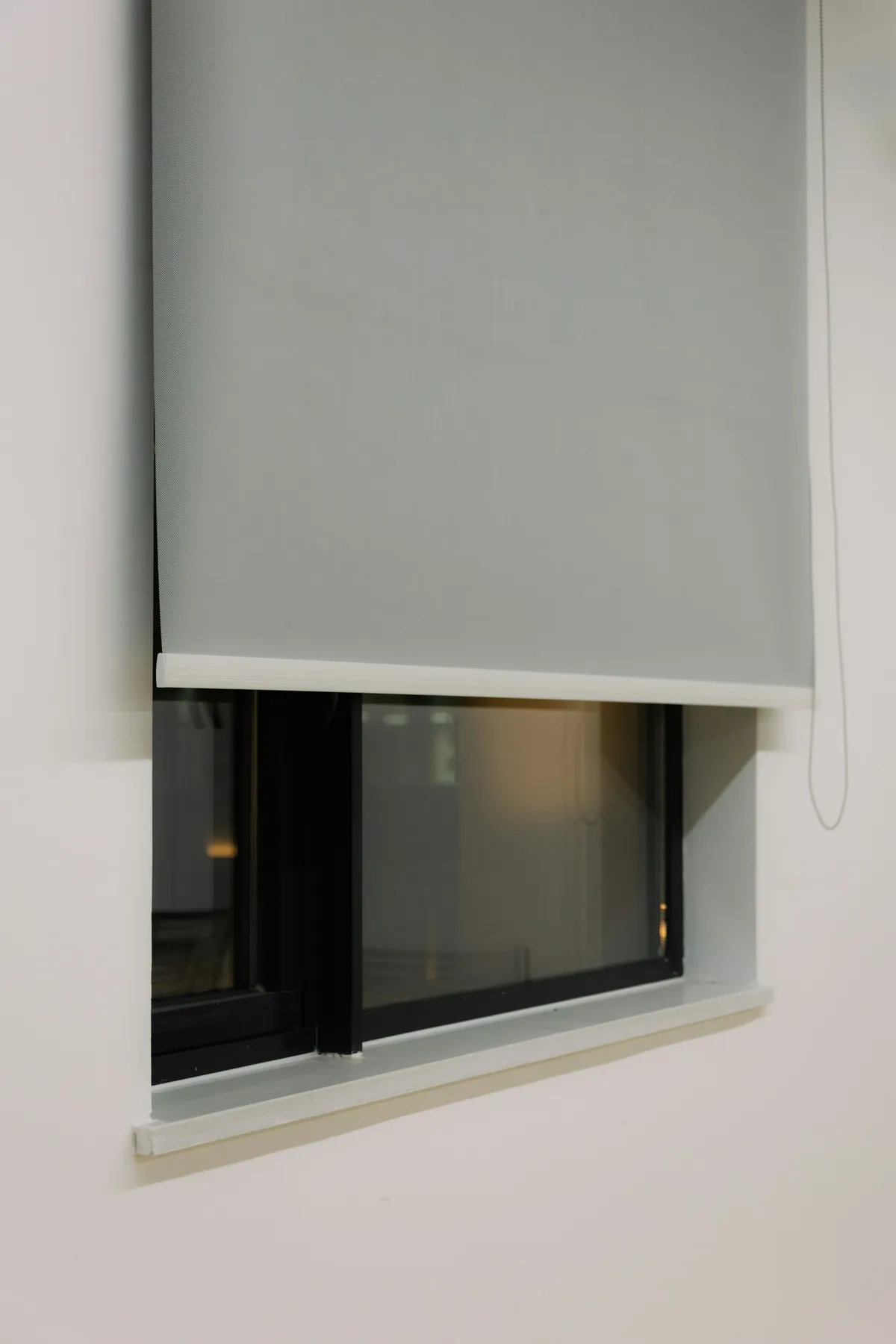
Room-darkening roller shades, mounted to cover the frame, handle early sun and streetlights. A solar shade alone will not darken a bedroom. In the upstairs rooms of a shingled cape, where the windows are small and sit under a sloped ceiling, a compact roller that stacks neatly above the glass suits the space.
Kitchens and family rooms
A solar shade on the window that gets the afternoon sun keeps the heat down while you cook. In the mid-century capes and ranches of Somerset and Seekonk, a wide picture window in the family room is a common place for one.
Older Houses and Tall Windows
The Victorians in Fall River and Pawtucket, and the historic sash on College Hill and Newport’s Point, often have tall, narrow windows with deep trim. A roller shade mounted inside the frame keeps that trim on show and rolls up out of sight. We check each frame for depth and square before we order, because older windows rarely match one another.
Tall glass also catches more of the afternoon sun, so these rooms often need glare control more than darkness. For tall windows that are hard to reach, motorised roller and solar shades with a remote or a wall switch make it easy to lower several at once as the sun moves round.
Roller Shades or Solar Shades: A Quick Way to Decide
If you want to see out when the shade is down, start with solar. If you want privacy at night or a dark room, start with roller. If you need both at the same window, pair a solar shade with drapes. When you are still unsure about roller shades or solar shades for a room, compare the fabrics against the light at your own window when we measure, or see them side by side in the Swansea showroom.
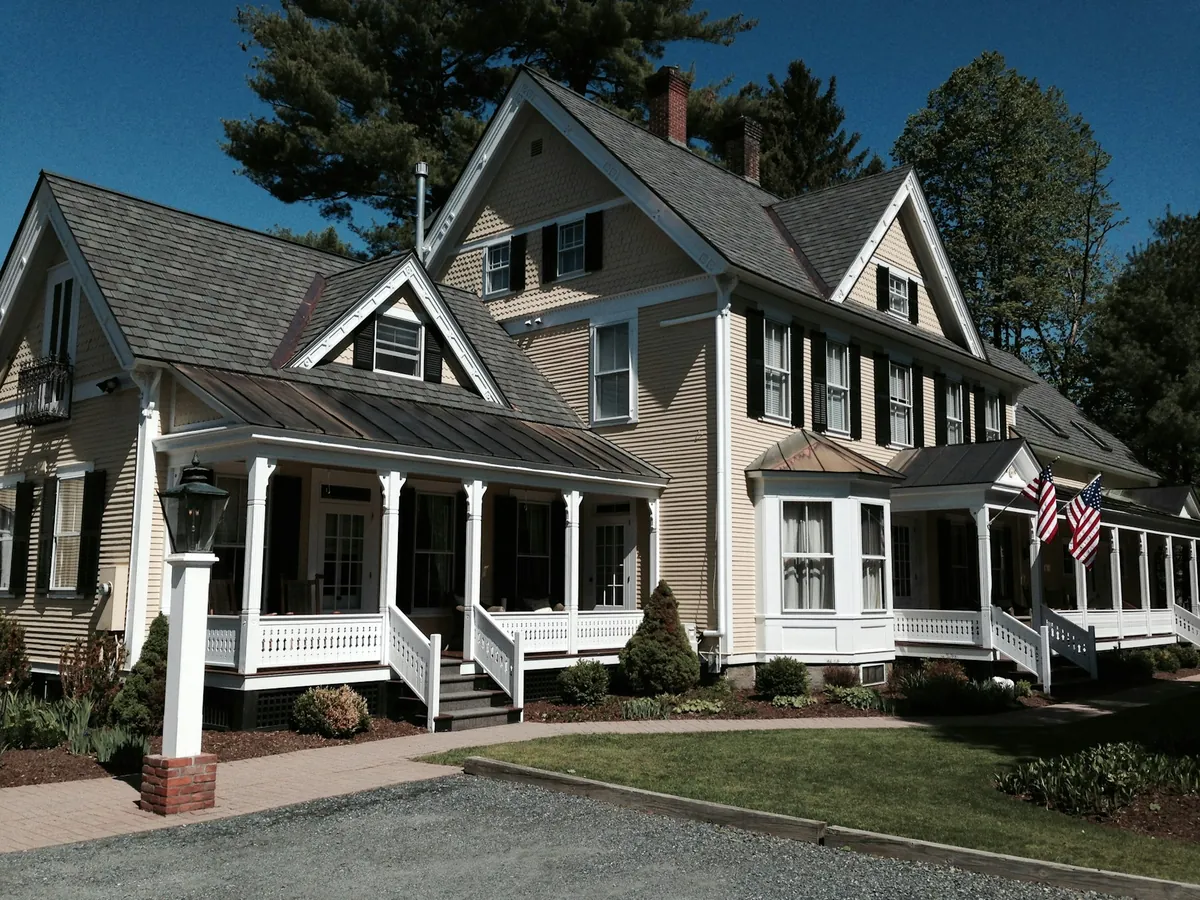
Shades for Sunny Rooms
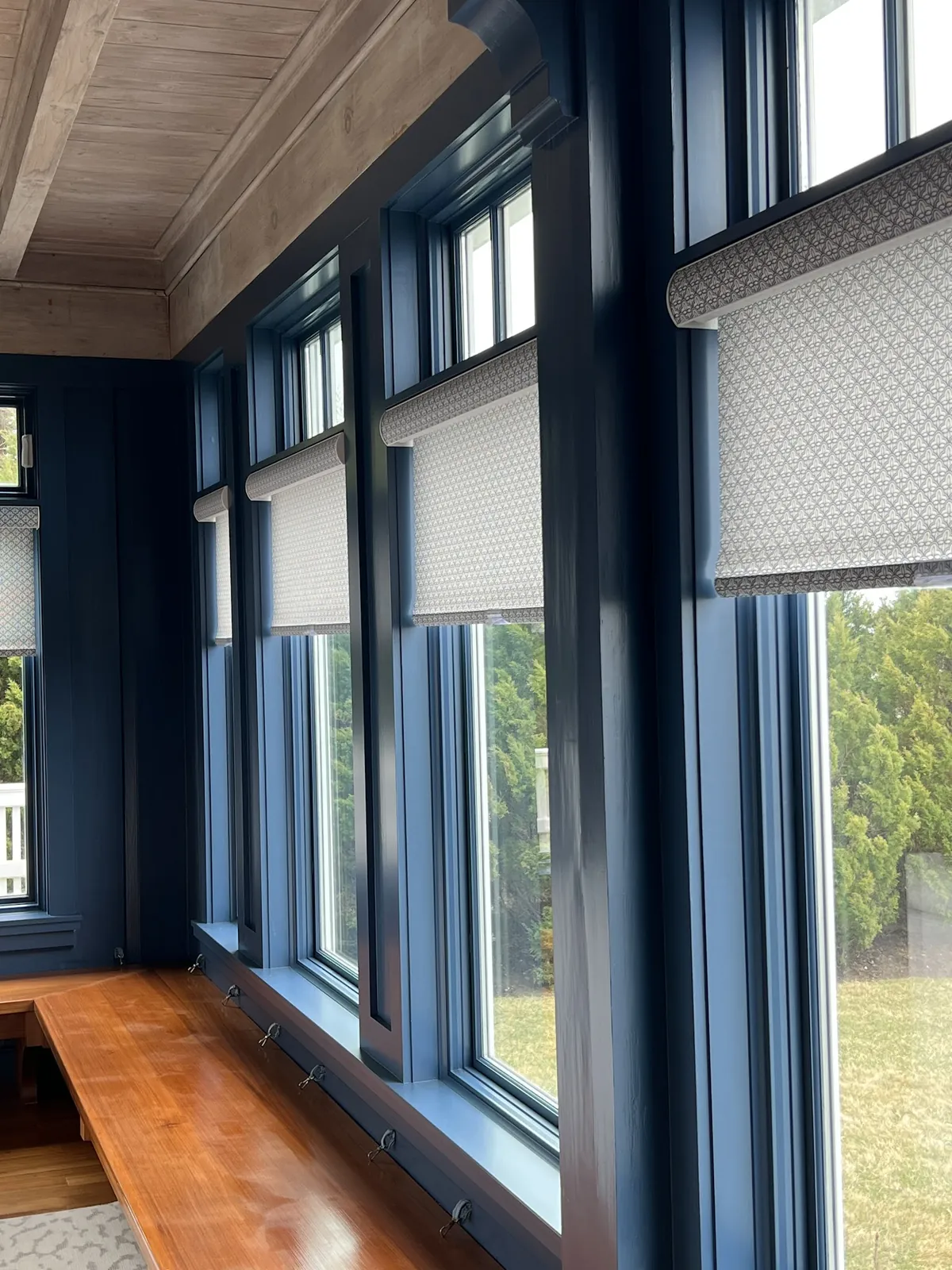
Roller shades
Roller and solar screen fabrics, made to each window and rolled out of sight when raised.
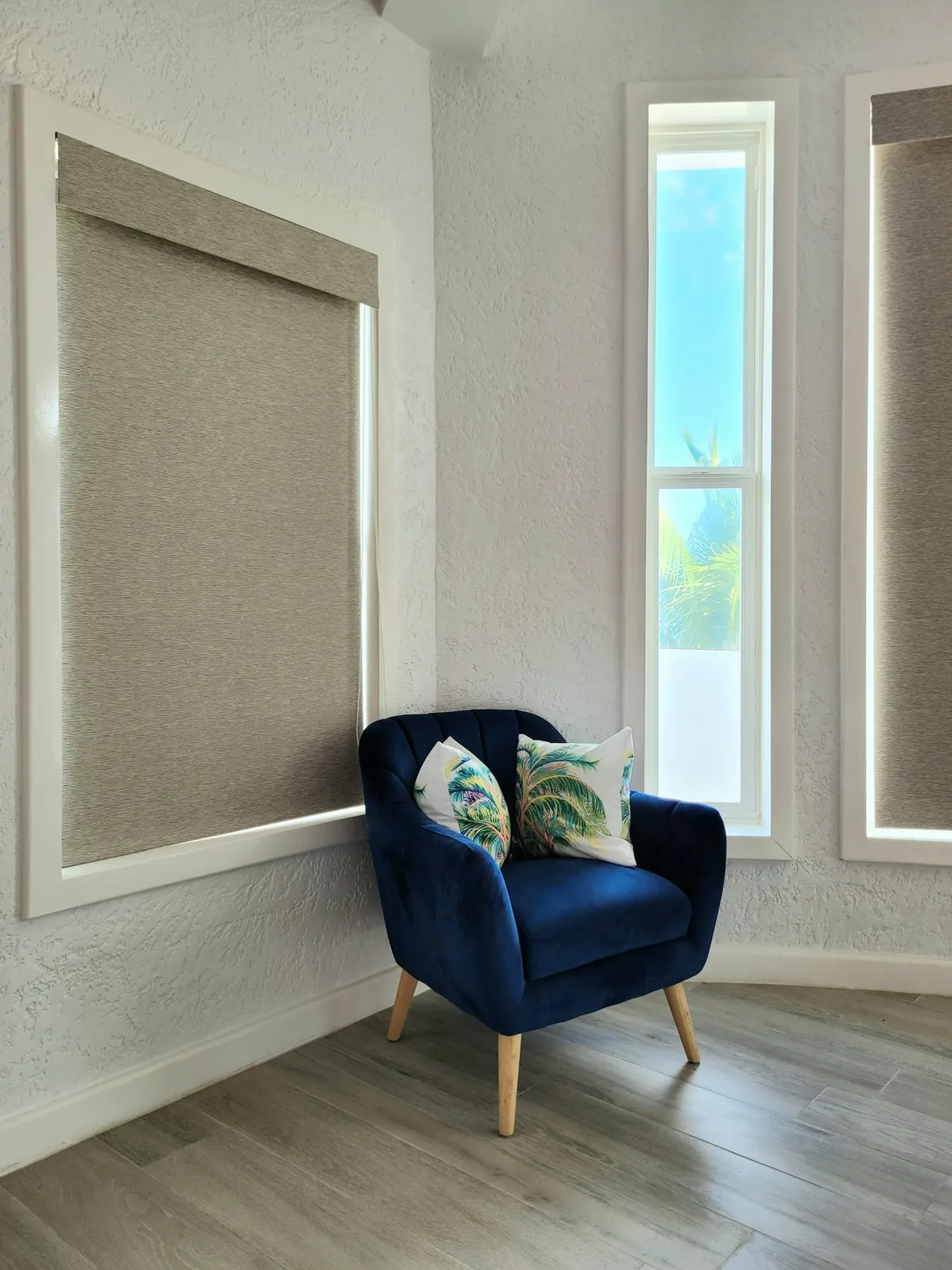
Woven wood shades
A natural weave that filters the sun with warmth and texture.
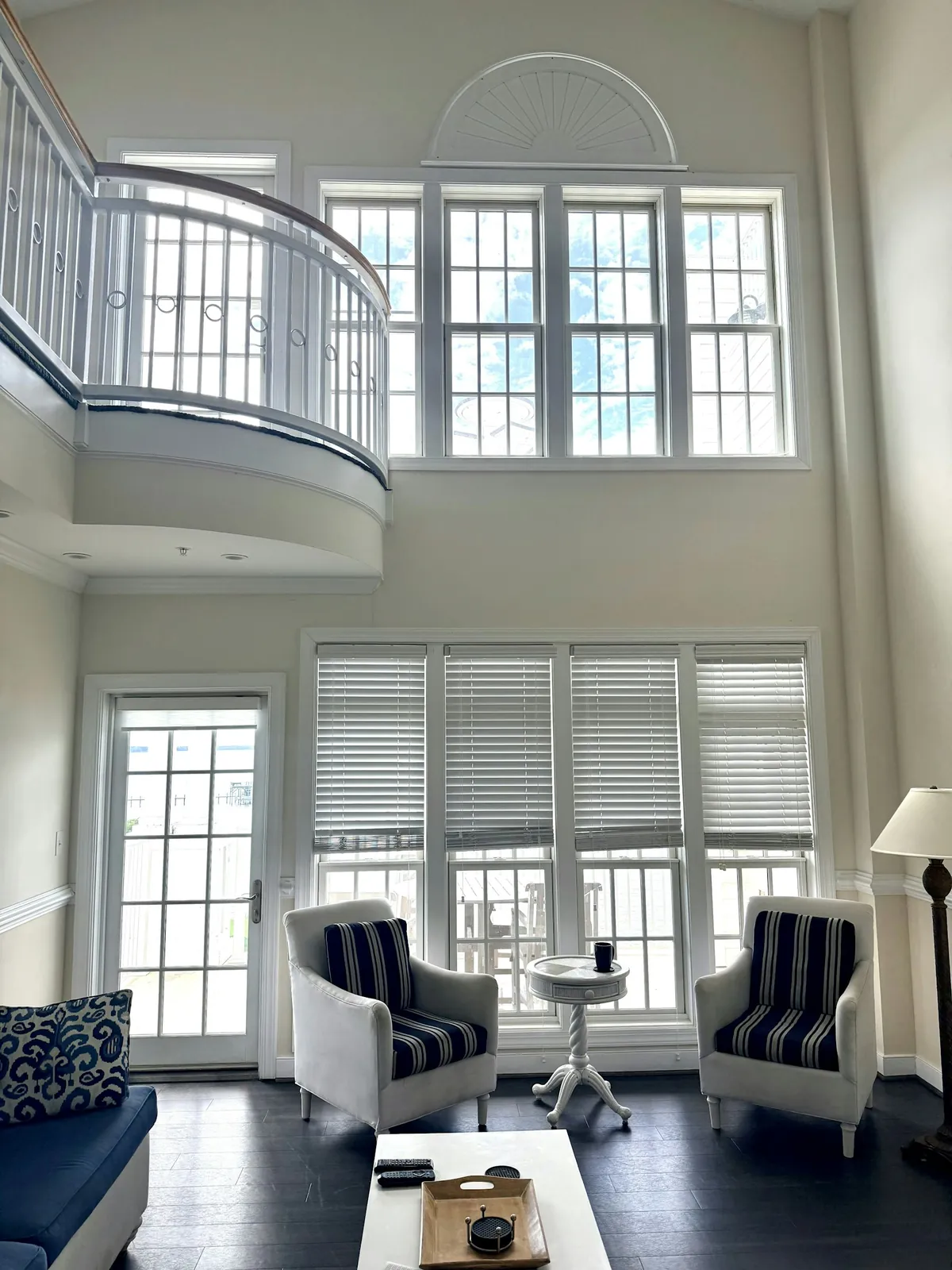
Motorized shades
Remote and wall-switch control for tall or hard-to-reach windows.
Roller and Solar Shade Questions
Can I see out through a solar shade?
Yes, during the day. The screen fabric cuts glare while keeping the view. A more open weave shows more of the outlook.
Will a solar shade give me privacy at night?
No. Once the lamps are on inside, people can see in through the screen. A solid roller shade gives privacy after dark.
Which is better for a bedroom?
A room-darkening roller shade, mounted to cover the frame. A solar shade alone will not darken the room.
Can I have both on one window?
You can pair a solar shade with side drapes or a second treatment, so the screen handles glare by day and the drapes give privacy at night. We help you plan it window by window.
Do solar shades help with heat?
They cut some of the sun’s heat as well as the glare, which helps in a sunroom or a west-facing room. A more closed weave cuts more.
Book Your Free Quote
Use the call button to book a free quote, arrange measuring in your home or ask about installation. We will bring roller and solar fabrics to hold up at your windows, or you can compare them in the Swansea showroom.