
Light with Texture
Most window treatments either let light in or keep it out. A woven wood shade does something in between: it lets light through the gaps in a natural weave of wood, reed, grass or bamboo, and the light that reaches the room comes in warm, broken up and full of texture. Talk to anyone about woven wood shades and light, and that warm glow is the first thing they mention.
What the light looks like in your room depends on two choices. The weave sets how open the shade is. The liner, if you add one, sets how much of that light and view gets past it.
What the Weave Does
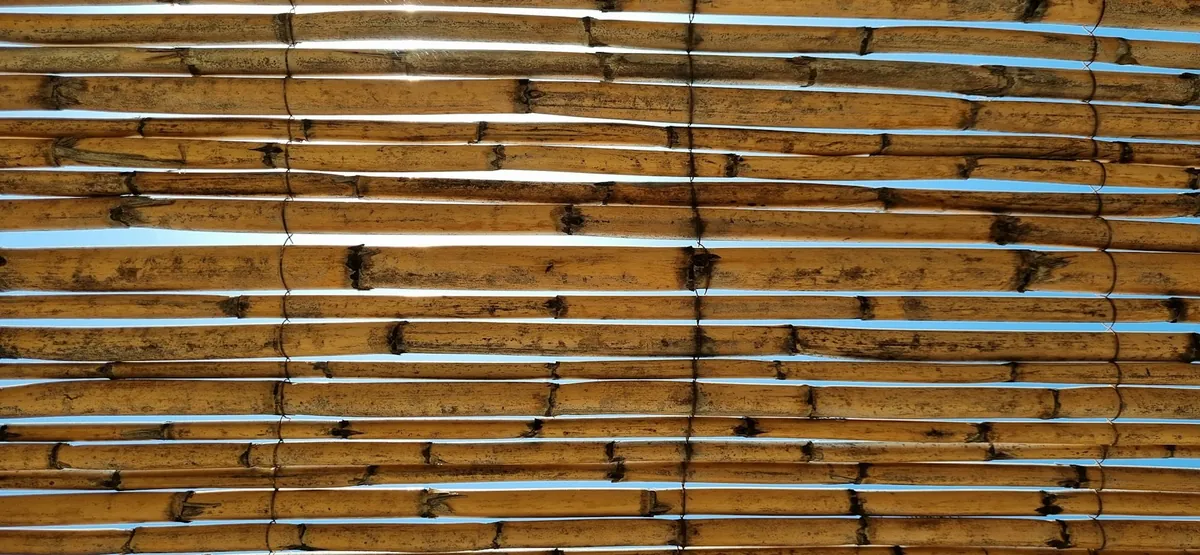
A woven shade is made from strands of natural material laid side by side and tied together. Where the strands are thin and loosely spaced, the weave is open, and plenty of light and some of the view come through. Where they are thick and tightly packed, the weave is closed, and the light comes through softer and dimmer.
Open weaves give a light, airy feel and suit a room where you want daylight above all. Tighter weaves give more shade and a little more privacy on their own. Mixed weaves, with flat slats and finer strands together, sit between the two and add pattern to the window even when the shade is raised.
- Open weave: bright, airy, more view
- Tight weave: softer, dimmer, more shade
- Mixed weave: pattern and texture, in between on light
What the Liner Does
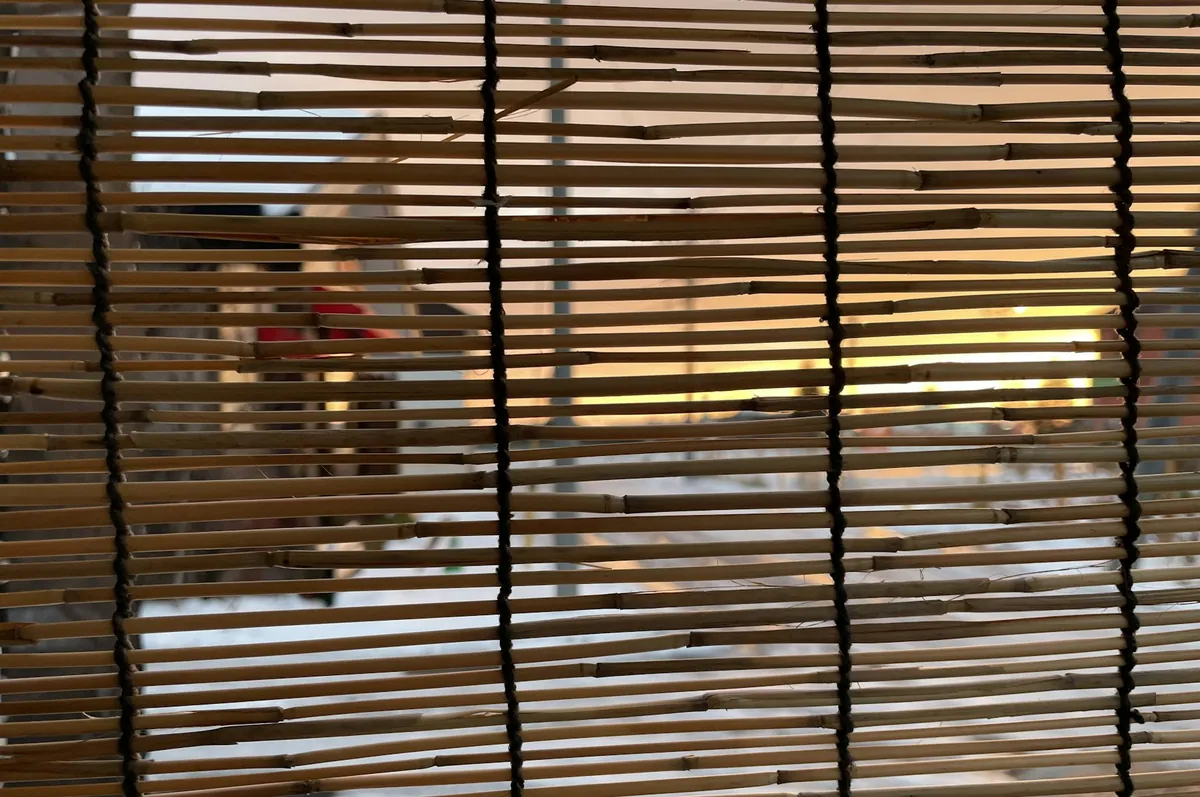
Without a liner, a woven wood shade is see-through to some degree, especially at night with the lamps on. That is fine in a sunroom or a kitchen where privacy is not a worry. In a bedroom or a front room near the street, it usually is not.
A liner is a layer of fabric fixed behind the weave. It changes how the shade behaves while the weave still shows from inside the room.
- No liner: the most light and the most texture, with little privacy at night.
- Privacy liner: light still glows through, but the view in is blocked.
- Room-darkening liner: blocks most of the light, for bedrooms, while the room still sees the weave.
The liner also changes the colour of the light. A white liner keeps it bright and clean. A cream or tan liner warms it further. From the street, the liner is what people see, so a neutral one keeps the house looking even.
The Quality of the Light
With woven wood shades, light is about quality as much as quantity. Most rooms that get one are chosen for the way the light looks, not just how much of it there is. Morning sun through an open bamboo weave throws soft stripes across the floor. Afternoon light through a tight reed weave turns the room golden. With a privacy liner, the whole shade glows like a lantern while the room stays private.
Colour plays a part. Pale natural weaves give a light, beachy glow. Darker stained weaves give a richer, deeper tone and feel more formal. Hold samples up at your own window, at the time of day you use the room most, and you see the difference straight away. We bring them to your home when we measure.
Rooms and Houses That Suit Them
Coastal cottages and shingled capes
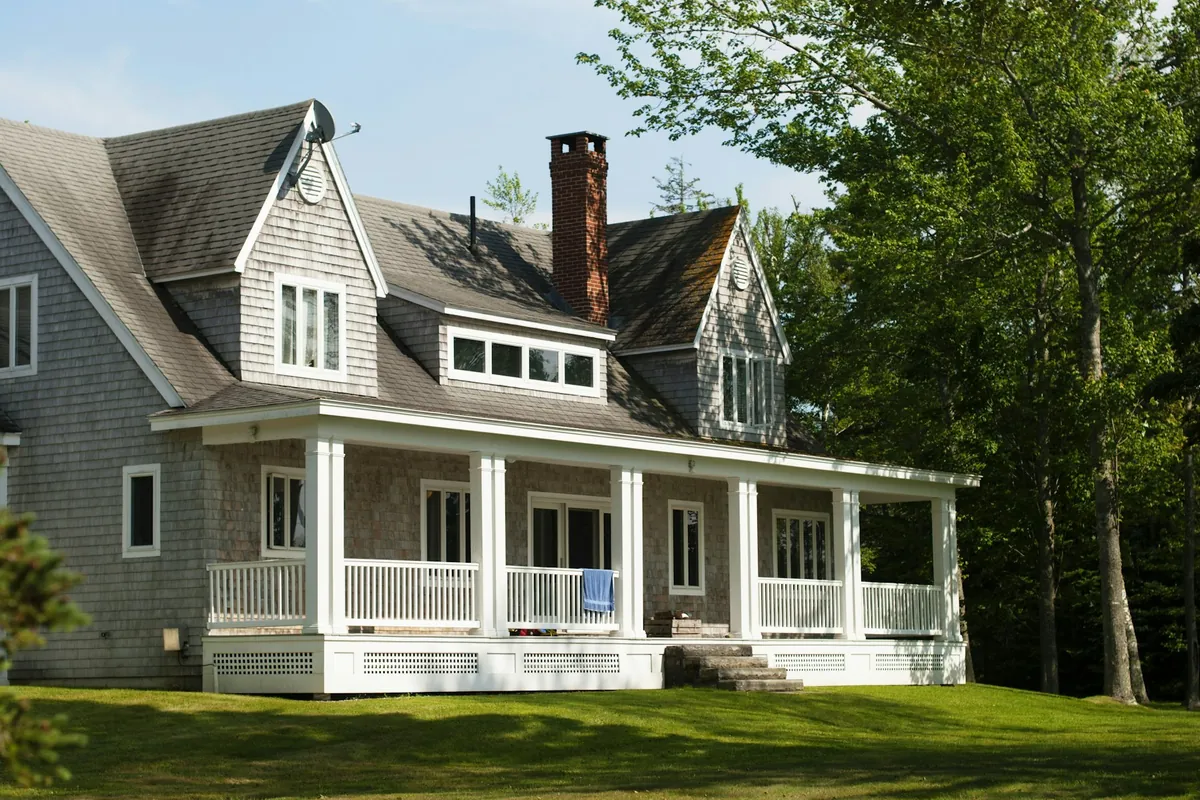
Woven shades sit naturally in the cottages and shingled capes near Mount Hope Bay and the Sakonnet. The natural textures suit the shingles, the light off the water and the relaxed feel of these houses. An open weave keeps the view; a privacy liner handles the rooms that face the road. In a sunroom there, woven wood shades and light from the water make a warm combination.
Victorians and three-deckers
In the Victorians in Fall River and Pawtucket, and in three-decker flats, a darker woven shade can warm up a tall window and sit well against old woodwork. Lined and mounted inside the frame, it keeps the trim on show.
Mid-century capes and ranches
In the capes and ranches across Somerset and Seekonk, a woven shade on the wide living room window adds texture to a plain room. With a liner, it works as well in the bedrooms.
Pairing with Drapes
A woven shade pairs well with side drapes. The shade handles the light and the texture; the panels add colour and softness at the sides and can be drawn at night for more privacy and warmth. A linen panel beside a natural weave is a classic combination.
On historic sash, such as on College Hill and Newport’s Point, a woven shade mounted inside the frame with drapes hung above it lets the deep trim show between the two.
Practical Points
Woven materials are natural, so they vary a little in colour and texture from strand to strand. That is part of their charm, and it means two shades from the same weave will not look identical. Keep woven wood shades away from steady moisture, such as directly over a shower. Dust them with a soft brush or a vacuum on low. Strong sun over many seasons can mellow the colour of a natural weave, which is another reason a liner earns its place on a bright window: it shields the weave from behind as well as softening the light.
They stack deeper than a roller shade when raised, because the weave folds up on itself. On a window with little space above the frame, we check the stack height and may suggest an outside mount so the shade clears the glass.
Comparing Weaves in Person
The best way to choose is to see woven wood shades in the light of a real window. The Swansea showroom has weaves and liners to compare side by side, and you can see how each one changes with light behind it. We also bring samples to your home when we come to measure.
Shades That Work with the Light
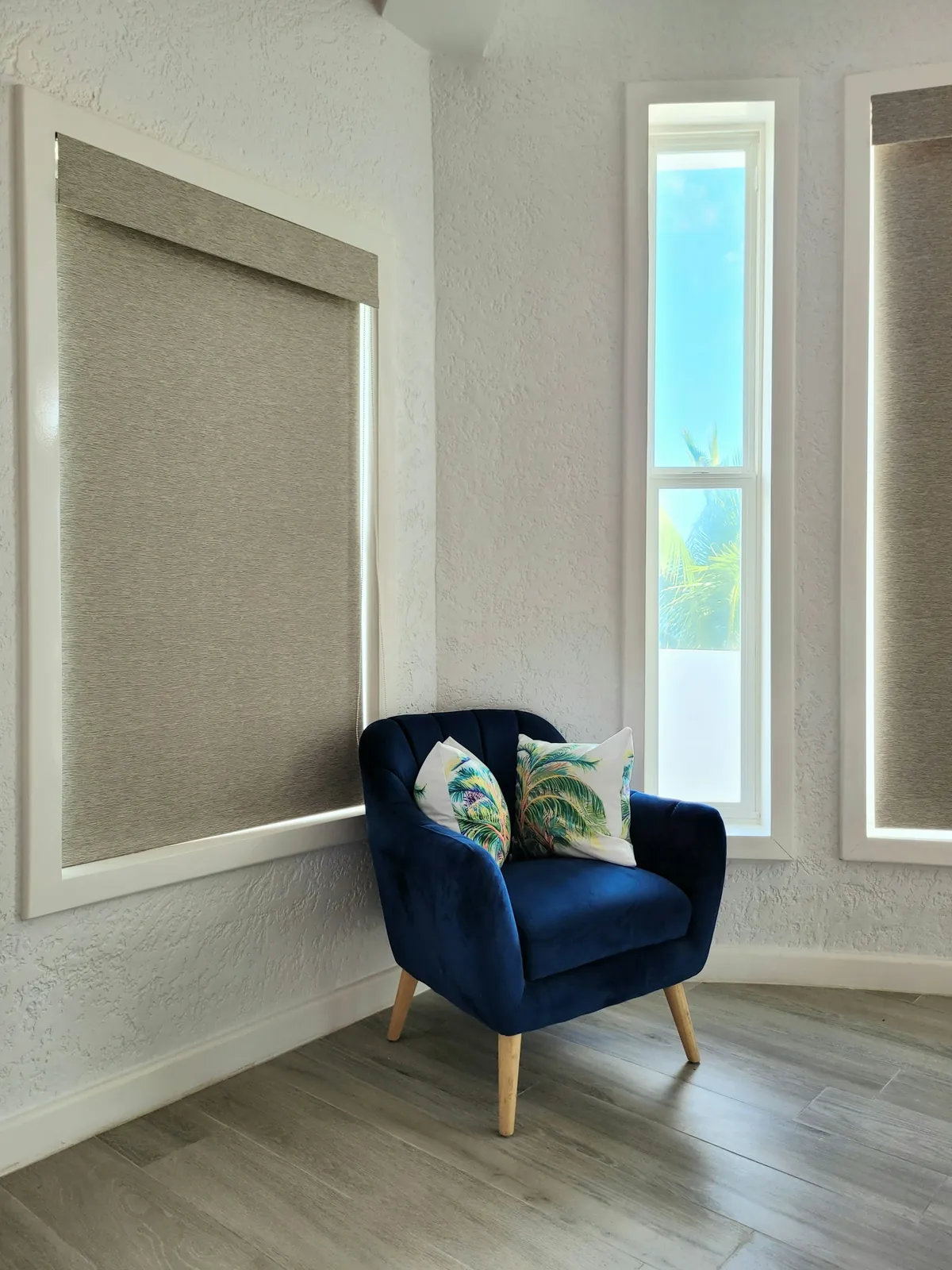
Woven wood shades
Natural weaves with or without a liner, made to each window.
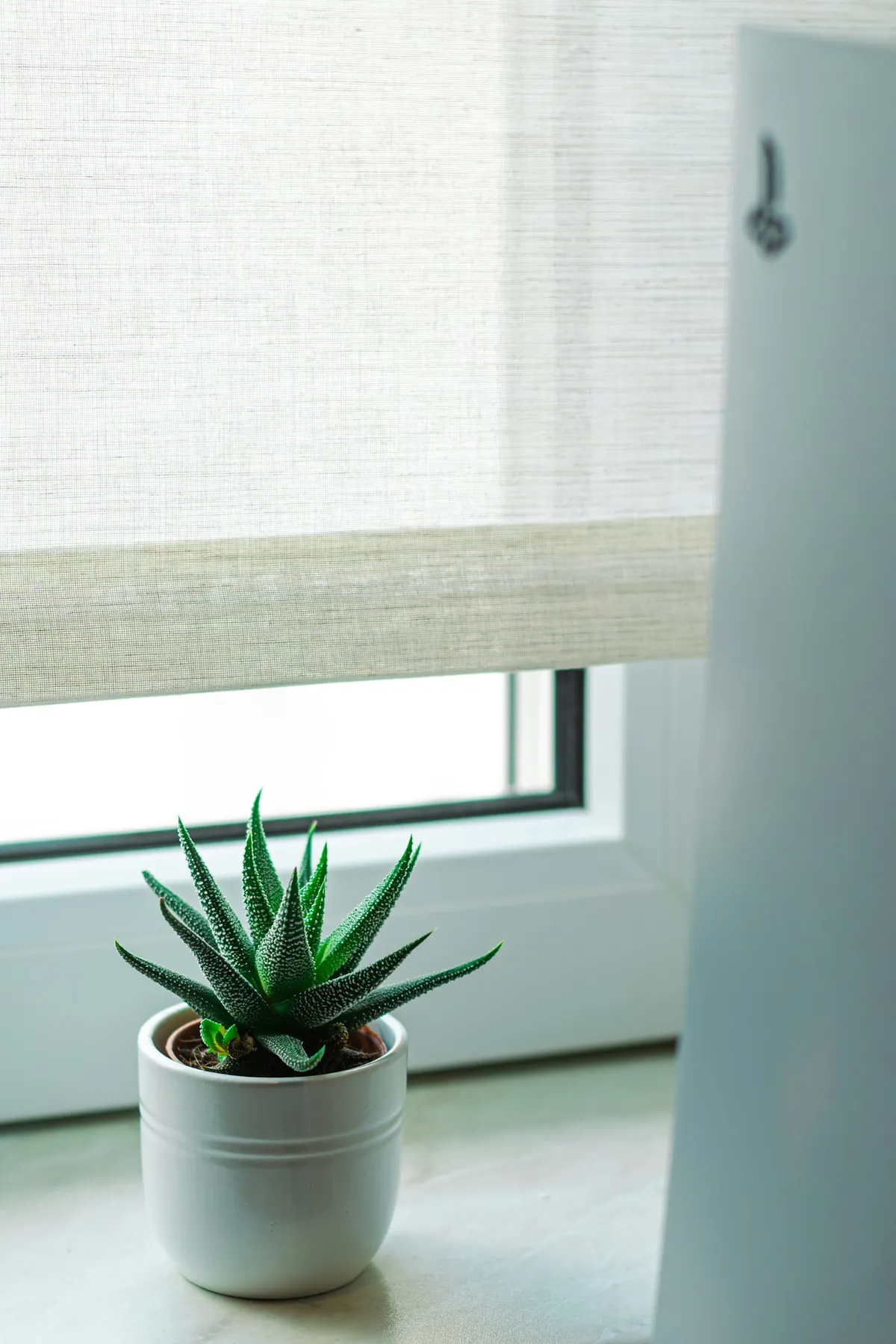
Roller shades
A smooth roll of fabric, from light filtering to solar screen.
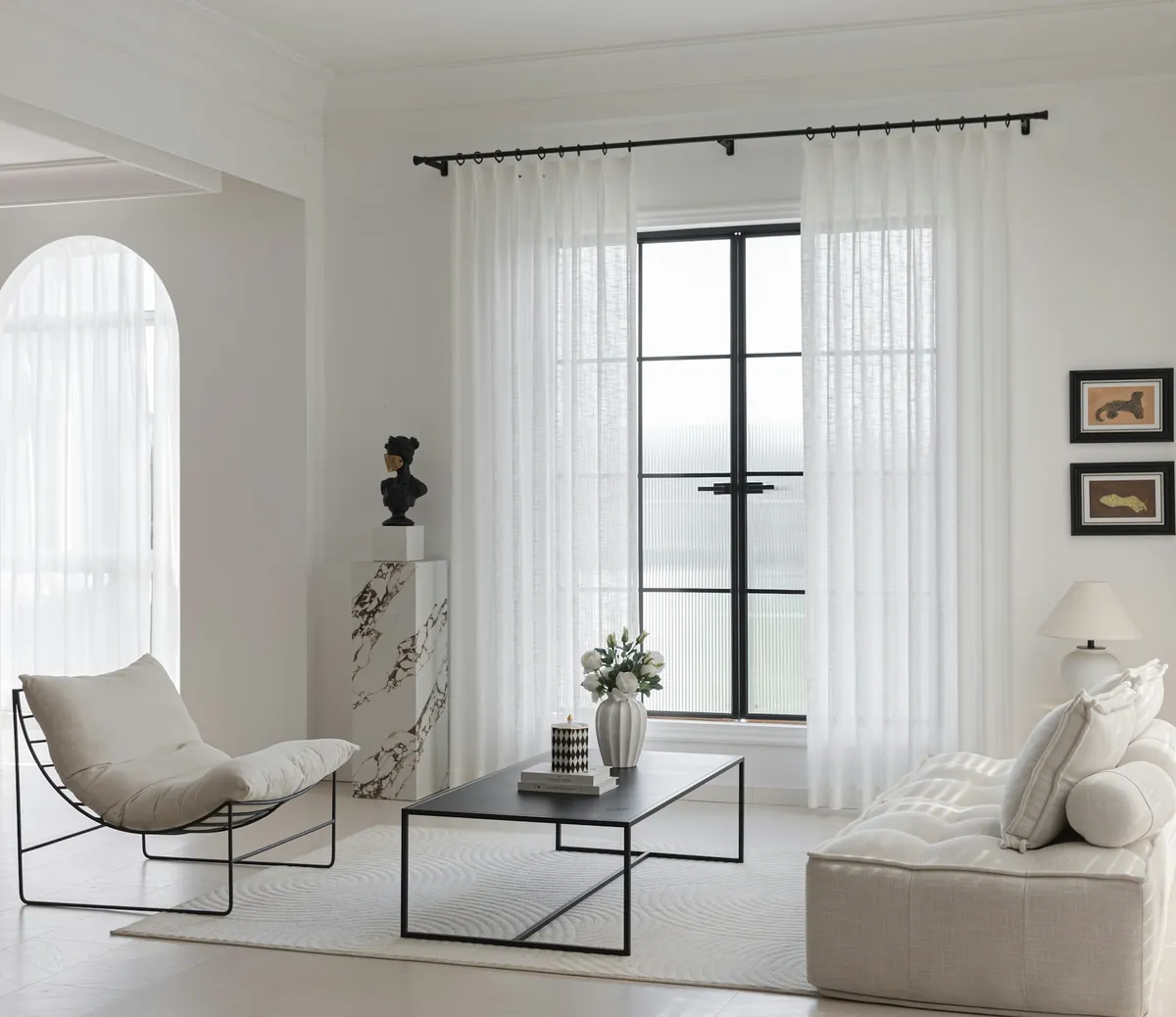
Custom drapes
Side panels to frame a woven shade and add warmth at night.
Woven Wood Shade Questions
Can people see in through a woven shade?
Without a liner, yes, especially at night. A privacy or room-darkening liner blocks the view in.
Will a woven shade darken a bedroom?
With a room-darkening liner, it blocks most of the light. Without one, it only filters it.
Does a liner hide the weave?
Not from inside. The weave still shows in the room; from the street, people see the liner.
How do I choose the right weave?
Think about woven wood shades and light together: an open weave for brightness and view, a tighter weave for shade. Hold samples at your window at the time of day you use the room.
Can I use a woven shade in a bathroom?
Away from direct moisture, yes. Directly over a shower, another treatment usually lasts better.
Book Your Free Quote
Use the call button to book a free quote, arrange measuring in your home or ask about installation. Or come into the Swansea showroom and see how each weave and liner looks with the light behind it.