
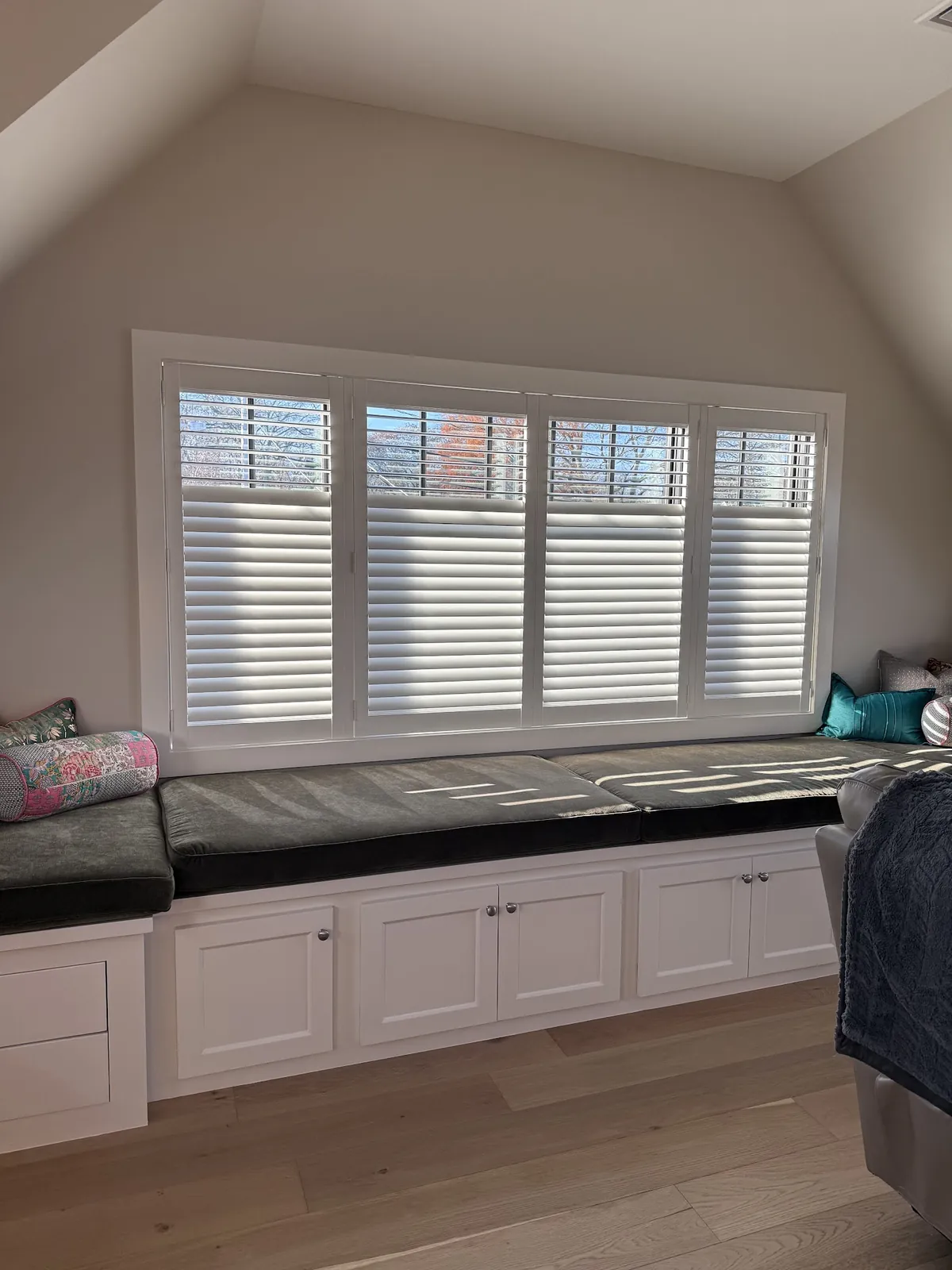
Why Somerset Windows Suit a Made Shutter
A plantation shutter is fixed to the window for good, so it has to fit that window and no other. That is the starting point for plantation shutters in Somerset, MA, where a short drive takes you from a slim colonial sash in Somerset Village to a ranch picture window off County Street and on to a sweep of glass facing the Taunton River.
The capes and ranches near Brayton Point and in Riverside date from the post-war decades. Their windows are regular enough, yet no two rooms share a size. Up in Somerset Village, the colonials hold on to the double-hung sash they were built with. On the river lots, renovations over the years often swapped solid walls for broad runs of glass. A single house can bring all three problems at once.
- Interior plantation shutters, made for the inside of the house
- Louvre size matched to the height and width of each opening
- Frame style chosen to fit the trim, the depth and the squareness of the window
Three Somerset Windows, Three Answers
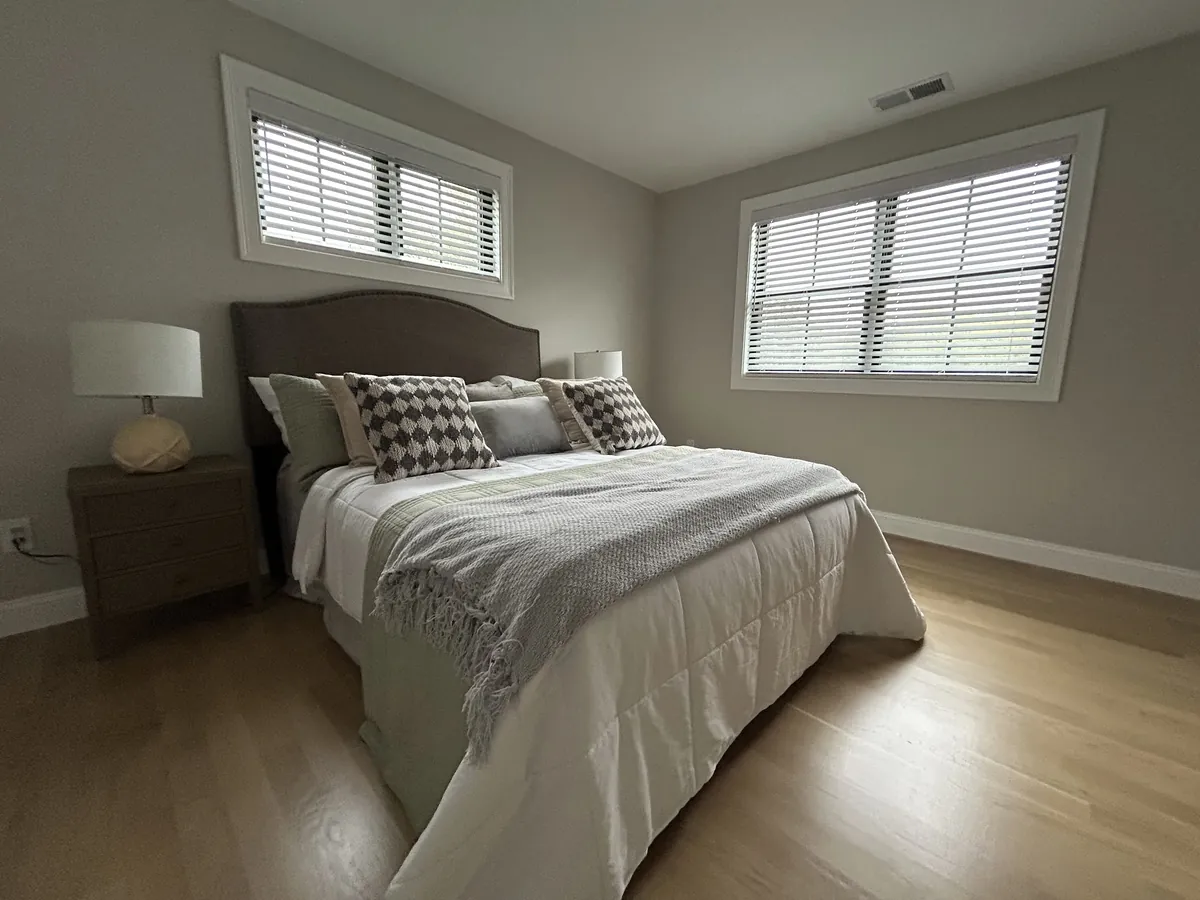
The village sash
Tall, slim colonial windows take a narrower louvre, so each panel carries enough slats to look balanced, set inside the frame to keep the old trim in view.
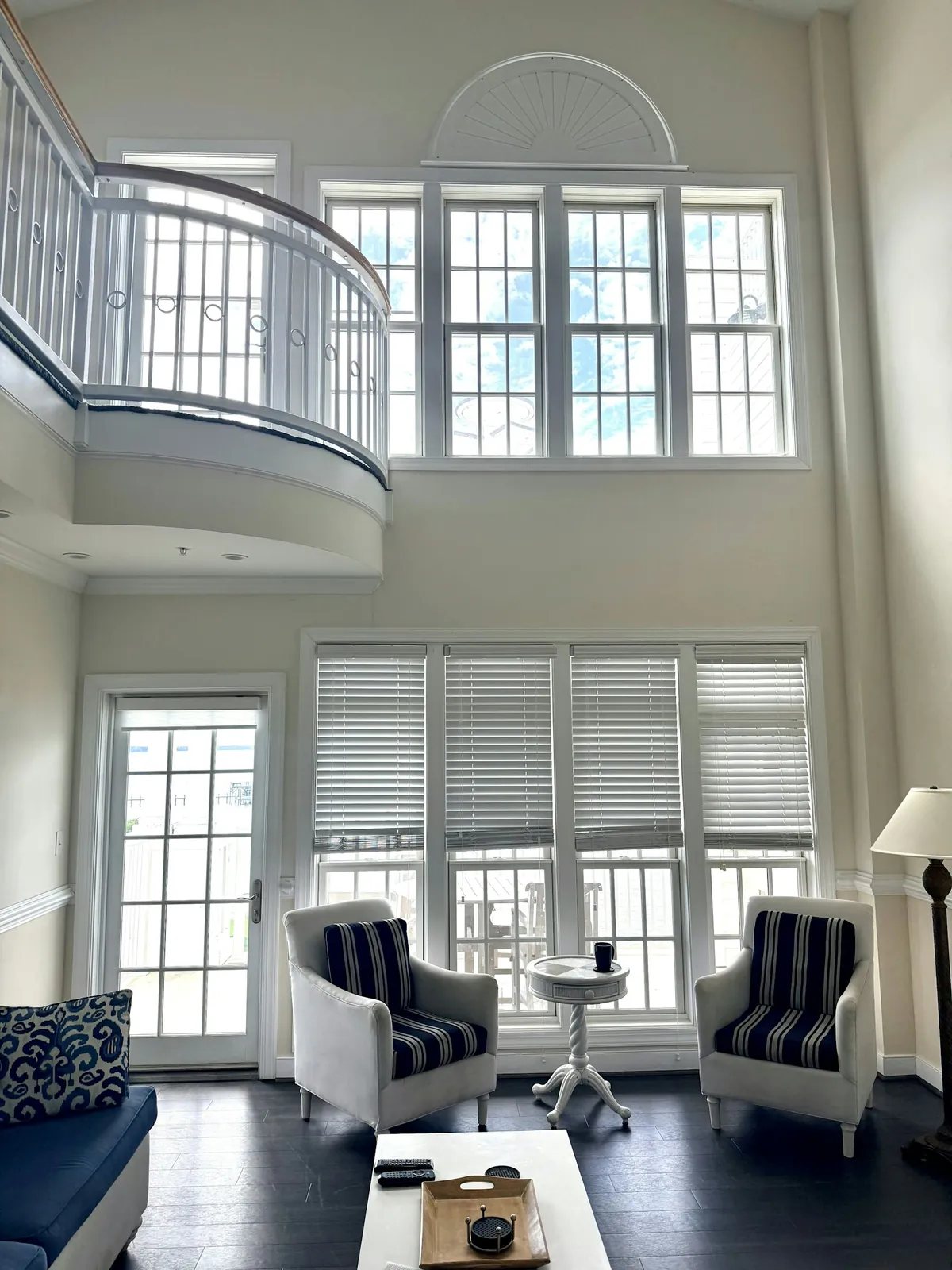
The river window wall
A run of panels hinged in folding pairs, so the whole wall can open clear when you want the water in sight and close in sections when the sun is low.
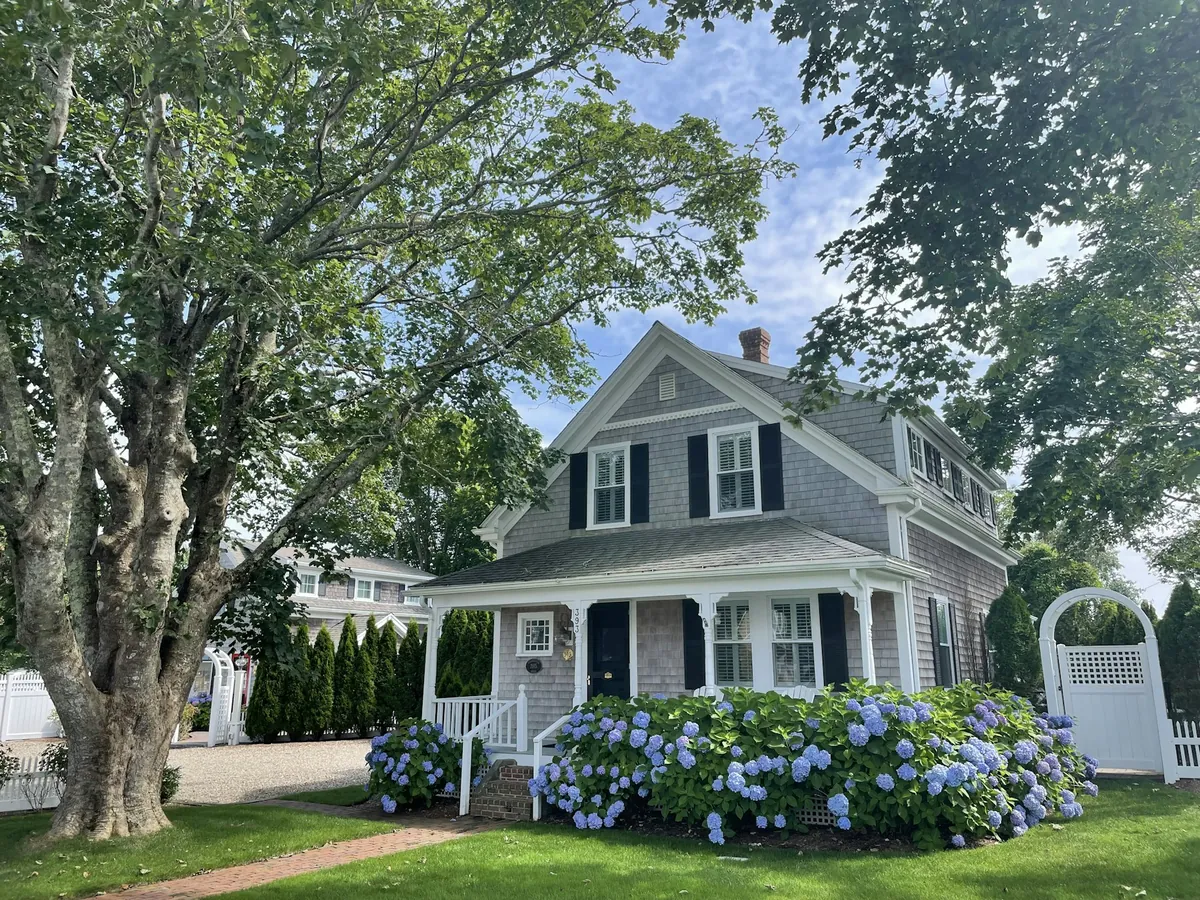
The post-war cape
Bedroom windows in matching sets for an even face to the street, and dormer windows upstairs where a shutter needs no space above the glass.
Plantation Shutters in Somerset, MA, Starting with the Louvre
The louvre is the slat that tilts. Its size decides how a shutter looks, how much daylight it lets through when open and how far it stands out from the window. When we measure for plantation shutters in Somerset, MA, the louvre is the first thing we settle for each room, because the right size depends so much on the window it goes in.
A wider louvre has fewer slats in the panel. Tilted flat, it opens up more of the glass, so the view out is broader and the room is brighter. It suits big windows, high ceilings and the open rooms of a river house. A narrower louvre puts more slats in the same height. It reads as more traditional and it keeps a small or slim window from looking crowded, which is why it so often suits the village sash.
There is a practical side as well. An open louvre reaches back toward the glass. On a casement with a crank, a lock that sticks out or a deep sill, the louvre has to clear all of them, and that can tip the choice one way or the other. We check each window rather than assume every room in the house matches. Our guide to plantation shutter louvre sizes goes into this in more depth.
Frame style and why it matters on older trim
The frame is the part fixed to the window, and the panels hang from it. Set inside the opening, the frame leaves the casing on show and the shutter looks built in, provided the opening has the depth to hold it and still let the louvres turn.
Fixed outside the opening instead, on the wall or over the casing, the frame covers a reveal that is too shallow, hides trim that has seen better days and can make a small window look larger. Frames also come in different profiles, from a plain flat edge that suits a ranch to a moulded edge that sits better against traditional casing.
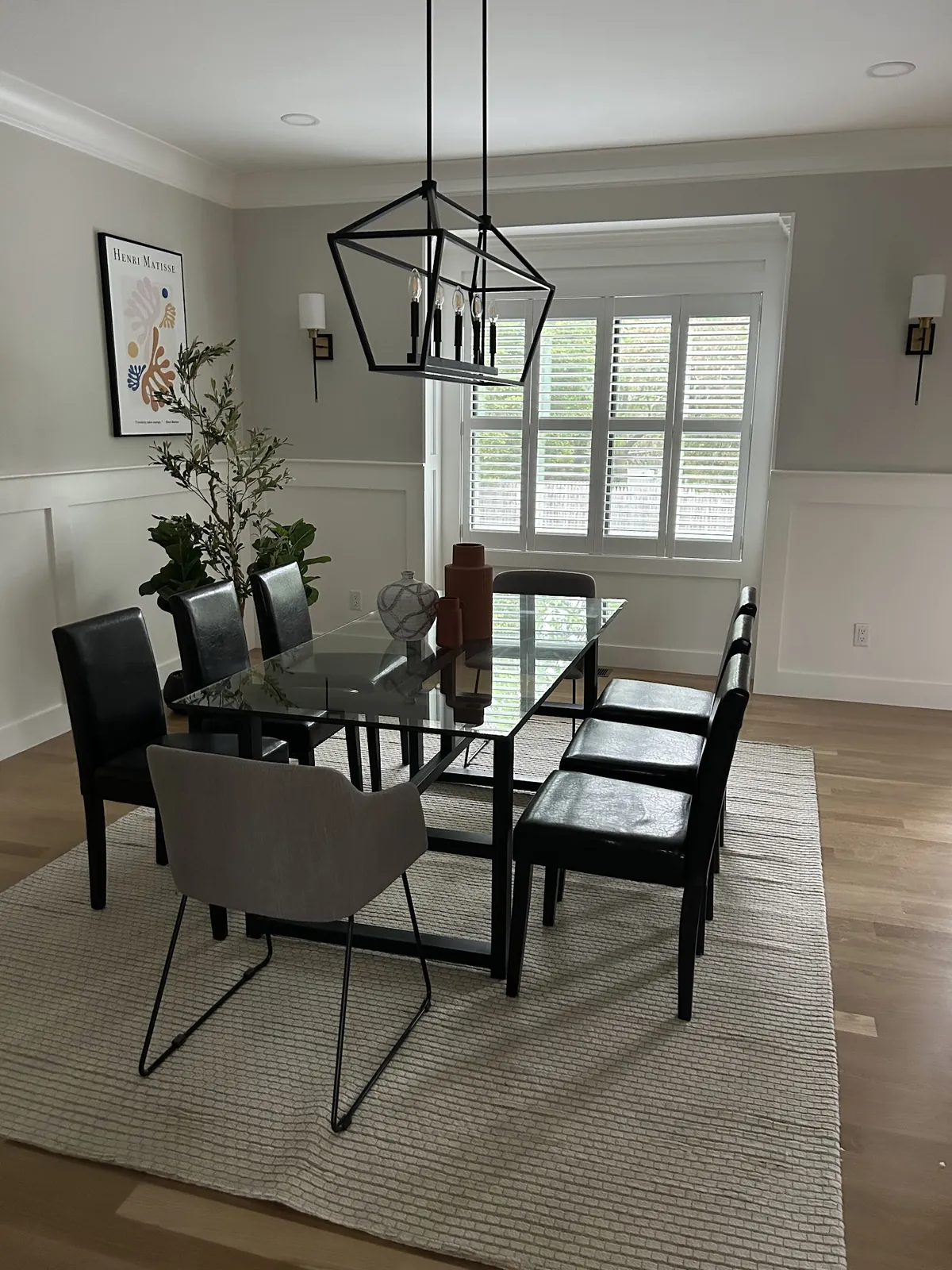
Slim Sash in Somerset Village
Village colonials kept the slim double-hung windows they started out with, and those windows are a big part of why the houses look the way they do. The casing is often deep and carefully detailed, and burying it behind an outside frame would be a waste. Where the reveal allows, the frame goes inside, and the shutter sits within the casing like a piece of the original joinery.
Old windows are rarely perfectly square, though. A frame that has settled over the years can be slightly out from top to bottom or side to side. The shutter frame is what absorbs that difference, so the panels still hang true and meet without a gap. That is one of the main reasons the measuring happens at the window itself, in your home, rather than from a quick note of the width and height.
On a tall, slim sash, a narrow louvre usually looks right. It keeps the slat count up in a narrow panel, so the shutter has a fine, even pattern rather than a few heavy bars. Many village windows suit a single panel or a pair. Where privacy matters at street level, a rail across the middle of the panel can let the top louvres open to the sky while the lower ones stay shut, which we can talk through on the visit.
Post-War Houses off County Street
Away from the village, the capes and ranches near Brayton Point, in Riverside and along the side roads off County Street are simpler to measure, but almost every one mixes sizes. Expect a broad front window in the living room, a row of ordinary bedroom windows, a little window above the sink and, in a cape, dormers tucked under the roof upstairs.
Living room picture windows
A broad front window takes several panels across its width. Hinged in pairs, they fold back to the sides so the whole window opens up on a bright day, and close as one surface in the evening. Where the window has a centre post, the panels can be split to fall either side of it, so the post does not end up hidden behind a panel that will not open.
Bedrooms and the face to the street
Bedrooms are where shutters earn their place. With the louvres closed the room is private and dim, and in the morning the panels swing back to let the full daylight in. In a ranch or cape, the bedroom windows usually look onto the street alongside the living room, so we suggest one louvre size and one finish across the front of the house. From outside, the windows read as a matched set.
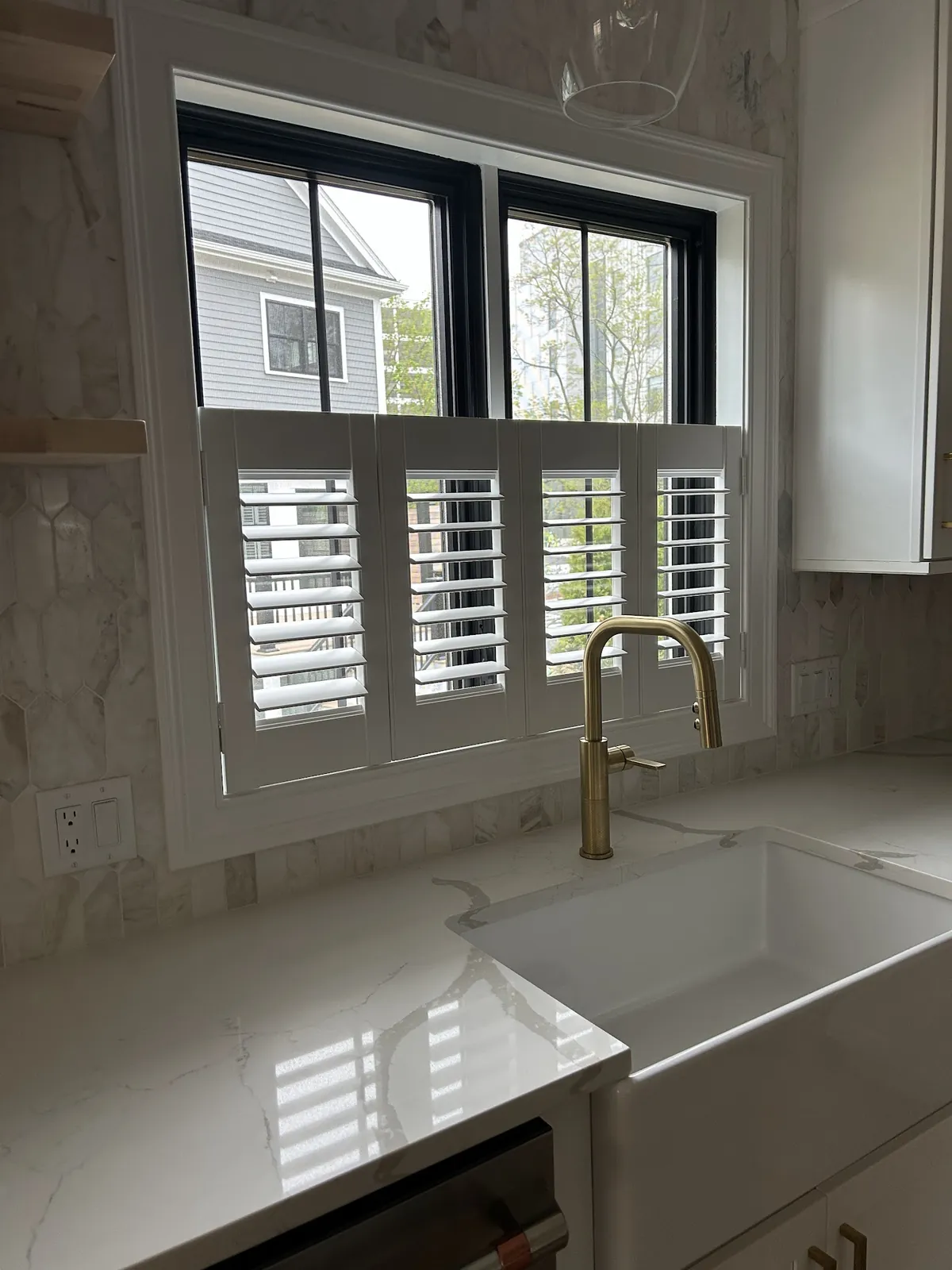
Kitchen windows and dormers
Above a kitchen sink, a cafe-style shutter covers only the bottom half of the window. You get privacy at the counter while the upper glass stays open to the light. Upstairs in a cape, a dormer sits in a small recess with the roof close above it. A shutter needs no room above the glass for a stack or a headrail, so it can use the whole of that small window, and a narrower louvre keeps short panels in proportion.
Glass Walls on the River Lots
Facing the Taunton River, many houses now have main rooms glazed from side to side, the result of renovations aimed squarely at the water. Bare glass on that scale is common, since nothing sold off a shelf comes close to fitting it, and it is where the panel layout matters most.
On a wall made of separate windows, each window can take its own shutter, with the frames lined up so the louvres run level across the whole wall. On a broad single opening, the panels are hinged so they fold back in sections, and a wider louvre keeps the river in view when they are tilted open. In the late afternoon, the louvres angle down to cut glare off the water while the lower view stays clear.
Shutter panels swing into the room, so we look at what sits in front of the wall, such as a sofa, a radiator or a window seat, before deciding how the panels open. Sliding doors to a deck are a different case: a shutter has to move right out of the path of the door, and often a vertical blind for a Somerset slider is the more practical answer. We will tell you which we think works better.
Rooms Worth Shuttering First
You do not have to do the whole house at once, and in Somerset houses a few rooms tend to gain the most.
The front bedroom of a ranch. It sits close to the road, it often catches early light and it needs to be dark at night. A shutter with the louvres shut handles both, and it looks tidy from outside.
The colonial stair window. A landing window is seen from two floors and from the street, and it is often an odd size. A made shutter fills it properly, and its painted face can match the stair trim.
The room over the water. On a river house, the main room takes the strongest light of the day. Louvres that tilt let you choose between glare control and view hour by hour, without pulling anything up or down.
A converted bedroom used as an office. Tilting the louvres up sends daylight to the ceiling instead of onto a screen.
Later rooms can be matched to the first ones, using the same louvre size and finish.

What We Look at Beside Each Window
A good fit for plantation shutters in Somerset, MA depends as much on what surrounds the window as on the glass. A shutter is a set of hinged panels, and those panels need somewhere to go when they open. So on the measuring visit we look past the opening itself.
- The wall either side. A light switch, a thermostat or a door frame close to the window can stop a panel swinging fully back. Splitting the width into narrower panels often solves it.
- What sits below. Radiators under the village sash, a sofa pushed against a ranch picture window or a built-in seat on a river room all change how far a panel can open and where its handle should be.
- The casing. Deep colonial trim may be worth keeping on show; plain post-war trim may be easier to cover with an outside frame.
- The sill. A wide sill can carry the bottom of an inside frame; a narrow one may not.
- Old curtain hardware. Brackets and rods left from earlier treatments often need to come down before a frame can sit flat.
None of this needs any preparation from you. It is simply why we would rather see the windows than work from a list of sizes. If you already know which rooms come first, have a think about how each one is used through the day, because that shapes the louvre size and the way the panels open more than anything on a tape measure.
How a Somerset Shutter Order Runs
Every step goes through the same Swansea store, and we keep you posted from the first question to the last adjustment.
- Ring the store or fill in the form with the rooms you want covered, and we set up your free quote.
- A specialist visits and measures every window: width, height, depth, squareness, sills, cranks and locks.
- You settle the louvre size, frame style, finish and panel layout for each room, talking it through at home or trying the panels in the showroom.
- Your quote arrives with each window priced line by line.
- The shutters are built to the sizes we took at your windows.
- Our installers hang them, adjust each panel until it swings and meets cleanly, and walk you through how they open and tilt.
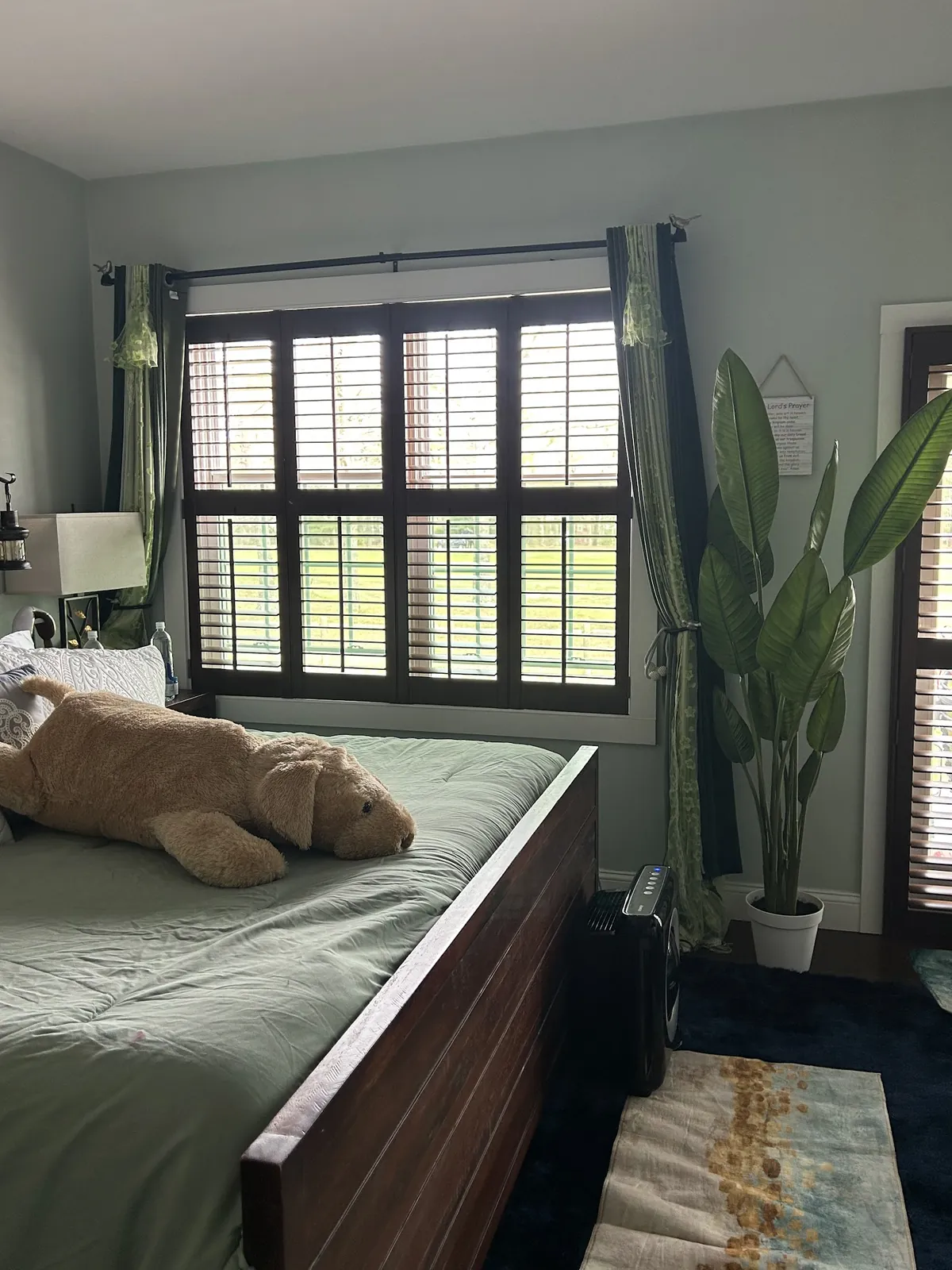
Paint or Wood Finish
Most shutters are painted, and a white or soft white is the usual choice because it sits with window trim and keeps a room bright. In the village colonials, a painted shutter that matches the casing can look as if it has always been there. A wood finish that shows the grain suits a study, a formal dining room or a bedroom with wood floors and doors, and it can be paired with side drapes for colour and softness. Window Works makes drapes as well, so both can be measured in one trip; see our custom drapes in Somerset page.
Where shutters run through several rooms, keeping one finish on every street-facing window usually looks best. Inside, a room can still take a different finish if it suits the furniture.
Looking After Shutters
Shutters ask for very little. Close the louvres and dust down the panel with a microfibre cloth or a vacuum brush, then tilt them the other way and go over it again. A barely damp cloth lifts marks from a painted shutter, and a dry one suits a wood finish. If a panel drops or a louvre loosens after some years, mention it when you get in touch and we will say what can be done.
Window Works, Over the River in Swansea
Window Works is a family store, founded in Swansea in 1988 and now run by the second generation. For over 37 years it has fitted window treatments around the SouthCoast and over the state line into the East Bay of Rhode Island, Somerset included.
- Experienced window treatment specialists who do this every day
- Every window measured where it is, in your home
- Fitted by Window Works installers
- Kept up to date by us from the first call to the final adjustment
- Warranties available on what we sell
The showroom keeps shutters on display to open, shut and tilt, with Norman shutters among them, so you can compare louvre sizes and finishes before you order.
You can see every shutter we make on the main plantation shutters page, and everything we do in town on our Somerset window treatments page.
Questions from Somerset
Do you make outdoor shutters for Somerset houses?
No. Ours are interior plantation shutters, fitted inside the house to the window frame or the wall around it.
Will a shutter suit the slim sash in a village colonial?
It will. We measure the depth of each opening. If there is room, the frame sits inside and the old casing stays visible; if not, an outside frame is sized to the trim.
Which louvre size suits a wide river window?
A wider louvre usually suits a big window, because tilted open it shows more of the view. We confirm it on site, checking that the louvres clear any handles or locks.
Can shutters go on a sliding door to the deck?
Sometimes, if the panels can fold or slide fully clear of the door. Often a vertical blind is more practical on a slider, and we will say which we would choose.
How do I book plantation shutters in Somerset, MA?
Begin with a free quote. Press the call button or fill in the form with the rooms you are thinking of, and we will set a time to measure at your house.
Your Next Step
The quickest way to start is a free quote. The call button puts you through to the Swansea store, where you can book measuring at your house or ask about fitting; the form works just as well if you would rather write. To try the panels in person, the showroom is just over the river, and directions are on the contact page. Google reviewers rate Window Works 5.0.