
Built Around the View
In Westport, the water decides a great deal. Coastal exposure and salt air shape how a house is built and how it is lived in, and the harbour-facing rooms in particular are arranged around what is outside the glass rather than the walls inside. Any plan for plantation shutters in Westport, MA has to respect that: a shutter in those rooms must open the view completely when you want it and manage hard light off the water when you do not.
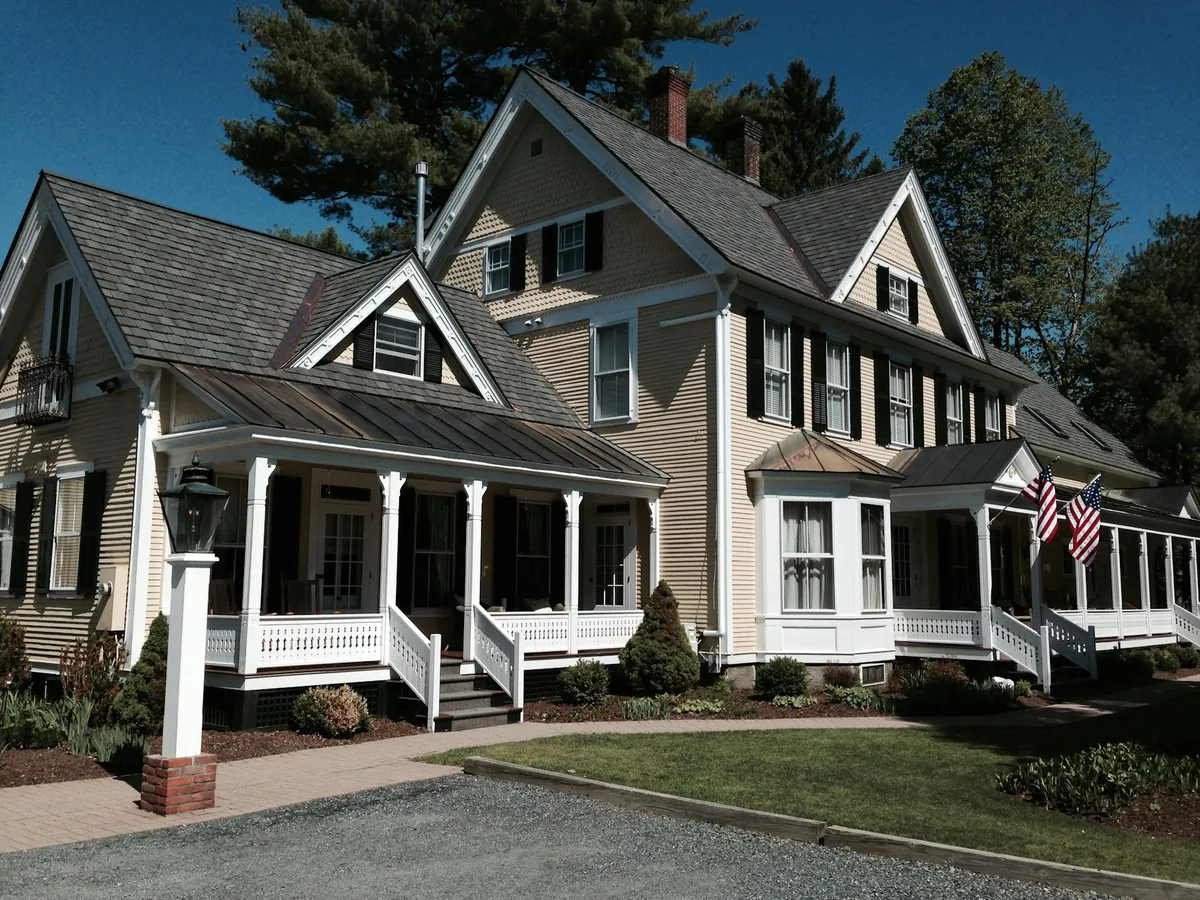
Along Main Road, the shingled capes and farmhouses have more modest windows, steep roofs and often dormers upstairs. Toward Horseneck and the Westport River, the larger, newer houses bring wide runs of glass, tall living rooms and bedrooms that look straight out to the water. Both kinds of house can take shutters well, but they are planned in very different ways.
- Interior plantation shutters only, fitted inside the house away from the weather
- Louvre size chosen for how much view you want when they are open
- Frame style planned so the panels fold right out of the line of sight
Westport Rooms, Westport Answers
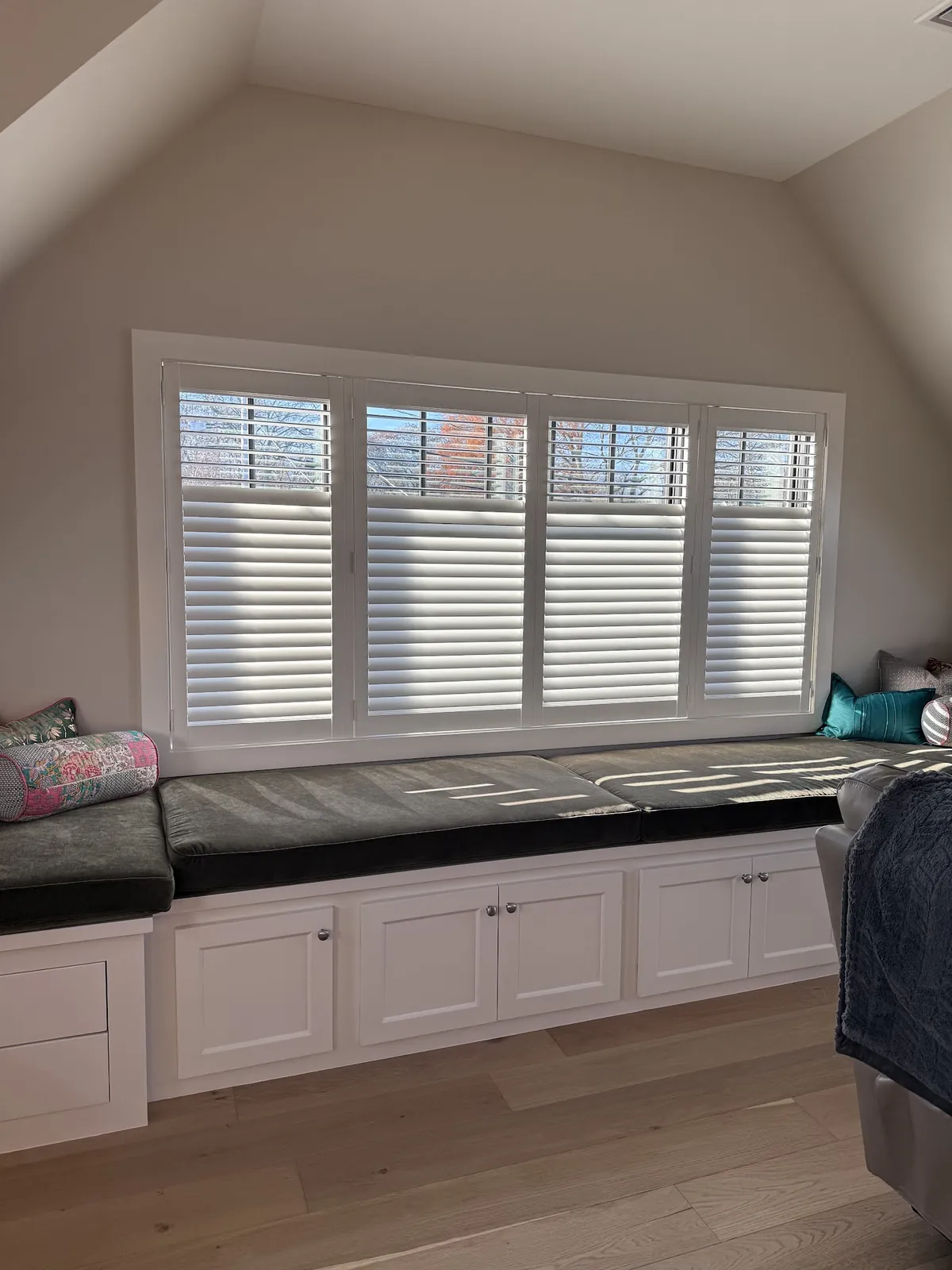
The harbour room
Wide panels that fold back to the sides of the glass and a broad louvre that, tilted flat, leaves the water in full view.
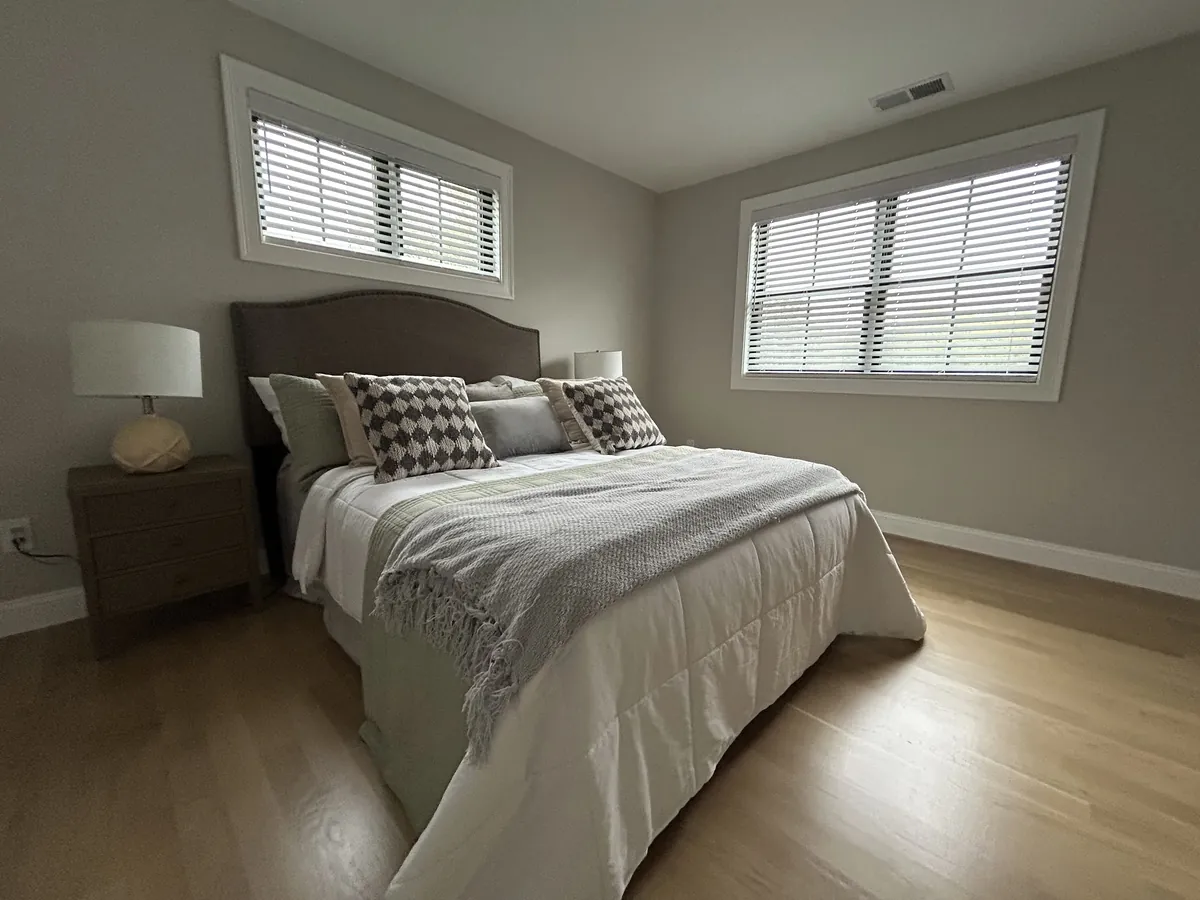
Under a cape roof
Small dormer and gable windows upstairs, filled edge to edge with a shutter that needs no headroom above the glass.
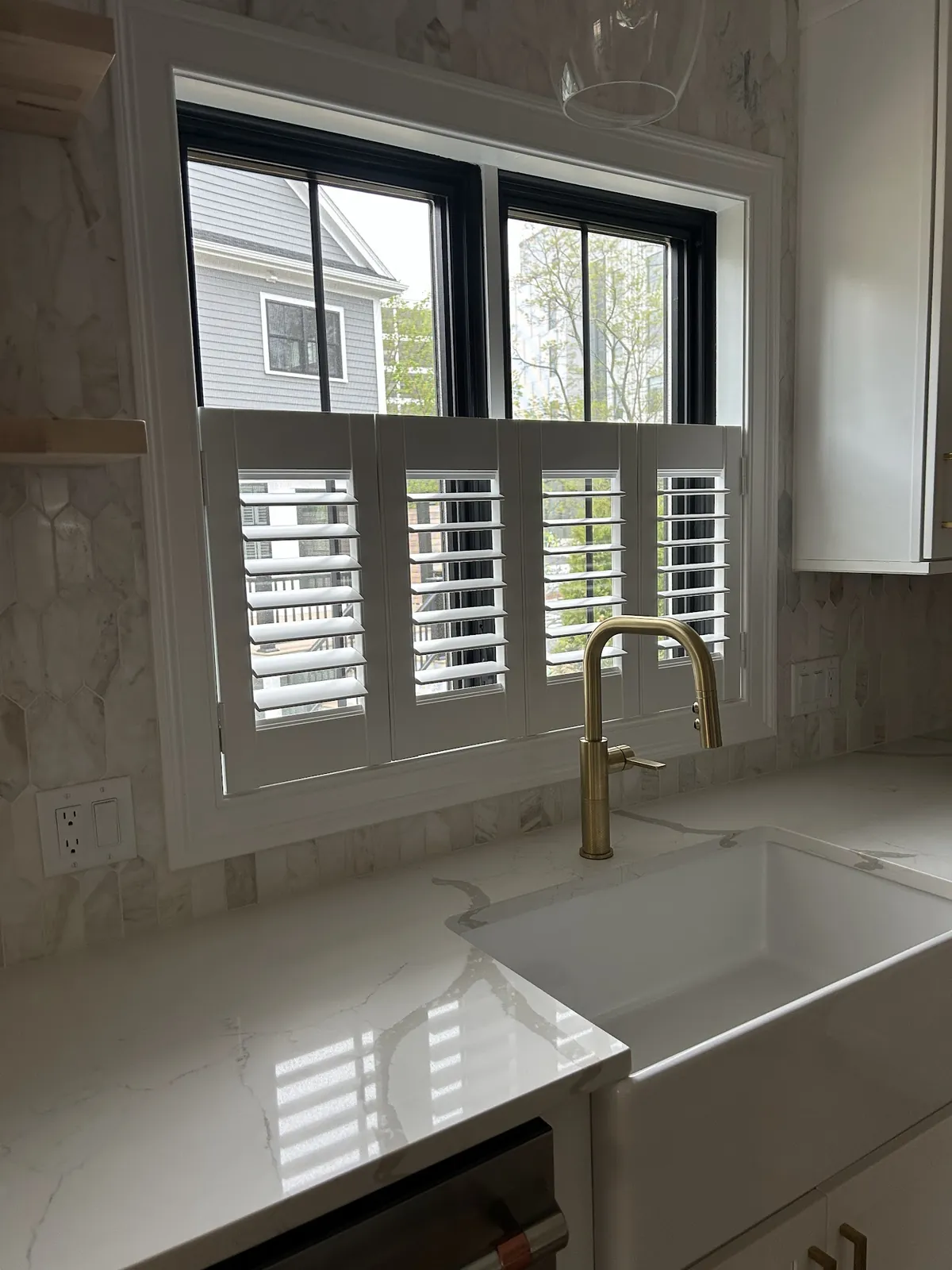
The farmhouse kitchen
Panels across the lower sash at the sink, with the upper glass left clear for the light coming off the fields.
Plantation Shutters in Westport, MA When the View Comes First
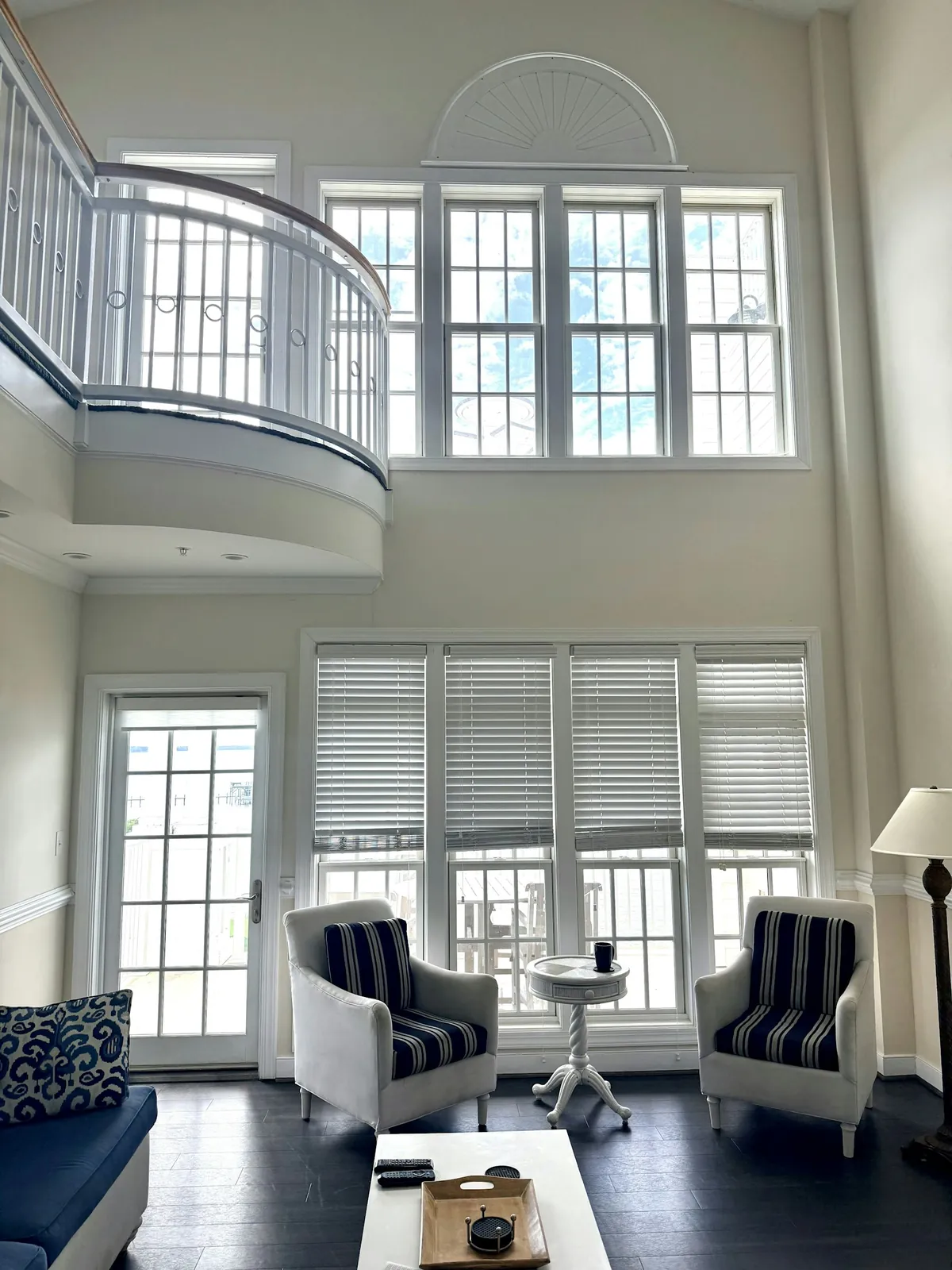
A harbour-facing room is the hardest room in town to dress, because almost anything you put at the window gets in the way of the reason the room exists. Plantation shutters in Westport, MA work in these rooms because they can be made to almost vanish when open. Folded fully back, the panels sit against the wall at each side of the window, and the glass is clear.
Getting that right is mainly about the panel layout. On a broad window, the width is divided into panels hinged together in pairs or threes, which fold back like a concertina into a narrow stack at each side. We measure how much wall there is beside the window, because the folded stack needs somewhere to rest that does not cover part of the glass. Where the wall is short, an outside frame can be set a little wider than the opening so the folded panels lie clear of the view.
The louvre size matters too. A wider louvre means fewer slats across each panel. When the louvres are tilted flat, there is more open space between them, and the view through a closed panel is far less broken up. In a room built for the water, that is usually the deciding factor. Our plantation shutter louvre sizes guide covers the trade-offs in more detail.
Glare off the water
Sun reflected off the water can be harder to live with than direct sun, because it comes in low and from below as well as from the sky. Louvres handle it in a way a roll-down shade cannot. Tilt them so the slats angle downward toward the outside, and the bright sky and the dazzle off the surface are blocked while you can still see the far shore beneath them. Tilt them the other way and light bounces up to the ceiling instead of into your eyes. On the brightest afternoons, close them and open them again when the sun has moved on.
Salt Air and an Interior Shutter
We make interior shutters only, so the shutter itself lives inside the house, not out in the weather. Even so, the salt in the air finds its way inside near the coast. It settles as a fine film on glass, sills and anything close to the window, especially in rooms where the windows stand open through the summer.
Shutters cope with that better than fabric does, simply because they are easy to clean. A painted panel can be wiped down with a lightly damp cloth, louvre by louvre, and the film comes away. There is no fabric to hold the salt, and nothing to take down and send out. It is easy to give the shutters a wipe at the same time as the windows.
Which material suits a room right on the water is something we will talk through at the measuring visit. Our page on coastal window treatments has more on choosing for houses close to salt water.
Capes and Farmhouses along Main Road
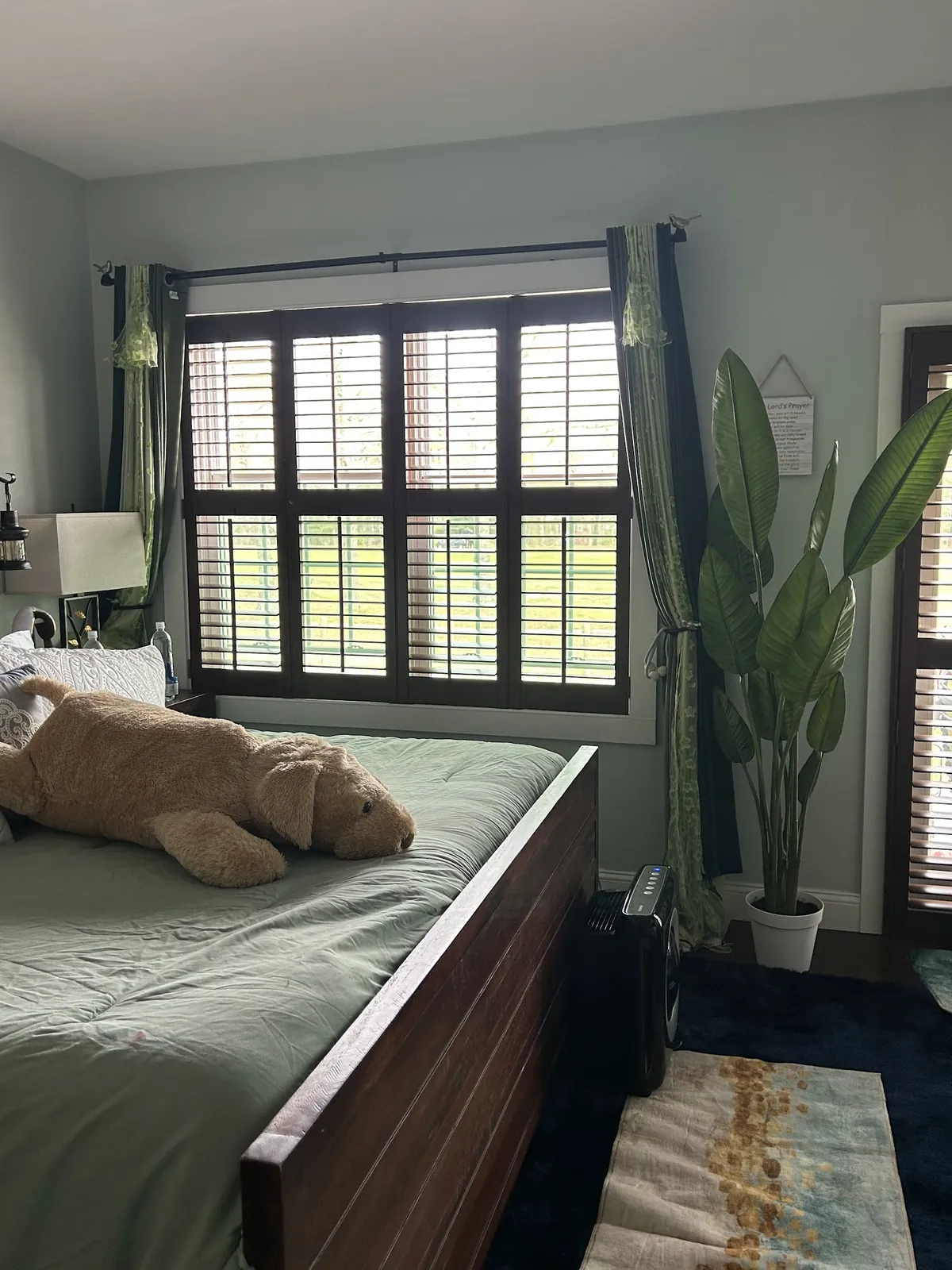
The shingled capes and farmhouses along Main Road are older and more modest than the newer houses near the water, with smaller windows, lower ceilings in places and a lot of character in the trim and the floors.
In a cape, the main rooms downstairs usually have double-hung windows of a fairly standard size, and the bedrooms upstairs sit under the roof with dormers or small gable windows. Those upstairs windows are a natural fit for a shutter. There is often little room above the glass for a headrail and nowhere for a blind to stack, but a shutter needs neither. Its frame fills the opening, and a narrower louvre keeps short panels in proportion.
Farmhouses tend to have taller sash and deeper walls. Where the window sits back in the wall, the frame can go inside the opening, leaving the old casing on show. In a room with wide-board floors and stained doors, a wood finish on the shutter can tie the window to the rest of the room.
The Larger Houses toward Horseneck and the River
The newer houses toward Horseneck and the Westport River tend to be bigger, with taller ceilings, wider windows and rooms open to each other. A living room may have a run of windows across one wall and more above them; a main bedroom may face the water across its full width.
These rooms suit a wider louvre and a clean, simple frame. Each window in a run takes its own shutter, made so the frames line up and the louvres run level along the whole wall. Upper windows above a main run can take shutters too, which are often left open for light and closed only when the sun is low. Where a run of windows meets a corner, the frames are made to meet neatly so the corner looks finished.
Bedrooms facing the water have a particular need: they get the first light of the day, often reflected off the river. A shutter with the louvres closed keeps the room much darker in the early morning, and folds back fully once you are up. Making the panels close tightly to the frame matters most in these rooms.
Open plans bring one more thing to think about. Where the living room, dining area and kitchen share one long wall of glass toward the river, the shutters across that wall are seen together from every part of the room. Keeping one louvre size, one frame edge and one finish along the whole run makes the space feel calm, even if the windows themselves are of different widths.
How the Light Changes Through the Year
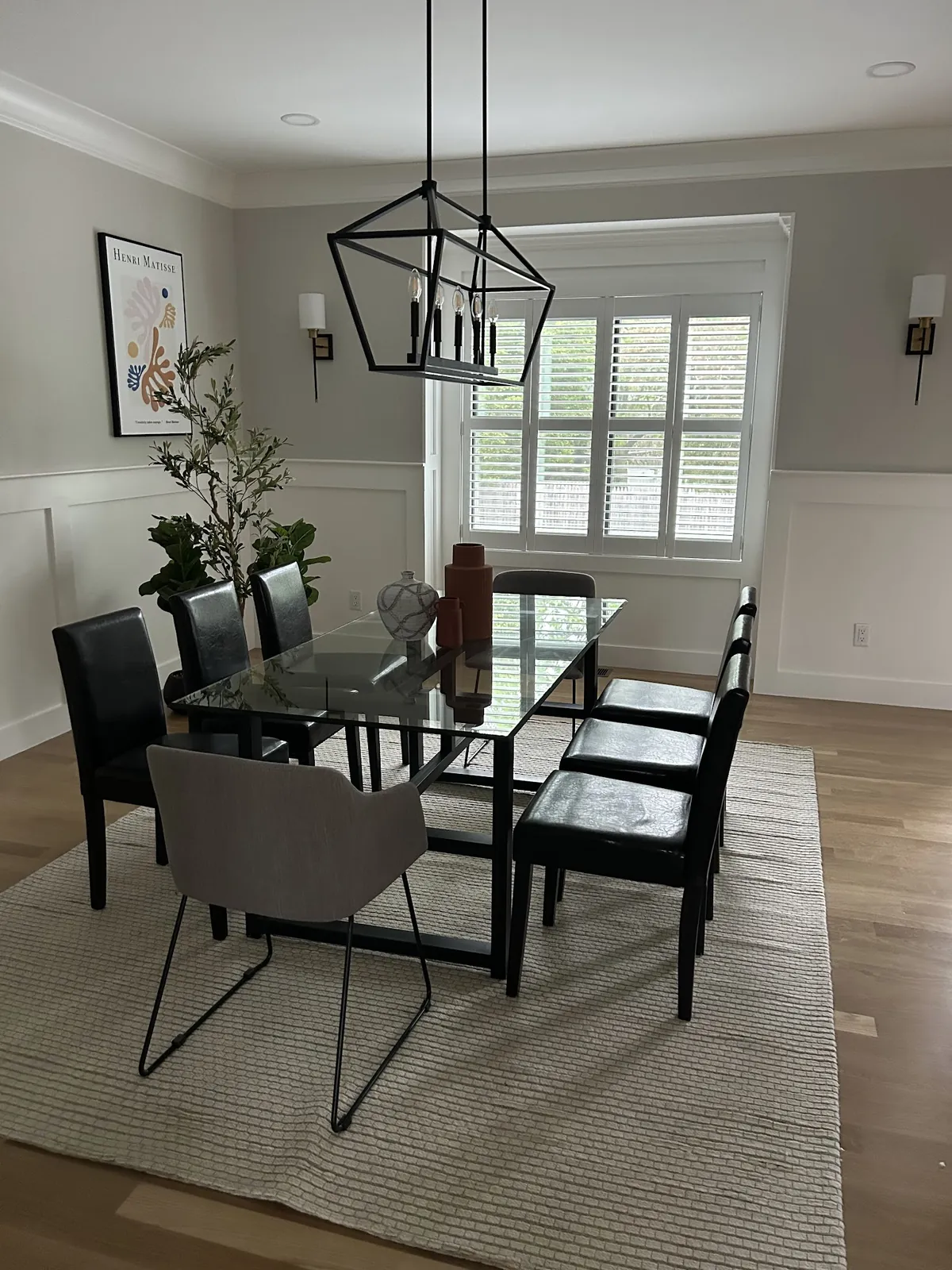
A room that faces open water gets a different light in every season, and that is one of the quieter reasons plantation shutters in Westport, MA suit coastal houses. In summer the sun rides high, and the strongest light lands on the water and the deck rather than deep inside the room. The trouble then is the reflection off the surface, which comes in low and bright. Louvres angled down handle it while the panels stay closed and the room stays cool and shaded.
In winter the sun stays low all day. It reaches far into a water-facing room, across the floor and the furniture, and on a clear day it can be dazzling for hours rather than minutes. That same low sun is welcome warmth on a cold afternoon, so many households fold the panels back to let it in, then close them as the light goes to keep the room snug in the evening.
Spring and autumn sit between the two, and the shutter simply follows. Nothing is swapped out or taken down between seasons; you only change the angle of the louvres or how far the panels are folded. Over a year, that small daily control is a large part of why shutters earn their place in a house by the water.
In the capes and farmhouses inland along Main Road, the seasonal swing is gentler, but the same principle holds. A south-facing kitchen or sitting room can take a lot of low winter sun, and louvres let you have the warmth without the glare on the table.
Inside or Outside the Opening
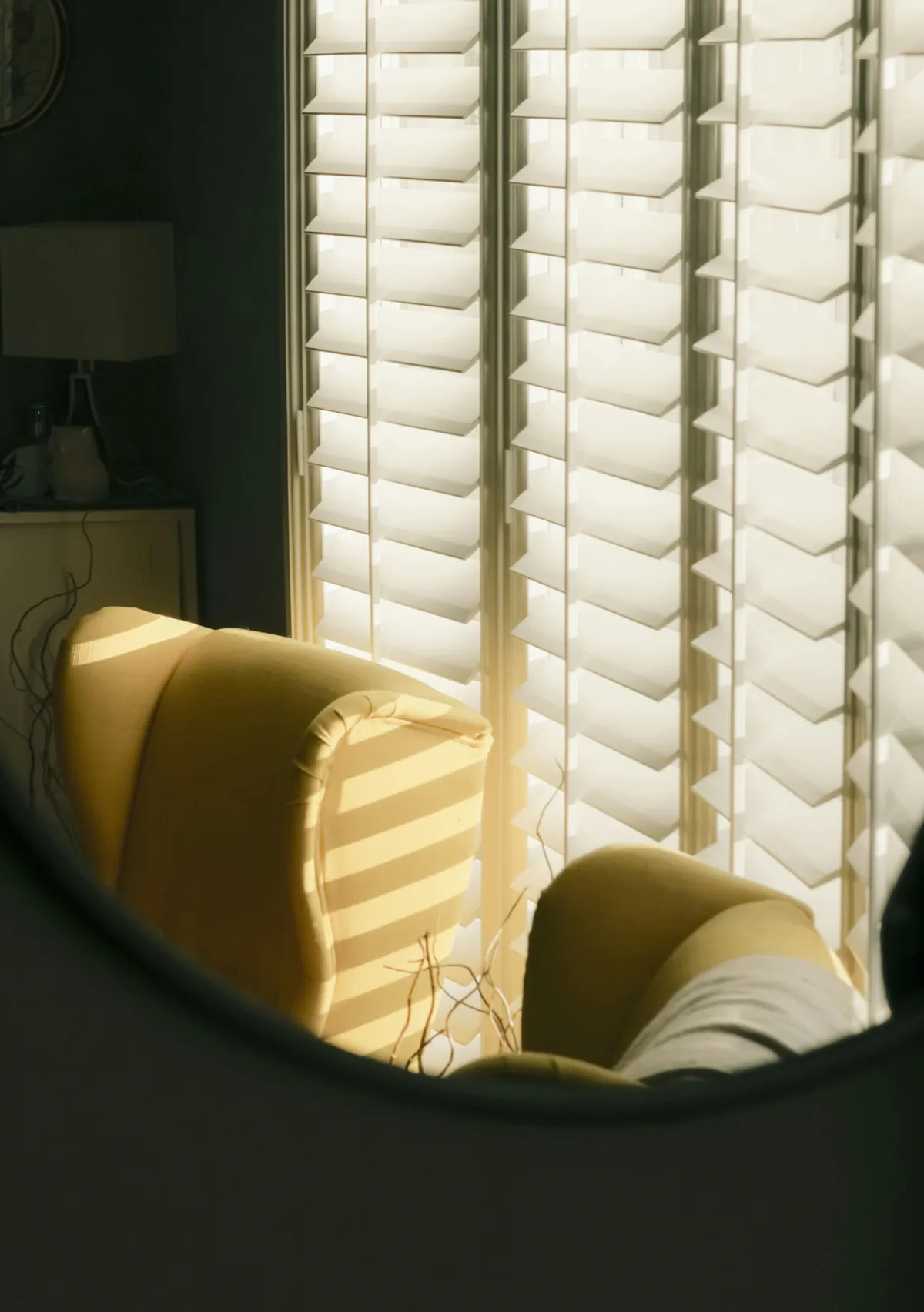
How the frame is fixed is the second big decision after the louvre size, and in Westport houses it often comes down to the view.
Set inside the opening, the frame sits within the window recess. The trim around the window stays visible and the shutter looks built in. It needs enough depth for the frame and the turning louvres. In an older farmhouse with deep walls, this is usually the natural choice.
Fixed outside the opening, the frame sits on the wall or over the trim around the window. It suits shallow openings, it covers trim you would rather not see, and it lets the frame be set a little wider so that the folded panels rest against the wall, not across the edge of the glass. In a harbour room where every inch of view counts, that can be the better option even where an inside frame would fit.
The frame’s edge can be plain or shaped. A plain square edge suits most newer houses; a softer, moulded edge suits the older trim of a cape or a farmhouse.
Doors to the Deck and the Porch
Many Westport houses have glass doors out to a deck, a porch or a lawn that runs down to the water. A hinged door with glass can sometimes take a shutter fitted to the door itself. A sliding door is harder, because a shutter would need to move fully out of its path, and often the better answer is a vertical blind that draws completely to one side. See our Westport vertical blinds page for how those are made. We will tell you honestly which we would choose for your door.
How Your Order Goes
From the moment you get in touch until the last panel is adjusted, we keep you up to date on what is happening and when.
- Ring the store or use the form, mention the rooms and which ones face the water, and we book your free quote.
- One of our specialists measures every window at your house, along with the wall space beside it for folded panels.
- We look at the view from each room and agree how the panels should open and where they should rest.
- You choose the louvre size, frame style and finish, either in your rooms or in front of the display panels at the showroom.
- A quote follows that lists every window.
- Your shutters are made to those measurements.
- Our installers fit the frames, hang and tune the panels so they fold cleanly, and show you how to set the louvres for the light.
Finishes for a Coastal House
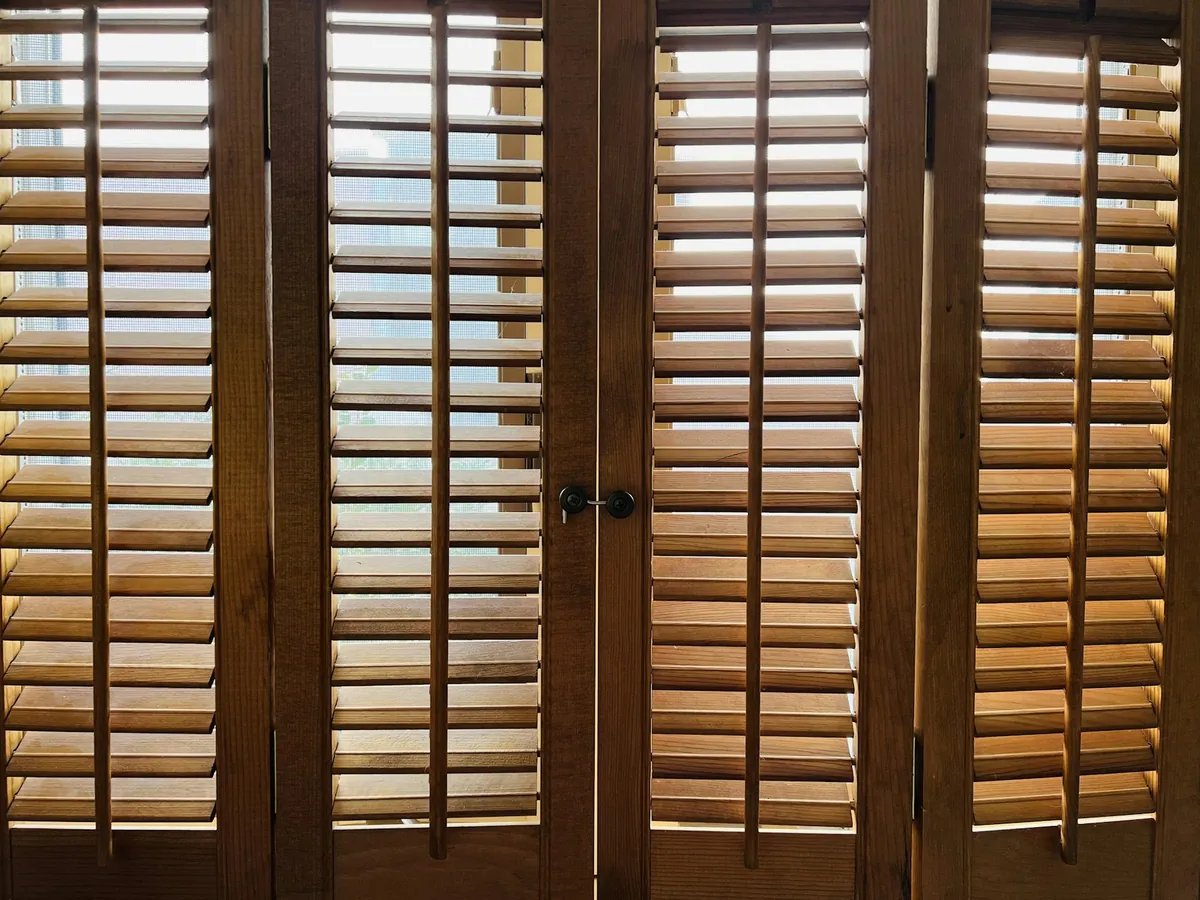
White and soft whites dominate in coastal houses, and with good reason. They keep rooms bright, sit well with white trim and look crisp from the water as well as from the road. A painted shutter can also be matched to a trim colour other than white.
A wood finish suits the older farmhouses and capes, where it can pick up the floors and doors. In a newer house, a wood-finished shutter in a study or a bedroom can bring warmth to a room that is otherwise all glass and white walls.
Side drapes add softness around a shutter and frame the window without blocking it. We make drapes as well, and the Westport custom drapes can be measured at the same time as the shutters, with the rod set wide enough that the fabric hangs clear of the folded panels.
Looking After Them
Near the coast, a little more regular cleaning pays off. Close the louvres and dust each panel, then tilt them the other way and dust again. Every so often, wipe painted shutters with a lightly damp cloth to lift salt film, and dry them off. A wood finish prefers a dry cloth. If a louvre works loose or a panel starts to drop over the years, let the store know and we will tell you what can be done.
See Them in the Showroom
Window Works is a family store in Swansea, founded in 1988 and now run by its second generation. Over 37 years, its window treatment specialists have worked in houses all over the SouthCoast and the East Bay of Rhode Island, from the coast inland.
- An experienced specialist team
- Every window measured in your home
- Our own installers fit what we sell
- In regular contact with you until the job is finished
- Warranties offered on our products
The showroom has shutters to open, fold and tilt, with louvre sizes to compare and the Norman range on display.
More about the full shutter range is on our plantation shutters page, and every service we offer in town is gathered on the Westport window treatments page.
Questions from Westport
Will shutters block the view from my harbour-facing room?
Not when they are open. The panels fold back to the sides of the window, and a wider louvre tilted flat leaves the view far less broken even when the panels are closed.
Do shutters hold up to salt air?
Ours are interior shutters, inside the house. Salt film still settles indoors near the coast, and a painted shutter wipes clean easily. We will talk through materials for rooms right on the water at the visit.
Can shutters fit the dormer windows in a cape?
Yes. A shutter needs no space above the glass, so it fills a small dormer or gable window, and a narrower louvre keeps short panels in proportion.
What about the glass doors to the deck?
A hinged glass door can sometimes take a shutter on the door. A sliding door usually suits a vertical blind better, and we will say which we would pick.
How do I arrange plantation shutters in Westport, MA?
Begin with a free quote: press the call button or fill in the form, and we will set up a time to measure at your house.
Arrange Your Free Quote
The way in is a free quote. Use the call button to talk to the store in Swansea about measuring in your home or installation, or leave your details on the form and we will be back in touch. To see shutters in person beforehand, drop in at the showroom; the contact page explains how to find it. Window Works has a 5.0 rating on Google.